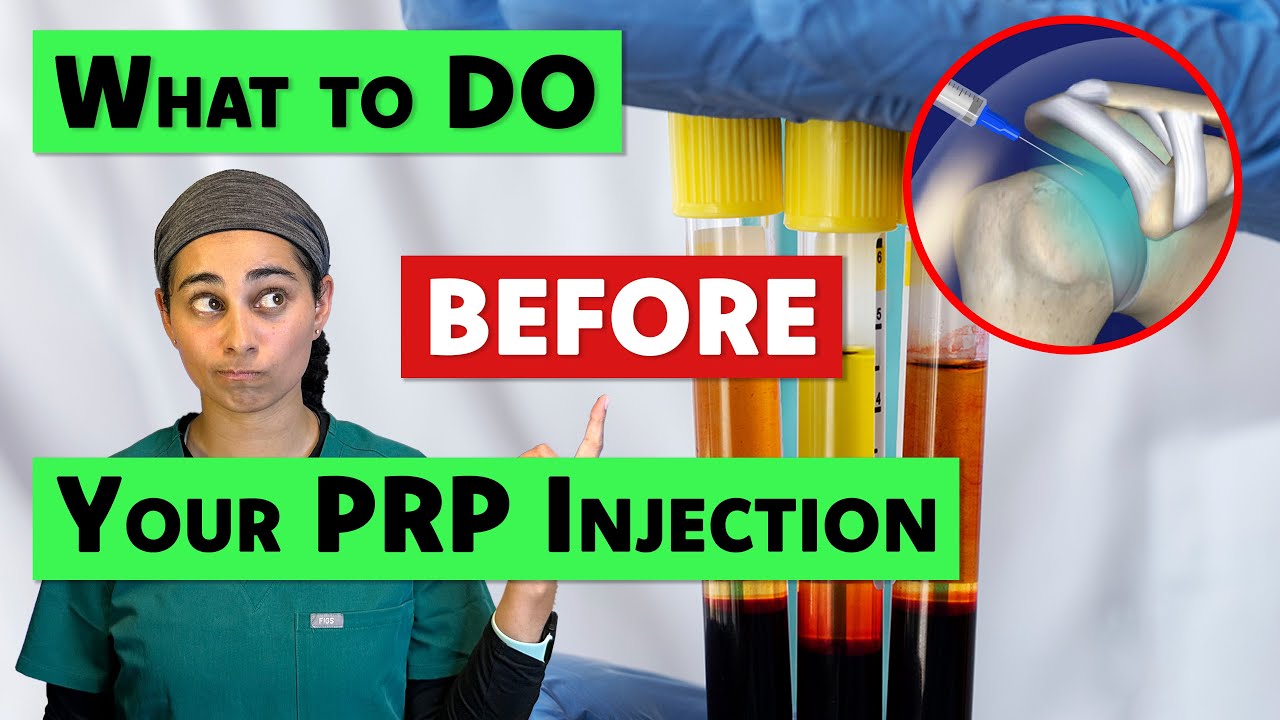
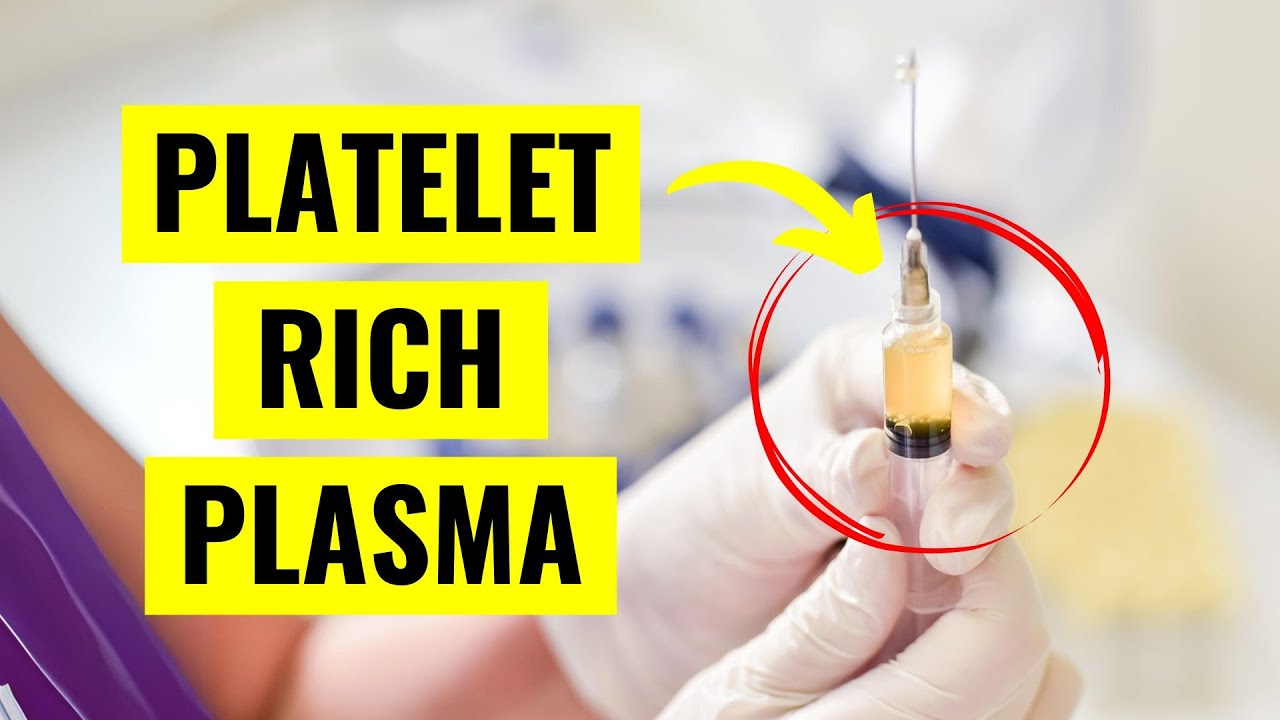
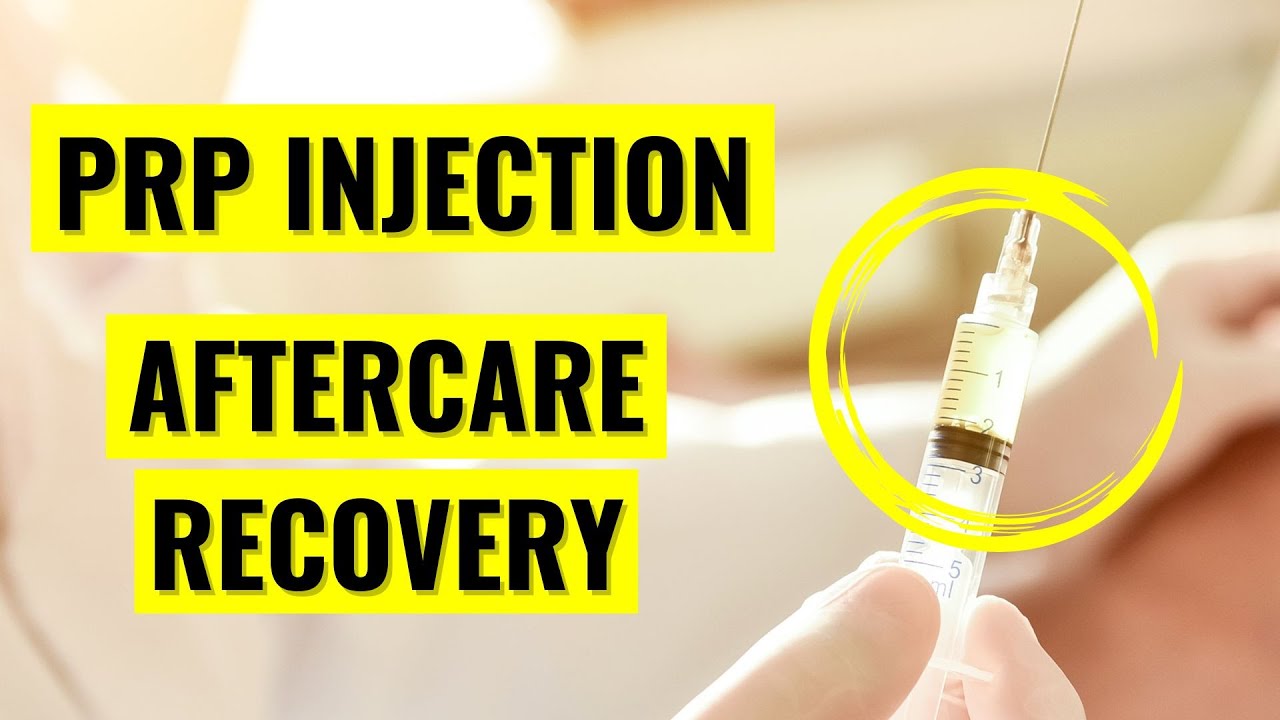
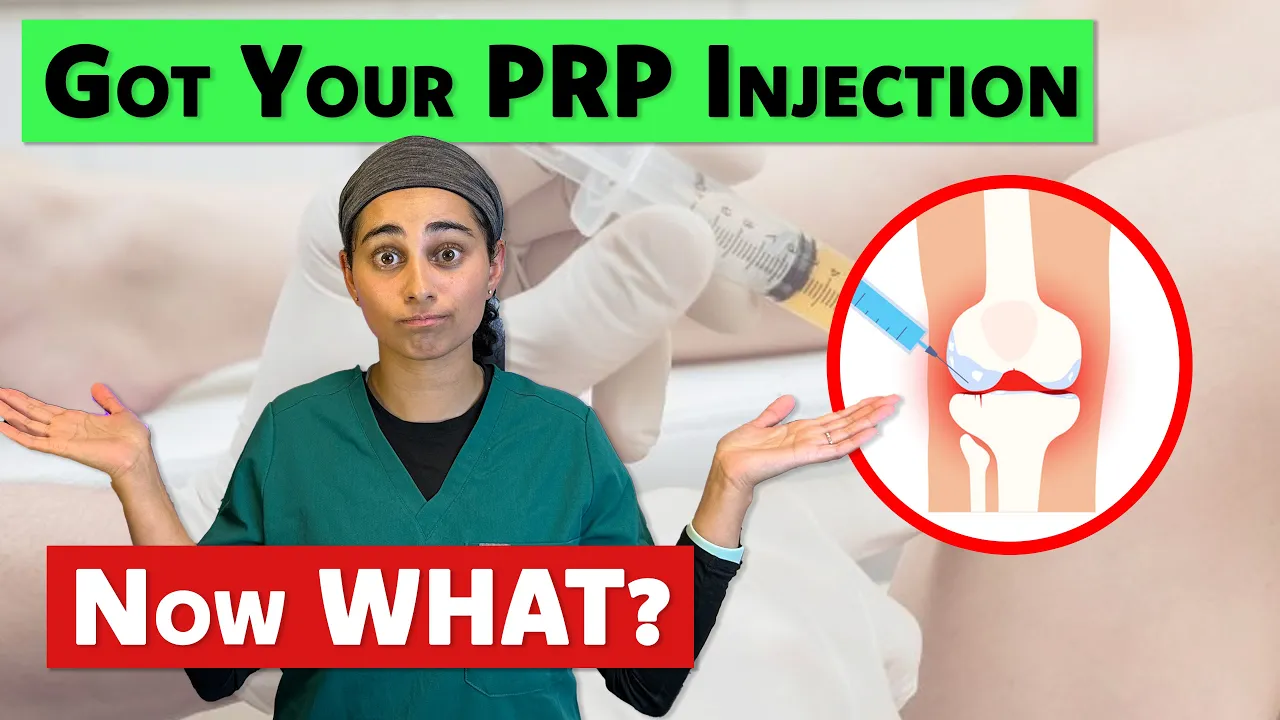
you finally did it you received a PRP or platelet-rich plasma injection and you may be wondering what do you do now in this video I'm going to break down my post procedure instructions for those who don't know me my name is Dr Sonam and I am an Interventional sport medicine doctor practicing in Canada today I'm going to share with you some of my post procedure instructions I provide my patients with after I perform a PRP injection now if you like the content of this video please leave something down below emoji happy face comment just for
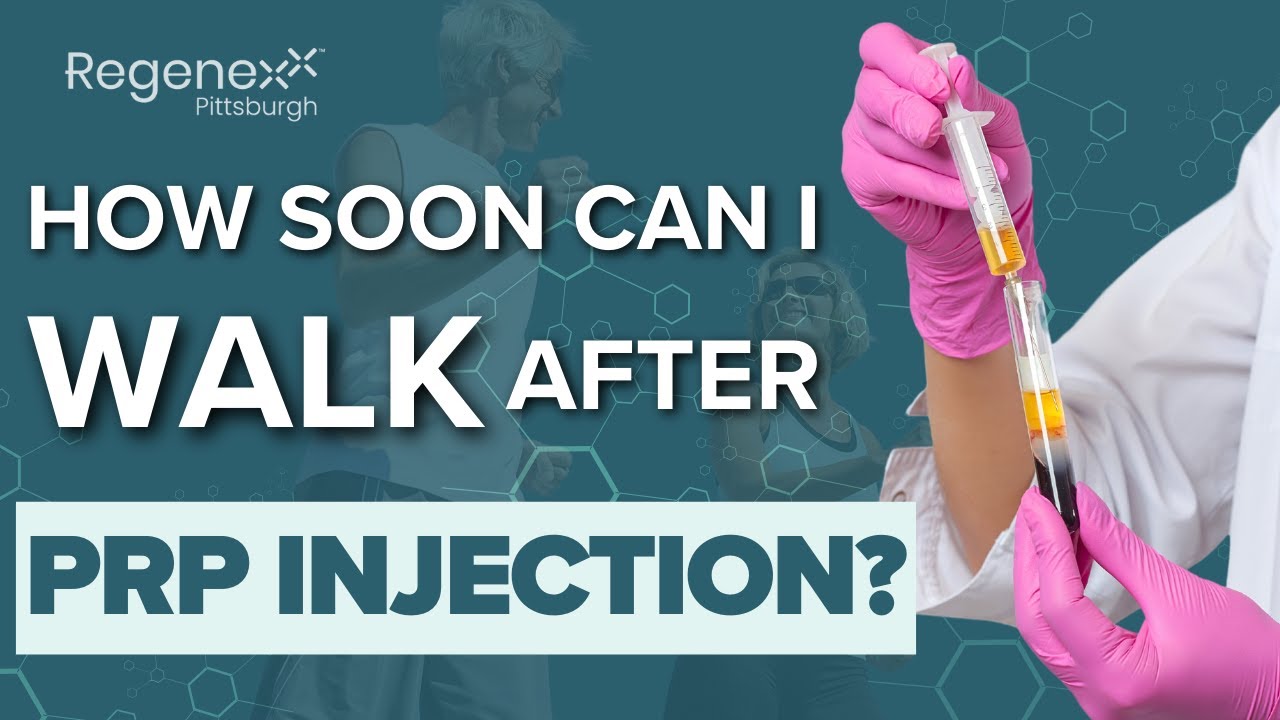
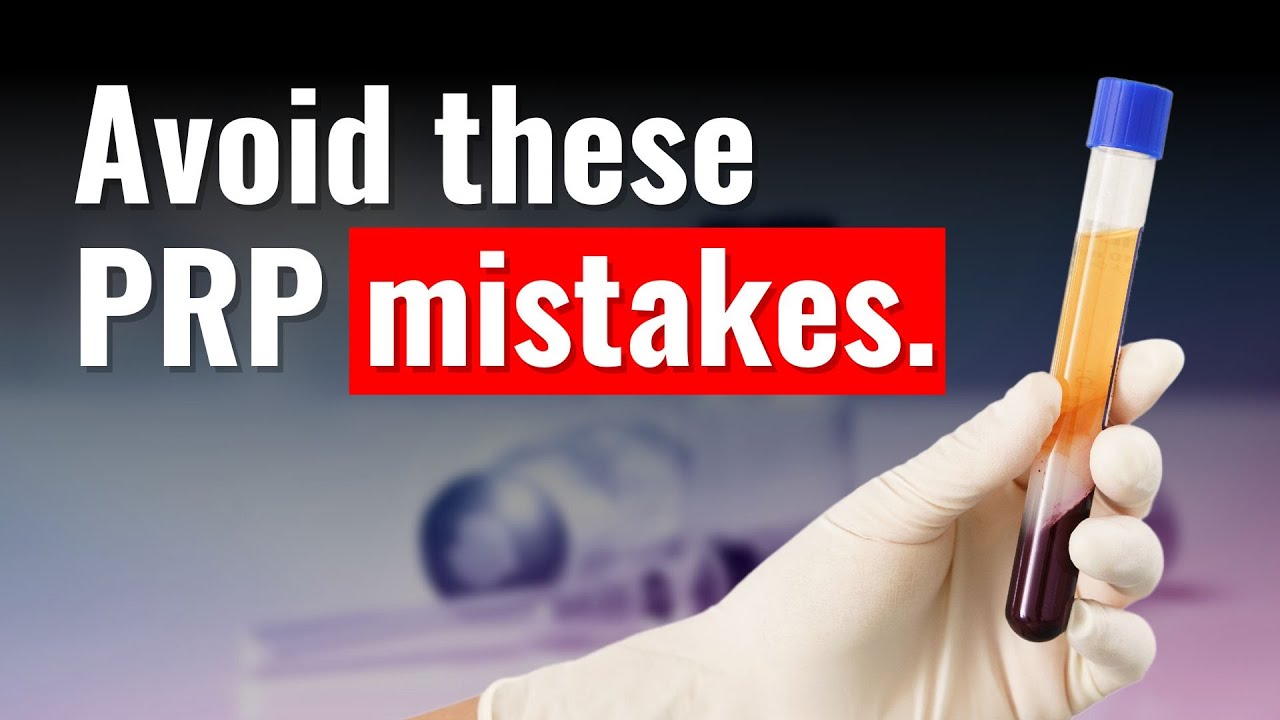
the engagement part of things not something I'm used to doing as a doctor but I think YouTube likes it so let's keep on going from here for those of you who don't know what PRP is PRP stands for playlist rich plasma and it is a newer form of a regenerative natural type of therapy that we use to treat a multitude of conditions it is made from your own blood so I take your blood I spin it down and I inject it back into certain areas of the body and we use it to treat osteoarthritis tendon
problems and a billion other more things I'll leave a list right here the first thing you'll likely encounter is there is no standardized post procedure in injection protocol so much so that I actually made one for my patients and for everyone I do I give them a handout on what to do both before and after the injection if you're interested on how to be prepared for the injection check the video we're going to link up below and it is very important to always follow the instructions of your provider because things change from Patient to Patient
number one what can you take for pain after the injection so it's not uncommon to have an increased amount of pain after the injection and I actually heavily cancel my patients on this for PRP injections into joints people tend to do quite well and Tylenol seems to suffice things pain lasts about one week Max for tendons however pain can be worse for a period of one to two weeks because we actually cause little micro trauma to the tendon and have put the PRP in the tendon itself so it's not uncommon to need stronger pain medications
and I'll frequently provide my patients with a prescription for this after the procedure to take for a period of five to seven days now it is important with all all of these procedures no anti-inflammatories aspirin Advil naproxen you name it essentially do not take anti-inflammatories for the first one maybe two weeks after the injection as it will basically do the opposite effect of PRP so PRP we want to stimulate a inflammatory reaction and an anti-inflammatory we'll cancel that out so be sure to listen to your provider and do not take anti-inflammatories for the first one
to two week after the injection number two ice and heat heat avoid do not take it it tends to make things worse swelling worse pain worse with ice even though I want to kind of have an inflammatory reaction for the PRP to work you can use a bit of ice in the first few days to help mitigate pain and swelling number three pools saunas hot tubs Lakes so it's very important to avoid any form of dirty still water for a period of 24 hours after the injection because we created a hole in your skin and
we don't want to risk or introduce any potential risk of an infection with respect to anything hot so hot tubs or saunas I would avoid them for up to one week after the injection because you don't want to create any more pain and swelling to the area and sometimes they can kind of aggravate an area after the PRP procedure number four rest and activity so this is a big one and it differs depending on what area we injected so I'm going to split this up joint and tendon so if we inject an area like the
joint I usually say rest for a period of 48 hours because it's going to be irritated pain and stiff the reason why it can also be a little bit more painful is we cannot use freezing with these injections because freezing theoretically inactivates and and irritates the PRP molecules we're trying to put into the joint so these have to be done without freezing so it's not uncommon to feel sore and achy kind of after you leave my procedure room usually in the first week I say take it easy gentle range of motion gentle walking and then
I get you to increase the activity and increase some of your strengthening exercises week two and three it's not uncommon to feel quite good by week 3 week four specifically for joint specific injections now this can vary Patient to Patient these are just general guidelines pretending specifically so this is one I counsel pretty heavily on because it does induce a lot more pain because we cause some micro trauma to the tendon so it's important to rest for the period of kind of the first week and avoid any forms of strenuous physical activity so for example
in the case of a shoulder I'm saying no heavy lifting very gentle range of motion get some blood flow moving in there for the first week week two work on a little bit more strengthening week three push to strengthening a bit more week four start to get back to some of your normal activities and it can take anywhere from six to eight weeks to get back to kind of pre-procedure levels specifically in the realm of a tendon now when you're rehabbing tendons it is actually very important to work on eccentric loading of the tendon so
what does that mean have you ever done a dumbbell curl up so this is your concentric eccentric is when you lower it under load the reason why that's so important is it actually stimulates formation of neutenocytes stem cell formation it's kind of one of the ways we treat a lot of tendon problems now with both of these I have a really encourage people to see a physiotherapist after the procedure to really help guide their therapy number five monitor for signs of infection so this is a very important thing I cancel all my patients on no
matter what type of injection I do for them it is important to monitor for signs and symptoms of an infection which include fever increased pain increase swelling and increase redness at the site now usually infections present themselves five to seven days after the injection because it takes that long for the bacteria to grow if this happens please contact your provider as soon as you can number six when will my PRP injection work this is a very important thing I counsel patient on mainly for expectations usually it can take up to 8 to 12 weeks to
see the full benefit of PRP and this differs whether or not we did a joint versus a tendon I find joints tend to settle down a bit quicker than tendons and tendons may need the full 8 to 12 weeks to see that benefit number seven do I need more than one injection so if done any literature Deep dive into PRP you're going to see that there are multiple protocols and essentially sometimes for a joint there are some protocols that say you need one injection for three weeks and then we reassess symptoms whereas for a tendon
they'll say you need one or two injections the way I treat is I really allow the patient response to guide my next steps and this will differ provider to provider so what I do typically for joints is we do the one injection reassess symptoms and if another injection is needed we can consider it at that time usually for joints if PRP is effective it lasts for approximately approximately one year and you're looking at yearly injections of PRP for the joint now in the realm of a tendon one injection is very well a possibility to actually
cure the issue so for in a lot of cases of tennis elbow for example I'll do a PRP on the actual tennis elbow and one treatment is all my patients need sometimes people will need a second treatment but usually I find in the case of some tendon issues PRP can be Curative not in everybody but in the vast majority of my patient population I'm getting some really good responses PRP is a revolutionary treatment in the sport medicine industry and is being used at increasing higher and higher levels I find that patients are gravitating more towards
natural regenerative type therapies and therapies that can also help address underlying causes to issues for example fixing the actual irritated tendon in a tennis elbow now it is very important to follow all the post procedure and structure instructions by your provider and what I've provided is mainly a guideline of what to consider after you get the procedure if you want to learn more about PRP I'm going to leave some resources down in the description if you have any questions leave them in a comments and I'll do my to get to them if you like this
video and want to see more videos like this please like And subscribe to my channel for now that's all