Most creators aren't stuck because they don't upload enough. We know that. They're actually stuck because their content just doesn't work together.
And I see this constantly. Creators posting more, trying harder, following all of our advice here, and honestly feeling more frustrated every month. For years, we've taught the strategy of a three bucket idea, discoverable, community, and sales content, or how Google published in 2026, Help, Hub, and Hero.
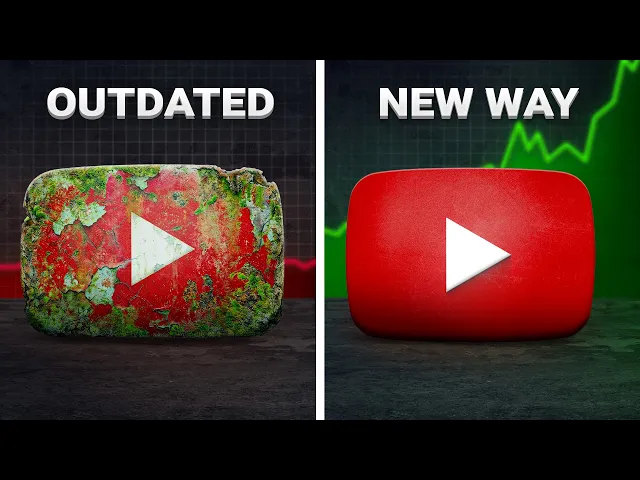
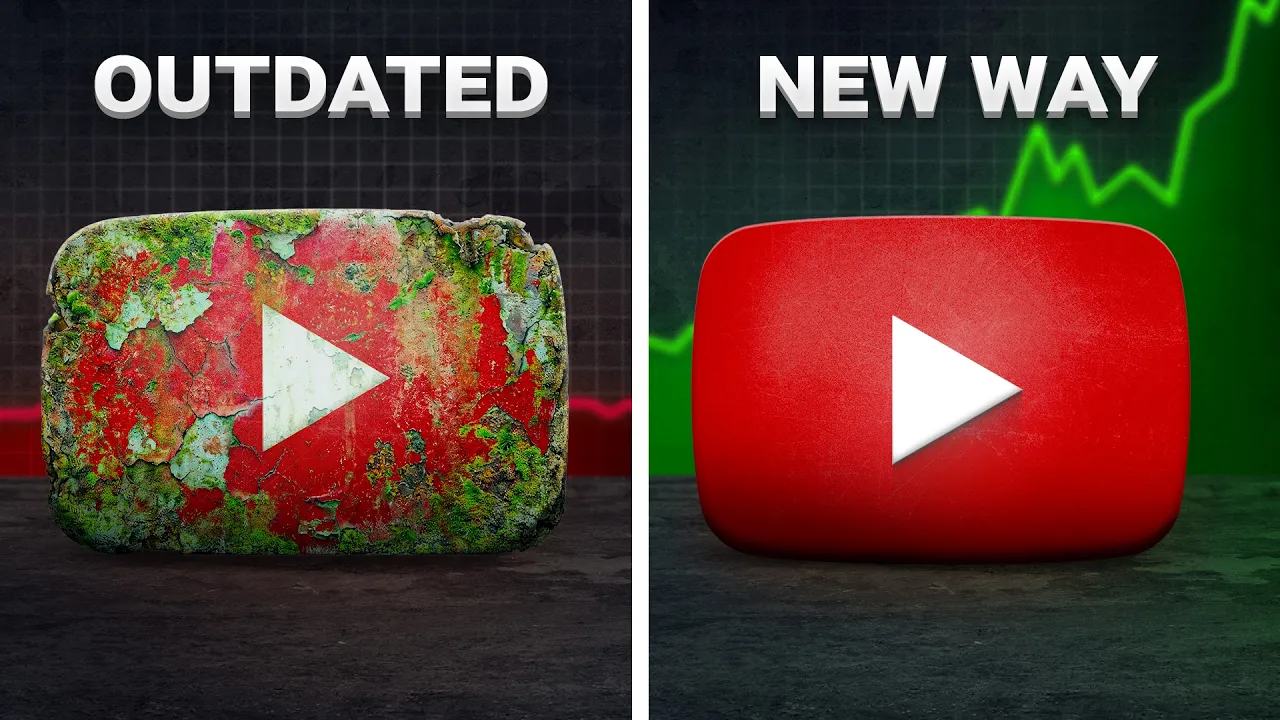
Now, the structure isn't wrong, but the way that it's being used is it's just it's outdated. And I mean, 10 years old. Like, this is not the same YouTube anymore.
So, in 2026, growth doesn't come from more videos. It comes from alignment where every single piece of content reinforces the same channel identity. And if your content isn't aligned, growth stays random.
Random growth is exhausting. So, this video is going to break down exactly how to fix that. Okay.
Okay. Okay. So, before we talk about the updated formats, we need one anchor here.
your content identity, which you can think of as your north star. Meaning your channel makes sense as a whole, not just by video by video. The old thinking is your niche is what you make videos about, like gaming, food, travel.
It pretty much just tells YouTube the category, but it doesn't tell your viewers why you matter. The new way of thinking about this is what actually drives your growth is your creator POV. This is a lens you interpret your topic through.
So, a simple example for a gaming channel might sound like the old way being I review games. But your creator POV might sound like I help players decide what not to play. Without a POV, every video has to fight on its own and every upload is so random.
With one, every video reinforces the last and we start to get that binge. As you're watching this, think about your last five uploads. Were they all trying to do the same job or were they all just kind of oneoff things?
This question alone explains why a lot of channels feel stuck. Let's talk about a POV without a personality, meaning a face driving it. Because this isn't just about being on camera.
Some of the clearest examples of content identity on YouTube are completely faceless. Yes, you heard that correctly. Take Magnes Media.
There is no host, no brand personality showing up on camera, but every single video you see the world through the same lens. power, success, the systems behind them. People don't return because they just recognize a face.
They return because they recognize how the channel thinks. Look at Cold Fusion. Different topics every week.
Same calm explanatory POV every time. That's content identity without a creator on screen, which proves this isn't just about personality and it's about perspective and any channel can do this. Now, once your creator POV is clear, everything else is going to get a lot easier because now you're not guessing what to post.
You're deciding what job each piece of content is supposed to do. Most creators treat every video the same, expecting every single upload to drive discovery, retention, and growth like allin-one this just magical video. And we know that's not just that's just not how channels grow.
For 2026, I want you to think about content in the following three types. no formats, no ideas, but roles your content plays on your channel as a whole. Each one serves a different purpose, and when they work together, you're really going to start to see that growth show up.
Starting with the first one, which is going to be your entry point content. Now, we used to think of this as the help content or the discoverable content bucket. And this is where a lot of creators are confused right now, especially when it comes to shorts.
Entry point content isn't a format. It is a job. It's a job to get people in the door.
And this happens through long form, but it can happen through shorts. Maybe even a little easier, dare I say. And for many creators right now, shorts are the fastest way to introduce a POV at scale.
The reason why shorts work really well here is because they catch viewers midthought. Midthought is what I want you to remember right now. Not searching, not committed, just reacting.
And shorts don't need to turn someone into a long- form viewer immediately. This is a hard bridge to gap, which we will talk about, but we want to think about this as just getting them to qualify. Do I like the way this person thinks?
Do I agree with this take? Do I want more of this perspective? That's the win.
When we think about discoverable content and everything we've known about it in the past, we immediately think tutorial. We must all make tutorials to get that search traffic. Now, I don't want to say don't make a tutorial, but I want to give you a more updated way of thinking about tutorial or search driven traffic.
Tutorial content could sound like here's how to make a pizza from start to finish. But mid thought, back to that midthought, is homemade pizza actually worth the effort? One assumes a decision is already made.
The other meets the viewer before the decision. That difference determines whether people leave with an answer or stick around for you. Sambucha shorts show that midthought framing works across niches.
In shorts, you're not targeting search all of the time. You're catching viewers offguard with a scroll. Whether it's are you boring or what $1 used to buy, these shorts spark that thought first before offering resolution.
This is exactly how Samucha grew his channel to over 11 million subscribers in like less than 5 years. If you look at all of his top performing shorts, you're going to see exactly what I mean and you're going to see some patterns. The difference with tutorial is that it assumes a decision.
This midthought concept meets them before it. That's how you can reframe any hook to pull viewers in no matter the niche. These are the key differences for how you can better target that viewer midscroll using shorts as the entry point content to your channel.
My favorite example here is your classic how to do X. But a reframe would be why X happens. And the perfect example is the channel Life by My G, which gives us a look at this in long- form entry point.
The video, "Do these air fryer recipes actually work? " You can see here, like the title isn't instructional. It's framed as a question viewers already have, and that's where we're catching that midthought right there.
Loyalty content is what we're diving into next, which is slower and relational. It doesn't force the jump. You design the actual transition.
Loyalty content is what happens after people accept the invite. This is where viewers stop watching videos and actually start watching you, which I know is a major goal of most creators. Think of loyalty content as the friends who keep showing up.
They're not there for the activity. They're there because the room feels familiar. I want you to look at Cara and Nate's channel here.
Look at this video for 10 days of chaotic travel behind the scenes of our life. 1. 1 million views right now.
We also have annual updates, personal health videos, including Cara's epilepsy updates. This is really important to their channel because this is showing the loyalty their audience has to them. Obviously, their channel is built off of travel and doing extreme challenges and going to crazy places.
But when you look at a video that's behind the scenes that has to do with health updates, you are seeing the audience truly sucked into caring about who they are. If there's no content like this, then you lose the whole opportunity to have your audience show up in this way. Now, when we do make loyalty content, we don't necessarily expect the views that we would on the other two types of content, but this is what actually is going to bring people in deeper.
It's that little bit, that look into your life that allows people to care more. Now, I'm not saying spill your whole life on the internet, but strategically think what can you provide as a creator that is going to create that relationship and that loyalty to your audience. Next, let's talk about catalyst content.
The old way of thinking about this is highly discoverable hero content, meaning viral. But big spikes do not change channel trajectories. And a viral moment doesn't actually build a channel.
The new way of thinking about this is catalyst content. It expands your audience without breaking your identity. The point being, it's understood without context and it travels across niches.
It upgrades how people perceive your channel and allows more people to come in. All right, let's look at Jake Carlin's channel. His viral content with a video like I microwaved 1 million popcorn kernels or exploding things with a lawn mower was all about shock.
The payoff itself was the stunt. When we move to more recent content and look at his I built series like I built a secret gaming pod or I built a fist that can punch through anything. You can see that these go well beyond stunts.
They pull in audiences with the story of what he's building and why. The concept and his storytelling appear to that wider adjacent audience. The actionable step for this would be to ask yourself if your next video relies on one big moment or is it consistently inviting a new niche to stay.
That's how you can move from viral to catalyst by consistently reaching with a wider, bigger, storydriven idea. We're looking for longevity. That one viral moment is most likely always going to come crashing down.
YouTube isn't broken, but the old advice is. And creators who win in 2026, you're not going to be the ones who upload the most. You're going to be the ones who understands what every video is for and what every new bucket of content is doing.
The real cost of getting this wrong isn't a bad video. It's just years of effort that never stack. And that shift is where the real growth begins.
Think about how you can incorporate entry point, loyalty, and catalyst content on your channel. And this is going to give you a good jump start for 2026. Stop following that old advice.
We have so much updated, amazing advice.