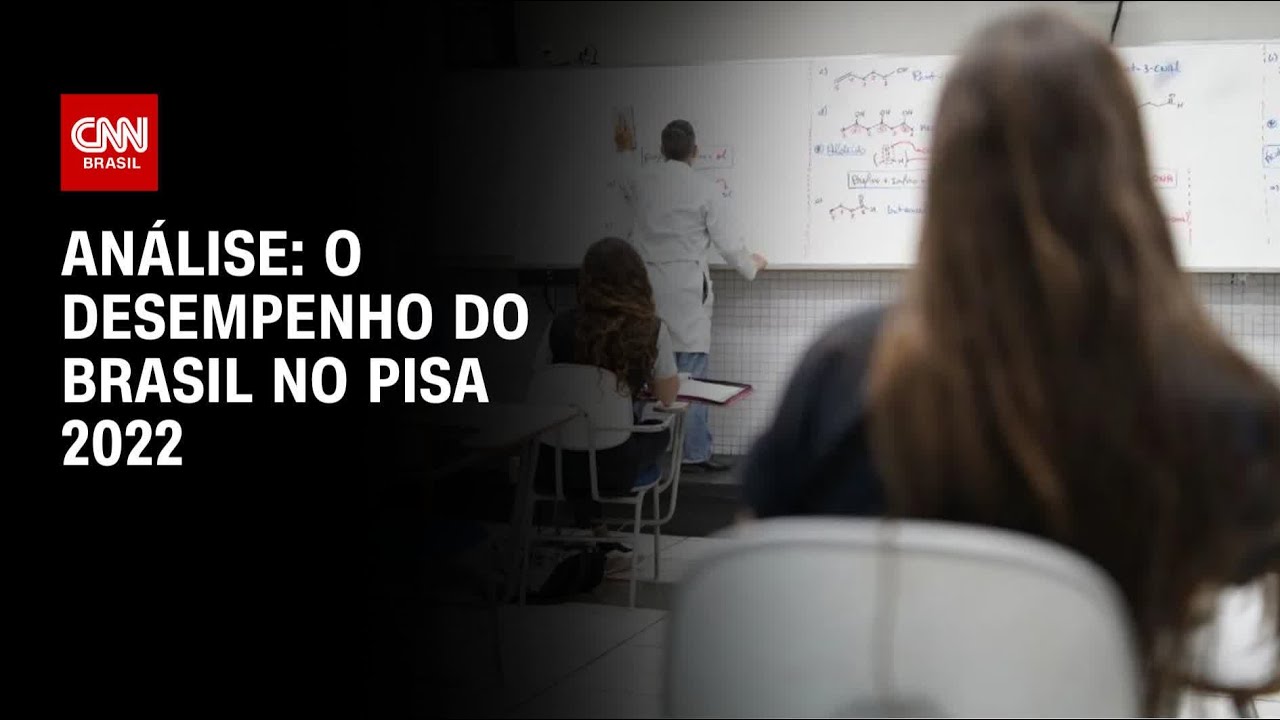
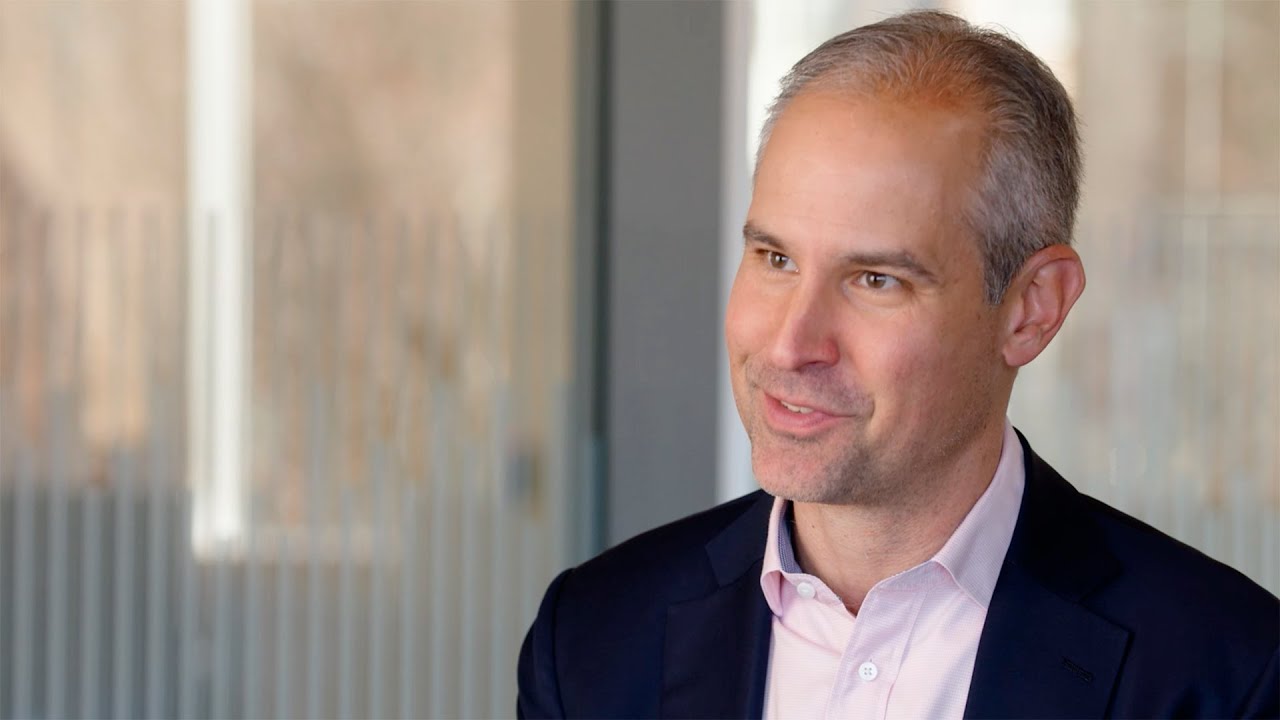
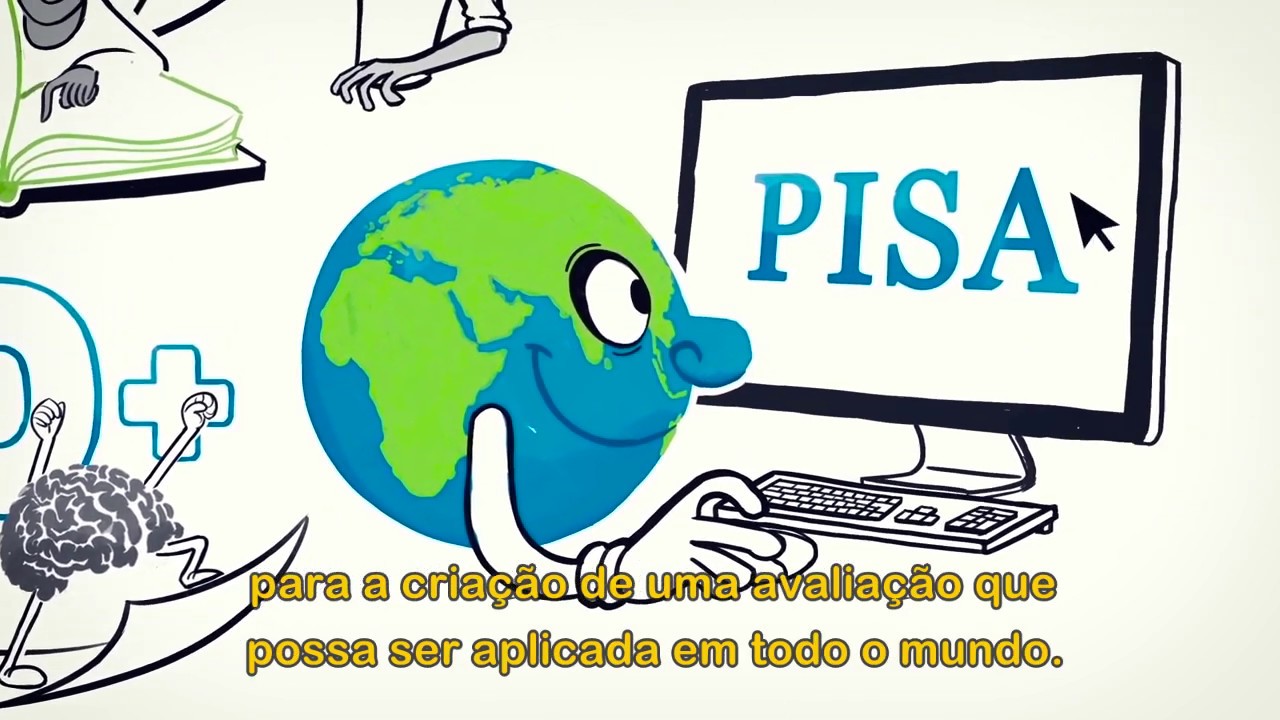
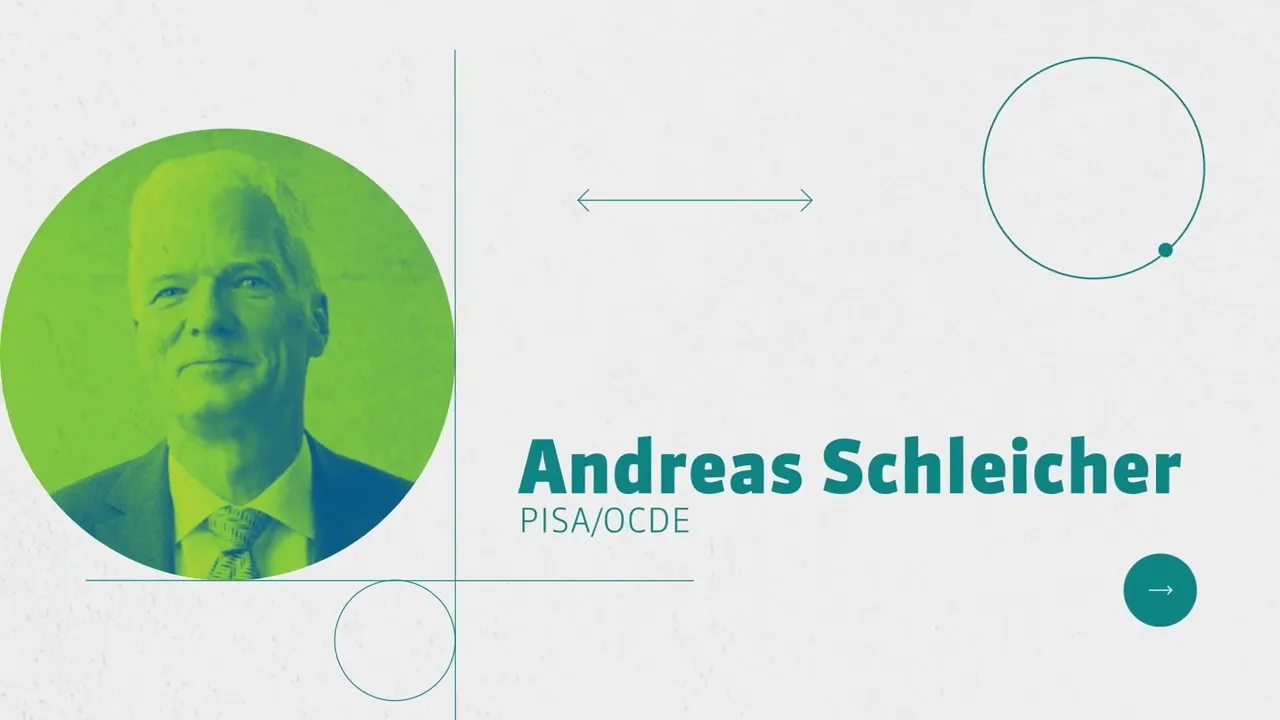
foreign [Music] ER I'm director for education and skills at the oecd organization for economic cooperation and development the idea of Pisa is to assess the knowledge skills attitudes and values that matter most for children's future and the concept is that we do not test whether students can reproduce what they know but whether they can apply what they know a novel and sometimes unfamiliar settings that's the real concept of the Pisa test that's how it's different from a classical school test where you just test whether students learn what they learn in school we started like many
tests with you know reading and Mathematics because we knew how to assess those kind of domains well but soon after Pisa included the assessment of problem solving skills and then in 2015 Visa actually added collaborative problem solving skills because you know problems today we do not solve just as individuals but we need to be able to to live and work with people who are different from us in 2018 we added Global competency we wanted to see to what extent students are willing and able to see the world through different lenses and perspectives appreciate different ways
of thinking understand different cultures if you drink a cup of coffee in New York do you understand how this could impact on workers in Brazil or Colombia do they grasp the environmental challenge do they feel that agency to actually contribute to changing the world that was the idea in 2018 in this year we will publish our first results on a creative thinking skills to what extent can students develop ideas that are original not you know remember the answer they were taught in the school but to develop their own thoughts to what extent can they assess
the originality of their responses the assessment of creative thinking the next round of Pisa in 25 will for the first time fully integrate the learning and assessment processes that's a new assessment Paradigm in the past we separated the learning the accumulation of knowledge and then the assessment to see whether students learn it in 2025 we call that learning in the digital world we will bring those two worlds together we will give students learning situations and then the assessment will track the extent and how students engage with those learning situations we see today that the kind
of things that are easy to teach and also easy to test I often also now easy to digitize to automate the world no longer rewards us for what we know Google knows everything the world rewards us for what we can do with what we know and that's really I think the focus of assessment these days capturing not just whether students can reproduce what they learn in school but whether they can extrapolate from that apply their knowledge in novel context in novel situations technology now gives us very good opportunities to assess authentic learning environments to assess
even collaborative skills now schools solving a problem together so what we need to shift most is our mindset because we often need to make trade-offs between validity gains and efficiency gains focusing on the authenticity of a problem as opposed to giving students lots of tasks that are very superficial to collect a lot of data we also need to make trade-offs between relevance and reliability if you want to have a test that is only reliable I ask you 20 trivial questions of the same type and I get a very reliable score but it's not very relevant
if I want to have an assessment situation that is you know truly speaking to a more complex skills I may need to make a compromise honorary Library so that's a mindset shift really I think teachers need to accept more complex judgment in in the assessment task when I have an open-ended task sometimes students respond in a way that I didn't predict we need to be more open to the novelty to the ideas from students have more complex marking guides but I do not believe these are technical or financial difficulties they are usually difficulties in you
know we expect certain things from a test we have got used to tests that you know are focused very much on objectivity on the reproduction of specific preset answers but today the test is not whether I can reproduce the answer for a teacher but whether I can ask the right question think about chat repeat has all the answers there's no point for me to learn the answers what is important is to actually learn to ask the right questions to demonstrate my thought processes but again that requires you know attention attitude on the part of teachers
change in Attitude on the part of systems at the oecd we have a new assessment for five-year-old children and it was they're important to look at aspects like empathy now you cannot give multiple choices to a five-year-old child you cannot give a written test to test empathy empathy is not something you can express in writing so we gave them on a tablet stories to to look at and looked at how did they respond to the characters did they understand their feelings of a character in the story and yet children can express themselves quite well we
need to observe it and we get actually a very good picture of the reality so as the world evolves we need to become just more creative in adopting methodologies that are appropriate to the task man Brazil was one of the first countries in the Americas actually that put together an assessment culture that has been very impressive having it was actually the first country in the world that was even able to assess the outcomes of its University something that is really very challenging and very different I've always been impressed how much effort actually Brazil has put
into making the learning outcomes visible as a tool to improve Equity as a tool to improve quality in education still I would say that the current assessments are quite traditional still in their approach they reward teaching and learning that relates to the accumulation of subject matter content something that is a very important foundation but it's not enough for students to be successful so I do believe also Brazil will face the challenge to make the assessments more in line with how the world is changing now chat GPT generative artificial intelligence push us to think harder about
what makes us human it's easy to educate second-class robots you know people who repeat what we told them but what makes us human in this world where there's things that are easy to teach and tests are easy to automate are easy to to digitize so I do think uh in in the future Brazil needs to think how to make the assessment also more in line with the Common Core actually the curriculum in Brazil has advanced it's a a world-class kind of very ambitious curriculum that the assessment is still not yet in sync with this and
whenever you have a disconnect between the curriculum and the assessment you know the assessment always wins [Music]