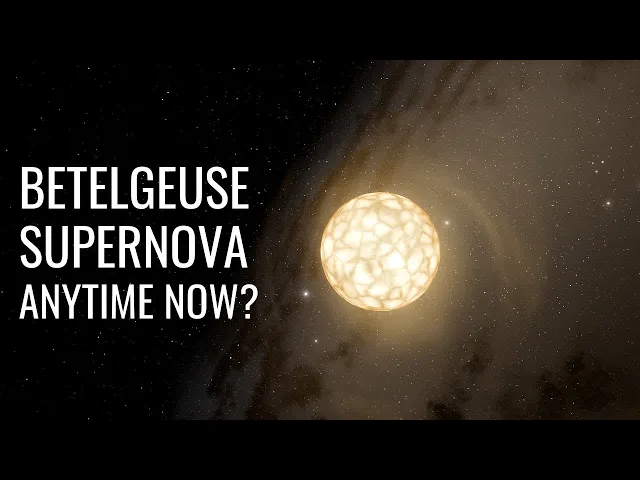
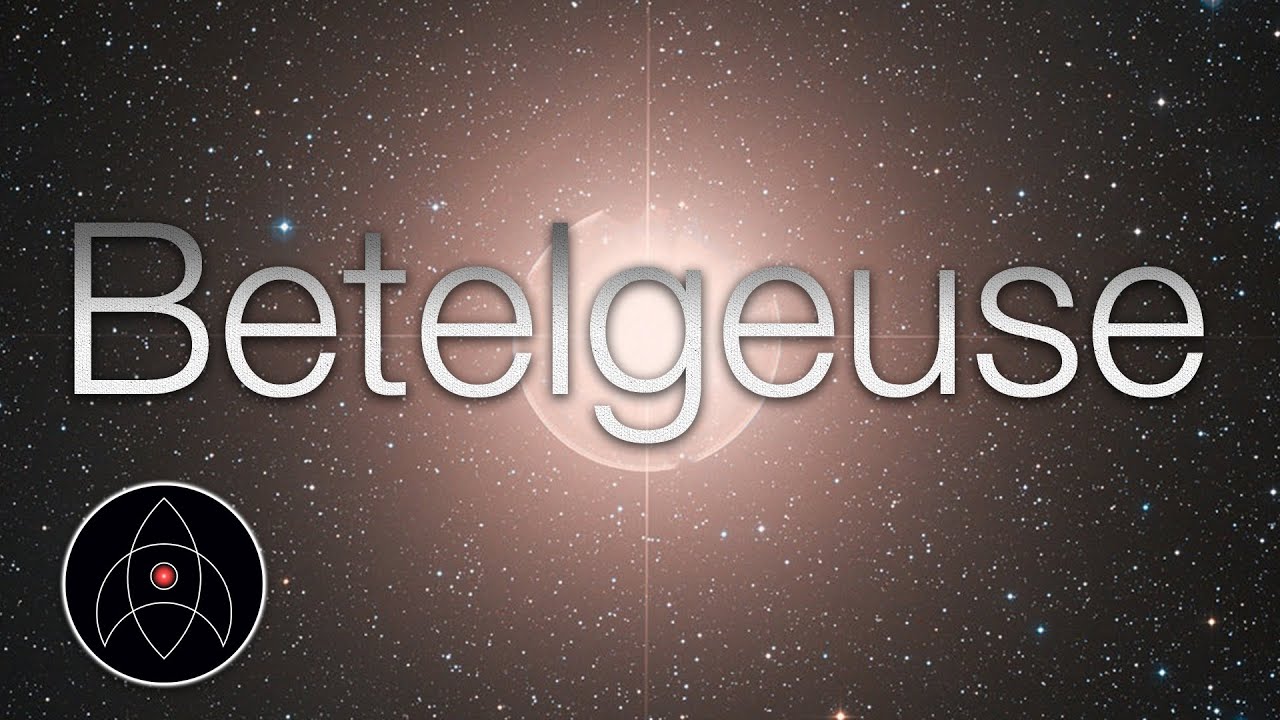
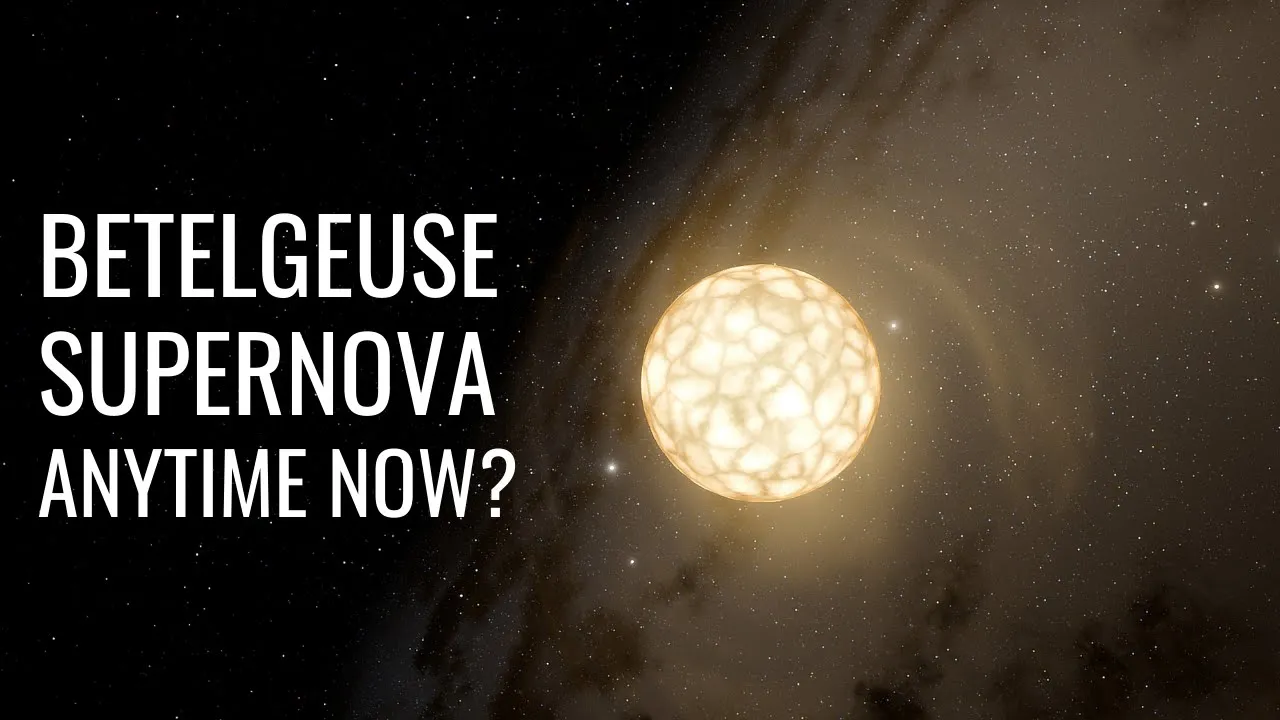
in 2019 a famous star named Betelgeuse mysteriously started dimming Betelgeuse is a red supergiant star on its deathbed in the constellation of orion it's so huge that if it were present in place of the sun its outer edge would have extended till the orbit of jupiter the supernova of this star is one of the most awaited astronomical events the last time a supernova was observed in our galaxy was in 1604 the kepler's star records have indicated that the magnificent explosion was visible even during the daytime for over three weeks therefore getting excited for the supernova
Betelgeuse is quite natural isn't it Betelgeuse is a semi-variable star it naturally brightens and darkens over roughly 400 days however something unexpected happened in the last month of 2019 when an image of the star from december 2019 was compared to an earlier picture taken in january of the same year it showed that its surface was significantly darker by mid-february the star had plummeted to 35 of its brightness and the dimming was far more significant than anything previously recorded this behavior was indeed bizarre and it led many to speculate that Betelgeuse might undergo a supernova any
time soon however the exact reason behind the unusual dimming of the star wasn't clear and it baffled astronomers around the globe a team of scientists continued tracking the brightness of Betelgeuse using esso's very large telescope by april 2020 the star had returned to its normal apparent luminosity while the observations were being made two ideas were floating around in the world of astronomy either there was a large cool spot on its surface or a cloud of dust formed right in front of the star as viewed from earth after several months astronomers have finally found the reason
behind the dimming of Betelgeuse surprisingly the explanation has turned out to be a bit of both of the proposed ideas researchers revealed that the star got partially concealed by a cloud of dust which eventually led to its dimming this means that the great dimming did not indicate any sign of an impending supernova instead it was a dust cloud playing its part but from where did this dust cloud appear and how did it affect Betelgeuse's brightness stay with me the surface of stars like Betelgeuse regularly changes as giant bubbles of the gas move shrink and swell
within the star it is believed that some time before the great dimming Betelgeuse ejected a giant gas bubble that moved away from it later due to a drop in temperature there appeared a cool spot on the star and this enhanced temperature decrease was enough for the ejected gas to condense into solid dust so initially the cool spot on the surface made the star look dimmer and then the condensation of dust cloud added to the rapid drop in brightness of the star Betelgeuse is about 15 to 20 times as massive as the sun and a star
this size in its late stage of evolution could undergo a supernova soon when the unexpected dimming occurred it wasn't crazy to wonder that the dimming was an indication of the star's imminent death in this spectacular supernova explosion but as it turns out the culprit was a cloud of dust and gas Betelgeuse is about 550 light years away this means that even light takes 550 years from the star to reach us even if the star implodes now we would only know after 550 years or maybe the supernova has already occurred but the light from that event
hasn't reached us yet it is indeed one of the most awaited astronomical events and will provide heaps of information to astronomers to understand the life and death of stars but don't worry the earth is at a safe distance and the lethal electromagnetic radiation emitted from the supernova won't affect life on our planet it will present us with spectacular views for several weeks do share this video with your friends and follow us for more such videos on astronomy you