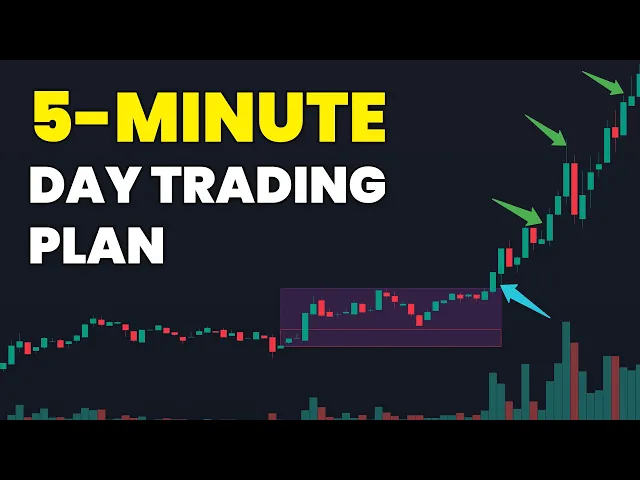
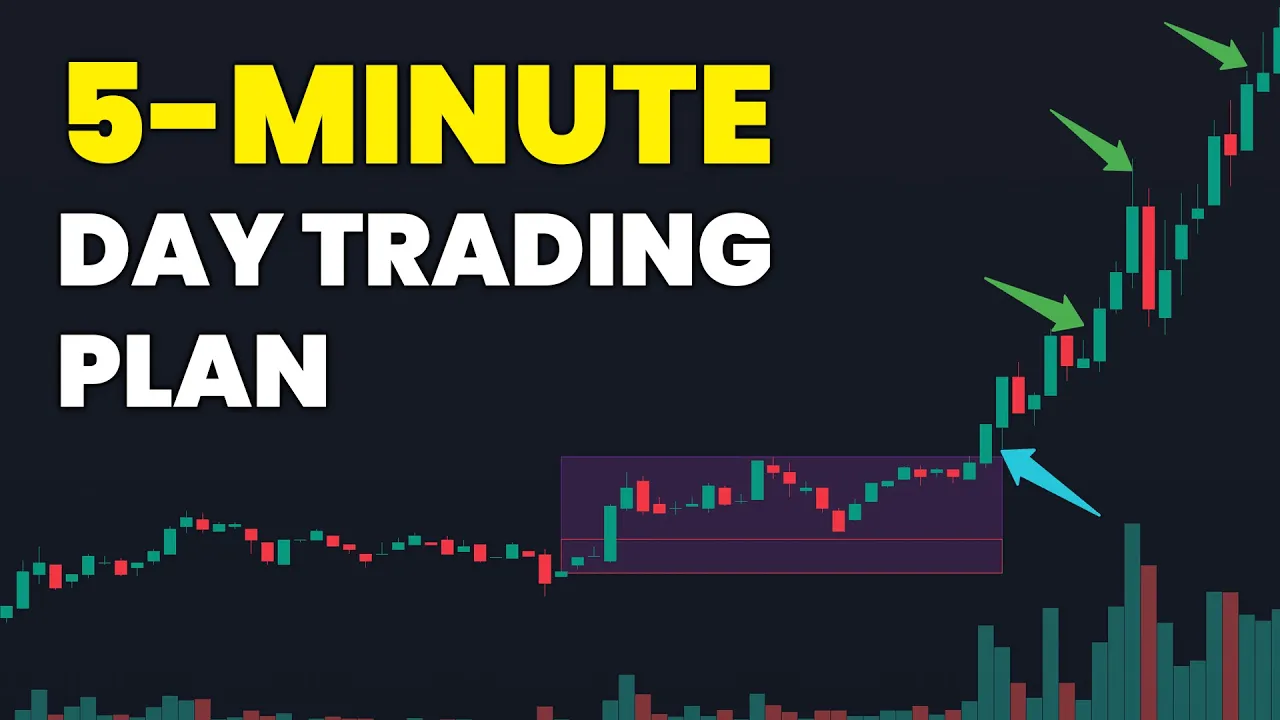
okay Elite seven figure Traders are great at taking the highly complex and simplifying that down to systems and structures that allow them to do the right thing quickly and without much thought in this video we reveal a five minute day trading plan that does just that I'm Mike Bella Fury and we're one of the top proprietary trading firms located in New York City since 2005 and proud to develop numer seven and even eight figure per year Traders watch take notes and learn from a professional proprietary Trader on our desk so you can grow your trading
account today in 5 minutes you know maybe it'll be a little bit longer than 5 minutes but basically in five minutes we're going to try and come up with a a plan most traders that I know use at least these three things so the first thing is you need to have a small list of stocks to trade you know you should have a list of stocks really small you trade them every day so that you actually get a feel for them every experienced Trader supposedly has these these these small list of stocks that they really
have a feel for right second one would be you you want to make sure that you're trading the open and the close because that's where most of the volume is traded on the day right the open is where you'll see all the volume and the price movement and the close is where you see all the volume and the price movement Power Hour right the third thing is you always need to work on your trading psychology every day you know you're the only thing that's really holding yourself back in your trading well actually you know don't
focus on any of that I know everybody's heard those piece of advice but I actually don't know any experienced Trader that's actually making money that focuses on those three things I don't see anybody walking around focused on those three things when I look around at the traders that I interact with that the traders that I know are making money consistently uh the traders that are really putting up big days what I see is is they're letting the trades find them so they're not coming in with a list of stocks that they're going to trade every
day no matter what they're actually using Dynamic scanners to kind of find where the trades are going to be offered to them each day and then thinking about where they have an edge so they're going to use a volume scanner a news scanner price alerts U even technical analysis scanners all those work but on their own they tend to struggle to be a little bit Dynamic and what I found what we found is that you need to focus on stocks in play you know then you need to layer on the setup and then actually find
the trades those specific trades that have that high probability in the setup so what we're looking for is you know maybe we're using a price alert but we're using that combination of the setup and then the trade at itself and we're not coming in every day and saying I need to trade Tesla because Tesla moves every day or I need to trade Nvidia because Nvidia moves every day I have a really good feel for this stock if you're doing that what you're doing is you're saying I know how all the other participants in this stock
are going to act all the time well what if there's fresh news in that stock what if it breaks out of a range what if uh something fundamentally shifts in the market and other participants are involved in that stock well then you no longer have a feel for the way that stock trades in fact you're going to have a feel for the way it used to trade but you're not going to have a feel for the way it's trading today but if you're focused on stocks that are moving that are showing range that other participants
are always involved in then you're going to be able to dynamically move to where those participants are moving you're going to be able to trade and play a really winnable game in different sorts of stocks that have higher EV you know that expected value of your trade working they're going to have better follow through they're going to have much better risk reward it's just a much better way to trade so everything we do when we're building alerts to let trades find us we do very dynamically with our technology so we do this with the scalp
radar and and more about the scalp radar later but but you know with the scalp radar and with any of our technology our list actually changes each and every day because we expect the participants that are involved in these different stocks are the ones that are going to provide us those trading opportunities and those trading opportunities are Dynamic they're not static across the same names every single day we expect those other participants those big players to move where they have to move each day so we should expect to move where we have to move every
day so you're going to start your prep for each day with those those Inplay names and ideally you're going to take those names that Dynamic list and you're going to get it down to two Inplay names if you're looking at more than two we've just found it's really tough to focus on that and if you struggle focusing on two you can even go down to one but anything more than two tends to be a a lot unless there's one general idea you're executing but that's sort of a specific example we can talk about that later
ideally two Inplay names to focus on through the open and then we'll even share a couple trades that you can actually look for but that takes us into our second point which is on the open you know there's a lot of volatility but usually in that volatility is the least amount of clarity for the people that say you I only trade the open and I only trade the closed that's great but you're trading at the points that are typically the least clear it's like the intro of a really good book right if you just read
the opening the first chapter of a book and you read the last chapter of the book would you understand what happened in that book well well likely that intro sets the stage for the book it sets the tone it sort of develops the expectation of of what you can think about happening in that book but if you're to stop reading after that intro then jump to the end you're going to know what happened but you're actually going to miss most of the real story and there's so much Edge in that story so here's an example
that you're seeing from this week and we'll actually share the Spencer scalp cheat sheet it's a really good it's very specific cheat sheet and this is a really good trade that you can make in the morning and in the midday so we're avoiding the open and we're avoiding the close with this trade this scalp specifically so if you don't have filters or alerts or technology that helps you identify the trading opportunities after the open it means you're more likely just sticking to a narrative that you read the opening for and maybe you read the close
for but you're not adjusting to what's happening you're less likely to see those things just fall into into your lap see them develop for you intraday and as a result what we've seen is you're probably not going to be adding to your p&l very effectively through the day you're more likely to get these big p&l spikes through the day and then Whittle away at it you know grind down grind down grind down and then maybe at the end of the day if you don't get that big p&l spike to take you back up to your
p&l high on the day you're actually even more frustrated and then even worse carrying that frustration into the next day it sort of is a pattern that can create this awful Loop where you're doing something well but then everything else is taking away from it and then you have to do something well again to keep yourself going in that right direction if you're using the opportunities like what you see in the Spencer scalp here and again that cheat sheets available at the end you can take advantage of the opportunities through the day so you can
trade the open you can trade the morning in the midday with very specific setups and ideally with some technology that's going to help you find those specific trades and then into the close you can build momentum through the day and then carry that on to the next day the third point about working on your psychology you know I think trading psychology is this beautiful thing that everybody tends to get wrong but it's a really fundamental part of what we do we're just doing it in the wrong way so many different times so Traders on our
desk do this daily report card you know Lance has talked about it there's a great video that Lance has done about the DRC daily report card now one thing that happens is you do your daily report card and then you share that with other Traders on your team in in your pack this Daily report card sometimes can turn into this like deer diary type note right so you're saying you know dear Daily report card uh I promise to never make this trading mistake again I need to work on my trading psychology because of this well
whenever you're writing that it's not really an effective daily report card it's not really reflective of the traders that are using that Daily report card and making real improvements it's not really reflective of the traders that we see growing on the desk and reaching new p&l highs month after month after month those Traders are intense Ely grounded and their daily report cards are intensely grounded in trading Edge a simple practice is they're highlighting the easiest trade of the day that they saw and then they actually mark up the chart they share the specific way that
they did or they would have executed on that clear trade they talk about the sizing they would have had and why they would have had that sizing they talk about the way they would have executed and why they would have executed that way how they would make sure that they don't miss that really good trade again the technology that they would use or used in order to find that trade they are intensely specific with trading Edge they email it out to everybody in their trading pack in in their trading pod they look for feedback maybe
somebody's like yeah I saw that as well that's a great observation we really should have called that out or we did a great job of that here's how we could done better so they're they're getting feedback at scale and then they take it a step further and at the end of each week they're summarizing that they're reading through their daily report cards and then they're sharing their thoughts again with those that they get to interact with so these weekly summaries kind of turn into chapters in their trading Journey those chapters sort of become the story
of of each individual Trader's growth as a result of this process we're not really working on our trading psychology and hoping that that helps our trading what we're really working on is our trading and knowing our trading and the improvements there will actually help our trading psychology it's kind of sad how easy it is to hear or or read something and then we attach our thinking to that so maybe saw something on Twitter maybe you heard somebody say something um and sometimes it's even grounded in someone's individual experience and they're trying to share that other
times it's just something that maybe that person heard and they're trying to add value to you and your in your trading but they don't understand the context that you're dealing with entirely you know from our seat and and my seat I'm really lucky here we get to learn at scale you know we have 50 Traders working in ta every single day looking at the trading opportunities existing in the market looking to get better in their trading looking to actually reach the objectives that most Traders set out to obtain we have a thousand traders in our
community all working to obtain the objectives that Traders every Trader sets out to obtain we have developers helping us build specific technology you know things like the scalp par um other tools that we develop specifically for each individual Trader on the desk we have trading advisor working with us we mentioned Lance earlier he works with us you know we're really lucky because we get to see what works and not just with a sample size of one or two or three but a sample size of 50 and a sample size of a thousand and then we
get to share those insights with you because we've actually seen what works for more people more often and then we work to create Solutions around that