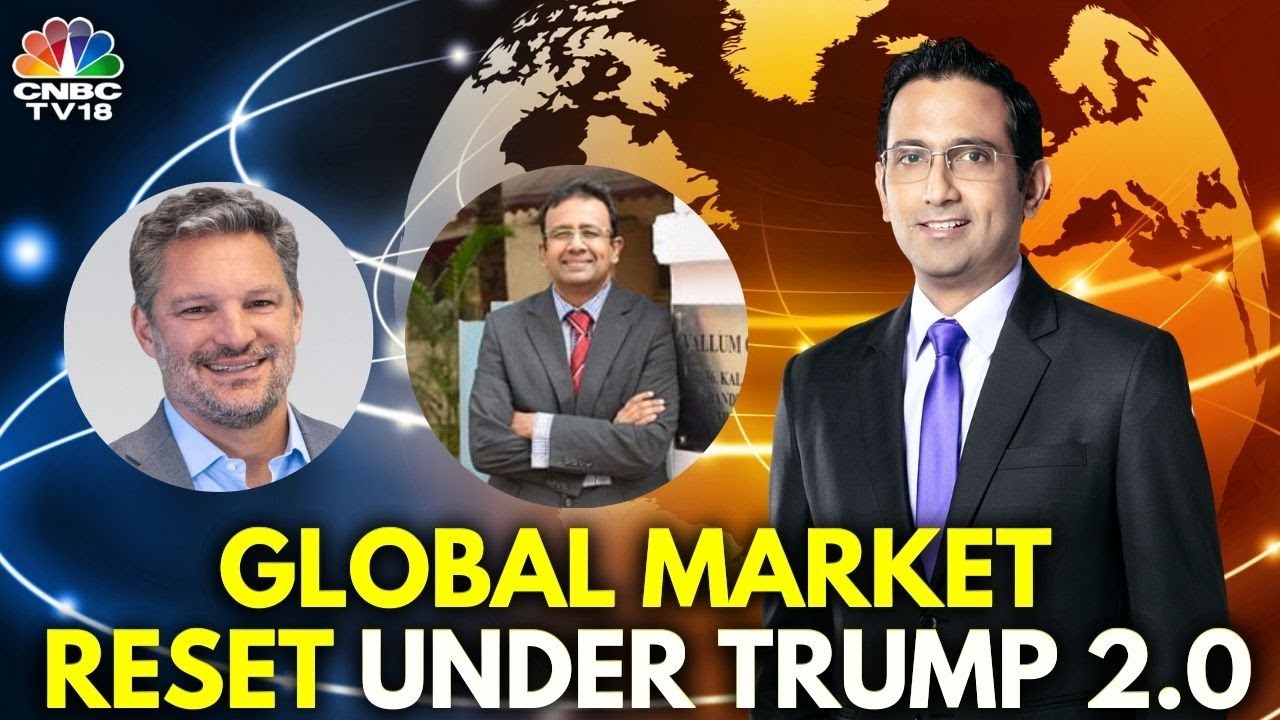
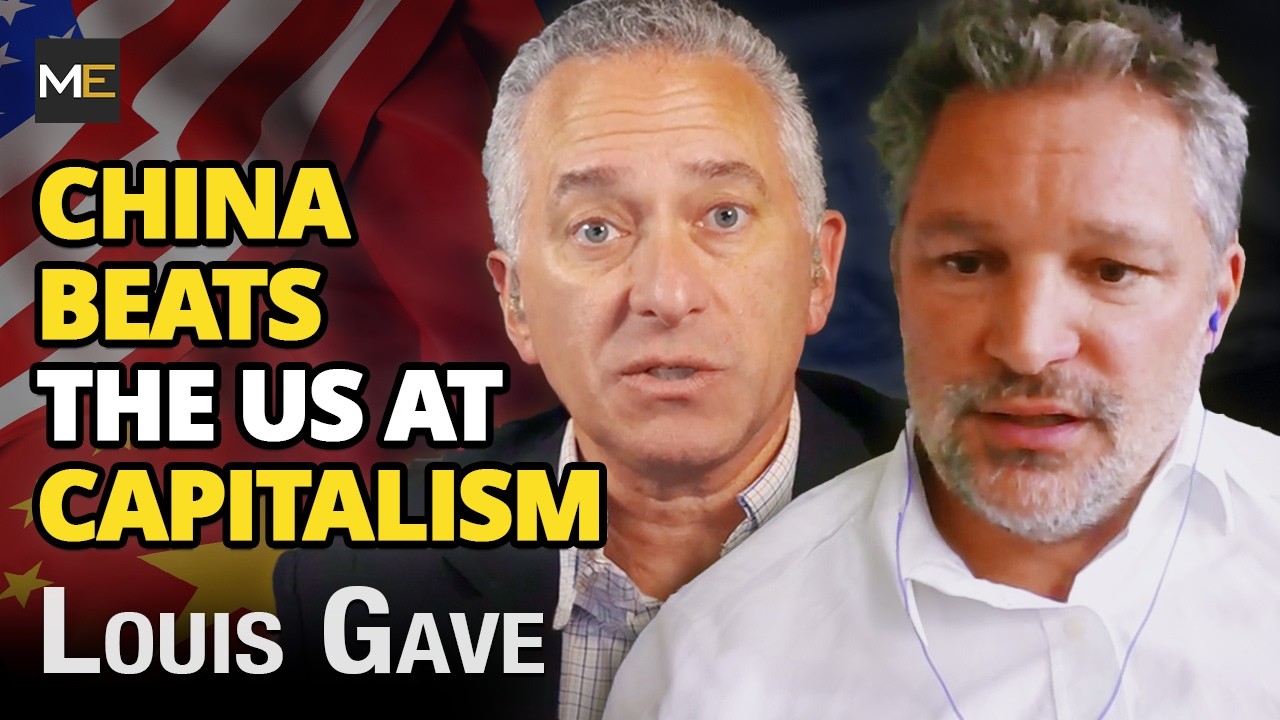
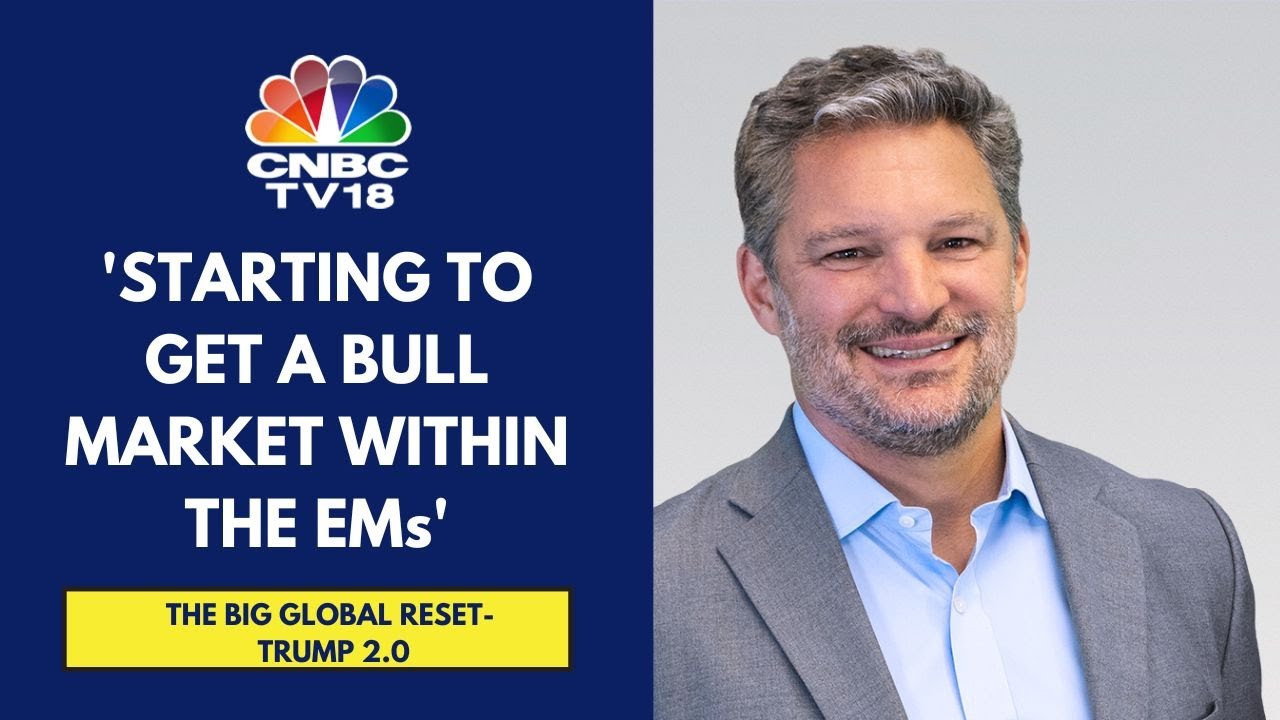
hello and welcome to this special program we are calling this the global reset under Trump 2.0 I'm Prashant ner the new US Administration under President Trump seems determined to append the world order as we know it from tariffs to security alliances everything seems to be up for negotiation how does one navigate this changing environment that's the big question I have with me someone who tracks all this very very closely Lou gav is the founding partner and chief executive officer at gavel research gavel is a financial services company uh they do research in global markets Global
economics based out of Hong Kong uh gkl is widely followed for their institutional research commentary on daily Global macro events and of course some of the bigger Trends as well I also have with me Manish bandari who's director at valum Capital a fund management business based right here in Mumbai gentlemen great to have both of you here thank you very much Louie and Manish thank you thank you for hosting us thank you so much for having me having us this is a extremely interesting time lot of things everything seems to be changing it sure is
uh definitely keeping busy uh lots to lots to think of lots to write about lots to stay in business for so let's start with what is most current most recent right tariffs uh Louie how real are these tariffs in terms of their durability because the Canada Mexico tariffs and of course the 10% extra tariffs on China they seem to be motivated by uh sort of essentially stopping the flow of illegal drugs into the US right is not to raise revenues at least not that's not the stated objective so is this is this going to off
ramp at some point or you think this is here to stay these tariffs particularly I think you put it you put your finger on it um the big question is are the tariffs a tool towards achieving something or are they the end goal um I think so far there's still a lot of signs that Trump is looking at tariffs like a tool to to achieve something else now fundamentally what does Trump really want to achieve um I think the first goal right now what seems pretty obvious at least to me is that contrary to Trump
1.0 who kept tweeting about uh you know the stock market making new highs and what they're really worried most about is three things they want to get the bond yield down they want to get the US dollar down and they want to get the old price down and pretty much every one of their Pol these policies that they've implemented now there's other things yes they want to stop the drug flow Etc but everything they're implementing is really driven by these three goals um and including the tariffs for me and I could be wrong on this
because it's very hard to predict what Trump is going to do next but for me the tariffs remain a tool and it's a tool that you're going to use to beat up America's trade Partners whether Japan whether Korea whether China and to say look guys I'm going to Tar you unless you go out and you buy us treasuries and unless you raise uh the value of your currency um I think the next few months we get a lot of this uh until basically siing ping and Trump meet in May and then we'll have a better
outlook on whether tariffs are here to stay or whether some kind of maral Lago Accord to use Scott besson's term whether some kind of maral Lago Accord gets achieved are the three things you mentioned consistent with a higher stock market um I don't think it's as much of a priority uh to be honest that's an interesting important point because I mean the general assumption is that he's very focused on the da being at a new high it's like a point of Pride but you're saying actually the target this time is not higher stock market it's
lower cost of borrowing I think so you'll notice this time he hasn't tweeted once on the level of the stock market okay you've had tweets from uh from Elon Musk you've had talks from JD Vance from Scott Besson from Trump himself on the 10-year yield and I think the reason for that is actually the setup today in the US is completely different yeah the big problem is in the second half of this year you have a massive amount of debt to roll over because remember in the second half of 2020 interest rates were at record
lows every single Us corporate went out and issued debt you know when interest rates were below 2% you're a CFO of a company it'd be criminal not to issue debt they all did it and most of corporate debt in the US is 5 years so now these guys all have to roll over the debt in the second half of 2025 if they roll over at much higher rates that means that capex is going to get cuts that means that employment is going to get cut to pay for the debt they have to get the cost
of debt down without that you're facing a really bad 26 and guess what happens in 26 midterm elections so take the pain up front get the lower interest rates so that the economy can be rebounding by 26 on the back of lower energy and lower um interest rate cost okay let's just complete the Tariff Point sure so I think average tariffs into the US are 2 and a half% 3% somewhere there y by the end of the year where do you see those um that's a really tough question because I think a lot is going
to depend on those negotiations with China okay um and here they're going to be higher we don't know I think they're going to be higher because part of I think Trump's view of the world is foreigners should pay more uh now I'm not quite sure how he came to that conclusion but essentially his one of his hardcore beliefs is foreigners have been uh taking advantage of the United States and they need to pay more and a lot of these policies like the golden visa thing where we're you know foreigners are going to pay $5 million
to move here even though you already have an eb5 Visa that cost $800 ,000 and only 2,000 people take a year um somehow millions are going to take the $5 million option U there is this perception of foreigners have to pay so yes there will be higher tariffs the big question is will it be marginally higher so you say 2 and a half% will it be 10 will it be 12 if that's the case that can sort of come out in the wash like if you got a 10% across the board that's not going to
throw the global or the US economy off the rails if you move to 2530 then all of a sudden that's much more problematic for Global growth okay let's talk about uh what is important for emerging markets as well which is the US dollar you're saying he wants the dollar lower and so far it seems to be working yes eels are down I think about 50 60 basis points in the tenure over the last one one and a half months dollar is lower as well the broader dollar what's your sense uh Lou here well look I
think um when you look at treasury secret Scott bessent treasury secretary bessent his very first thing when you got into his new office was to first thing he did was to pick up the phone to call his um his Japanese counterpart and to essentially tell him look the yen is too low which it is the yen is ridiculously low if you spend any time in Japan you know it used to be that if you went out for dinner in Japan you'd have to check your bank balance to make sure you could afford dinner um and
now you know you go there and you know things are really really cheap so bottom line is you know the US does want a revaluation of Japan does want a revaluation the Juan the Korean Juan does want to revaluation of the REM andb that's going to be you know obviously on the table uh with the discussion with C Jinping in May um I think there's a good chance that that gets achieved because all these currencies are today massively massively undervalued uh the US dollar is is very expensive you know you go travel in the US
today for most of my life traveling to the US uh was a you know decent value experience today it's completely out of whack relative to everywhere else in the world yes the US has to come down it's too high Louis uh isn't it quite conflicting that you are shrinking the you're doing the fiscal consolidation and there is a possibility of a dollar going down you're just talking your way through or you really want to implement you can really push this through yeah that's uh that that's a great point to your to you're absolutely right to
highlight that usually fiscal consolidation you know you tend to have a bit of of of a stronger currency now having said that you know in the past two years you had massively procyclical fiscal policy in the United States and the dollar still still went up because you know at any one time I think you have many factors can impact a currency yeah um and in recent years the biggest Factor impacting currency has been interest trade differentials because the US yields were going up US dollar was going up um if they're going to be successful in
bringing yields down then partly through Doge partly through Cuts in government spending maybe a little less issuing some treasuries than the market had expected maybe arm twisting China Japan to buy more bonds little bit of this little bit of that get yields a bit lower I think the US dollar does does roll over from the current level of overvaluation I I think it's happening actually it's already starting you know and I think it'll be good news for flows into Capital flows into Emerging Markets if that would have happened as well of course I mean the
other stuff is will play out as well uh the other thing is the market here in India has been weak I mean I think the market here in India and the US have been very very tightly correlated two best performing large markets in the world last few years but here we've started to pull back us I mean the S&P is just under 5% away from its all-time highs do you think we are we're starting a correction in the US as well especially large large cap Tech which actually is the only space which has mattered which
has driven the US hard performance is a top in there your thoughts yes no I look I think uh we've just had a massively important event with deep seek um deep seek uh changes the world we live in um you know it changes it on many different front first until deep sea came around the perception was that the US could contain China technologically uh the fact that China all of a sudden shows that it's at the same level on artificial intelligence as the US shattered this illusion the second reason it mattered is that up until
10 minutes ago the widespread belief was that uh all these huge ma Mac 7 these big cap tech stocks could in essence build monopolies for themselves through unprecedented Capital spending that if you wanted to play at the AI table you needed to put 50 billion a quarter on on the table as your auntie um deep seek has also shattered uh this belief and so all of a sudden the idea that you can spend your way into building a monopoly for yourself into building ever bigger Moes uh has been completely completely undermined um and I think
with that you have started to see a rotation in the market where indeed investors start to say well hold on if Microsoft Google Amazon if they're not going to be the massive monopolies I thought they were do I still want to pay 35 times earnings 40 times earnings especially if at the same time you're starting to get other stories around the world now you pointed out in recent years there's been only handful of stories they were really three it was gold US tech Indian uh equities that was it like anything else you did was kind
of lame but now what you've seen is while the US starts to fiscally tighten with Doge China is fiscally easing and starting to do a lot of pro consumption uh measures Europe is fiscally easing and so as the fiscal easing shifts from the US to China and Europe L and behold us and Europe sorry China and Europe start to outperform all of a sudden there's other things to do in the market maybe I don't need to just own Microsoft at 35 times earnings there's other exciting things to do there's some very interesting Graphics as you
talking as well from your research which you're putting out for for our viewers we will continue this conversation Lou and want to sort of connect that with flows as well right I mean there's always this debate whether when money goes into China most of we get our money through em funds yes so if China gets money we get money or is it I mean you know uh one at the expense of the other we'll sort of ask you that let's just take a quick commercial break here we're going to come back continue this very interesting
chat with Louie