electric vehicles have gained unprecedented Traction in recent years promising a cleaner more sustainable future for transportation however as the number of electric vehicles on the road continues to Surge a critical challenge looms large the EV charging infrastructure problem today in 2024 we stand at a pivotal moment in the evolution of Electric Mobility we will unravel the complexities of the EV charging infrastructure problem offering a comprehensive analysis of the current state of electric vehicle charging infrastructure and exploring the barriers that hinder the widespread adoption of electric vehicles the existing EV charging infrastructure is a complex mix
of public private and home charging options the most viable part of the charging infrastructure public Chargers are often located at shopping centers parking garages and highway rest stops however they can be slow expensive and incompatible with certain EVS many workplaces hotels and even apartment complexes are are now offering private charging stations for their employees and residents while convenient these stations are scarce and difficult to find if you're not part of the community hotels and resorts are increasingly offering charging stations for guests with EVS allowing them to charge their vehicles overnight or while they're away from
home some employees are installing charging stations in their parking lots offering employees a convenient way to charge their EVS while they're at work this is particularly beneficial for those who who don't have access to charging stations at home with the increasing number of people living in apartments condos and town homes there's a growing demand for charging infrastructure in these multi-unit dwellings many municipalities are now requiring that new construction include EV charging stations but retrofitting existing buildings can be expensive and challenging companies with large fleets of vehicles such as delivery Vans and taxis are investing in
charging infrastructure to support their transition to electric vehicles this will lead to significant cost savings and reduced emissions over time the distribution of charging stations varies widely depending on the location and level of investment in the charging infrastructure cities are generally well served by public charging stations especially in areas with high concentrations of EVS however competition for available Chargers is intense and some public Chargers are slow unreliable or incompatible with certain EVS charging infrastructure is often limited or non existent in rural areas making it difficult for Ev owners to travel long distances without having to
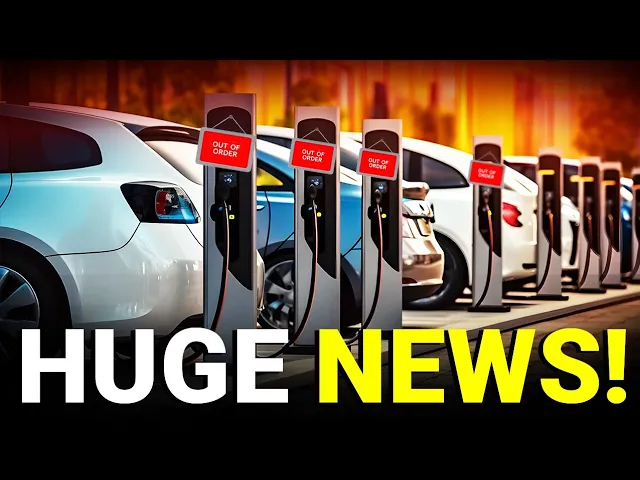
plan their routes carefully around available Chargers the fear of running out of charge before finding a charging station is a major deterrent for many potential EV owners especially in areas with limited charging infrastructure while public fast Chargers can recharge an ev's battery in as little as 30 minutes many public Chargers are slower meaning that EV owners may have to wait hours to recharge their vehicles also some public Chargers are unreliable with broken or malfunctioning equipment this is frustrating for Ev owners who may need to drive out of their way to find a working charger there
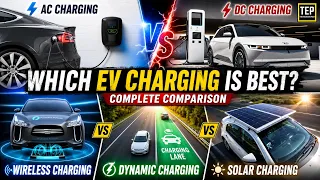
are some latest advancements in charging technology that help to alleviate range anxiety and other limitations of the current infrastructure new fast charging Technologies such as 150 KW and 350 KW Chargers can charge an Eevee's battery in as little as 15 minutes this could make long-distance travel with EVS more practical and convenient inductive charging also known as wireless charging allows EVS to recharge by parking over a charging pad while still in the early stages this technology would eventually eliminate the need for cables and plugs making charging even more convenient inductive charging would eliminate the need for
cables and plugs making it easier and more convenient for Ev owners to recharge their vehicles especially in residential settings while early wireless charging systems were relatively inefficient newer systems are much more efficient with some claiming over 90% efficiency however there are still some losses due to heat and electromagnetic interference wireless charging infrastructure is still more expensive than conventional charging infrastructure which will limit its adoption in the short term wireless charging combined with v2g technology will allow EVS to function as mobile energy storage devices feeding energy back into the grid when it's needed and recharging when
electricity is plentiful this will help balance out the grid making it more efficient and reliable also wireless charging would potentially be used in public settings such as parking lots and garages however the cost of installing and maintaining wireless chargers in public spaces remains a significant challenge government policies and incentives also play a crucial role in expanding EV charging infrastructure governments at all levels are offering grants and Loans to support the installation of charging stations in public and private locations for example the US Department of transportation's National Electric Vehicle infrastructure in evi program provides funding to
states to install public EV Chargers along highways governments are also enacting regulations and standards to ensure that charging stations are reliable compatible and accessible to all EV owners they are working with private companies and organizations to promote the adoption of EVs and the expansion of charging infrastructure for example the US Department of Energy's vehicle Technologies office has partnered with automakers charging station operators and utilities to develop best practices and standards for EV charging the development of charging infrastructure will lead to significant economic opportunities in several ways building and maintaining EV charging stations will require a
wide range of workers from electricians and construction workers to maintenance personnel and customer service Representatives the expansion ntion of charging infrastructure will create new business opportunities for companies involved in the design installation and operation of charging stations the growth of EV charging infrastructure will also stimulate growth in related Industries such as energy storage renewable energy and Battery manufacturing with more charging stations available EV owners will be more willing to travel to new destinations bringing economic benefits to tourism dependent regions developers and property owners are realizing that EV charging stations are a valuable amenity helping to
attract tenants and increase property values adding EV charging to buildings will help them earn Green Building certifications such as lead which would increase their market value hotels restaurants and other businesses can attract EV owners by offering charging stations creating an additional Revenue stream and increasing Customer Loyalty areas with abundant EV charging stations have become popular destinations for EV road trips creating new economic opportunities for small towns and rural areas the widespread adoption of EVS supported by robust charging infrastructure will have a significant positive impact on the environment EVS produce zero tailpipe emissions meaning that they
don't contribute to local Air Pollution if the electricity used to charge EVS comes from renewable sources such as solar or wind power the environmental benefits can be even greater as more EVS are plugged into the grid grid The increased demand for electricity will create an incentive for utilities to transition away from fossil fuels and towards cleaner energy sources the transportation sector accounts for a large share of global oil consumption by switching to EVS countries will reduce their dependence on fossil fuels and mitigate some of the geopolitical risks associated with oil imports the shift to EVS
will reduce emissions of harmful pollutants like particulate matter and nitrogen oxides leading to improved air quality and reduced health risks for urban populations EVS are much quieter than gasoline powered cars reducing noise pollution in urban areas this will lead to better sleep improved mental health and increased productivity among residents by reducing greenhouse gas emissions the shift to EVS will help mitigate the impacts of climate change including more frequent extreme weather events sea level rise and disruptions to Agriculture and ecosystems we've explored the challenges and opportunities associated with EV charging infrastructure and now it's time for
us to take action it's essential to recognize that the transition to EVS is not just an individual choice but a collective effort governments businesses and individuals all have a role to play in creating the necessary infrastructure and supporting policies that will enable the widespread adoption of EVS as we move forward let's continue to engage in conversations about the future of Mobility advocate for policies that support sustainable transportation and embrace the changes that will help us build a cleaner healthier world for generations to come don't forget to like and share this video with your friends thanks
for watching [Applause]