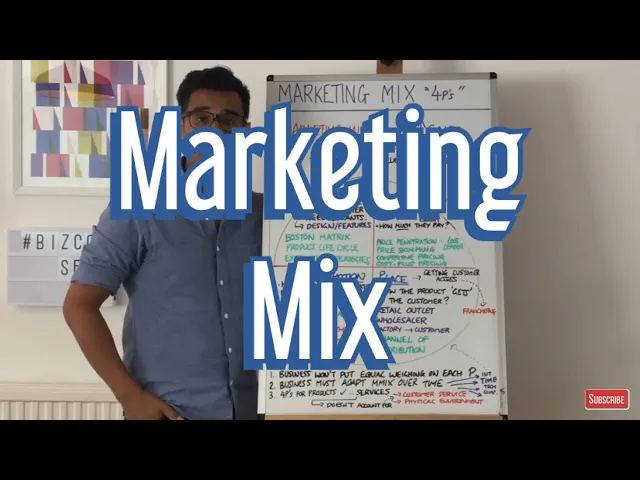
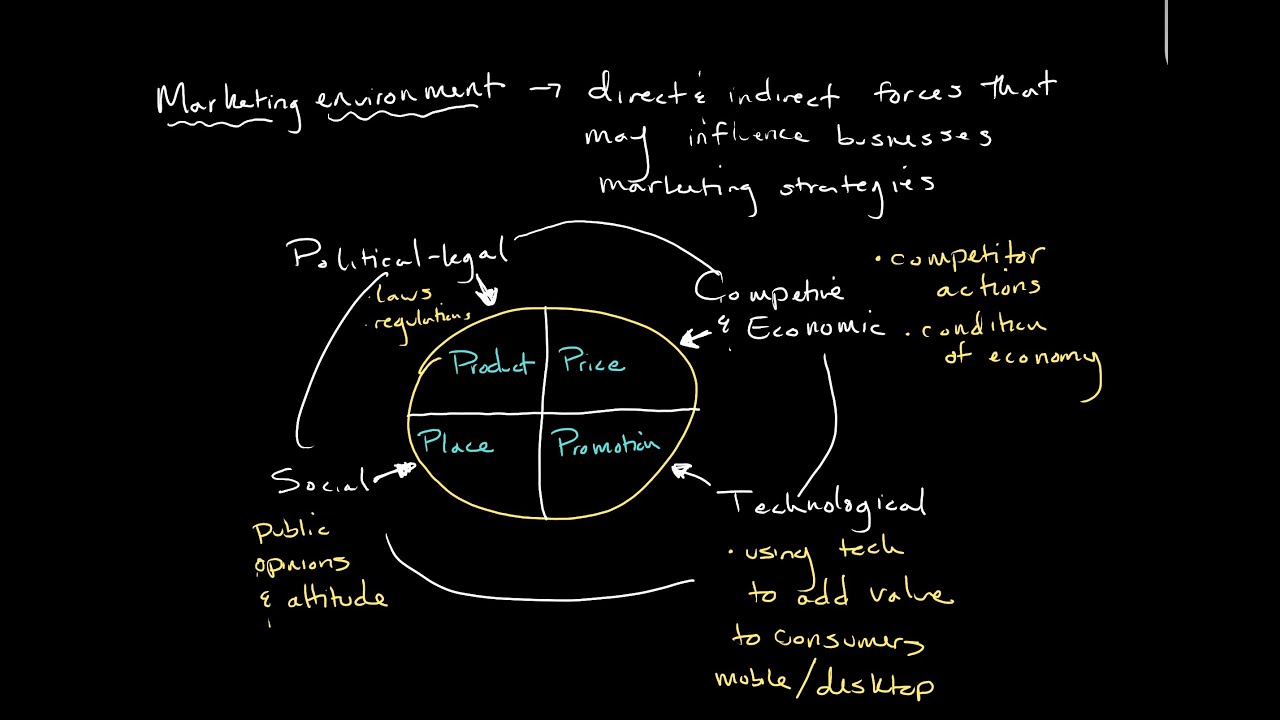
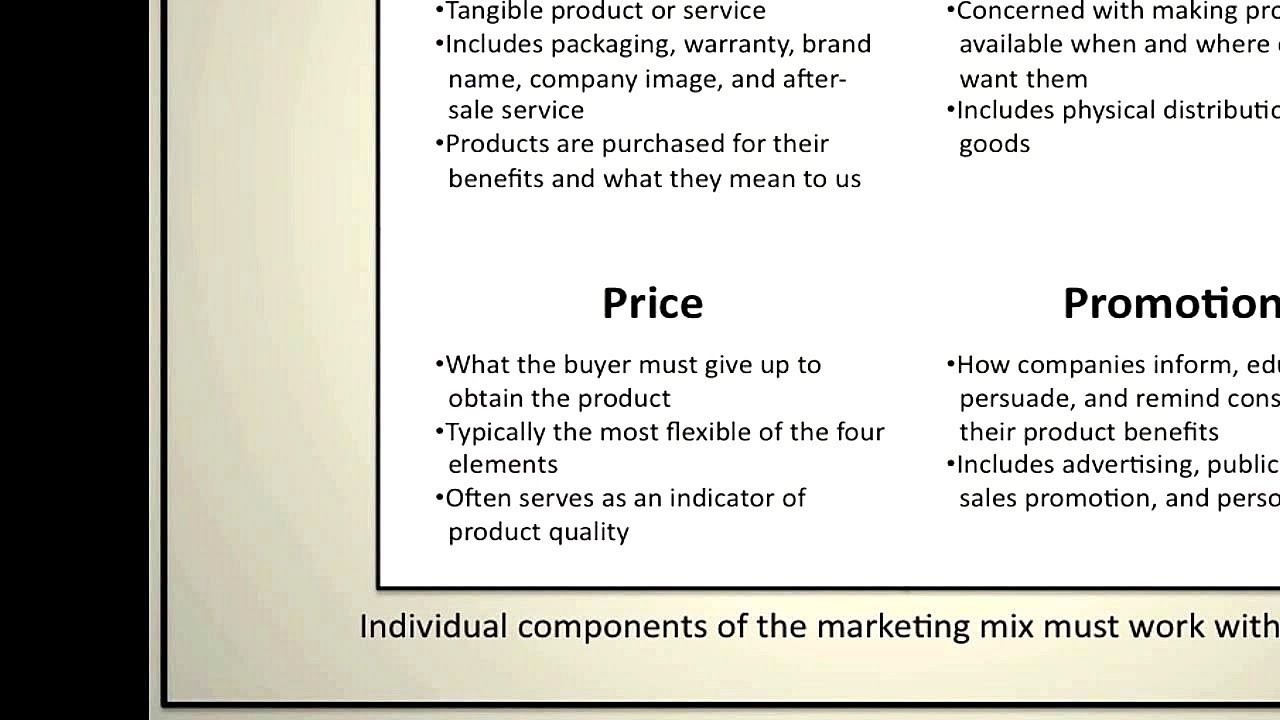
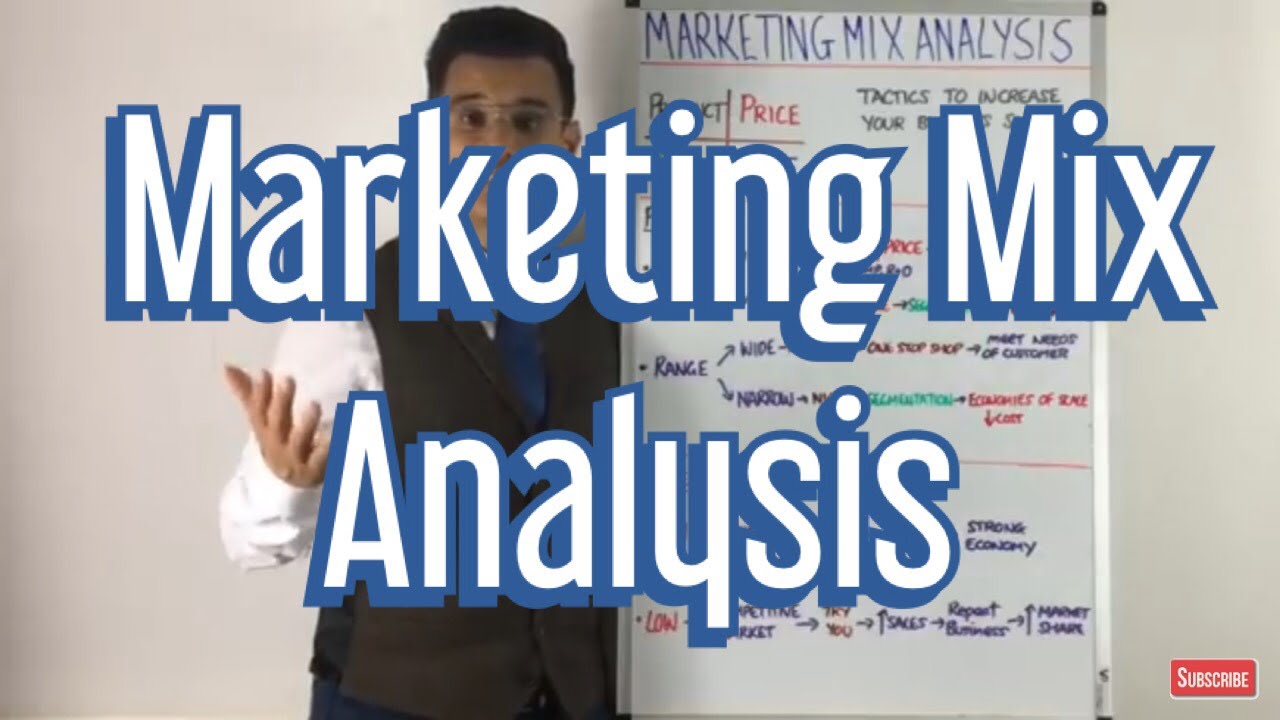
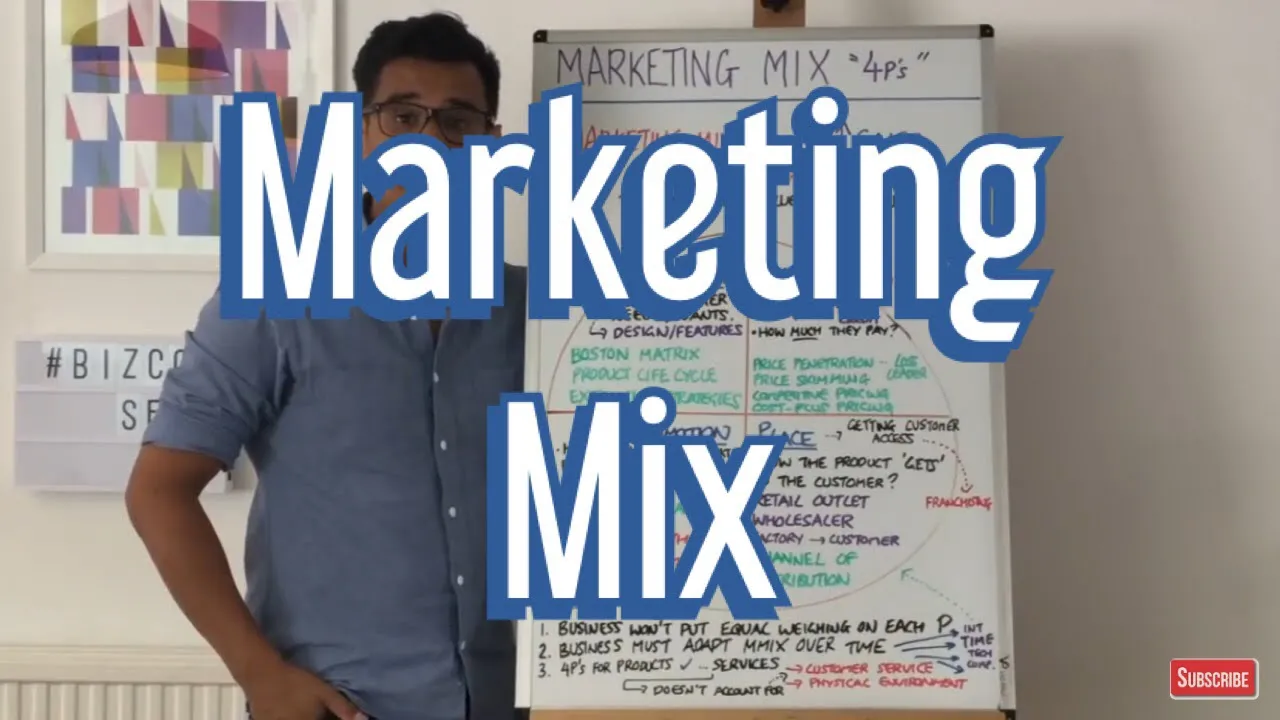
let's have a sesh on the marketing mix so the marketing mix was first coined by this guy called Neal Borden and he came up with this idea that there's this mixture or mixing of marketing factors that can affect your sales and basically all the marketing mixes is your tactics for how you're gonna increase your sales for your business but the four keys are basically the four best tactics you can use and those tactics are product price promotion place so they are the top four tactics you can use which is your marketing mix in order to
increase your sales so the first of the four piece is product and price is about meeting the customers needs and one so giving them what they want that could be certain design certain features or certain specifications for example but many companies they don't just have one product they have many products a range of products and that effectively is what your product portfolio is it's your range of products that your business sells we know that Apple sells a whole range of trucks from iPods to iPads to Macs and each of those products will sit in a
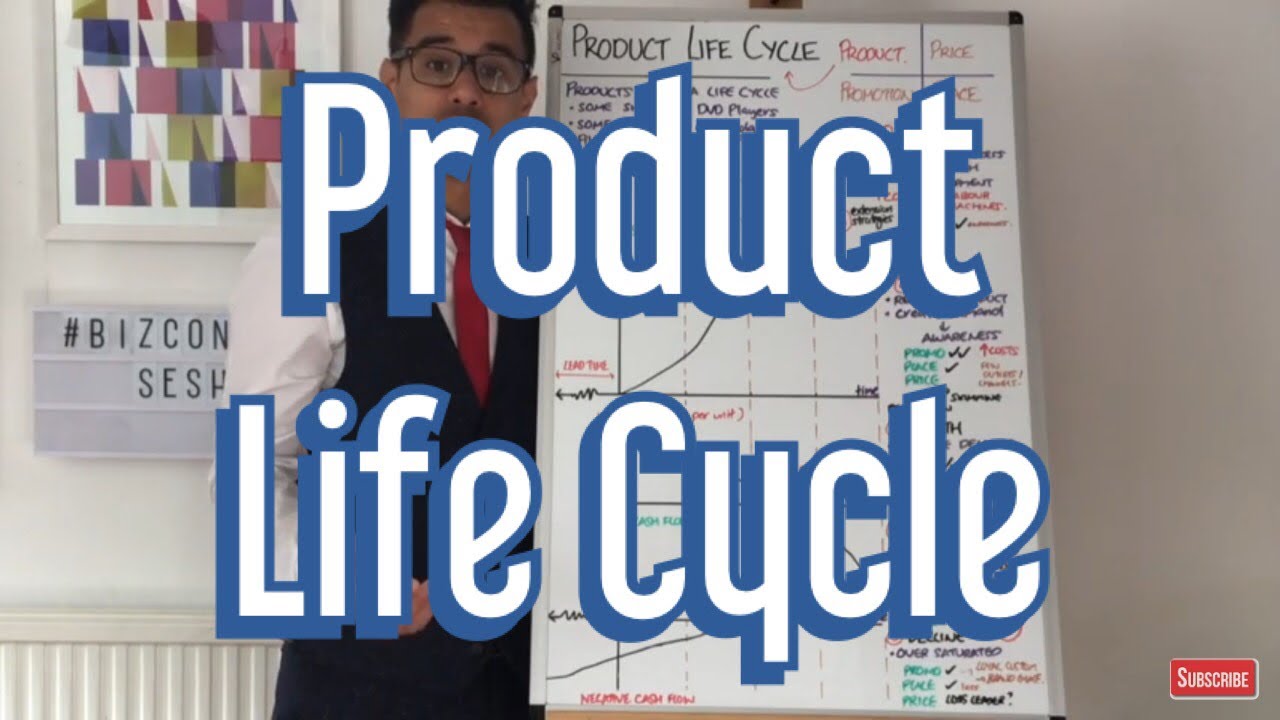
different area of the Boston matrix please check out that video but the Boston matrix is essentially what your market share is and the market that you're working in what the growth is of that whole market the product life cycle is about each of the products in your product portfolio and where they exist within it because each product goes through a life cycle you think they will start in the development phase where the product has to be created and once it's created it will have to be introduced to the market and once it's introduced to the
market and consumers like it then hopefully we'll go through the growth stage and the sales of that product will grow and then it will grow until it reaches a basically a state of maturity where you've saturated the market you've maximized the possible sales you can make and then after that maybe due to technological advancements you think about the iPod and why it's anymore that's moved into the final stage that is the decline stage where your sales are reduced if you're in the decline stage you might want to take on an extension strategy some sort of
rebranding repackaging of your product to try and drag out as many sales as you can before the inevitable death of your product but that's all product everything in green here remember that's just another video or I go into each of these topics in more depth going on to price is about how much your consumers will pay for a certain good but you might want to do different tactics of your price different pricing strategies for example you could use price penetration where you'll set the price at first low and then over time or increase the price
you might use price skimming where you start with the price high and then you lower over time or you could go a competitive pricing where you look what your competitors are doing and your price in that region or you could use cost plus pricing where you work out how much it costs to make your good and then you add up a markup on top of that to define your price or a variation of price penetration basically an extreme version of it is lost leader pricing or you're actually price your product so low it's actually lower
than the actual costs of producing that products you'll be making a loss but the idea is you dragon the customers a try your products and maybe for a supermarket they might look elsewhere and buy some other things so overall you'll make a profit either way that's price but also there is how the customers will pay the payment terms not all businesses provide just captures a form of pain they might offer the chance to use a cart a bank card for example or Apple pay or in the case of business-to-business they will offer trade credit so
there might be the receipt of the goods but you might not have to pay for it until 60 days later the next of the four piece is place so place is about how the product get to the customer you get a product through a retail outlet for example to the business might move the product to a retail outlet and hope the customer buy from the retail outlet or it could be the case of a wholesaler where your customer is in fact just a retail outlet and it's the shops so it's a business to business transaction
so it's a retail shop would want to buy your goods from the wholesaler or it could be the customer buys the good from the factory whatever the route is that the product gets to the customer that's known as the channel of distribution top of that getting the customer access is basically what place is about a way that a business might get a customer access to a good is to franchise because the business might not be able to meet the customers in a certain region they don't have the finances available to do it so they might
look to franchise their business plan and look for someone to buy into that who set up the brunch in another area basically franchisee and that would be the way that they get their good or service to the customer how the customer gets access to the final of the four PS is the promo is promotion and promotions about how you communicate your good or service to potential customers basically how you make yourself visible how you make customers aware of your product there are many different ways and methods you can use for promotion it is not just
advertising but advertising is a big component of the promotional mix but there are other methods for example PR for example promotions and many others that you should check out on my promotional mix video the final thing I'm going to look at is an analysis of evaluation for the marketing mix some things to think about if you have to answer a question on the marketing mix so one is that although it looks like this is sounds like a crazy pizza that split into four equal parts businesses will often not focus equally on each of these four
piece there tactics might be skewed towards one thing think about poland's pound lab focuses extremely on price so price is a big of their marketing mix their strategy in order to get sales they rely on that idea that they said everything for a pound and they Provo off of that so maybe these are the two big factors for that particular businesses but other businesses it will be different so the key is don't think it's 25% 25% 25% for each of these some will have a stronger emphasis number two is that a business must adapt its
marketing mix it must adapt its tactics over time think about these examples one is that if you move internationally then you might need to have heavy focus on place because if you decide that you're going to move your business to another region you're gonna have to work out how you're going to get that good to your new customers in that new geographic region and the next is time because over time certain goods go through that product lifecycle and therefore you might adapt your tactics your marketing mix because think about DVDs DVDs are certainly in the
decline stage now but when they were in the growth stage they would have been heavily promoted but now they're in the decline stage it probably makes less cost sense in order to promote them as hard because let's face it they're not likely to sell as many now and it might involve doing more expansion strategies or in my involve lowering the price now just to make sure you sell those remaining DVDs as a business that you have produced so you've adapted your tactics to the situation adapted your marketing mix technology closely-related any technology that has moved
through those prime lifecycle stages you will adapt accordingly if you're in the introduction stage it's likely you're going to promote heavily at that point and maybe if you're a tected you might think about price penetration to get people try your goods or if you create brand loyalty when you're in the maturity stage think about iPhone maybe you want to use price skimming because you want to those customers that are so brand loyal to you maybe you will charge a higher price initially when you release a new iPhone for example and that you could argue is
an extension strategy in combination with price skinny and finally competition because your competition might do some heavy promotion so you need to react to that and therefore you might have to do even more promotion so you've had to adapt your marketing mix your tactics to your competition and number three in terms of analysis and evaluation is these whole four p's was really it came about on the emphases of goods but businesses don't just sell goods they also sell services so you might think that a limitation of these four pieces it doesn't think about services enough
it gives no it gives no respect to customer service it gives no respect to the physical environment if you go to a restaurant for example you want the route you want the decor to be lovely when you're sitting there or a very very McDonald's you want the process to be good you know when you go to the dance part the reason why you spend money there is that you you know you just now you just go on the computer you type in what you want and you collect it within five minutes that process is so
quick that's partly what is increases the sales of McDonald's so marketing mix thinking tactics but just be aware needs a change over time need to evolve and services they need to go further than these four p's you need to be thinking about other stuff hope that helps the marketing mix please check out all the videos on the topics that are in green on this board and good luck of your exam