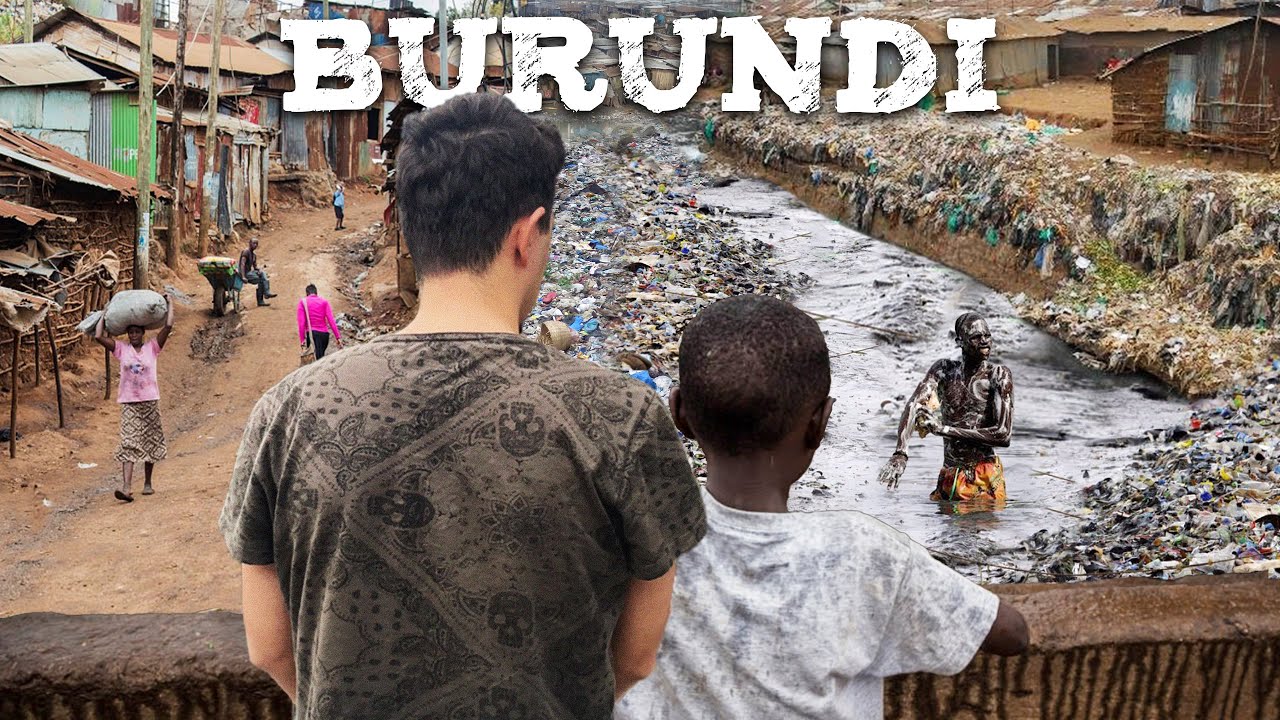
the garbage eating Nation where women will satisfy all your needs for just $3 life in poor Bundi can you imagine living in a place where the standard of living is less than $1 a day that's Burundi the poorest country in the world and one of the most unfortunate places on Earth people in Bundi live an entire year with the same amount of money an American might spend in a single day or a Spaniard might spend in a week this is a country with no electricity no internet and no basic conveniences we often take for granted while Burundi May lack the Comforts of Western countries it offers some peculiar and fascinating things you won't find anywhere else in the world so what makes Burundi despite its poverty still admired by the rest of the world join me as we explore and uncover the hidden secrets of Burundi in today's video number 12 in Burundi everything requires patience one of the biggest challenges of living and working in Burundi is adapting to the very unique time culture there if you're someone who values decision and punctuality you'll need to practice a lot of patience in this country almost every appointment from business meetings to social Gatherings is delayed sometimes very delayed if someone tells you here I'm on my way be prepared to sit and wait for at least one or two more hours this isn't an exception it's a part of the local culture where time seems to never rush and if you go to a restaurant the staff might tell you just five more minutes but don't be surprised if you end up waiting 20 minutes or longer because in Burundi the concepts of of time and punctuality are quite foreign things are done slowly not because of a lack of productivity but because people value patience and don't feel the need to race against the clock to them doing things thoroughly and carefully is more important than finishing quickly even if it sometimes frustrates those who aren't used to this pace this might make you feel like you're living in a different time zone compared to the rest of the world in other places being late is seen as disrespectful but in Burundi delays are almost normal and everyone accepts it number 11 customers are not always Kings usually when you call a company or service you can request an item or sign a rental contract and within a few hours everything you need will be delivered right to your door even to your office but in bndi things are not that simple if you want to bring business or money to a company or organization you must take full initiative in all situations this might feel confusing and even frustrating at times for example if you want to rent a restaurant space for a party you'll have to bring all the paperwork contracts and money in person on top of that you'll need to schedule an appointment and everything will depend on the supplier's convenience if you annoy them or don't follow their process exactly you could be immediately turned away even if you're ready to pay this situation is quite puzzling for those who are accustom to the quick and convenient Services of developed countries similarly when you visit a cafe in Bundi you might experience a rather awkward situation if the menu offers an orange and carrot juice and you mention that you can't drink orange due to a stomach issue issue they will insist on sticking to the original orange carrot recipe without any substitutions you won't be able to ask for a different fruit or just carrot juice if you press the issue they'll politely but firmly suggest you go somewhere else in Burundi consistency and process and principle seems more important than customer satisfaction even if you're dealing with a stomach ache number 10 banana beer culture one of the must TR Specialties when visiting Burundi is banana beer a unique fermented drink made from bananas a fruit that is grown here as abundantly as rice the process of making banana beer Begins by mashing ripe sweet bananas and mixing them with water to ferment creating a drink that is both sweet and mildly intoxicating interestingly in some rural areas locals use grass to speed up the fermentation process a traditional method that can't be found anywhere else after a few days of fermentation you'll have a cloudy slightly alcoholic banana beer with a distinctive and Unforgettable taste banana beer is not just a simple refreshing drink it is also a part of burundi's culture it is a beverage that people share to enjoyful moments with friends and family you'll see them drinking banana beer during festivals or even just in casual happy conversations if you ever have the chance to visit don't forget to try banana beer with the locals you'll experience the genuine down to earth feel in every Sip and gain a deeper understanding of the unique sense of community in Burundi it will surely be an unforgettable experience allowing you to feel feel the strong bond between people and nature besides banana beer living in Bundi requires extraordinary physical and mental strength as seen in how they transport bananas one of burundi's main crops you'll often see Farmers transporting massive Bunches of bananas not on modern trucks but on bicycles adapted to carry hundreds of bananas along rugged dirt roads through steep hills despite the difficult terrain the people of Burundi continue to transport bananas their main commodity with determin ation to provide a better life for their families these banana carrying bicycles have become a symbol of resilience representing the people who never give up in the face of challenges in such harsh conditions these bicycles are living proof of the extraordinary will and spirit of the people of Burundi this shows you that despite living in a country with so many hardships the people of Burundi maintain an optimistic spirit and belief in life while they may lack material wealth they are rich in spirit and culture number nine pedestrian priority traffic in Burundi is truly a unique experience compared to places with modern Transportation Systems one of the first things you'll notice when walking on the streets is the lack of traffic lights this doesn't mean the locals don't know how to drive in fact they are quite skilled at yielding to each other traffic awareness here mainly relies on mutual respect and a bit of intuition to understand what others are doing at times you'll witness an interesting scene such as at an intersection where two cars simply look at at each other for a moment and then each driver yields to the other causing a traffic jam behind them but instead of loud honking or harsh words the drivers in Bundi usually just smile or gently say come on let's wait a bit it feels like everything is happening slowly and peacefully no rush no tension another remarkable aspect is the respect for pedestrians if you enjoy walking and happen to be on the streets of Burundi you'll be pleasantly surprised when drivers see you walking from afar they naturally slow down to give way this happens almost instinctively without the need for any formal rules and if you forget to look before crossing the street you won't hear a horn blaring or a driver yelling at you they'll simply remind you kindly saying next time be more careful Crossing like that is dangerous this makes you feel a little guilty and more cautious every time you step out onto the road what's most special is that in any situation pedestrians are always given priority in Burundi drivers never rush to pass a pedestrian but patiently wait until the person can cross safely this is very different from many places around the world where walking on the street sometimes feels like a battle with vehicles number eight no fights when you first step onto the streets of Bundi you might be startled by the loud shouts of a group of young people shoving each other they charge at each other big and muscular like a real rugby match and you might think you're witnessing a Big Brawl but don't panic when you look more closely you'll realize this is just their playful fun they shove each other harmlessly as as if they're playing a traditional Sport and the shouting is just the drama of the game interestingly despite seeming very angry and red-faced none of the group members are actually fighting at the end of the day when they're done they simply disperse without any actual confrontation if you're new to the local culture this might feel unsettling but in reality this is just how burundians Express their friendliness and sense of community Through physical games after staying longer and learning more I came to understand a fascinating reason behind this Behavior the laws in Bundi are very strict when it comes to petty theft or fighting if someone breaks the law the punishment can be severe which makes people more inclined to control their temper and resolve conflicts in harmless ways they always try to maintain peace and avoid violence because any conflict could lead to Serious consequences so these fights are actually just social workouts for the local youth instead of fighting they choose to shove and yell as a way to release stress and show their masculinity without worrying about facing legal consequences if you happen to witness one of these scenes don't be quick to judge just understand it as part of the local culture and you'll likely find it much more interesting once you understand the context number seven no nighti Burundi is a country where things that seem impossible in developed nations are simply normal if you visit one of the first things you'll notice is that power outages lack of water and no internet are very common this happens not only in remote areas but even in the capital city binur now GGA life is not much different from rural areas after 600 p. m. the city seems to enter a different world all activities stop completely there are no lights no stores open and no restaurants or convenience shops where you can find a drink you'll find yourself in a tranquil space So Silent you can hear the sound of your own footsteps on the empty streets even if you try to find a place to buy water you'll face the reality that everything is closed in the pitch black darkness you might feel like you've wandered into to a far away village where time seems to stand still and you are the only one still moving through a world that's asleep without electricity water or the internet you'll realize that life in Burundi is not tied to the hustle and bustle found in other places the locals don't rush they don't wait for modern conveniences instead they slow down appreciating every moment whether it's lacking or difficult if you plan to travel to one of Africa's poorer countries be prepared to adapt to a very different pace of life where what you consider normal is a luxury for me when I left Burundi I felt a strange sense of nostalgia not because of the lack of resources but because of the peaceful feeling in a world without technology or fast-paced life how could you not feel something special when you see a child smile not because they're holding a smartphone but simply because they're playing with their friends in the dim light of a candle these seemingly fairy tale like moments in Africa are the unforgettable memories I carry with me number six asking for help everywhere in Bundi one of the most common habits you'll encounter is asking for help and if you think only the poor ask for help you're mistaken even well-dressed office workers with decent monthly salaries might still ask you for anything they want you might meet a man dressed neatly talking politely and then suddenly hold out his hand asking for money or help it may seem unbelievable but it's actually quite normal here one common asking for help story you'll hear is my car broke down today I don't have money to fix it can you help me if it's not the car it might be my parents just passed away could you give me some help everything might start gently like a pitiful plea but this has become an Inseparable part of daily life in bndi and soon you'll realize that the little story they share is usually just an excuse to ask for financial help an interesting thing is that whether you help or not the person asking won't feel upset or annoyed they understand that it's your choice to give or not and there's no feeling of pressure in bndi helping each other is a good thing but no one one will blame you if you refuse everything seems to be handled with ease with no judgment if you're looking for a reason to avoid being asked all the time you might be disappointed the people of bindii have a simple belief if they can ask it's good you can refuse once or twice but you'll soon find that they'll come back with a new story a new excuse and next time you might feel like you're in a game trying out creative or even humorous ways to respond such as I just bought a new car I'm out of money can you help me in fact over 70% of the population in Bundi lives below the poverty line with an average income of around $900 per year a very low figure compared to Western countries this helps explain why asking for help has become a part of the country's social culture as many people genuinely need assistance to get through daily life number five Burundi coffee is a specialty in addition to bananas Bend's coffee is also a proud Agricultural Product of the country thanks to the idea climate and fertile soil coffee plantations spread across the high hills of Burundi producing top quality arabica beans Burundi coffee is known for its unique and rich flavor making coffee experts from around the world admire it despite being a poor country burundi's farmers can produce high quality products that are recognized globally burndy coffee stands out due to the traditional processing methods and meticulous care taken in each step of production from selecting the beans to roasting and grinding delivering a refined and Unforgettable coffee experience as a result Bundi coffee has been gaining International recognition and is a source of Pride for the country in addition to coffee one of burundi's cultural trademarks is the Royal drums these aren't just ordinary drums but drums carved from Tree Trunks and stretched with animal skin in burundi's history these drums have not only been musical instruments but also symbols of power and sacredness they frequently appear in festivals rituals and especially Royal events to play these drums a man must not only be talented but also come from a special lineage with a high social status drums are not just part of Music they're an important part of burundi's cultural tradition showing respect for ancestors and historical values drummers not only showcase their skilled craftsmanship but also preserve and pass down cultural values to Future Generations this shows that although Bundi is a country with a struggling economy its people don't just produce high quality agricultural products they also possess a rich and diverse culture from coffee plantation Royal drums each product and ritual carries stories and deep historical values reflecting the spiritual strength and pride of the burundian people number four the poorest country in the world life in Burundi the poorest country in the world is undoubtedly a huge challenge for those accustomed to the modern comfortable way of life most people here don't have permanent homes and they live in makeshift Huts made from sticks grass leaves or even mud these simple shelters often don't have BS so families have to sleep directly on the floor it may sound harsh but fortunately burundi's tropical climate is rarely cold at night making it more bearable to sleep Outdoors interestingly despite living in a globalized world with digital connectivity the people of Burundi live in a completely different way only about 7.
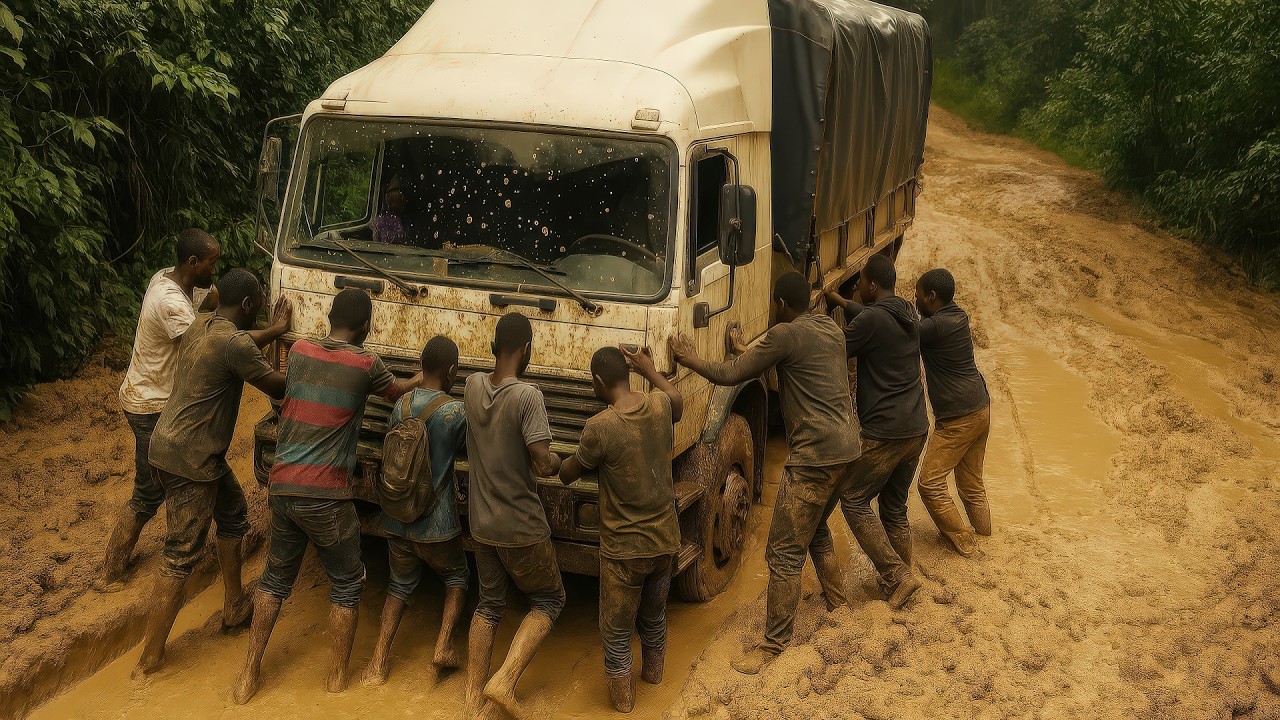
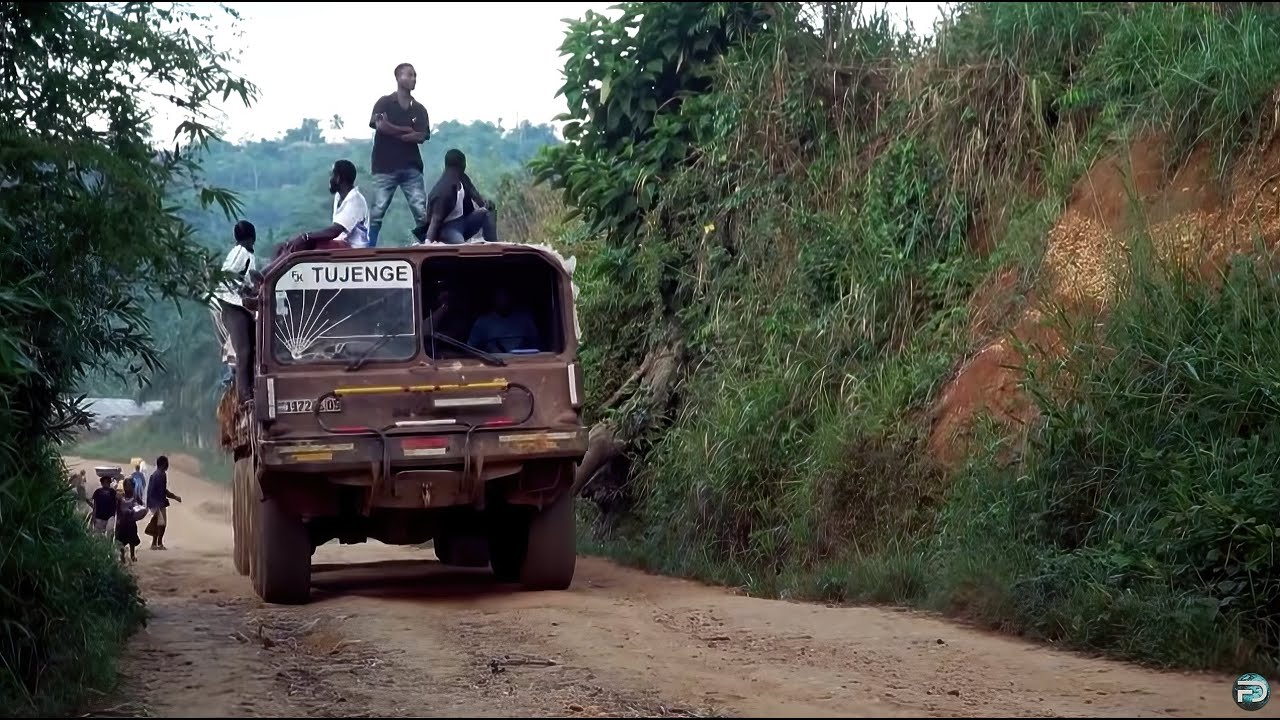
6% of households have electricity and the internet access rate is even lower at just about 3% if you need to charge your phone you'll have to take it to a charging station while in another Count's internet access and phone charging are incredibly simple in Bundi they are considered luxuries you'll feel the unusual Stillness as nightfalls no street lights no vendors and the city resembles a distant remote Village if you visit Burundi one of the things you'll have to get used to is the mode of Transport in places where cars buses or planes are common you might hesitate to travel by bicycle or even walk but for most people in Burundi walking is the primary mode of Transport bicycles are considered a luxury equivalent to a Mercedes-Benz or BMW in developed countries the most common form of Transport is the pig cage of small minibus with no seats and a ride costs only about 10 cents however many people in Burundi refuse to use this Transportation because they don't want to endure cramped and uncomfortable Journeys they would rather walk more than 10 km than be squeezed into such a vehicle aside from Transportation challenges the infrastructure in Burundi is extremely limited there are no high-speed railways and even concrete roads are rare most roads are dirt paths which can become muddy when it rains in rural areas there is no clean water and people have to collect water from nearby Wells which sometimes isn't safe to drink unless boiled first during the rainy season water shortages become even more severe additionally life in Bundi seems to stop after 600 p. m. those from large cities where street lights and evening activities are always bustling we'll notice a stark change upon arriving in bndi after 600 p.
m. shops close there are no Street vendors and you won't find bottled water anywhere a tourist named Jessica shared that when she was in Bundi Darkness would envelop everything after sunset with no nightlife and everything became eerily quiet and desolate she had to prepare her own water because even small stores closed early and finding water at night became a real challenge when in Bundi you'll also realize that the lack of Internet and electricity makes life much more difficult Rachel a British teacher shared her experience living in a remote part of bndi where she had to fetch water from a well and sometimes couldn't boil water due to power outages she recounted one day when the power was out for more than 48 hours and she couldn't cook or boil water this made me realize how I had taken basic Comforts for granted back home Rachel said number three the Royal drums besides coffee one cultural feature that cannot be overlooked in Bundi is the Royal drums a profound symbol in the country's history and culture these drums are not like the regular ones you might encounter in any other country they are made from sturdy tree trunks intricately carved with unique patterns that showcase the craftsmanship of traditional Artisans animal skins usually from cows or goats are stretched across the drum's mouth to produce a resonant sound Royal drums are not just musical instruments they are symbols of power and sacredness in burundian culture to the people of Burundi drums are not only used for concerts but also to summon deities creating a connection between humans and the supernatural World during festivals religious ceremonies and Royal events the sound of Royal drums always Echoes asserting the strength of past generations and preserving an essential part of burundi's cultural identity the powerful sounds from these drums create an atmosphere of solemnity and symbolize the protection of ancestors they are part of the ongoing effort to preserve Traditions With Every Beat and each time the drum sounds the people of Burundi feel the presence of their ancestors and their connection to the spiritual World in Burundi not everyone can play The Royal drums to become a true drummer a man must not only have musical talent but also belong to a special family with high social standing and be taught by previous generations being entrusted with the task of playing the drum is an honorable position deeply meaningful and not everyone can achieve it drums are not just instruments they are symbols of power respect and unity among the people of Bundi the drummers known as Guardians of the Sacred sound are not just artists they are Community leaders carrying the responsibility of protecting the cultural heritage and traditions of their country number two ecological imbalance in Burundi Burundi a small landlocked country in central Africa has undergone significant changes throughout its history these changes are largely due to population growth and the increasing demand for agricultural land in the past Burundi was covered by dense forests but as the population grew and the demand for food increased large areas of forest were converted into savanas and agricultural land to meet farming needs this transformation has caused a major environmental shift as Lush forests were replaced by farmland and expanding residential areas however there are still small patches of forest in higher more remote areas of Bundi though they continue to shrink year by year this has put great pressure on the land as farming families must work hard to cultivate and maintain their livelihoods land has become scarce and more difficult to manage presenting challenges not only for agricultural production but also for natural resource conservation the expansion of Agriculture although necessary to feed the growing population has had a significant impact on wildlife and ecosystems in Burundi as land is converted into Farmland the natural habitats of many animal species have been reduced or completely lost the once Lush forests are now only small scattered remnants where Wildlife once lived and foraged instead there is now empty land reducing the biodiversity in the region as habitats shrink many animal species are forced to move closer to human settlements in search of food and shelter in this context some people in bndi particularly in rural areas still rely on nature as a supplementary food source although agriculture Remains the primary livelihood not all families are able to produce enough food for themselves as a result they must collect food from the remaining forests and savanas where some wild animals and plants are still available for use however the increasing number of people Gathering food from nature is becoming a major problem for local Wildlife the shared use of Natural Resources by humans and animals has led to some concerning consequences local animals which had peacefully lived in their natural habitats for centuries are now under threat some species such as antelopes monkeys and birds have started moving toward human settlements in search of food leading to unwanted conflicts between humans and animals this increase not only threatens the survival of these species but also may lead to confrontations between humans and animals as animals are forced to enter human Living Spaces in search of food burundi's current situation highlights a worrying imbalance between human development and Environmental Conservation the increasing Reliance on Gathering food from nature in the face of dwindling Land Resources has caused lasting impacts on the ecosystem and Wildlife to address this issue sustainable natural resource management measures are needed along with solutions to protect wildlife and preserve burundi's biodiversity for the future number one Lake tanganika Burundi a small country in central Africa stands out not only for its cultural richness but also for its unique natural wonders one of the most remarkable features of Burundi is Lake tanganika the second largest freshwater lake in the world by volume in the second deepest only after Lake Bal in Russia this Lake stretches across the borders of four countries Burundi Tanzania the Democratic Republic of the Congo and Rwanda with with an area of approximately 32. 9 s km and a depth of up to 1.