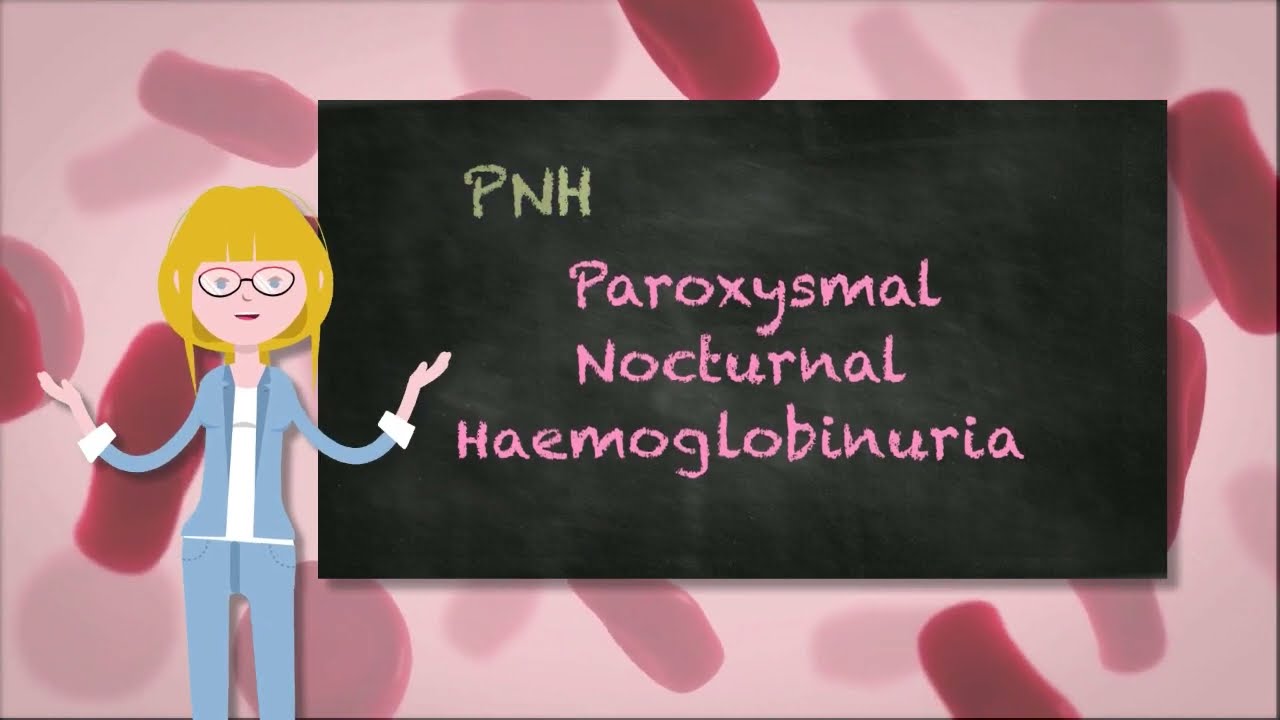
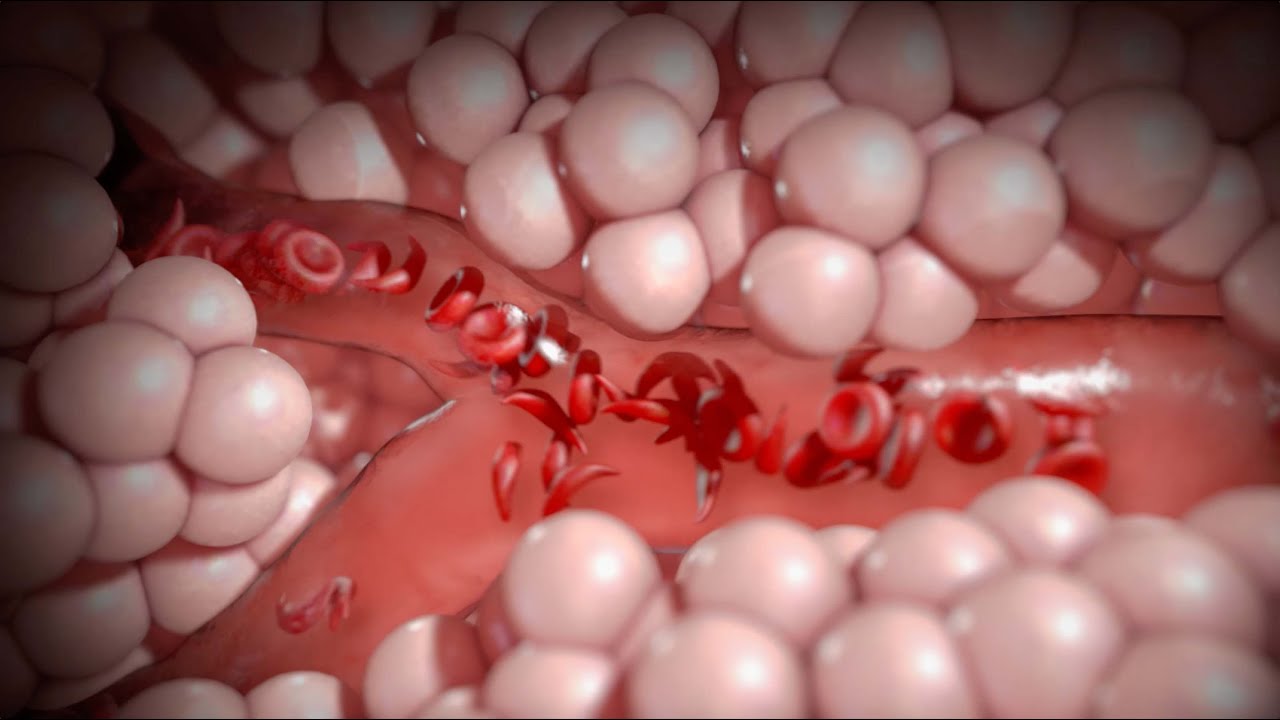
red blood cells are essential for our lives so if they've not sure it can be life-threatening but that's exactly what happens with paroxysmal nocturnal hemoglobinuria or PNH a rare blood disease caused by a Fault in the body's blood production line the disease normally appears in adulthood it can cause a host of symptoms including anemia blood clots involuntary muscle contractions and fatigue some of these symptoms can appear suddenly but the clearest sign of the disease is the blood itself when red blood cells rupture they release hemoglobin which the body disposes of in the urine this leads
to a concerning dark color alerting the patient that something's not right and for unknown reasons this symptom is usually most visible after a night's sleep hence the N in PNH for most patients PNH has few symptoms for some it can become life-threatening the red blood cells are ruptured by the body's own immune system but what could cause the body to attack its own blood the trouble starts in the body's blood making machinery the bone marrow the bone marrow contains hematopoietic stem cells these serve as templates for all the different types of blood cell like all
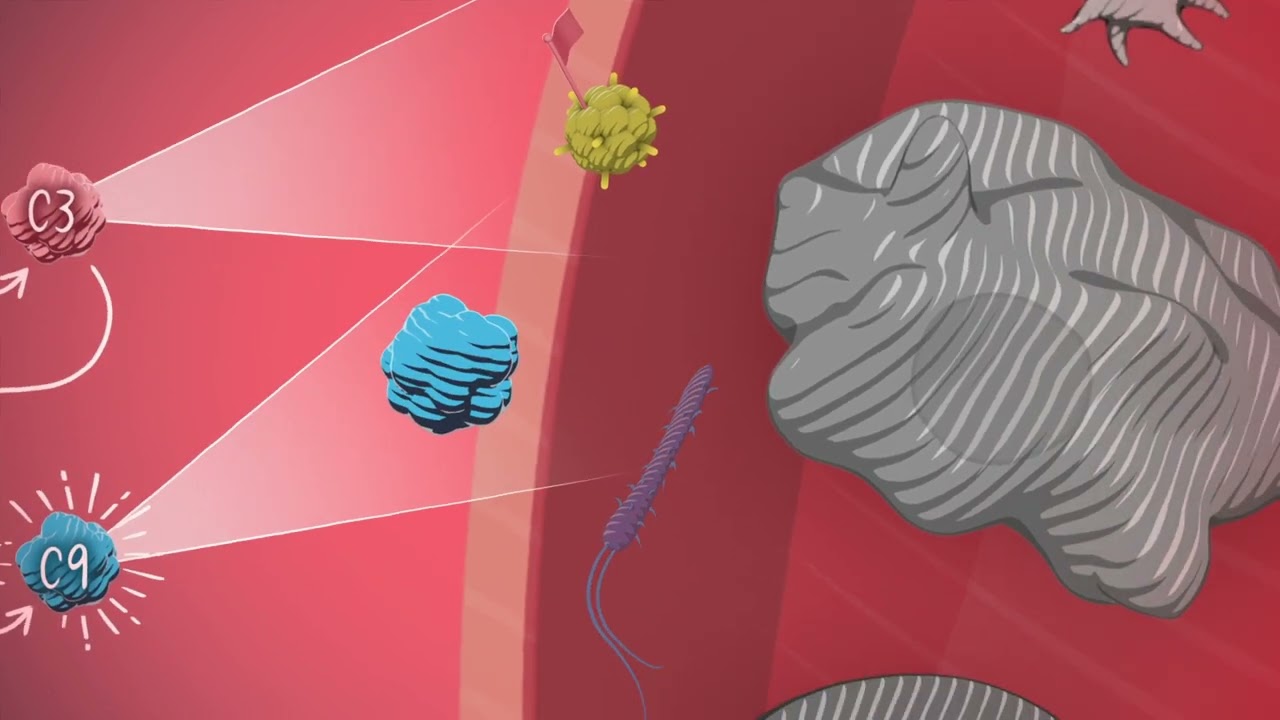
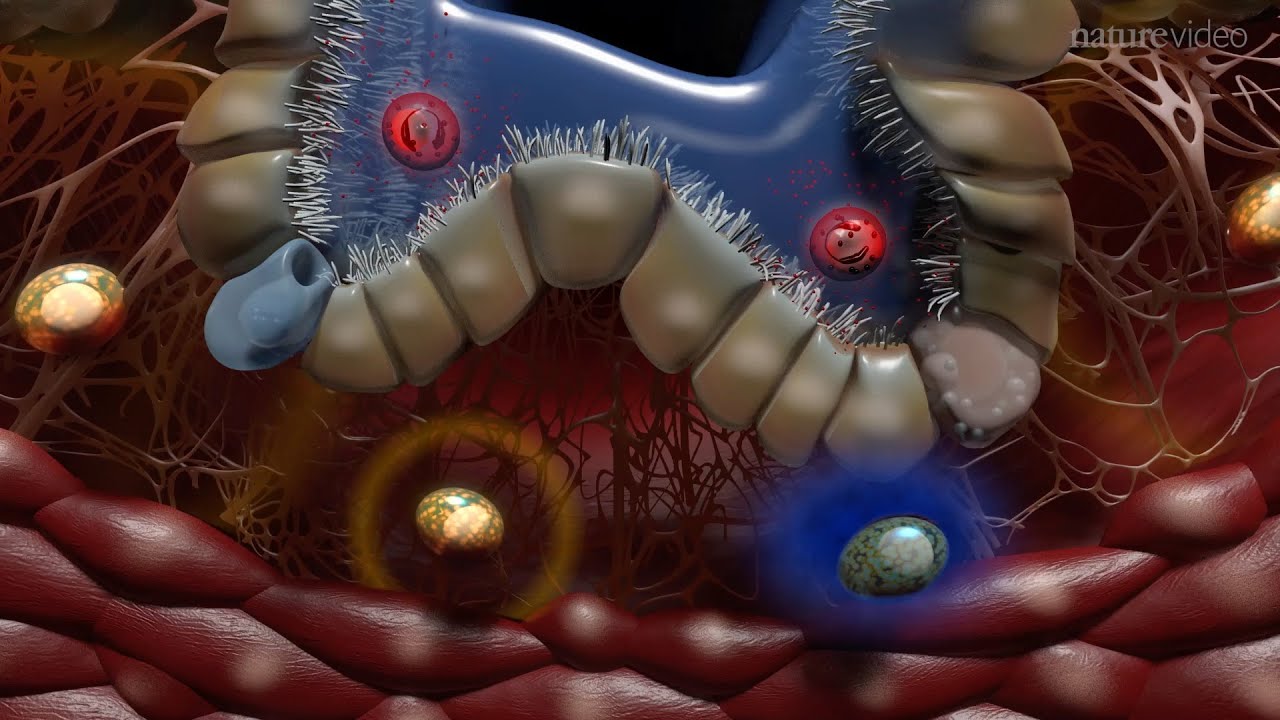
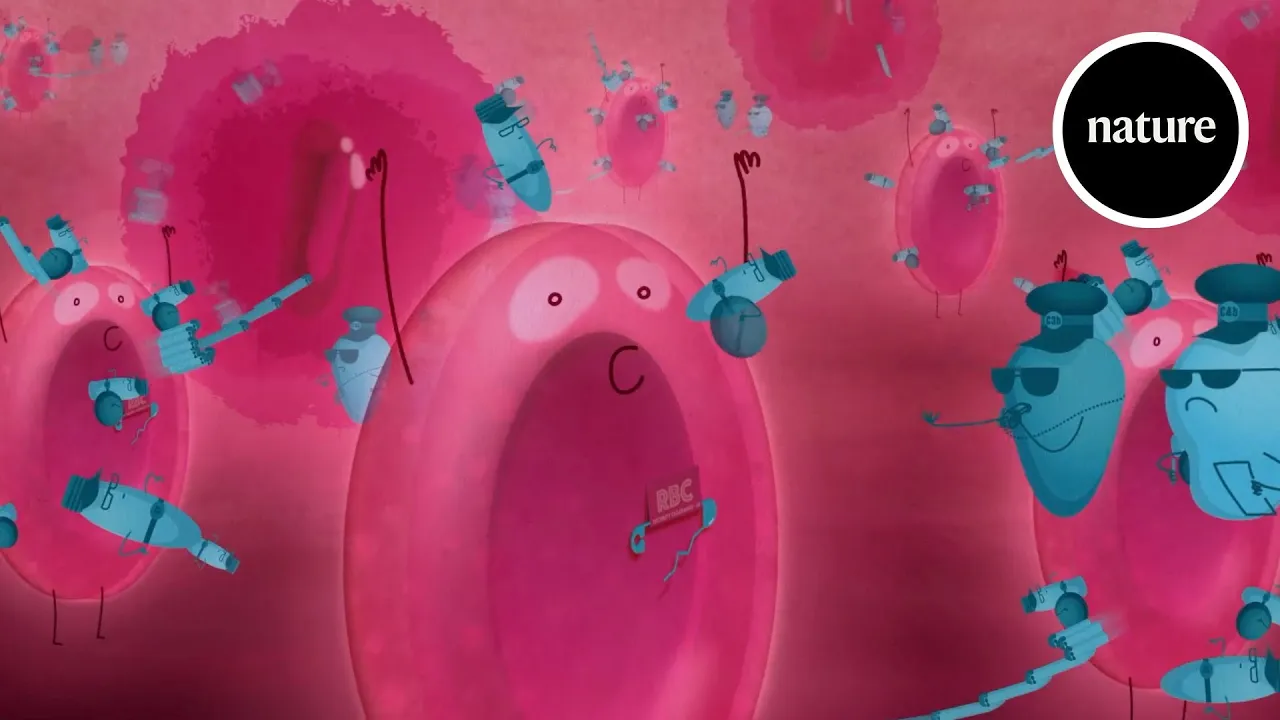
cells these stem cells contain a gene called Peter an essential part of their blueprint it codes for the part of the cell that anchors a stamp of authenticity to the cell surface the complement system is a part of the immune system that uses inspectors to check for this stamp on cells this spam assures the immune system that the cell is part of the body not a dangerous invader like a bacterium or a virus when inspectors or the stumped on a blood cell everything is in order but sometimes the machinery goes wrong in pmh a mutation
in the hematopoietic stem cells blueprint can derail this process a faulty pica gene leads to an incomplete production line and blood cells that don't have an authentication stamp the inspectors mistake these cells for invaders and raise an alarm the immune system jumps into action ultimately destroying the cell but this will only happen to the red blood cells that come from eight defective stem cell so long as the majority of stem cells producing red blood cells still have well-oiled production lines everything should be okay but if a lot of stem cells are end up with this
mutation the body can end up with huge numbers of red blood cells missing their stamps of authenticity and that can have devastating consequences so what can be done to protect patients and stop their immune systems from attacking their own blood cells there are two paths that treatments can take one is to start from scratch and replace all of the patient stem cells faulty and healthier like that means a bone-marrow transplant but this is a high-risk strategy if it works it can cure the disease if it fails it can have severe consequences the preferred option is
to leave the blood cells without their spam but to disrupt the immune system doctors can use drugs to stop the immune system attacking the faulty cells this can improve a patient's quality of life and life expectancy but it can also hamper the immune system blocking the inspectors ability to spot and deal with real invaders plus the patient needs regular infusions which can be expensive and aren't available everywhere so researchers are still hunting for better options but even today there are treatments that can help keep patients healthy [Music]