Hello everything is fine? I am Professor Leandro Cordioli. I teach and research in the areas of philosophy of law and theories of justice.
Today, in two minutes of philosophy, we will see what justice is for philosophy, or rather, what the main concepts of justice are in the philosophy of law. Don't forget to subscribe to the channel and activate the bell to be notified of the next videos that I will upload in these areas of the theory of justice and philosophy of law. Also check out the playlist 2 Minutes of Philosophy.
In fact, I have a playlist called Tudo sobre Justiça, where I put all the more in-depth videos, including those I record about theories of justice. Without further delay, let our watch begin! Whether or not justice exists has been a debated issue for more than 2,500 years.
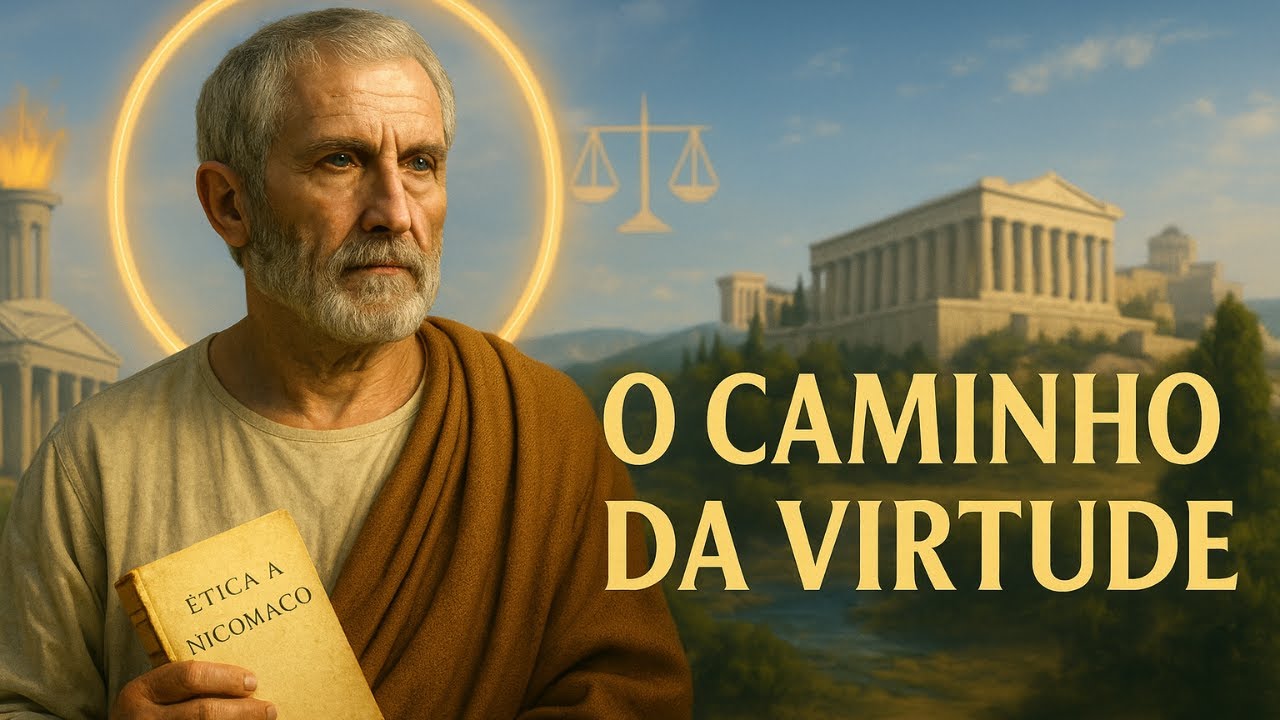
In Ancient Greece, the philosopher Aristotle proposed a concept of justice in his work Nicomachean Ethics. Aristotle says that justice is the disposition and virtue by which men do what is just, act justly and desire what is just. Injustice, in turn, is the disposition due to which they act unjustly and desire the unjust.
For Aristotle, justice is, essentially, an attribute of a person's character, that is, an ethical virtue. It was said that someone possessed the virtue of justice or the vice of injustice. Of course, many times, when we suffer an injustice, we must turn to the judiciary .
And this already happened in Ancient Greece. Aristotle said that, in these hypotheses, the judge functions as "living justice", correcting the unfair gain of a third party and returning it to the victim. In Aristotle's ethical concept of justice, the concern is with harmony, or rather, with the happiness of the person who acts.
Someone who acts with the virtue of justice acts fairly, giving everyone what belongs to them, becoming a just person and developing their own character. Just like courage, temperance and other virtues, developing justice is also developing yourself as a good person. Finally, Thomas Aquinas, in the Middle Ages, in the 13th century, in his Summa Theologiae, defined justice as "the constant and perpetual will to give each person his right", adapting the concept of the Roman jurist Ulpiano to Aristotelian philosophy .
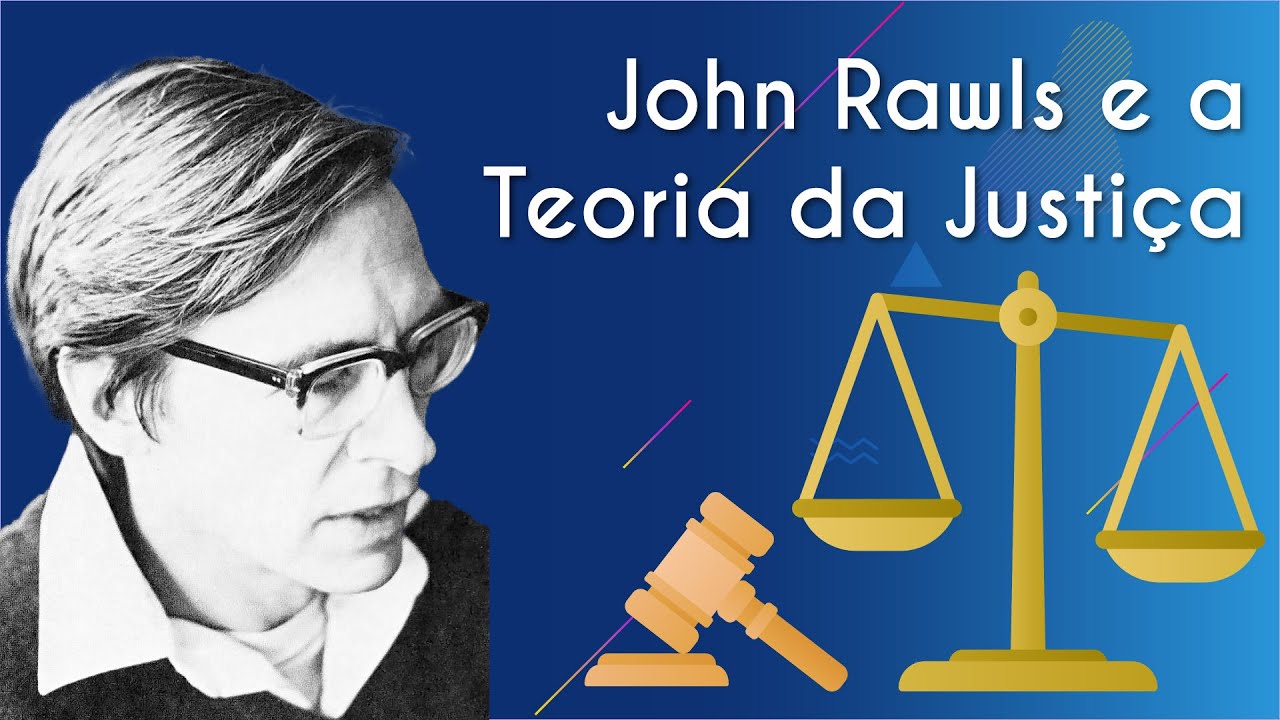
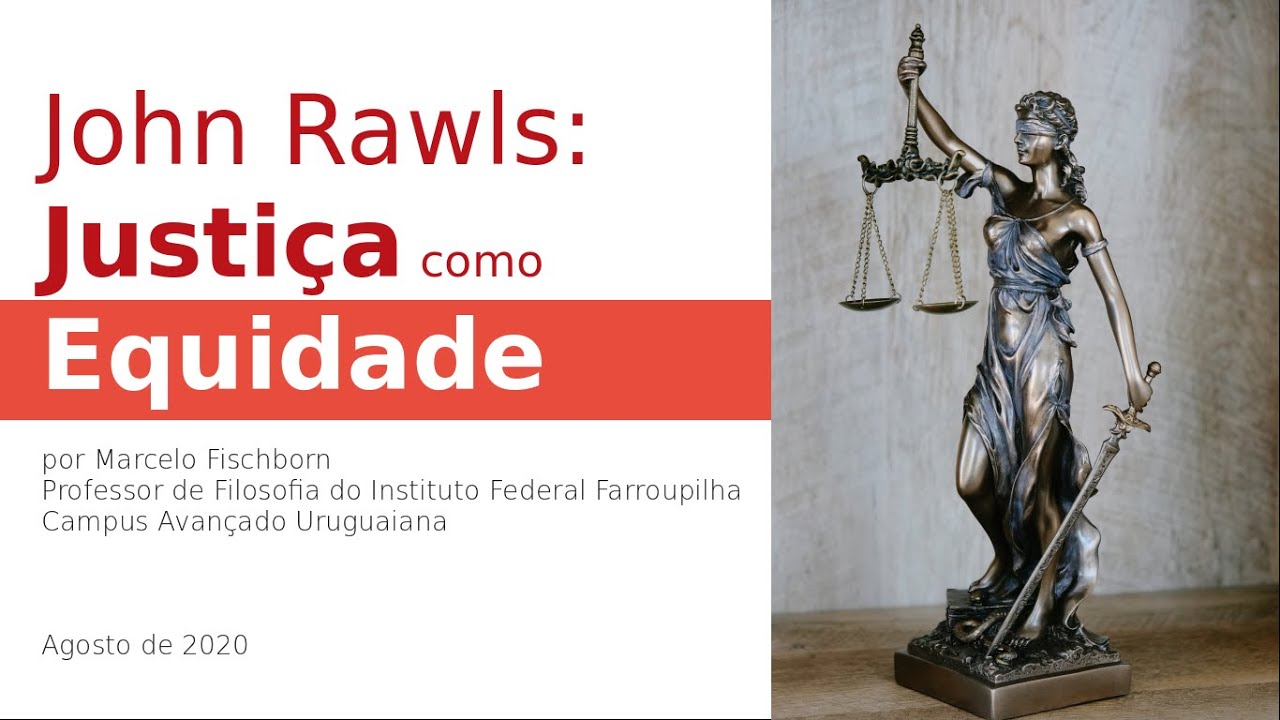
For Thomas Aquinas, as well as for Aristotle, justice was an ethical virtue, said to characterize people's character. Finally, in the 20th century, the philosopher John Rawls, in his work A Theory of Justice, proposed a revolutionary concept of justice. Right at the beginning of his work, Rawls defines: "Justice is the first virtue of social institutions, just as truth is of systems of thought.
Although elegant and economical, a theory of justice must be rejected and revised if it is not true . Likewise, laws and institutions, however efficient and organized they may be, must be reformed or abolished if they are unjust. " For Rawls's liberalism, justice is no longer an attribute of personal character, but rather a virtue of institutions and laws.
It moves away from the individual ethical plane and transcends to the political plane, seeking equal conditions in society. That was our two minutes of philosophy. For my part, I agree with Aristotle, Thomas Aquinas, and John Rawls.
I consider that the first two theories of justice are what I call ethical personalism, that is, justice as an ethical virtue said to be of persons. On the other hand, the theories of Rawls and Amartya Sen, for example, are political institutionalisms, which understand justice as a virtue said of institutions in the political sphere. Comment below: for you, is justice an ethical and personal virtue or an institutional political virtue?
Leave your comment! A hug, Professor Leandro Cordioli.