all of this is evidence-based all of this is used by some of the best Learners and thinkers and memorizers of today and so I had to really adapt to the way that I was learning in college and and really relook at how I was going to learn in graduate school I think one of the things about graduate school is that it is a different type of learning the faster that you can adjust the better that you'll be in terms of just being more successful and ready to take on other things down the [Music] way what
is going on everyone welcome back to the channel my name is Phil Saron this is Phil's guide toide this channel is dedicated to all things psychology wellness and graduate school I do my best to help students not only get into graduate school but also survive graduate school and to become successful in their early career as olist or therapist one of the things that we're going to talk about today is graduate school surviving graduate school and specifically as it relates to the huge amounts of reading that is required for doctoral level students now if you are
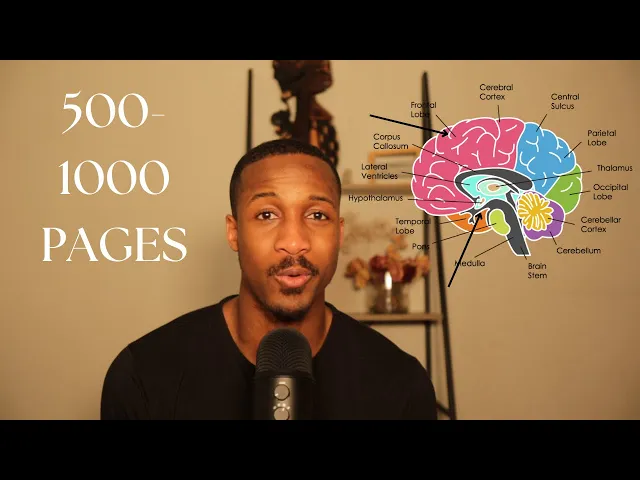
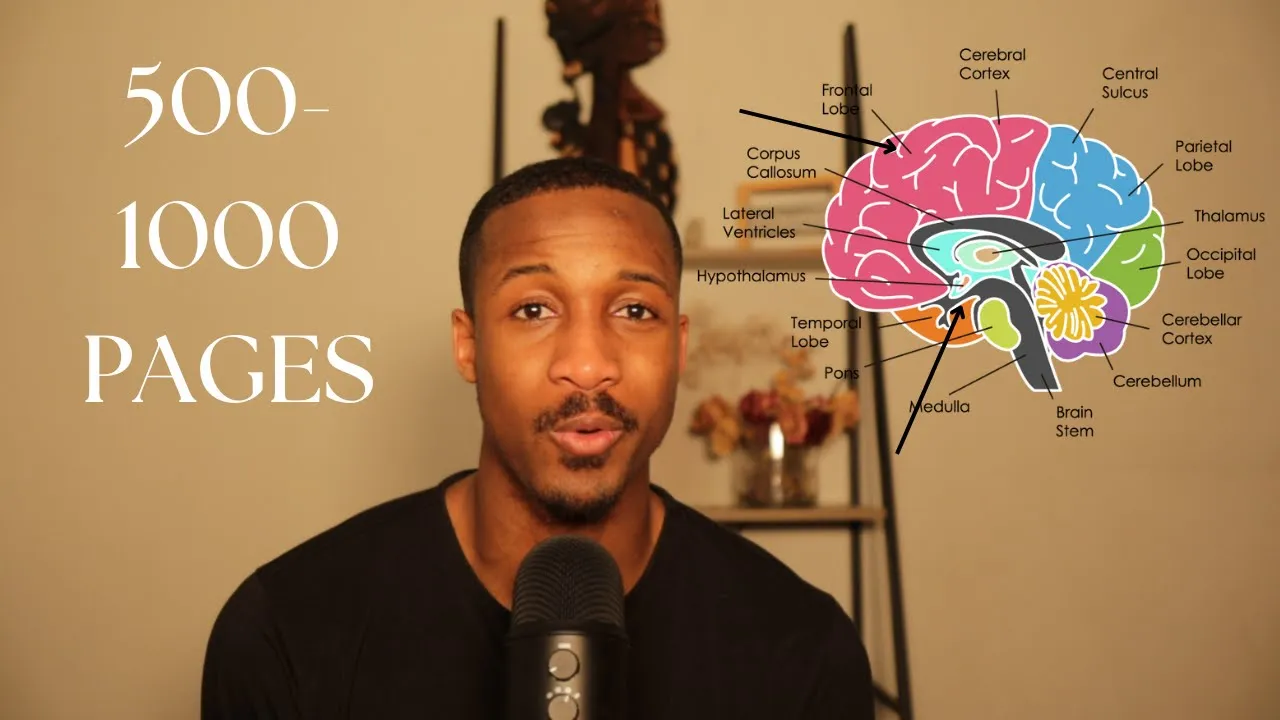
not already in graduate school just get prepared and be ready for the sheer amount of reading papers articles book articles all so much reading that you will have to do in graduate school you will feel like you're reading a book almost every every week in regards to the number of reading that you will have to do in fact when I look back I actually remember if I took collectively all of my courses and the amount of reading that they would require per week it would sometimes be anywhere from 300 to 500 pages per week sometimes
even potentially more than that and I think the average person will look at that and say there's no way that I'm going to read that much I don't have the time to read that much I don't think it's necessary it shouldn't be quired I'm not going to put in the time to do that and that's fair I think it's it's better to think of it not from the standpoint of reading every single word but reading to make sure that you get the most pertinent important ideas out of what you're reading in fact you could read
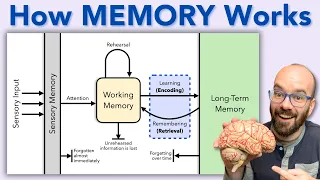
every word and still not retain any of it which I think is actually what most people find themselves in especially when they then have to take a quiz or an exam and they feel like they just haven't really retained the information that they need to actually use it in a not able way and so one of the things that we're going to talk about today is how to actually read those huge amounts of of pages per week and also actually retain that information to the best of our ability using some Neuroscience using some Clinical Psychology
skills using what we know about the brain and neuros pychology to help us retain the information if you haven't already please subscribe to the channel you can like this video and so the first thing that we'll talk about today is going to be active reading when you're reading it should not be to just read you should be reading with the mindset of hopefully trying to answer a question in your mind and I think one of the things that actually we see in research and data is to test yourself repeatedly so even if you can't take
a pre-exam and then go into your readings you can still test yourself as you read one of the ways that you can do that is maybe read a page and then close the book or close the article or hide it from your it and then try and summarize what you just read as if you're teaching it to someone as if you're talking to someone and even as you're saying it out loud the acoustic aspect of the learning you can also be writing it down from also a visual kinetic perspective as well but it's really important
that the best way to learn as you go is to test yourself throughout and so writing questions about what you just wrote and seeing if you can write down the answer or say the answer out loud being able to recall the information after every paragraph or every couple paragraphs or every few pages just being able to try and take the really big main topics and ideas of what you're reading is actually going to be better for you in the long term in terms of retaining the information now you also may have heard of it before
but space learning is one of the best ways to actually retain a lot of information if you are reading the night before and you have the quiz the next day or the exam the next day that's not going to be a great situation and so if you're going to read 500 pages for that week see if you can break it apart see if you can do 100 pages every single day and do some form of space learning so now that you are testing yourself in regards to the material asking yourself questions throughout the reading spacing
your learning as you go through the week the next thing is to start applying Concepts one of the best known steady tips is building Concepts from what you are learning uh this means sort of creating whether it's Di Rams whether it's logic maps for yourself where you're connecting different ideas and people and Concepts whether you're drawing these things out writing them on a notepad writing them on paper and this is actually a little bit more of an extra step than just taking notes on what you're writing cuz typically if you've ever G to a situation
where you're reading you know you're you're you're taking notes as you're reading but you're not really being very fully active with the notes that you're taking you're just kind of taking the notes it's going to be more important for you to as you're taking the notes start to apply those Concepts in relation to as you're taking the notes how does it apply to what you just read before what you read the day before 3 days ago a week ago how does it apply to some of the other people or concepts or situations that you're reading
about and and start to make those dots literally start to make those dots in terms of a logic map for kind of pulling things together you can always categorize things in terms of tables and diagrams and things like that but you want to eventually start to pull all of of these ideas together and this does take some time what typically happens is that most people will actually do this backwards and so when you think about the rot memorization the things that you just have to memorize the facts the people typically people think I need to
do those things first and no you should do those things last once you have spaced out your learning once you have sort of taught yourself the the learning materials and asked yourself the questions and kind of tested yourself and then made those Concepts it's actually going to be a lot easier to then memorize the the minute things of your learning the people the fact when you start to memorize those things towards the end it actually makes sense in the the layout and the concepts that you've built for yourself and then as you're going finally building
in those concept logic models for yourself to really better retain the information and then towards maybe the last few days right before the exam you can start to memorize those small minute details that you need to memorize but as you're memorizing those details it actually makes sense because you've already laid out the foundation for the work that you need to do to actually retain the information if you have any questions please put it down in the comments section below and with that I will see you all in the next video [Music]