you talk in the article about the need and the importance of cosmopolitan museums as great cultural institutions for society and the world and the threat to that posed by the movement to repatriate artifacts to their country of origin and to think of art as a national pride issue rather than a product for the world at large how do you see those kinds of issues well first I think we have to look at the word repatriate and the kind of promiscuous use of that word because it's a word as you very well know that it comes
that really is applied to the return of prisoners of war and so these objects are being cast in the light of being held prisoner from their homeland as it were and the use of the word repatriate means to bring them out of imprisonment to their rightful place at home so the movement to repatriate art is really a kind of based on the idea that art has been stolen and is being kept prisoner in the new countries and should be liberated and sent back to its homeland ah yes and and on the assumption that it has
a homeland that's got some generic and and ident a place in this particular part of geography as human beings do as if it was born there and as the citizenship of this with this place and should be returned that country of its origin and then that use of that word repatriation is to to elicit a kind of emotional response a sense that these things share with the individuals who live in that within that polity now an identity and so that there's ancient object that maybe 2,000 3,000 years old that was made for whomever but not
certainly for the modern state has a place in the modern state so Greek and Roman art so the victory of samothrace is like Rousseau a citizen of the world not limited to a particular national community at this time we're talking about things that are in the public domain that are in museums and that are in context in which they're seen in relationship to each other and where you see that the works of art have always been made out of contact with new and foreign stimuli that they're not anything that was contained within a parameter of
political parameter that had distinct identities associated with that political parameter but rather works at works of art artisanal moved about they've always seen new things strains provoked interest in making new things so we what what we're trying to do way by making a claim for the encyclopedic Museum as a kind of a cosmopolitan institution is to encourage people to be curious about the world to look for similarities rather than differences and to note that these differences are the differences of circumstances not the differences of nature but is there a difference between seeing a piece of
art that's been ripped from its cultural and historical context and placed in some new one as opposed to seeing it in its place of origin and time of origin I mean if you if you look at the the cloisters in up you know Upper Manhattan is that the same thing as seeing them back where they were if you look at the temple of Dender at the Met is that the same as seeing it back in Egypt you'll never return objects to their original state of origin I mean that is because the circumstances have changed so
if the temple of Gondor which of course was exported from Egypt legally with the encouragement of the Egyptian authorities now those that went back to eat wouldn't go back to firaon icky gypped it would go back to contemporary Egypt so circumstances are not just physical circumstances not just how something looked in landscape but they're how something looks in the in a developing organic cultural environment and so that and there are other aspects of in context that is though it's not just a single content that has the authority over all other context there's a new context
within a museum which one sees work of art in the context of other works of art and so one sees that in that context that workers have a certain similarity that provokes questions about human contact and and historical evaluation so I think that that that we shouldn't privilege one context over another and in fact of what I think we want to do in these exact repeated museums or cosmopolitan institutions is to encourage curiosity about the world this curiosity especially at a time of resurgent nationalism and sectarian violence is something that I think proves could prove
beneficial in the world people are living across borders in numbers greater than ever before and so we want people to be curious about their neighbors their neighbors who come from different places who have different cultural values that are now trying to be integrated into a common context so the more that we can encourage this kind of curiosity about the world the difference in the world the better and I think that's what we want our museums do you talk in the article about how you first encountered some great artifacts in the Louvre and how this really
exposed you to new new ways of thinking new ways of seeing and how that was helped form your view could you could you go into that a little bit yeah I was 19 years old and I was traveling students and I made my way into the Louvre and at that in those days in the late 60s there was there with very few people in the loop and so you can wander at will without without the bustle crowd around you and you could be therefore attracted to things things that seemed strange to you and this one
is mrs. great early a Syrian piece there was this this kind of commanding presence of this the strangeness about it think attracted my attention and I began to look at it and began to read the label I didn't knew nothing from which it came and there nothing about the date and nothing about the context but there was something about it that attracted my attention and I looked at this thing and I remember years later reflecting upon that experience that I looked at it I must have looked at it as if the original makers looked at
it I mean there's no real distinction between that original maker looking at this object that he made and my looking at subject made and all the people in between that person and myself so I was an unbroken line of observers onto this object that belts drawn to this object and all of a sudden we were part of a family of a certain kind of relationship of people and and so there was a sense of a collapse of time and a collapse of difference and and I had there's no reason why I can't have that same
kind of grasp of this object that the original maker had or the people original context had and we can we can we can bridge those differences by the power of attraction that works about have over us the cultural theorists might argue that that kind of gaze is a kind of proprietary Imperial penetrating gaze that the artifact was ripped by colonial masters from its original context and taken to the Metropole and therefore what the really what you were doing in is engaging in and perpetuating a kind of narrative of domination and an act of domination against
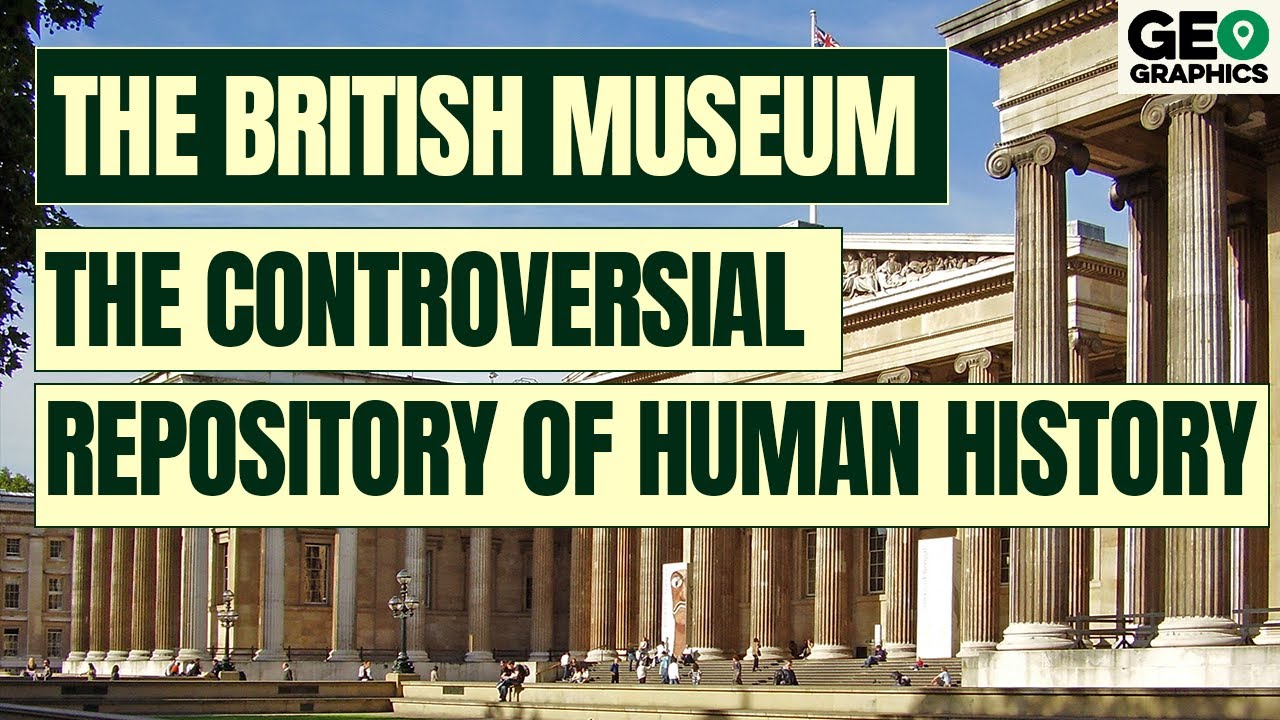
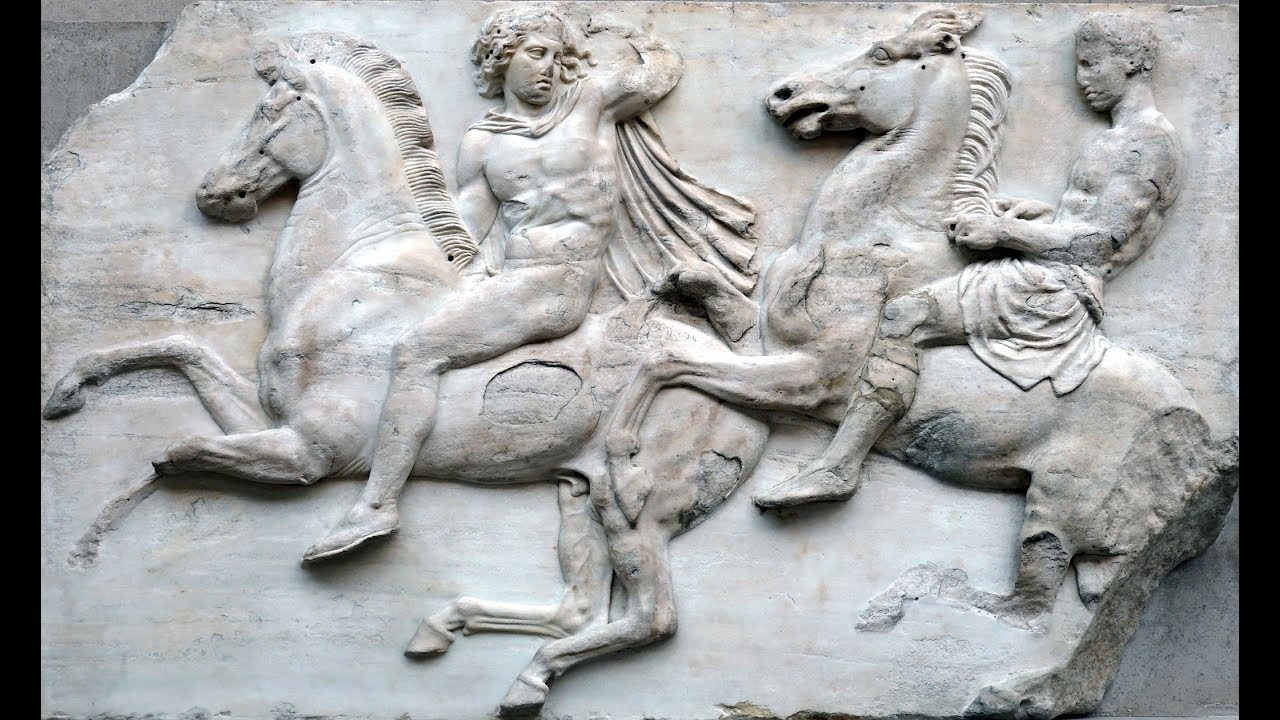
the sort of subaltern peoples whose art it was and that therefore they know the Elgin marbles should be in Greece rather than that England and the the Etruscan art should be back home rather than here you just don't buy that at all I don't buy that at all if their things have been removed legally in the circumstances of the time in which they were removed and we know from the Parthenon Marbles they in fact removed legally because the Ottoman authorities gave elegant permission to remove them so if you're looking for and evidence of empire in
museums you'll see it everywhere because it's an historical fact we can embrace that history look beyond that has to be critical of that history but and included as part of our own history but I don't think it's a matter of just trying to read we retrace and then and correct the imbalances of power of the past and so in fact the great museums that may have been in part the heirs of imperial projects can nevertheless in the present era help transcend that kind of history by bringing cultures and multiculturalism to two people whoever comes to
visit them yeah I think you can and and you know there are sort of imperial ambitions that modern nation-states have and in those imperial ambitions they're not it's it's too noble their own power and presence in the world by reflecting on their own greater glories of the past that they claim to be there they're their inheritance rather than overpowering other cultures in the world I think it's an impulsive people have it's an impulse and one could be critical of but nevertheless it isn't an impulse that one can eliminate as especially in the past one can
identify it and be critical of it but it is what it is are there real issues in the art world and art trade today of looting of artifacts being sold on a black market even if legal transactions are legit would would encouraging that simply open the floodgates for a whole variety of illegal transactions as well I don't think the legal transactions would open the floodgates of illegal transactions but there are illegal transactions about and there was so we are told and I'm willing to believe I mean I have no contact with us I can't tell
you in fact that that's the case and what's an area of the world which that's now being emphasized as in Syria and the certainly destruction of the ange of the ancient legacy of the ancient world in Syria and there's even looting of I assume and and it's said that the the looting feeds Isis and it's with oil the means of their sort of financial support and it said that the looting occurs by these objects being taken from Syria across the border into Turkey and then sold into the black market the big question is where are
they going if that's the case if this is a big big financial contribution to that to the coffers of Isis and the numbers you hear are millions tens of millions hundreds millions billions that's a lot of money and I don't think we yet know how that how that trend translates from these objects that are being looted to these numbers of dollars and where they're going and where they resurface but nevertheless it's a it's a horrible tragic situation the result of this war war destruction and sectarian violence and it's gotta be it's got to be stopped
and no business doctors at the borders as the head of the getti you're one of the great cultural gatekeepers and enforcers in the American cultural world certainly but even in the world more generally how do you establish a sort of a scale of authoritative value in such a subjective areas art and culture well we don't do it alone we have we have and we have advisors and every part of what we do whether it's the conservation around the world whether we're working in the valley of the Queen's in Egypt or Tufts tomb in Egypt and
whether we're working with conservators and panel paintings in Central Europe or wherever might be it's always with advisers who bring to us their collective wisdom to help us understand so that we're not working just from our own interests but what we Clinton we understand to be the interest of the discipline of the domain of which we're apart what's your single favorite artifact or work part in the Getty you know everyone asked that it's always impossible to say but I would say I painted by Andrea Montaigne the great late 15:30 16th century and northern Italian Venetian
area painter which is a painting of the adoration of the Magi and it's extremely beautiful that evokes the kind of compression of Barre reliefs in the Roman world which was influential on him but it's got the extraordinary lightness and deafness of touch both in terms of the emotion of the figures as they're expressed to their faces the officials involved but in just the pure quality of the paint on linen you know thank you very much good talking with you okay pleasure thank you