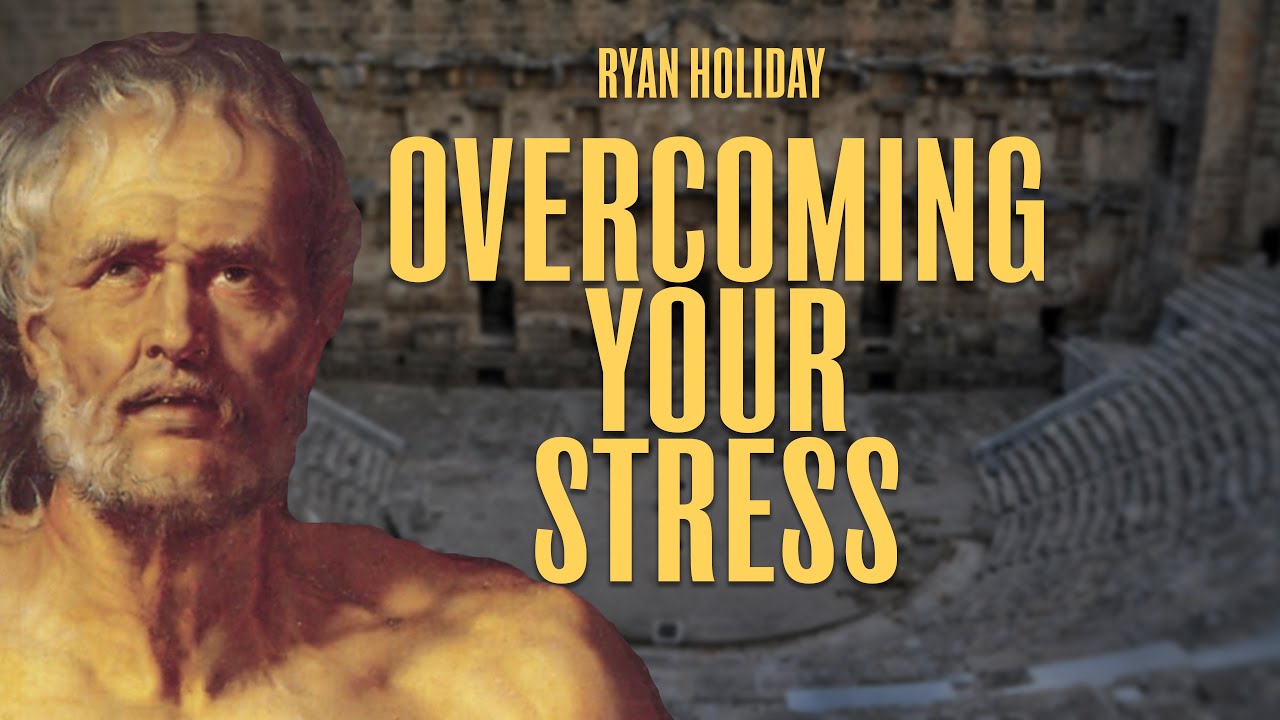
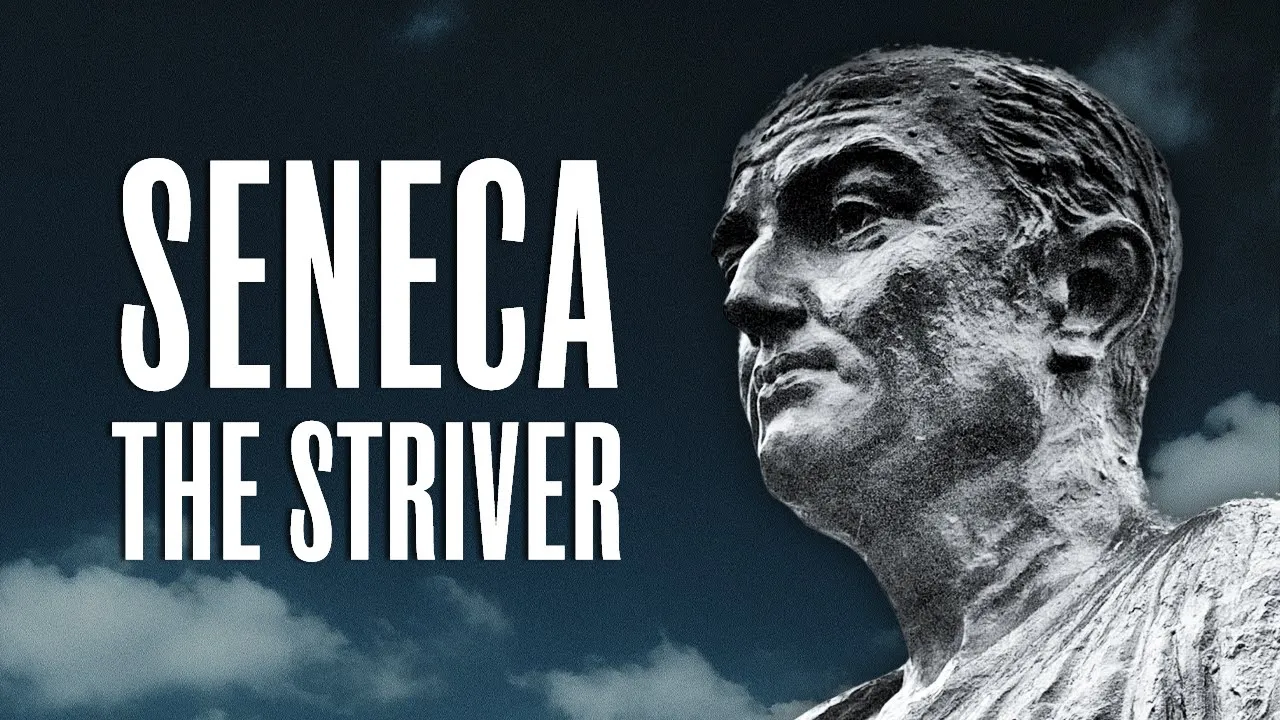
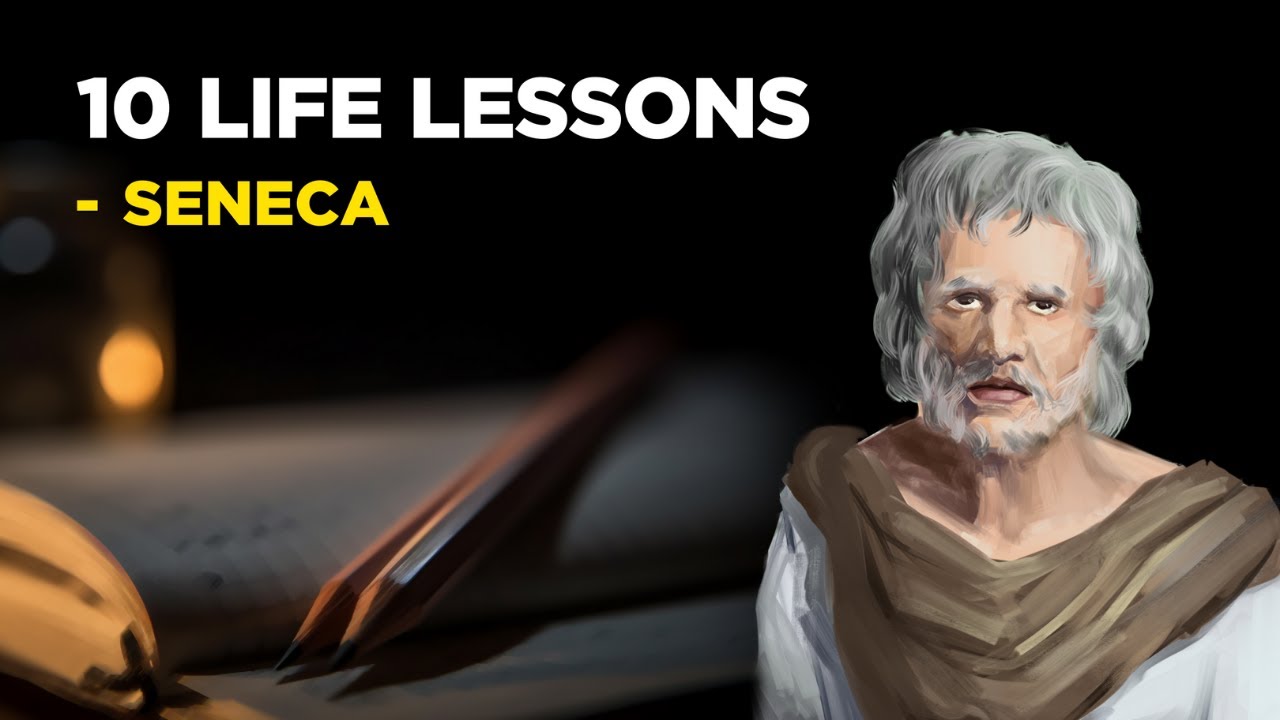
[Music] for a boy born in a tiny village in southern spain some 1500 miles away from the place he dreamed of making a name for himself it would please lucius aeneas seneca very much to know that we are still talking about him today his fellow stoics wrote at length about the worthlessness of celebrity the foolishness of chasing posthumous fame the inevitability of time passing and sweeping our names into obscurity seneca studied these philosophers he read their writings he agreed with them the deep flood of time will roll over us he wrote some few great men
will raise their heads above it but most are destined to depart into the same realms of silence and to battle against oblivion aware as seneca was of the improbability of lasting significance it didn't deter him if anything it propelled this young man in a way it only reaffirmed what he already knew born with a chronic illness seneca realized at an early age what so many never do life is short fragile and extraordinary so we must see to it he said that our lives like jewels of a great price be noteworthy not because of their width
but because of their weight let us measure them by their performance not of their duration that's exactly what seneca did he performed right down to the last moments of his life a theatrical suicide that would rival that of his hero a stoic philosopher and roman senator named cato the younger who famously disemboweled himself rather than live under julius caesar's tyranny unlike his hero however seneca never got to taste any part of that freedom of roman libertas that cato and his predecessors had all enjoyed instead he knew only of the empire seneca would live through the
reigns of the first five emperors of rome and to say it was a time of tremendous violence paranoia and uncertainty would unfairly understate it no one's station in life put them high enough or far enough from the reach of the bloodlust of these evil emperors most people opted to keep their heads down to simply endure the political chaos to stay completely off the imperial court's radar seneca on the other hand spent all of his life attempting to maneuver towards and within the turbulent court regimes and according to the historian dio cassius he nearly got himself
killed doing so after masterfully pleading a case in the senate in front of the emperor caligula caligula ordered seneca to be put to death but afterwards let him off daio says because he believed the statement of one of his female associates to the effect that seneca had consumption in an advanced stage and would die before a great while seneca's chronic illness saved his life at least temporarily caligula's successor claudius didn't care how long seneca had to live when he came to power in 41 a.d one of his first orders of business was to banish seneca
from rome what for we don't know most likely a blanket persecution of philosophers or some trumped-up charge in any case seneca was sent packing to the distant island of corsica his time in exile was productive at first he wrote three famous works consolation to polybius consolation to helvia and on anger in a short span but the isolation would soon begin to wear on him soon the man who had not long before been writing consolations to other people clearly needed some consoling himself then again who wouldn't even the strongest animal begins to wilt when deprived of
its friends in the herd but thankfully seneca had begun his practice of letter writing which would continue all his life he wrote about a lot of different things in that time about friendship about love about nourishing the body about wealth and status and how quickly life can be flipped upside down in a play he wrote towards the end of his life seneca captured just how capricious and random fate could be no one has had so much divine favor he said that they could guarantee themselves tomorrow god keeps our lives hurtling on spinning in a whirlwind
well in 50 a.d seneca didn't know it but his trials were about to improve and his life was about to be spun in a whirlwind that history has not fully wrapped its head around the empress agrippina plotting for her son nero to be the emperor someday recalls seneca from corsica to tutor her boy a statue of seneca and nero done by a spanish sculptor eduardo barone manages to perfectly capture the dynamic between this wonderful teacher and this strange headstrong student seneca sits with a document that he's written across his lap trying to point to a
spot in the text trying to instill in his young charge the seriousness of the tasks before him nero is hooded his expression is sullen both fists are clenched and one of them rests on his temple as if you can't bring himself to pay attention soon enough he is thinking i won't have to endure seneca's lectures much longer then i'll be able to do whatever i want seneca can clearly see this language and yet he proceeds he proceeded for many years in fact why because he hoped that some of it any of it would get through
because he knew the stakes were high because he knew his job was to teach to try and he was going to die trying to teach nero to be good a few short years later seneca would run afoul with nero realizing alarmingly late just how deranged nero was seneca tried to walk away from politics nero would not let him instead paranoid and cleaning house of potential enemies nero sent goons to demand seneca's suicide seneca made no plea for pardon when his request for something to write down his will was denied he turned to his friends and
said he could bequeath to them the only thing that mattered his life his example it was heart-wrenching and they broke down when he said these words where he said chiding gently not just his friends but the audience of history are your maxims of philosophy or the preparation of so many years of study against evils to come who knew not nero's cruelty he said after a mother and a brother's murder nothing remains but to add the destruction of a guardian and a tutor hugging his wife he urged her not to grieve for him too much and
to live on without him instead she decided to go with him slitting the arteries in their arms they began to bleed out seneca's meager diet seemed to have slowed his blood flow so next he willingly drank a poison he had kept for precisely this moment but not before pouring a small libation out to the gods when this poison did not work seneca was moved to a steam bath where the heat and dense air finally finished him off shortly after his body was disposed of quietly without funeral rites per a request that seneca had made long
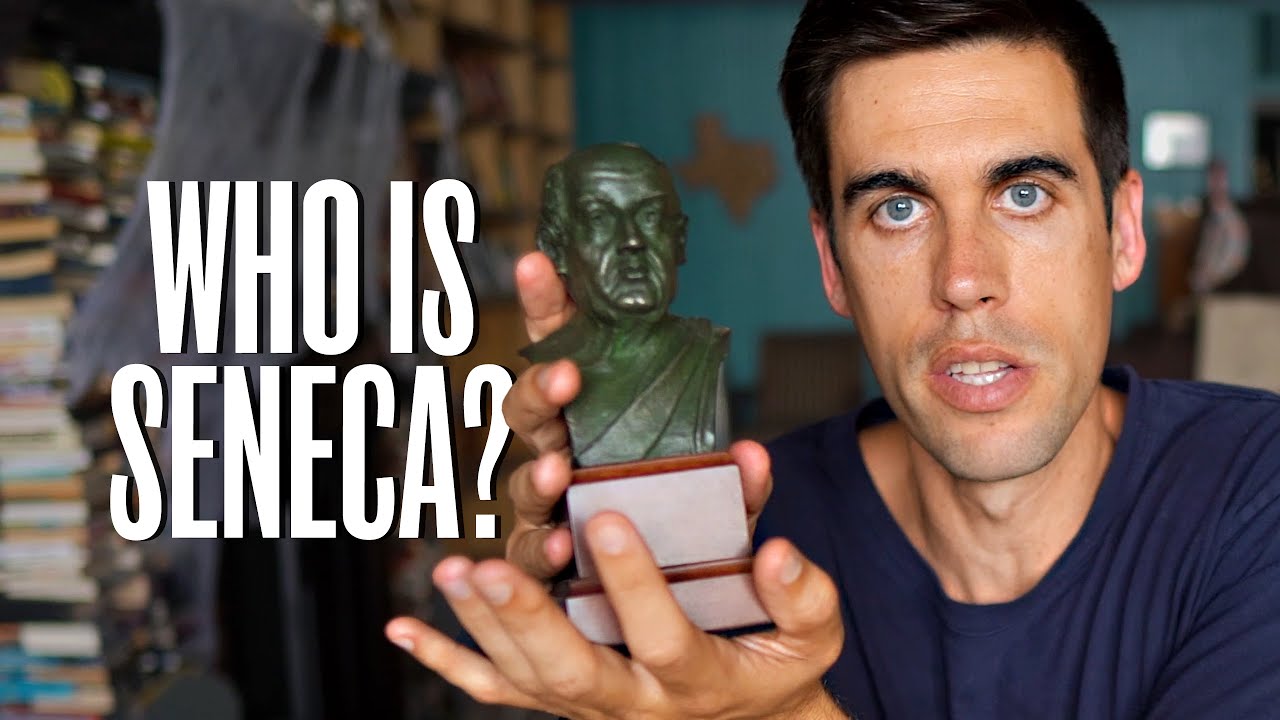
ago which to the historian tacitus was proof that like a good stoic even in the height of his wealth and power seneca had been thinking of his life's clothes the stoics were not just thinkers and writers even two thousand years ago they talked about pen and ink philosophers they they meant that derisively they wanted philosophers who were doers right and that's the point of stoicism it's to help make you better in the real world and so the new book lies of the stoics is going to look at how did these actual human beings live the
ideas in the philosophy they espoused in all my other books i've been talking about the ideas the teachings of stoicism but this is the first time the lies of the stoics have been documented all in one place literally ever in history it's how did these men and women apply the ideas of stoicism to the challenges of their lives and of their times from the stoics we can learn so much about resilience about perseverance about happiness about virtue so i'm so excited about the new book lives of the stoics the art of living from xeno-demarcus aurelius
please check it out and thank you very much lives of the stoics the art of living from zeno to marcus aurelius by ryan holiday and stephen hanselman available anywhere books are sold




![Marcus Aurelius and Seneca - The Two Great Stoics [STOIC QUOTES]](https://img.youtube.com/vi/6qM1Wp4324w/maxresdefault.jpg)