hey everybody happy Monday today we're going to talk about defense mechanisms what are they and why do we have them but before we get into that I know we have a lot of new people here welcome if you have a question or concern and you're wondering if I've talked about it before just hop into the search bar on YouTube and put in my name Kati Morton and some keywords for your search like anxiety depression and stress whatever I have over 1200 videos or so so chances are I've talked about it already okay now let's get
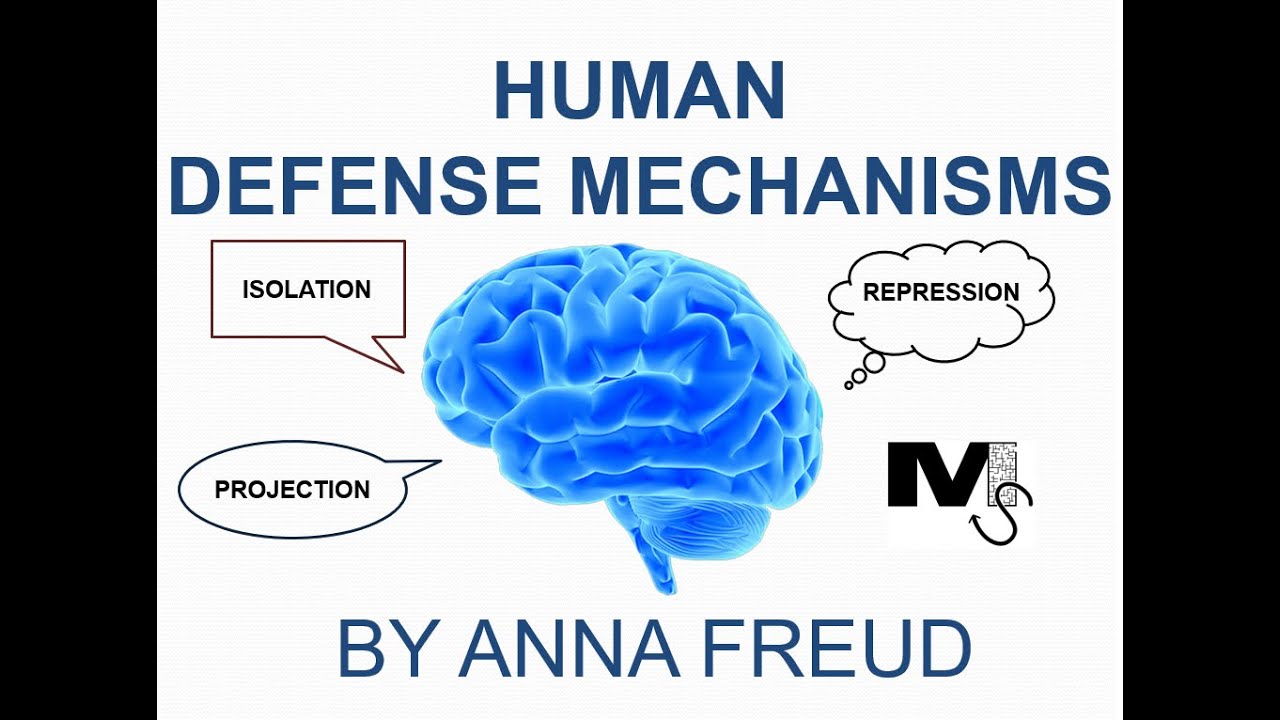
into today's topic and let's start off by defining the term a defense mechanism is an unconscious psychological response that prevents us from feeling any anxiety or upset that can arise from a difficult or harmful stimulus research shows that these defenses happen when our amygdala is firing you remember our amygdala right it's that bean-shaped part of our inner brain that acts as our fire alarm and it aids us in fight flight or freeze so when we feel we're in danger our defense mechanisms come to our aid even if the threat is something that we're actually imagining
for example if we think our friend is really mad at us we don't have any evidence for that by the way but we just have this feeling and so we avoid talking to them only to later find out that they weren't mad at all so in a way our defense mechanisms keep us safe and happy because they prevent us from having to deal with anything that has the potential to be upsetting but as I'm sure you can see or at least hopefully admit life cannot be completely free from anxiety or upset life comes with its
ups and downs and we can't just avoid everything and think it's going to be okay that's why these defense mechanisms quickly become unhealthy coping skills that after keeping us safe maybe that one time now they just hold us back hurt our relationships and isolate us from our loved ones we're all going to experience defense mechanisms in different ways some may seem way over the top for us or feel completely out of control while others are really easy to use and for some reason there really comfortable and I guess as to why that is is because
it's what we're used to or we saw it being used growing up the ones that are easy and comfortable for us are usually familiar meaning that we are someone close to us used it maybe on us before we know when and how to use it so that we feel better even if we only feel better for a very short time because there are so many ways these defense mechanisms show themselves I'm going to walk you through the twelve most common are you ready let's jump into it now the first one is denial this is when
we simply refuse to accept that something happened this is most common in people with addiction when they refuse to admit or see that they have a problem they are aware that their life is in shambles and completely unmanageable but they refuse to accept that or admit it to themselves or others this can also happen in abusive relationships where the person being abused refuses to accept that it's happening to them because maybe if they did it would make it real and mean that they have to do something about it and they might just not be ready
yet number two displacement this is when we redirect our anger upset on to another person for example if I got into a fight with a friend instead of talking to them about it I lash out all of my anger and frustration on to Shaun who not so healthy right No number three intellectualization this is when we're confronted with something difficult and instead of deal with that something difficult we focus all of our thoughts and energy into the details of it or how we can fix it or make sense of it instead of allowing ourselves to
really just feel what's going on an example of this would be that when our spouse tells us they want a divorce we go into hyperdrive figuring out who should move out how things will be divided and all of the legal and logistics of it instead of really giving ourselves the time to feel it now the fourth defense mechanism I want to talk about is repression this is when we've taken any bad or difficult feelings or memories we push them into our subconscious like we dig a hole and put them in it and cover it up
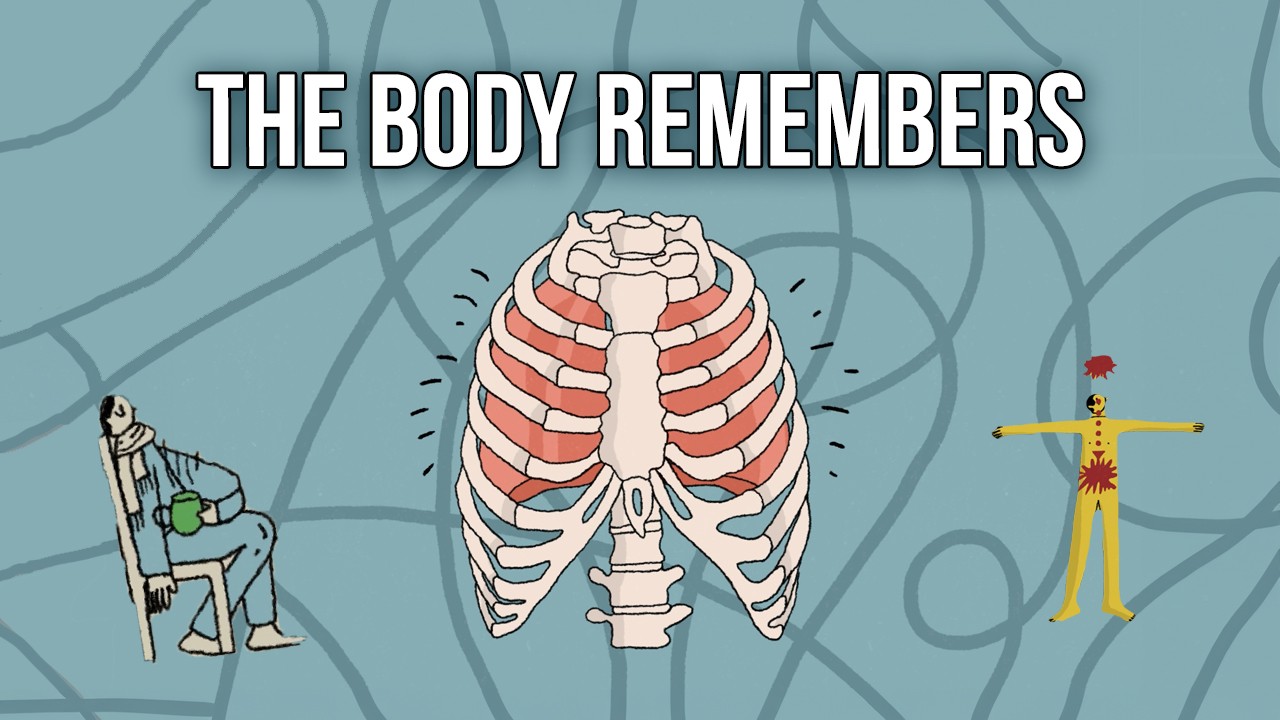
so that we truly we don't remember what happened or even how I felt about it what I don't know what you're talking about it's just a black hole and this can happen because of trauma or anything that we just don't feel equipped to process and truly if you've heard me talk about this this is why we end up having flashbacks and body memories later in life our brain is like hey remember I didn't forget about that I just hid it from you so you could function but now we got to deal with it and so
it really needs you to take the time to process it and so repression really doesn't solve anything number five projection and this is kinda like transference a little bit but it's a little bit different too projection is when we place our emotions thoughts or motives onto someone else like if we're out at a party where we don't really know anyone we start to feel nervous uncomfortable maybe we even feel like a loser or upset that we even came instead of being able to acknowledge that within ourselves cuz let's be honest that can be really hard
we assume they're thinking and feeling what we are judging us being mean to us and we may even become really upset just in our head thinking what are you looking at you don't know me we can get really upset when truly nothing's actually happened yet number six over compensation and I'm sure just by saying that you have some examples that maybe came to mind but this defense mechanism is used when we overcompensate in one part of our lives to make up for another area where we feel we lack it doesn't even mean that we actually
have to lack it just means we feel that we do instead of being okay with not being good at everything most of us aren't good at everything someone who is overcompensating will try so hard to be really good at something else and put all their focus and attention on that one thing and allow the other things that maybe they aren't so good at go hopefully unnoticed because if someone noticed their deficit people who have this defense mechanism would feel completely exposed and like a total failure for example someone who isn't very successful in relationships maybe
they're never able to get that second date or most people they try to ask out say no they can focus all their attention and energy into work so that when anyone asks them about their dating life like their mom or grandma or other friend they can point out all the things they're doing at work and how successful they are trying to hide the fact that they're not really successful at relationships number seven regression now this is when we revert back to a childlike way of coping this is a lot like the emotional and maturity that
I talked about recently people who are emotionally immature are usually acting out of this defense mechanism instead of communicating how you feel someone who is acting out of regression could call you names throw a tantrum or pout and storm off number eight reaction formation and this is when we act in complete contrast to how we feel I call this the middle school crush you know when you like someone you really like them a lot you pick on them and call them names maybe chase them during recess acting the opposite of how you feel but a
more relevant example would be when you really want that promotion you want it so bad but when someone asks you about it you act like the promotion is stupid you haven't even thought about it oh I didn't even then even come to my mind I don't even know why you brought that up like it's just not safe to feel how you feeling and put that hope and excitement out there number nine rationalization and this is just like it sounds we can come up with excuses for something we did and in a way we explain it
away for example let's say you're out with friends and you get overly angry at one of them so much so that the whole table goes quiet everyone looks at you because you shouted you got really mad and instead of apologizing for what you did instead you say God if you hadn't been so rude Julie I wouldn't have had to get that loud or angry towards you in a way you're pushing the blame onto someone else making your reaction seem completely rational even if it really wasn't or if you take something of your sister's without asking
you could say well she have so many clothes anyways it's not gonna be that big of a deal to her those are ways we kind of rash why's unhealthy behavior on our part and number 10 sublimation this is when we channel any upsetting emotions unacceptable impulses or unmet needs into something more acceptable for example if we feel a lot of anger or rage in our life we may take up a boxing class or join a sports team putting all that anger into that activity can sort of hide it for a while and if this defense
mechanism is used when we truly don't have any control over a situation like we're at work and we can't really lash out right now or like now's not a good time to really scream at that person which usually it's not a good time to scream at anybody but if we don't have a healthy and easy way to deal with it this defense mechanism is actually okay and can be healthy however if it is used as a way to avoid dealing with how we feel and we're unable to move forward then it's a problem so just
be careful with this one because it can be beneficial at first when we don't have a way to process something or deal with it in the moment but we can use the defense mechanism and then we should process it and if it prevents us from processing ever and we're just doing this that's when it's an issue and number 11 is dissociation you've heard all about this one but this is when our situation becomes too much for us to deal with and we have to disconnect from ourselves which is deep personalization or disconnect from our reality
D realization and in a way we're kind of pulling the ripcord why I'm jumping out of our life and into a dreamlike world where we feel safer many people report feeling like you're in a fog or moving in slow motion or even watching yourself you know like out-of-body experience and number 12 passive aggression I wrote about this a lot in my book but this happens when we don't have the tools or knowledge to express how we feel so instead we passively show our upsets for example instead of telling our friend that we were hurt by
what she said and talk it out we just show up late to our dinner date keep her waiting or flake out at the last minute because something came up people who act in passive-aggressive ways will do their best to create a situation that makes us just as upset or even more so than they were but they do all of this without even telling us they're upset they'll often just say like I'm fine it's okay don't worry about it when they're really not fine they're not okay and they want you to worry about it obviously there
are so many more defense mechanisms out there so feel free to leave any others in the comments down below but I want you to know that the only way to prevent ourselves from acting out in any of these defense mechanisms trust me we all use them from time to time I'm just as guilty as you are is first to notice which ones you use and beware of the signs that you're using it next and the hardest part is to work to fight back against the urge and instead talk to people communicate when we're upset talk
about what caused it and how we would like to move forward be open to being vulnerable and trust me your relationships will get so much better true and open communication is key to a healthy and happy life so give it a try even if you have to practice what you want to say beforehand just make sure you speak your truth and share what's going on with those that you're in relationships with it can truly change your life thank you so much for watching and I will see you next time bye [Music]