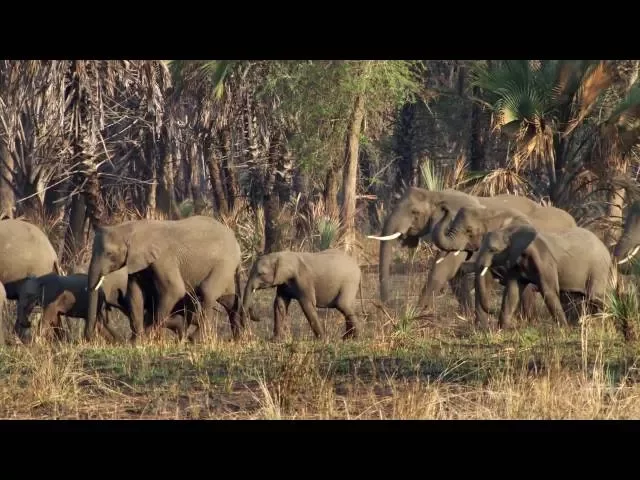
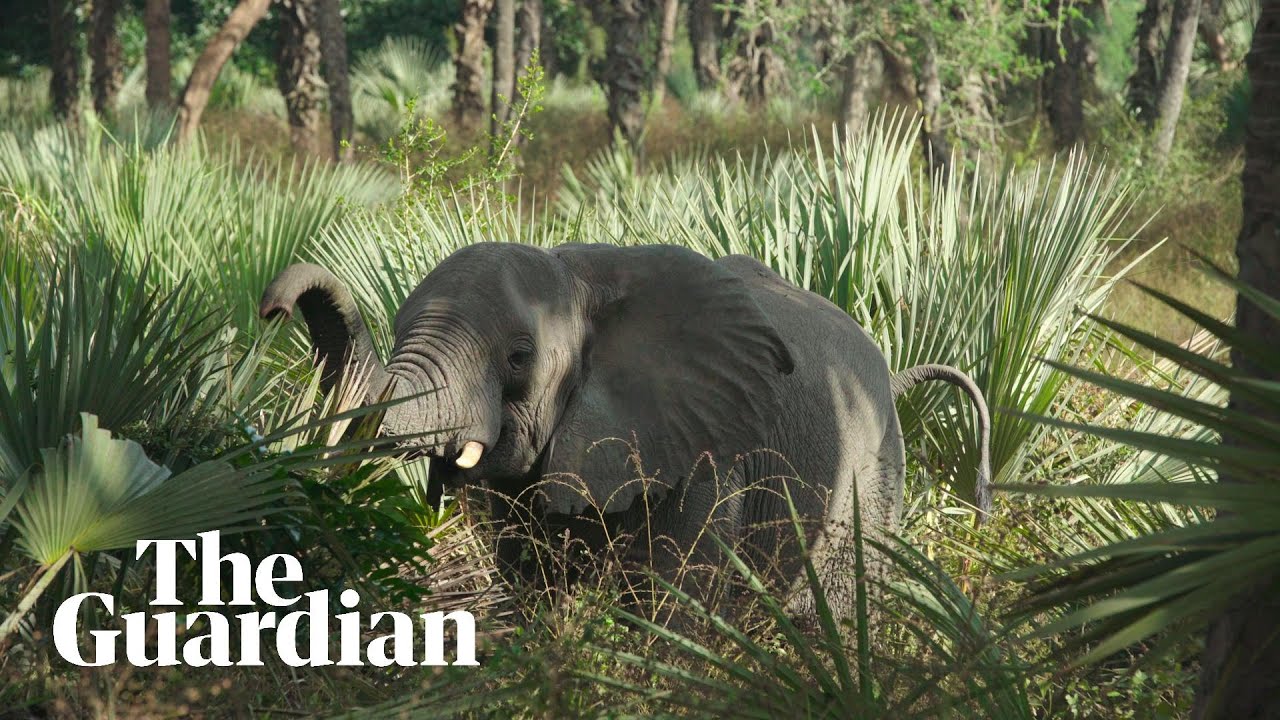
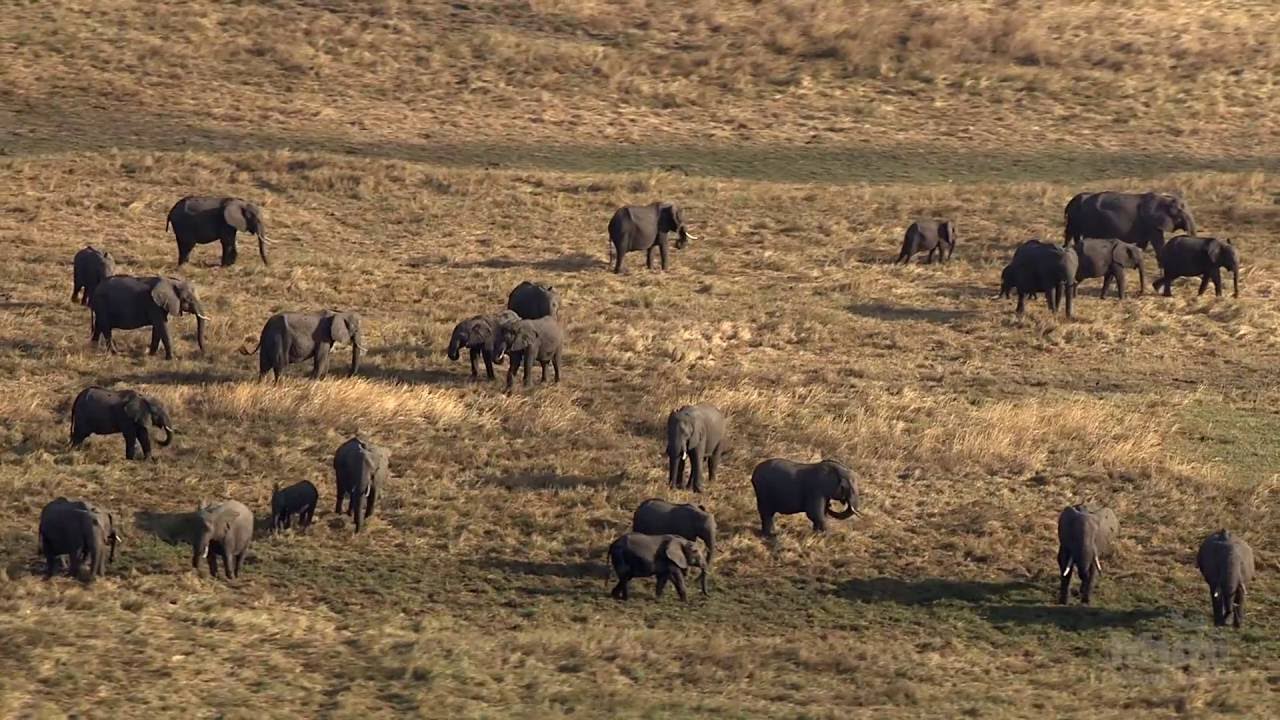
oh there's coming coming for over 40 years Joyce pool has been studying elephant populations in Africa she's one of the world's experts on elephant behavior and communication her work has taken her to gorang Goa National Park in mosambique where she's working with local scientists oh the big guy is coming out right he's the same guy anywhere on the camera traps who was in The Farms I'm studying the status of the gorang Goa elephants looking at how they have and are recovering from a period of of heavy poaching many of the large mammals and over 90%
of gorang Go's elephants were killed during a civil war that lasted from 1977 to [Music] 1992 so even though it's 20 years we can see that there are real scars on this [Music] population sa machine the scientists are monitoring A peculiar characteristic one that they have also seen in other African [Music] Parks some elephant populations seem to be missing their tusks since 2008 the gorang Goa restoration project has been protecting wildlife in the park and monitoring their recovery the elephant population is slowly growing back to a healthy size by studying the recovery of gorang Go's
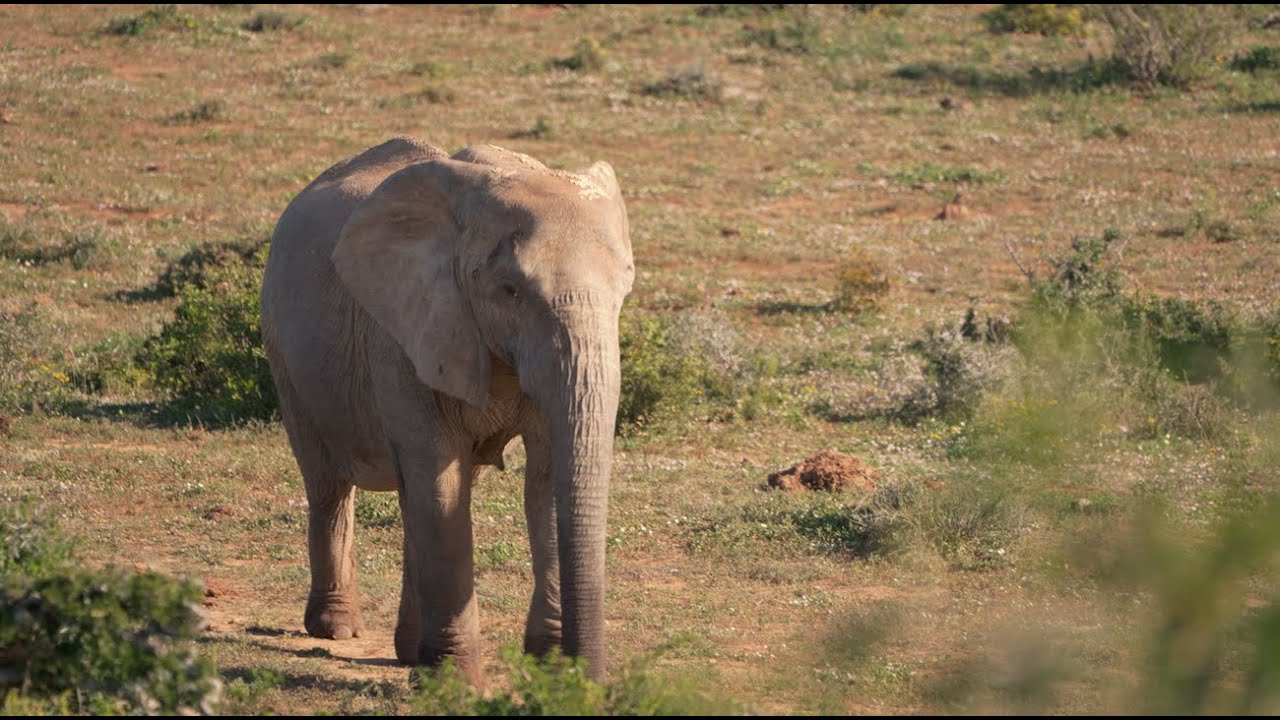
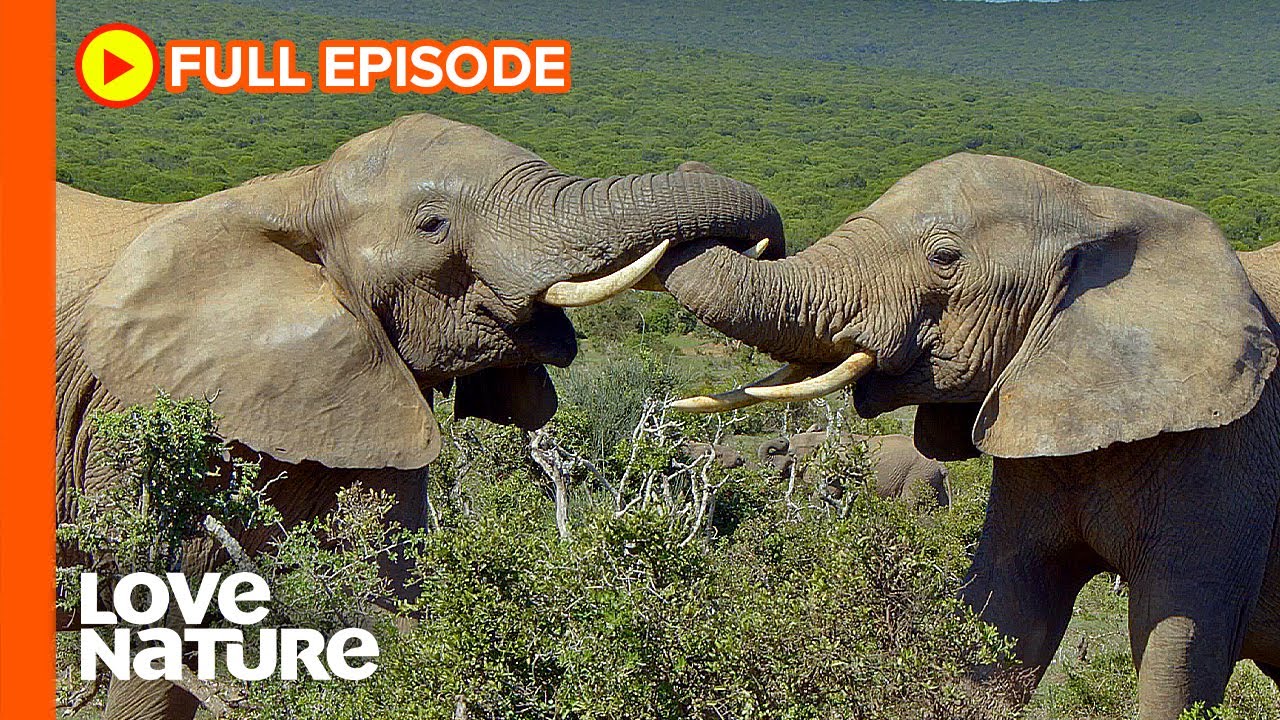
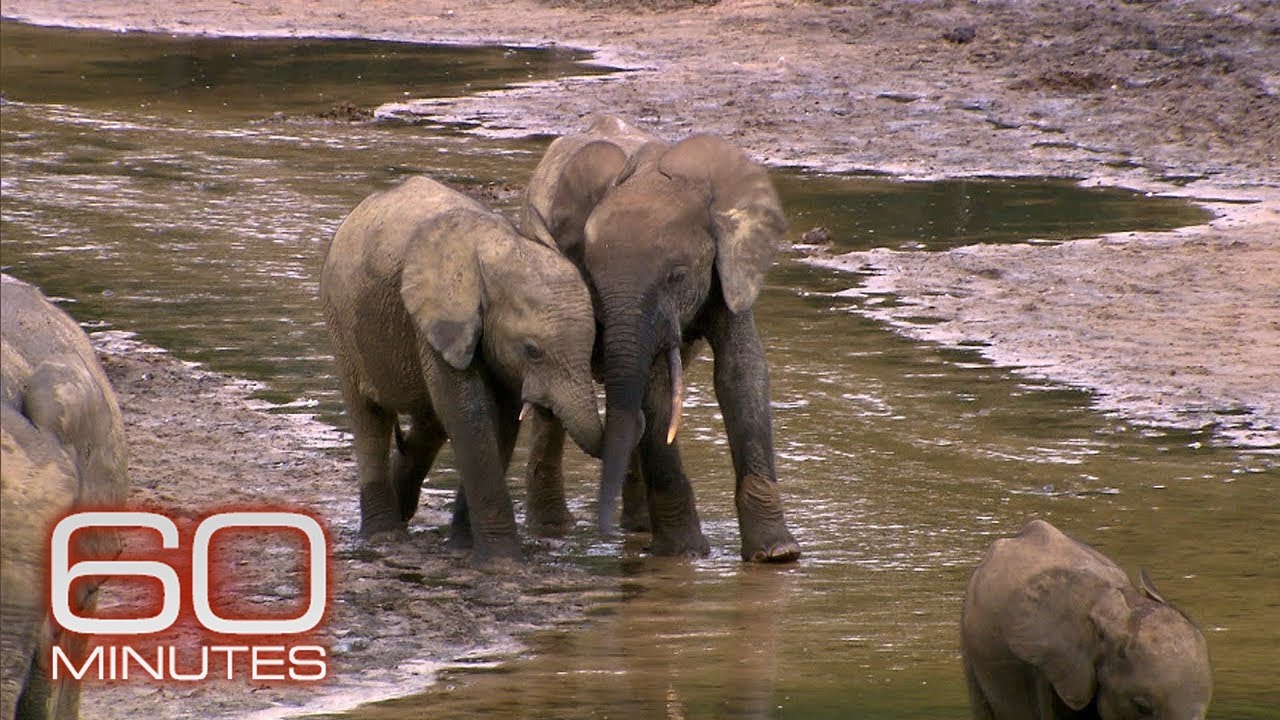
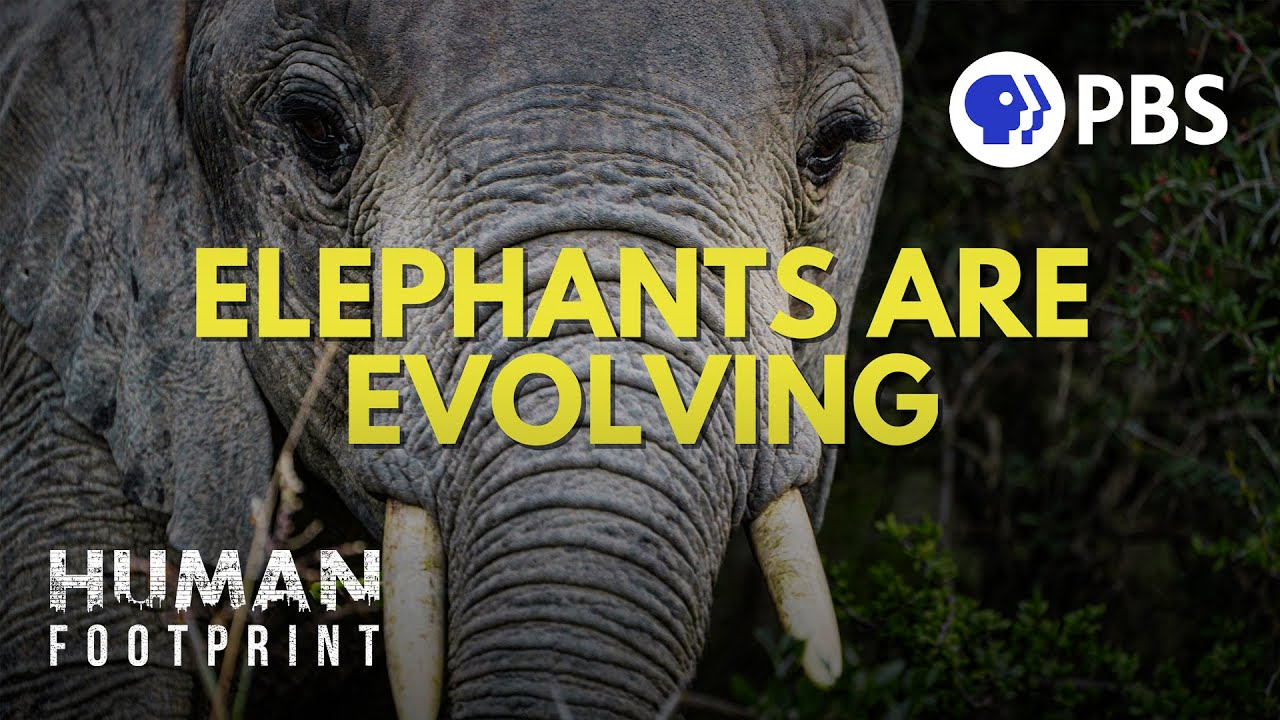
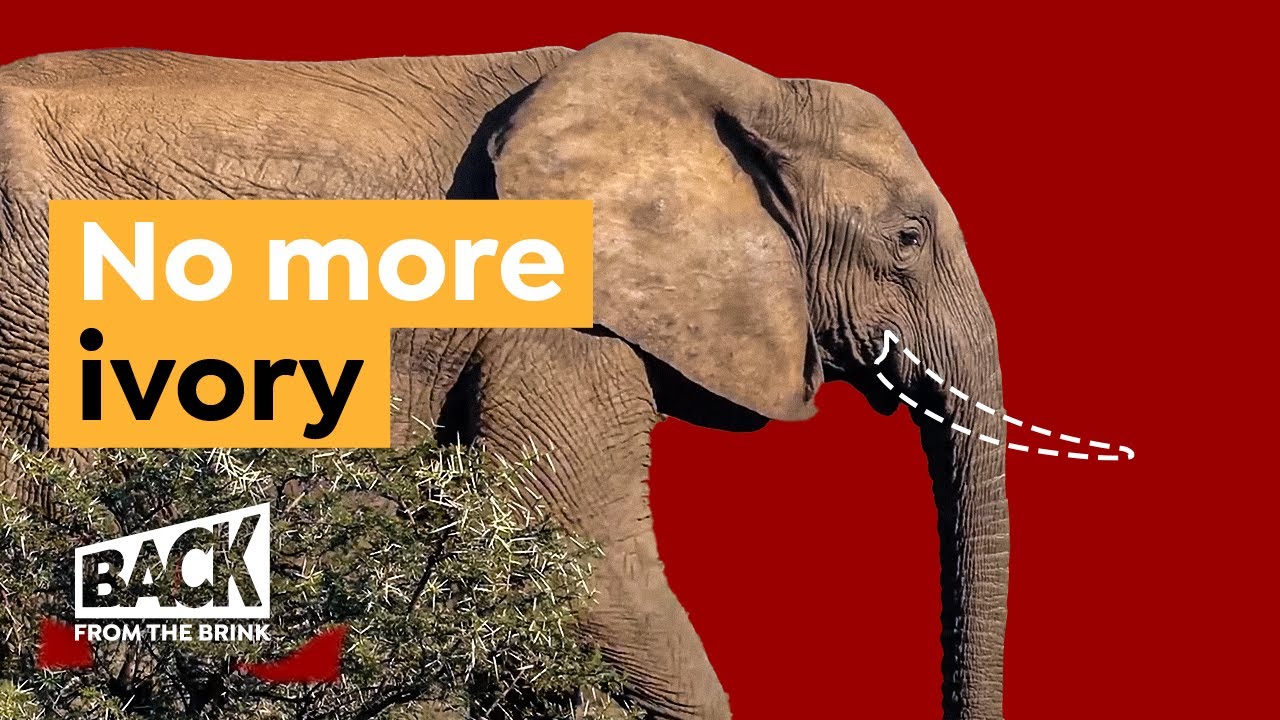
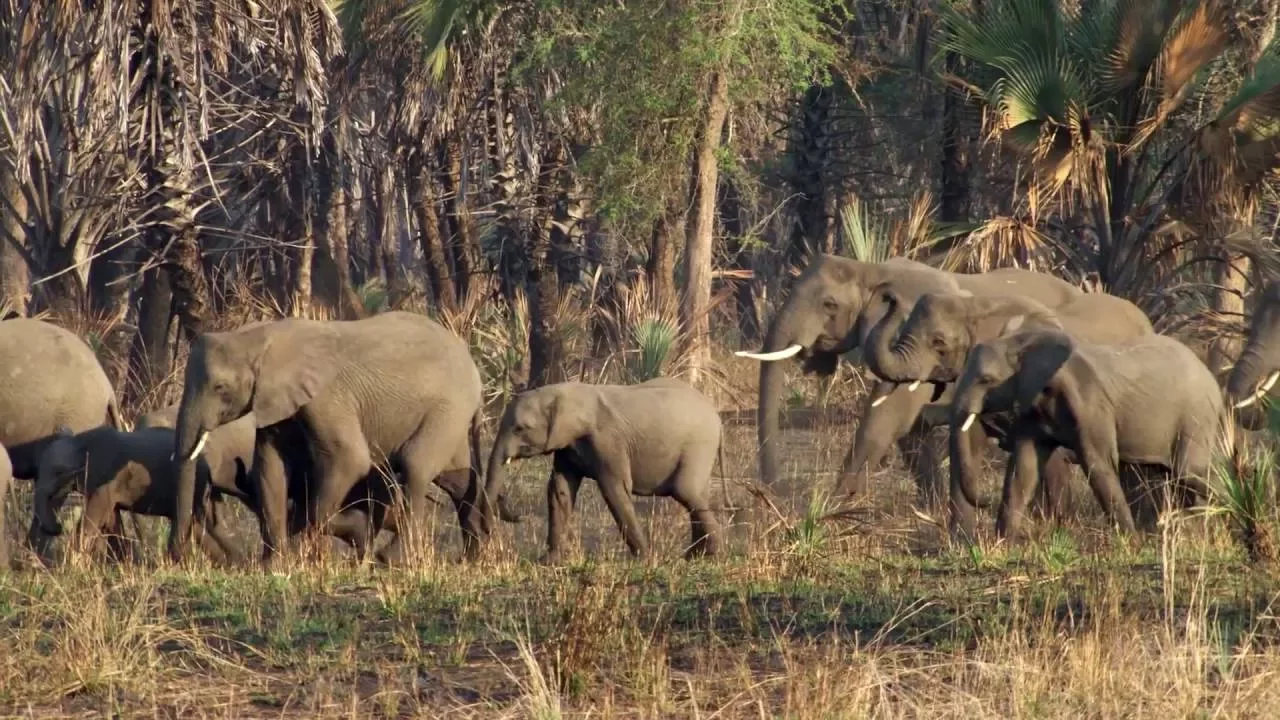
elephants P observed that many females lacked tusks the first day I was here in 2011 I met a group of 50 elephants most of them were were tusas so I knew kind of straight away when I came here that that there was a high proportion of tusklessness tusks are a pair of elongated teeth the enzers that continue to grow throughout an elephant's [Music] lifetime elephants use their tusks to strip bark off trees and dig holes for water and minerals [Music] males use them in contests against other males to win over females elephants use their tus
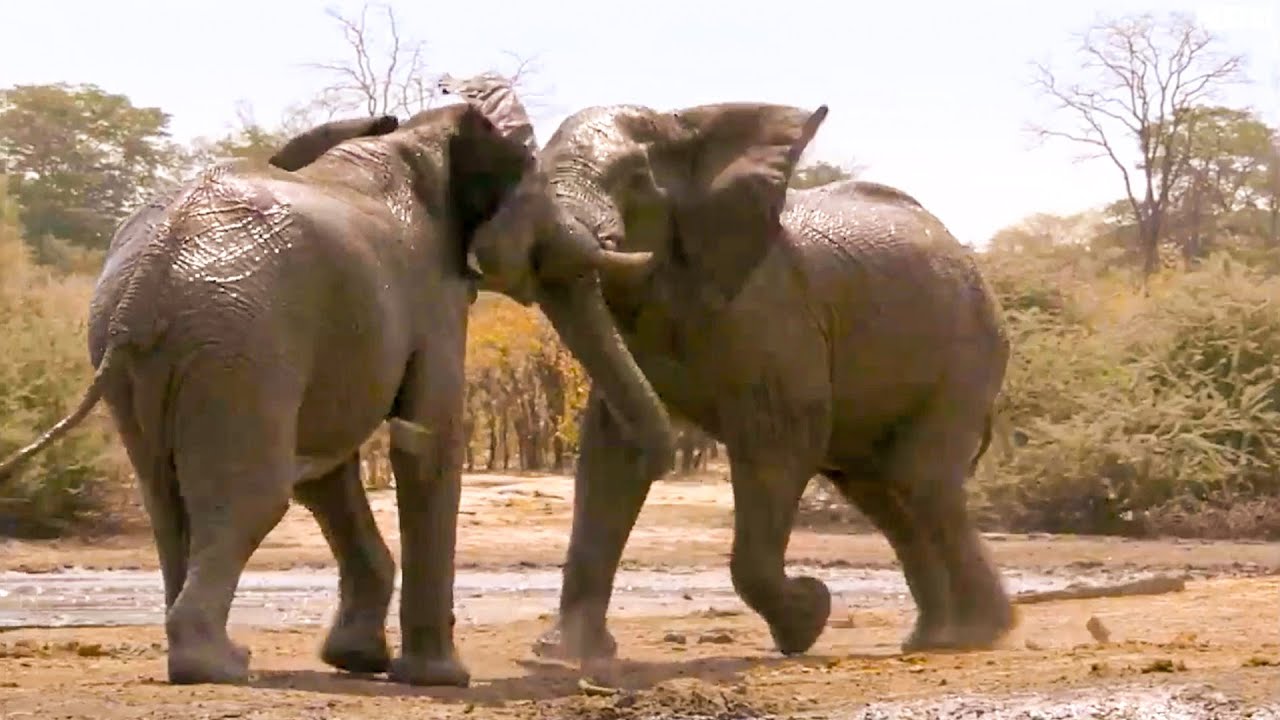
all the time for males tus are really important because males are fighting one another for access to females and if you don't have tusks you risk being severely wounded so there's a very strong selective pressure among males for tusks because tusks are so critical to the survival of males tuskless males are extremely rare but a proportion of female elephants are typically tuskless in populations less affected by poaching tuskless females are only 2 to 6% of the total number tusklessness just like having tusks is a natural trait and it's it's inherited like bigger ears or smaller
ears or green eyes or blue eyes it's an inherited [Music] characteristic during the Civil War in mosm Beek large tusked elephants in gorongosa were killed for their Ivory which was sold to buy arms and ammunition more of the tuskless female elephants survived here in gorang Goa among the older age class that is the ones who were already adults during the war when there was Heavy poaching they are 50% tuskless coaching selected for tuskless females it ends up with a higher proportion of tuskless animals who then reproduce and tend to produce tuskless Offspring surveys conducted by
pool and colleagues indicated that 33% of females 10 to 20 years old are tuskless no tuskless males have been found any animal who's under 20 was born after the war so they are not a consequence of poaching or at least not directly but they would be a consequence of maybe being born of Tusa mothers pool has observed large tusas populations in other African countries where elephants are heavily poached to support the ivory trade some of like the Salo in southern Tanzania uh Queen Elizabeth both of those populations went through heavy poaching in the in the
80s and Salo again now and they have also very high levels of tusklessness in this day and age now with all the poaching that's going on actually the tuskless elephants are at an advantage because they are not being targeted for their tusks the insatiable demand for Ivory is driv driving complex changes in elephant populations not only are elephant numbers decreasing across the African continent due to habitat loss and poaching but elephant traits are also changing as a result of this ongoing threat [Music]