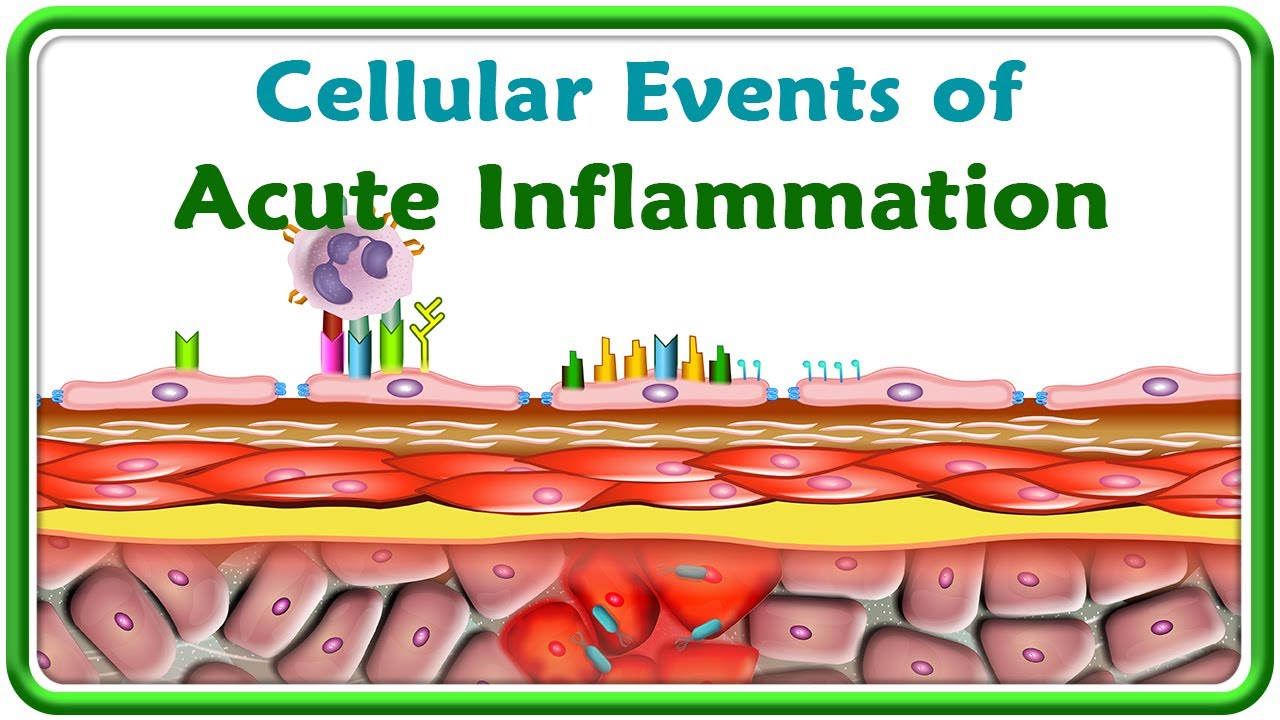
this is about the inflammatory response of the innate immune system here we have the skin and reciting Under the Skin are fago sites tissue fyes and also Under the Skin are special granulocytes called mast cells which contain histamine granules within the cell there are also blood vessels all around the skin I will draw one big one for Simplicity now inside the blood vessels you can find red blood cells or erthrocytes and lucco sites white blood cells such as vascular phagocytes which differ from the tissue phagocytes and monocytes and also circulating in the vessels are various
proteins such as mainly inflammatory mediators so the inflammatory response Begins for example with an injury to a body in this case injury from a knife which has successfully passed through the first line of defense which was a skin and hair this opening causes pathogens to infiltrate the body for now the pathogens are bacteria which have all specific antigens on their surfaces one of the many things that happen first is it can be that M cells are able to recognize the invasion and begin releasing their granules containing histamine which causes a transient increase in vascular permeability
and causes vasor dilation of vessel walls now very important to know is how your immune cells are able to recognize these bacteria pathogens well it turns out that mostly all pathogens have these things called pathogen assoc Associated molecular pattern or PMP which allows the immune cells to recognize them as foreigners and so initiate an immune response attracting the immune cells PM is not found in the body only in foreign pathogens click on the pathogen Associated molecular pattern link to learn more about pm and how it allows the immune cells to detect it now inside all
mentioned inside the blood vessels we mentioned that there were various proteins especially the inflammatory mediators which are the essentials for the inflammatory process well there are three important ones which you can look further into the first is arachadonic acid second kinin and lastly plasmans please click on the links to look into it further otherwise continue with this presentation so again we have the layers of the skin and blood vessels and remember that the histamine from M cells caused Vaso dilation and increased the permeability of vessel walls now all the BL blood rushing around causes the
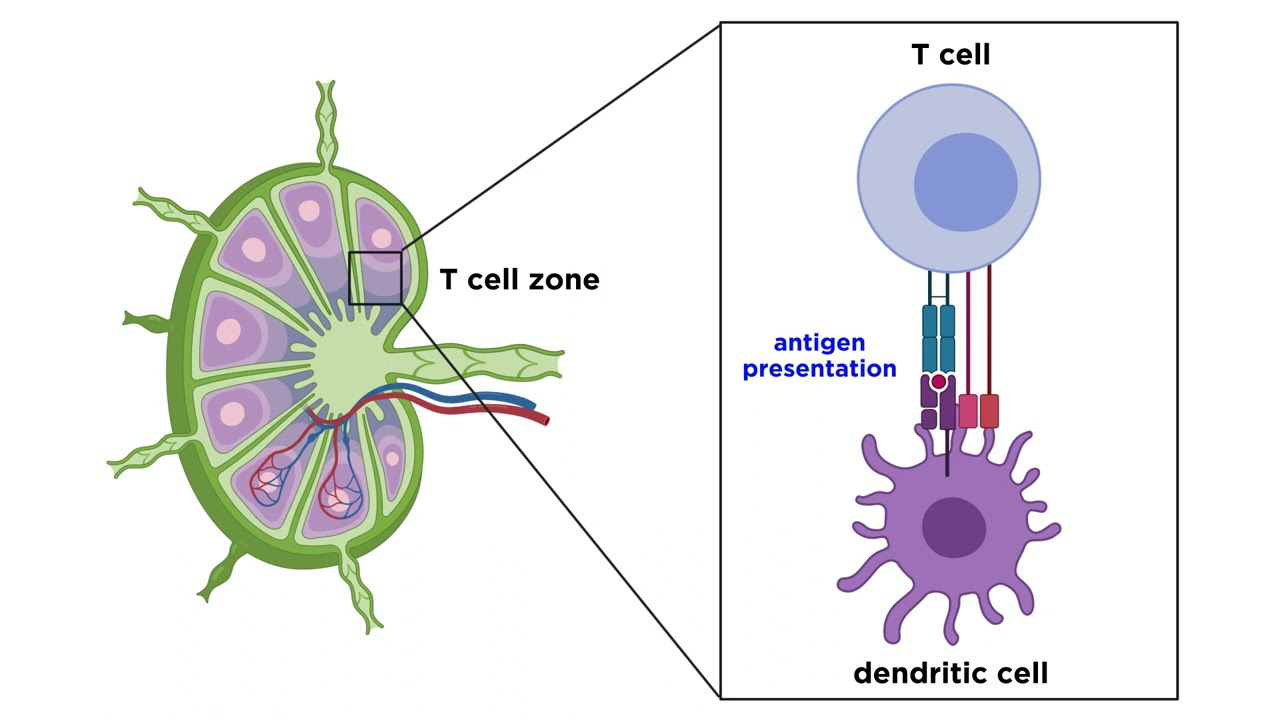
signs and symptoms of inflammation the pain swelling and redness the coagulation and healing process begins click on the link to learn more about this process otherwise just continue the tissue fagos sites residing Under the Skin are mainly special dendritic cells called langerhan cells and the big macres please note that both are also antigen presenting cells so once the bacteria successfully infiltrates the body with their pathogen Associated molecular pattern we learned that the mass cells begin releasing histamine causing Vaso dilation and increase the vascular permeability now the tissue phagocytes the macrofagos and leran cells also through
PM are able to detect these pathogens and begin secreting cyto cyto are used for communication with other cells in this case it will increase vascular permeability attracting more immune cells to the injured area and the infiltrated area click on the cyto link to learn more about the various cyto kindes secreted during the inflammatory process and how it exists in the immune response now the increased permeability allows immune cells such as neutrophils and monocytes to slide through vessel walls so as a monocytes SL slide through the vessel walls and go into the tissue it actually becomes
a maccrage so inside the vessels there are monocytes but once they are out they are macres and also the fos the special fyes neutrophils with three loes as its nucleus now neutrophils are the most abundant Lucy found in the body it passes through vessel Walls by a process called diapedesis or immigration another interesting thing that occurs is that a process called opsonization occurs on pathogens which basically coats the pathogen so that the phagocytes and other immune cells can more easily recognize and eliminate it we will look into this opsonization uh later on in more detail
so again here we have the skin and blood vessels phagocytes and antigen presenting cells such as macres and lucites are found under the skin we learned that when the pathogen such as bacteria goes inside from the injury the coagulation and healing process occurs now the pathogen Associated molecular pattern allows Moss cells to begin releasing histamine and The Binding of bacteria to fyes causes the fosy to secrete various cyto which increases vascular permeability and attracts more immune cells to the area such as neutrophils the most abundant Lucy and fosy in the body remember that these neutrophils
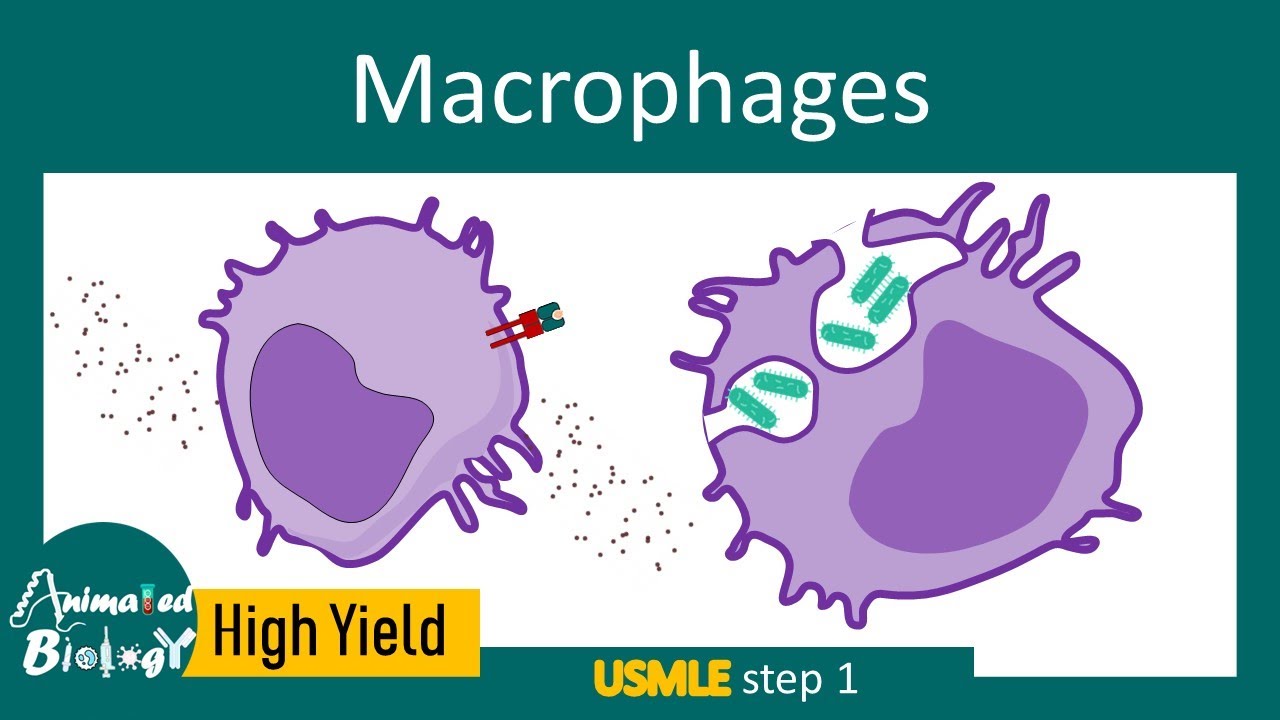
come from the blood vessels through a process called diapedesis or immigration click on the link to learn more about this process now also the mono sites um as it leaves the vessels the blood vessels into the tissues it actually becomes we learned that it becomes macres and these me so macres and these macres are here drawn here I will denote as an m o with an X with an O now our now these m o macrofagos are able to easily find and consume these pathogens bacteria because of the pathogen Associated molecular pattern and because of
a process called opsonization which coats the pathogen which allows the pathogen to be easily eliminated so how does opsonization occur well there are proteins in the blood stream mentioned earlier the kinin and plasmans which activates a group of complement proteins which initiates the complement Cascade now the complement Cascade can then either op opsonize the pathogen allowing it to be easily eliminated by fides or it can destroy the pathogen by rupturing its membrane click on the link to learn more about the complement proteins and how it initiates the complement Cascade so let's summarize this presentation this
is not uh the step-by-step process cuz these processes can happen simultaneously or one before the other depending so we learned that first the injury occurs the bacteria infiltrates the body the coagulation Begins the healing process begins and the signs of inflammation occur the redness swelling and pain next we can say that the mass cells because of the patent Associated um pattern the pathogen Associated molecular pattern The musel receptors recognize the bacteria releasing histamine causing vascular permeability and vasil dilation now as mentioned the pathogens contain PM which are not found in the human body and the
pathogen Associated molecular patent PM it basically attracts lucites initiating the immune response P also initiates the in initiates the inflammatory response attracting inflammatory mediators such as arachadonic acid plasmans and kinin um the phagocytes then begin destroying the pathogens releasing more cyto kindes attracting more lucites immune cells in the area the vascular permeability and vasor dilation allows more Lucy such as the neutral fill to come and pass through the vessel walls more easily and for easily spotting and destroying the pathogens the the complement system um the Cascade is activated through the plas enkin so please click
on the innate immunity antigen presenting cell to continue this presentation into the adaptive immunity and also there's other links available if you want to learn more about other specific things thank you please comment and subscribe