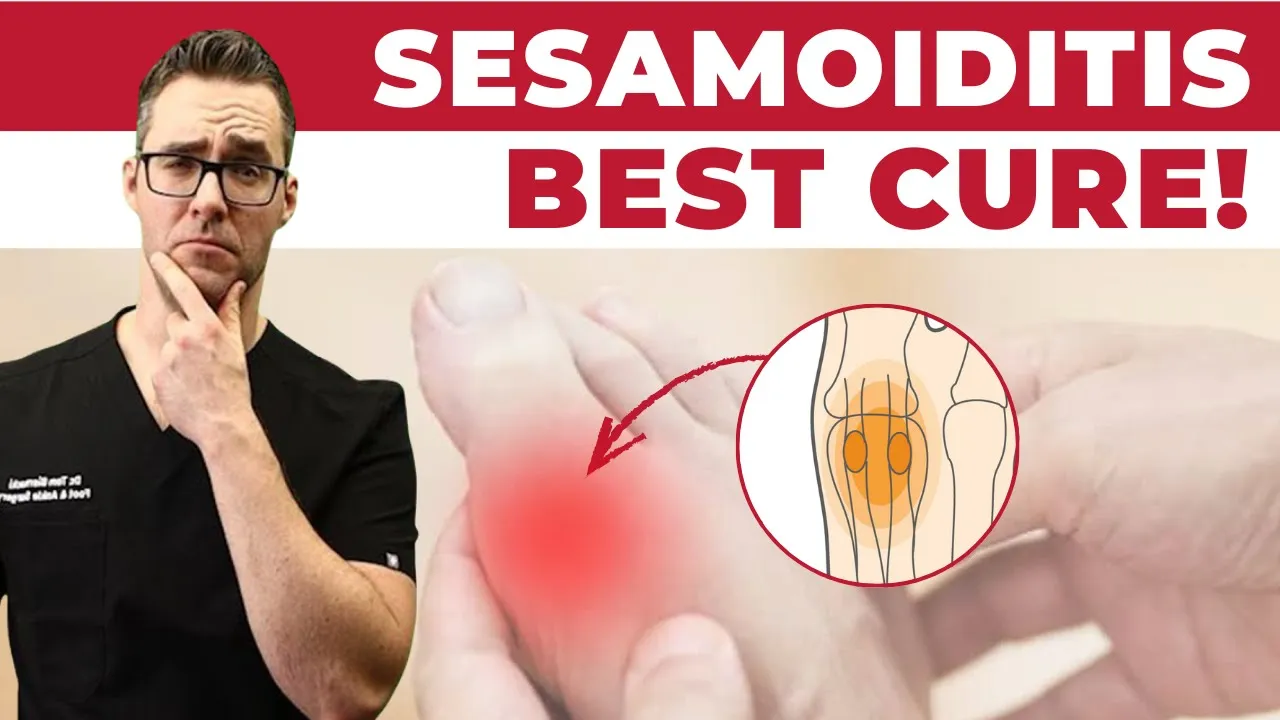
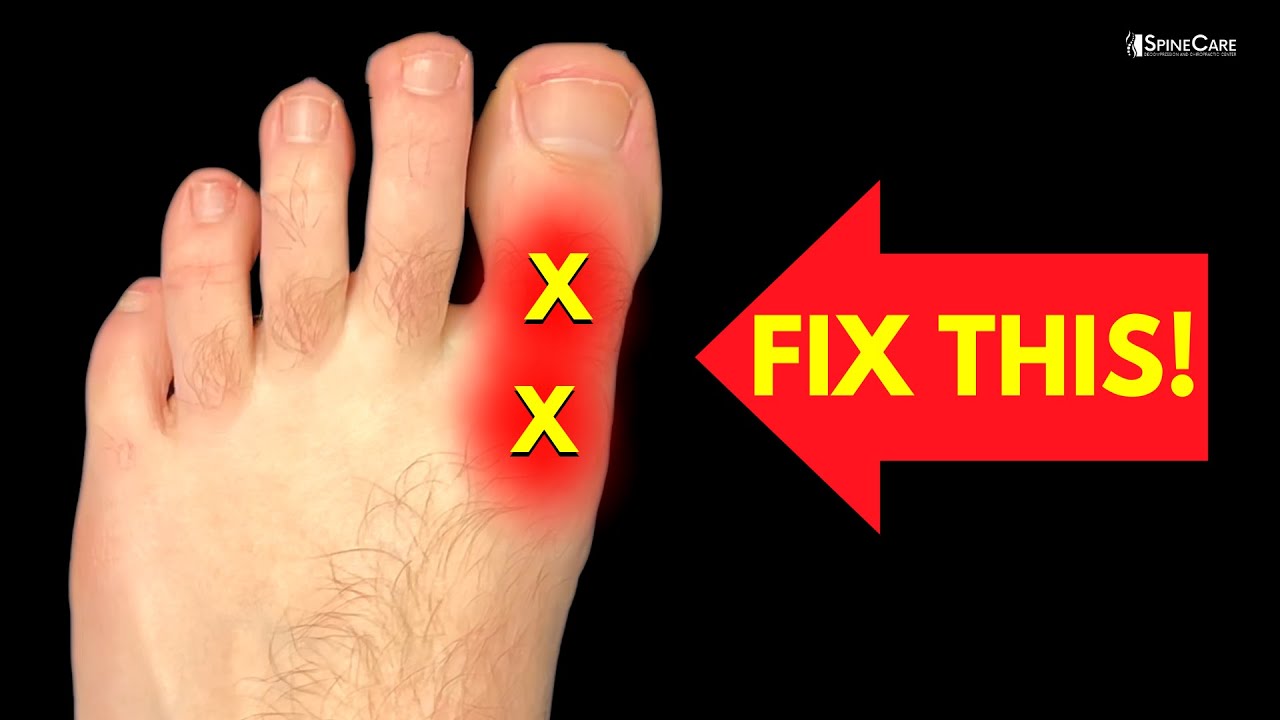
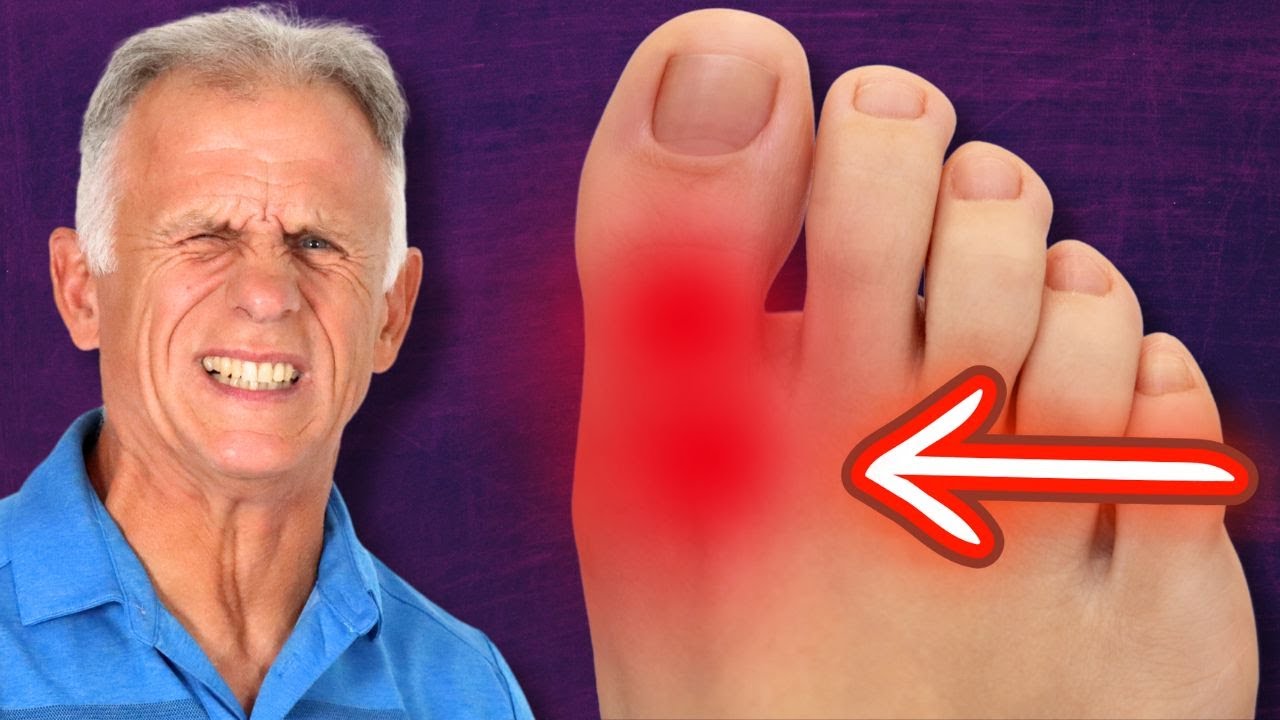
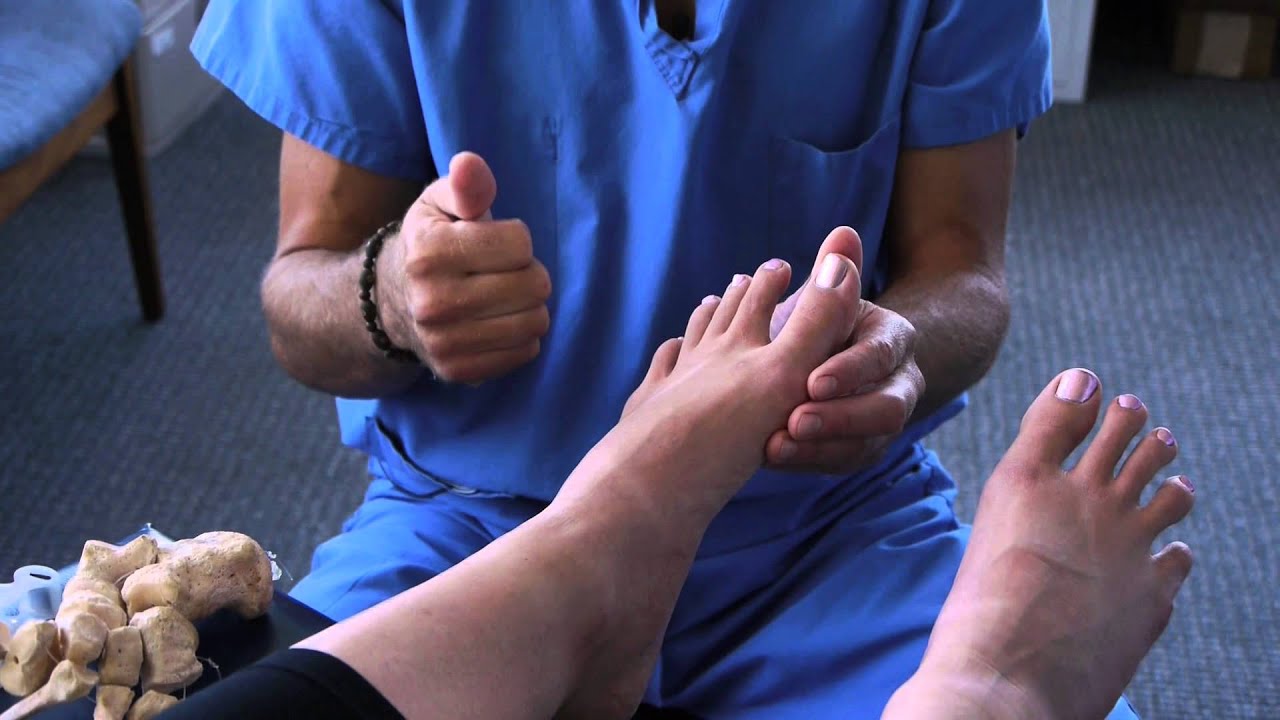
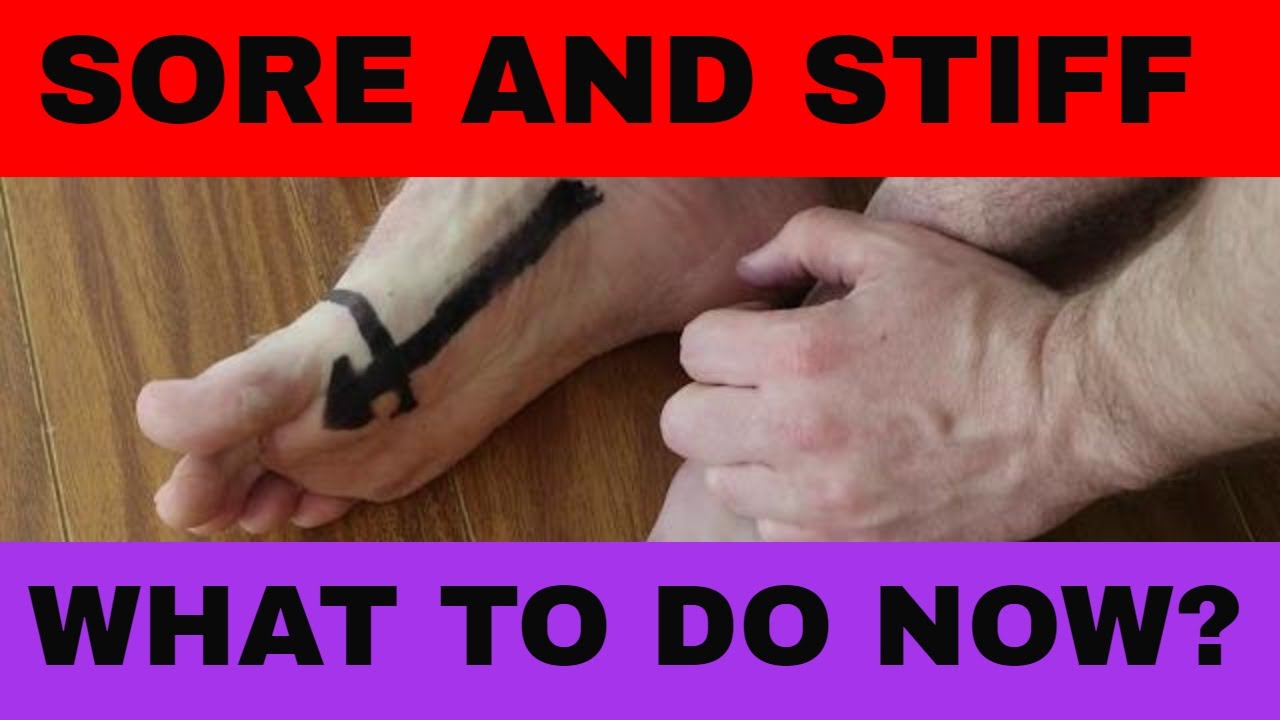
these two bones down here are called the sesamoids these are the source of a lot of pain a lot of terror to your foot and we're going to show you the absolute best tricks massages stretches inserts shoes tricks taping that you can do to get these little sesamoids right here these little bones that cause so much pain to get feeling better and we're starting right now guys thanks for subscribing to the best foot care channel on youtube in our opinion of course but we're working our butt off to help you subscribe this is the sesamoid
region these are your two sesamoids so you have your tibial sesamoid and your fibular sesamoid what happens is when you land on this area it creates pressure on the sesamoid region so when your big toes bent up you can see that's a high pressure area when you're landing on the front of this area right here with your big toe bent up you're jamming your sesamoid bones this can create a lot of paint so what's common is you could break the tibial sesamoid or the fibular sesamoid so sesamoiditis is when these two bones right here are
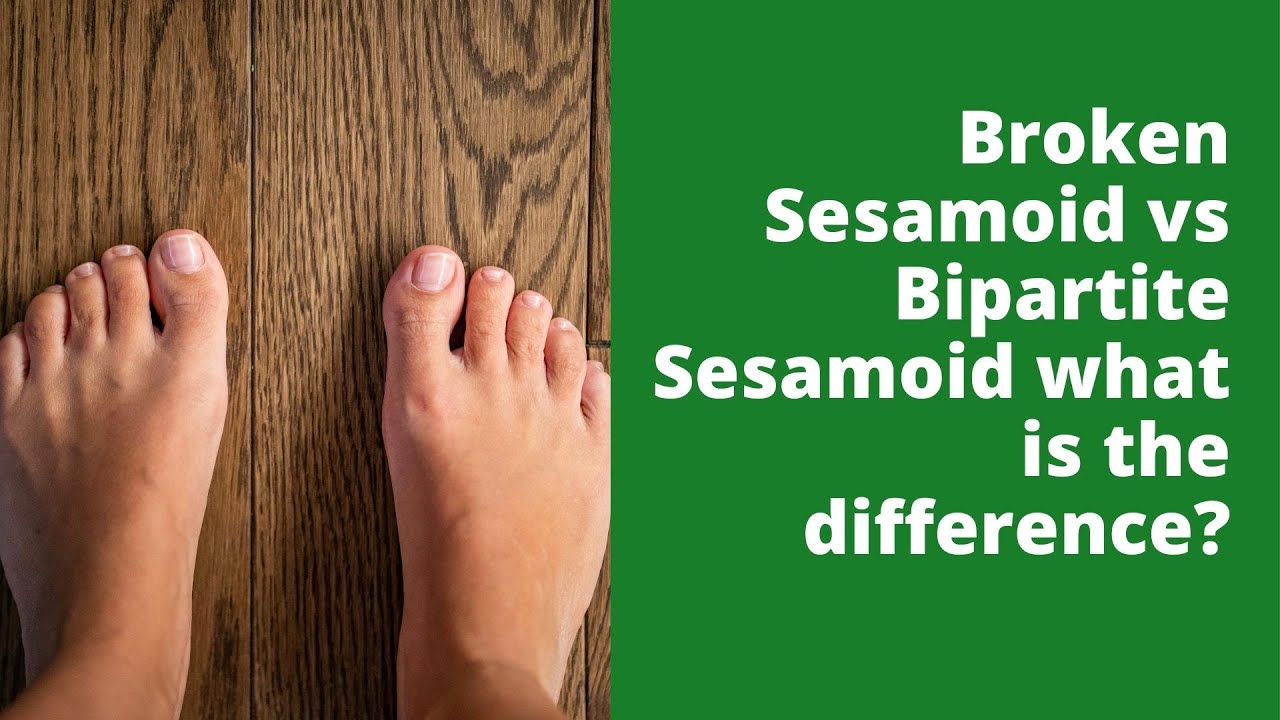
inflamed the next step number two is when you can develop a stress fracture within them so that's a fracture of the sesamoid or number three you could dislocate or displace the sesamoids this can happen in a severe injury like a severe turf toe injury a fracture or a pretty significant severe bunion can do this as well these are the sesamoid bones right here these two little bones this is the fibular sesamoid and this is the tibial sesamoid when you walk it jams and planar flexes the big toe joint like this so take a look right
here these two bones are jamming into the ground right there if you have a high urged foot if you're jumping up and down like a volleyball player a basketball player if you're doing a lot of forefoot running that's kind of the barefoot running shoes if you're doing any of this stuff if you're standing on your feet all day this could be sesamoiditis and this could take so long and i mean we see patients with years of sesamoid pain where they actually think about cutting out their sesamoids don't do that we're going to show you some
great ways to get this feeling better but as always the number one thing you want to do is you want to see your podiatrist if worried because an x-ray an mri a ct scan these things show us if that's actually the injury the biggest mistake you can make is get the wrong diagnosis and waste years treating the worst injury gaining weight losing athleticism not being able to work so don't fall into that trap a really simple and easy way to mobilize the cessnoids is to get a piece of tape rip it in half and in
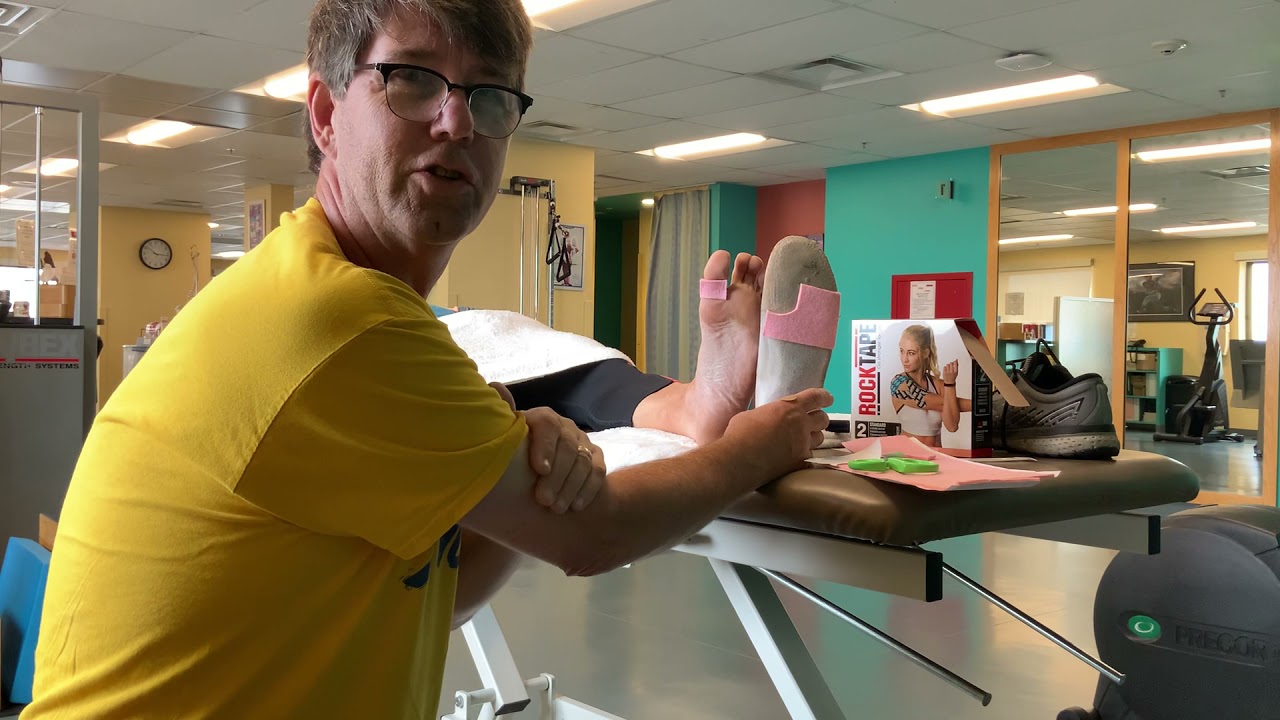
opposing circles so right there i just want to get that wrinkle out of the tape make sure it doesn't crinkle or that's going to bother you but simply holding it down so see how the toe is straight and not bent up those two pieces of tape in opposite directions will now prevent it from bending up so adding a second layer will make it even stronger and you can see right there there's no way that toe's going to really bend up see i'm trying to push it up right there but it won't bend up so as
i'm walking it goes up about 10 to 15 degrees rather than the 90 degrees when you're jumping or pushing off but make sure you don't have hair on your legs i'm also a huge fan of avoiding medications so ibuprofen tylenol advil these things do help they bring the swelling level down but the problem with this is it doesn't get to the root cause if you take some pills but keep jamming the bone into the ground it's going to keep staying bruised it's just numbing the pain you're not getting to the root cause injections work great
so i like to do injections but mainly to inject the area to see where the pain is coming from this is not something that's going to cure your pain although we can put some anti-inflammatory in there the real key is to make sure hey is this joint where the pain is coming from because if we inject the joint numb it but the pain is not changed that might mean a nerve from the bottom of the foot or the ankle or a different issue could be causing that pain an ice bottle right here rolling it back
and forth that could numb and cool the inflammation to the bottom of the foot the big toe joint the arch freeze a water bottle this is cheap it's almost free and then you just roll it across the bottoms of your feet for chronic foot pain this is one of the single top things you could do this could take a lot of pressure off the bottom of your feet this could get you feeling really good so 20 minutes at a time and the idea is the ice constricts the blood vessels that let inflammation into the sword
joints and when they open back up afterwards it flushes that fluid out of there so the ice model works really well this is a heat pad does heat work well it can but with realistically chronic injuries it can work okay but with an injury that just happens heat's not as good so i'm chucking my heat bag away going back to the ice bottle just freeze it massage it get that blood constricted and then flush out the inflammatory fluid that can work really well another great option is a massage roller stick there's a lot of different
variations of this but basically loosen up your calf muscle loosen up the bottom of your foot this will relax the pressure onto the ball of your foot and the reasoning for that is it makes you lean into the ball of the foot less if you're massaged and looser in your muscles so i'm a huge fan of the massage roller stick it's like seven to ten dollars online at any given point or walmart go get it if you're having a lot of pain sometimes a cast sometimes a boot these things can do it because you can
actually have what's called a sesamoid fracture if the bone gets so sore that it breaks this can take six plus months of pain before you even realize this this is tough and i mean i've seen this happen a lot and people really suffer it ruins their job and their sports careers so what you want to do is get it x-rayed and then you want to be in a cast if it's so severe and it's broken because it does happen for sure what's practical for sesamoiditis though is realistically take a look at a shoe like this
when you walk look at it jams your foot there's no support here there's nothing here and what happens is you're jamming your big toe simply getting the right shoe as an example something like this look it's impossible to jam the front because the shoe rolls there's something like a curve here and that's called a rocker bottom these shoes are actually designed to curve and walk whereas a shoe with less support look it can jam i can't really roll across here look i'm trying but it gets stuck whereas this one it just rolls back and forth
by itself so i know it seems like i'm doing a trick but i promise there's a curvature on there and a walking boot has a curvature on the bottom too these are called a rocker bottom effect and this can get a lot of pressure off the big toe joint another thing that really helps is a stiff insole in the bottom of the shoe so what that means is when i'm walking take a look right here i'm pushing up see how the big toe bends see how it bends like this when i load it whereas watch
this with an orthotic this is like 20 30 bucks online take a look here the arch right here is absorbing all the pressure right here and there's no pressure going into the big toe joint so realistically if you have a shoe like this that rolls because of that rocker bottom effect and by the way look at how much cushion there is here right there that's that much cushion for the area whereas this one has almost nothing that's called your stack height i know there's a lot of theories about barefoot running being good for you but
that's for a healthy foot that's not one with sesamoiditis or a broken toe it's kind of like if you had a broken ankle that's not the time to be doing barefoot walking a healthy foot with strong muscles and a healthy body that's the time to be doing barefoot walking so getting back to the point is you want a great shoe with a great rocker bottom a great insert that supports you and do you need a custom insert maybe i can make a custom insert with an actual cut out hole where the big toe joint is
so these two bones can actually drop in there so a custom insert can work really well where those bones drop into that hole cross training is huge too if you're a runner switch to biking switch to swimming switch to push-ups sit-ups hit the weights if you can't squat because your toe hurts maybe try something else try leg extensions you know try sitting on your back and working out your hamstrings by lifting your pelvis these things work really well you have to cross-strain so it can heal here's what you can do at home you want to
actually get that flexibility up in your ankle and that lets you stretch and be able to walk normally because if you have one leg tighter than the other you're always going to be putting more pressure on your sesamoid bone the real problem to sesamoiditis is there's too much pressure on the two tibial and fibular sesamoid bones and this is usually because there's more pressure on that front of the foot and this is going to make sense in this example right here look at my right foot it can bend back and has more motion than the
left foot see that there is about a 10 degree what's called dorsiflexion so upward bend of the ankle so i'm going to lean into the left foot more than the right so see that the right foot bends up more past 90 degrees versus the leg whereas the last one left one i can't really pull it up take a look there 10 degree difference that's going to mean that on my left foot i'm gonna put more pressure on these two bones especially if the sesamoid bones are sore inflamed already i know in this example it's my
right foot but this is for demonstration purposes only if it's the tighter foot it's usually the foot that puts more pressure on the ball of the foot the metatarsal heads and the sesamoid bones that's when it starts getting really bruised so you have to stretch that out and take pressure off there if you understand that cesspoint principle get yourself a massage roller stick and a foam roller it starts from your lower back and your hips it will give you more flexibility in your legs so every morning i would get up and for like 30 to
60 seconds massage roll your lower back your hips roll back and forth your hamstrings look at that it's not taking a long time at all that already is scientifically proven to help loosen up your hip motion your hamstring motion your calf muscles look at that as i loosen these up and massage the inflammatory fluid out of there by you know 7 8 am i'm already pretty loose whereas normally it would take me until noon to start loosening up and getting rid of my soreness and stiffness after a long day and look at that massage your
planar fascia as well all of that even these rubber balls with the little rubber nubs that will help loosen up your foot it will help with chronic foot pain so massage the hamstrings the hips the calf muscles warm it up so after you foam a little bit move your ankle around see the tight spots massage those work on those a little bit harder than the areas that aren't that sore and then you can stretch so look at that before that warm up i could barely touch my toes now i get a good stretch the trick
there is now use a towel if you can't reach your toes if you can reach the toes just pull up on them and you should feel a stretch through your calf muscle through your hamstring through your ankle that right there helps take a lot of pressure off your big toe joint it takes a lot of pressure off your cessimoin and then you can see your tight planar fascia that pushes your big toe joint down into the ground getting as much pressure off that as possible by massaging it and stretching it will take pressure off the
big toe so another good way is let gravity work for you you don't have to be using your muscles but simply leaning into a towel like that look it even though i'm putting pressure on the towel now it actually when stretched will keep pressure off the sesamoid region and that's a pretty good outcome in this case that's what we want to go for and then stretch your hips your thighs so what happens is if your legs are twisting in too much or twisting out due to a tight groin that will put pressure on your big
toe so i love something called an ankle slant board and i link some of my favorites down the description below but basically look at if i do this that's really going to hurt my toe every morning right there but you can see i can set it on a lower setting and gradually move up the settings you can see it goes from about 15 degrees to about 45 50 degrees as i move up that's a huge stretch you know if i'm not warmed up properly i can't use that top setting and it's going to make you
really hurt big toe and i'll show you how to use that with shoes later but see that you move through the settings uh don't get it dirty like i did right there and here's the trick is you put on a good shoe so kind of how i mentioned an orthotic that takes pressure off the big toe joint because you don't want to damage it while you're doing your stretching so you can use this half moon device these are like 10 to 14 bucks online i've been able to find them one on sale even if you
have to pay 20 this will help stretch out your calf and during the day it'll keep pressure off the big toe joint the sesamoid joint because that's really the key is if you can keep pressure off the sesamoid region with orthotics with good shoes and keep it stretched out at the same time you can then painlessly start using this ankle slant board and gradually as a month or two or three months go by you can move all the way to the top level you're going to be more athletic your hips your hamstrings everything should gradually
feel looser and theoretically you just started with trying to treat your sesamoids but everything's gradually feeling better you're becoming more athletic that's the true solution to sesamoid pain get after it guys thank you so much for watching like subscribe comment we appreciate you this really helps us in the youtube algorithm thank you
![#1 Big Toe Joint Pain Cure [Arthritis? Sesamoiditis? Turf Toe? Gout?]](https://img.youtube.com/vi/ctxnMGZeD7Y/maxresdefault.jpg)
![BEST Sprained Big Toe Joint Treatment [Turf Toe Treatment & Exercises]](https://img.youtube.com/vi/7GcZkJuvdAI/maxresdefault.jpg)
![#1 BEST Toenail Fungus Treatment? [Top 10 Home Remedies] 2024](https://img.youtube.com/vi/DwG7xWVRFfY/maxresdefault.jpg)
![Peripheral Neuropathy Treatment [Leg & Foot Nerve Pain HOME REMEDIES]](https://img.youtube.com/vi/PVBoWhUObKw/maxresdefault.jpg)
![How to Regrow Cartilage & Reverse OsteoArthritis? [Can We Do It?]](https://img.youtube.com/vi/w25yl6lHL78/maxresdefault.jpg)
![Metatarsalgia Treatment [BEST Ball of Foot Pain RELIEF 2024]](https://img.youtube.com/vi/fTJacT6zPq0/maxresdefault.jpg)
![5 BEST Drinks for Peripheral Neuropathy & Chronic Pain [2024]](https://img.youtube.com/vi/BqUIhqFcXn8/maxresdefault.jpg)
![BEST Toenail Fungus Treatment 2024 [+4 BIG SECRETS]](https://img.youtube.com/vi/Uq30wM7YSAM/maxresdefault.jpg)