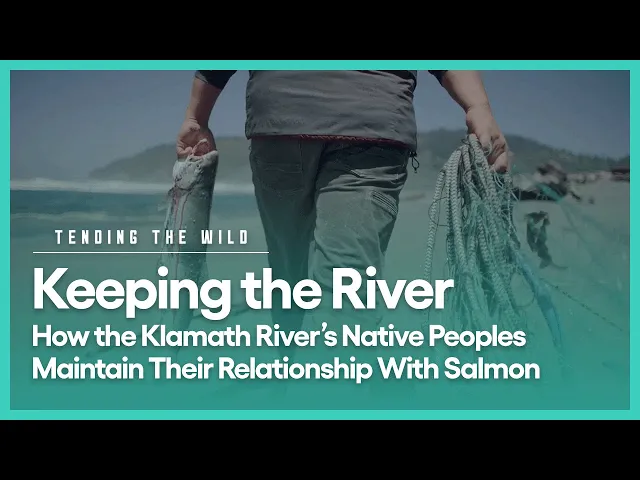
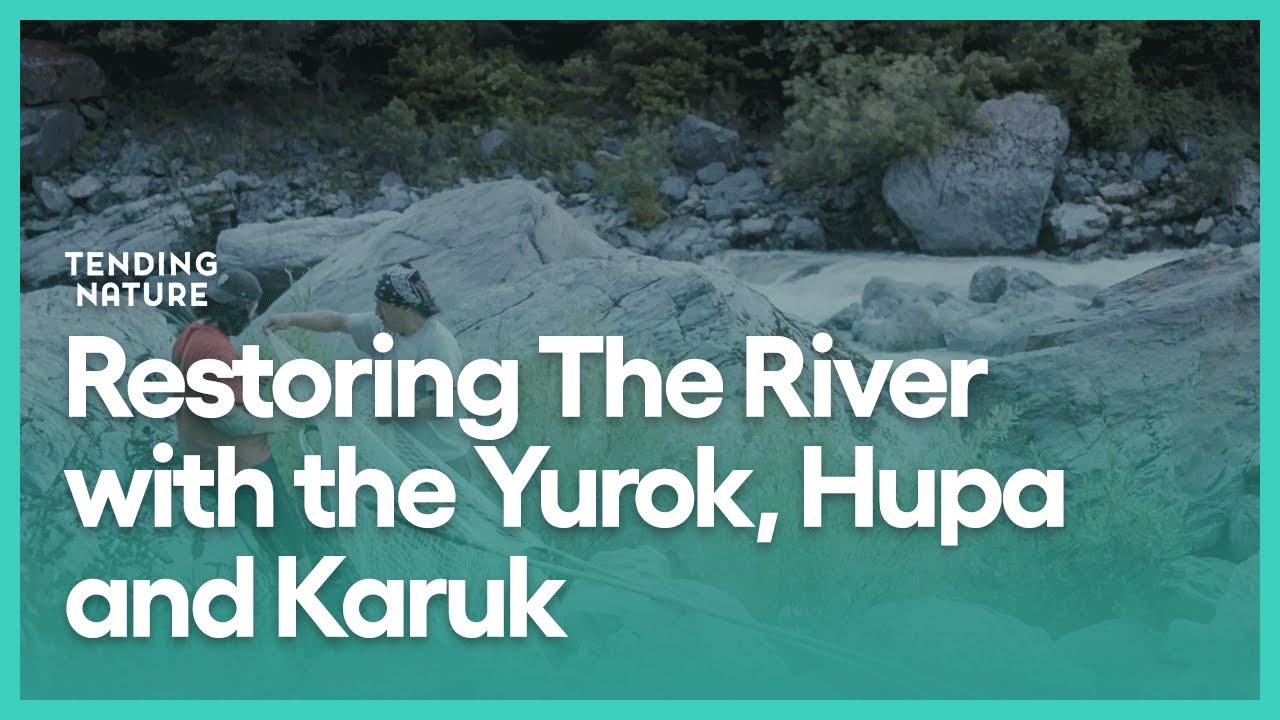
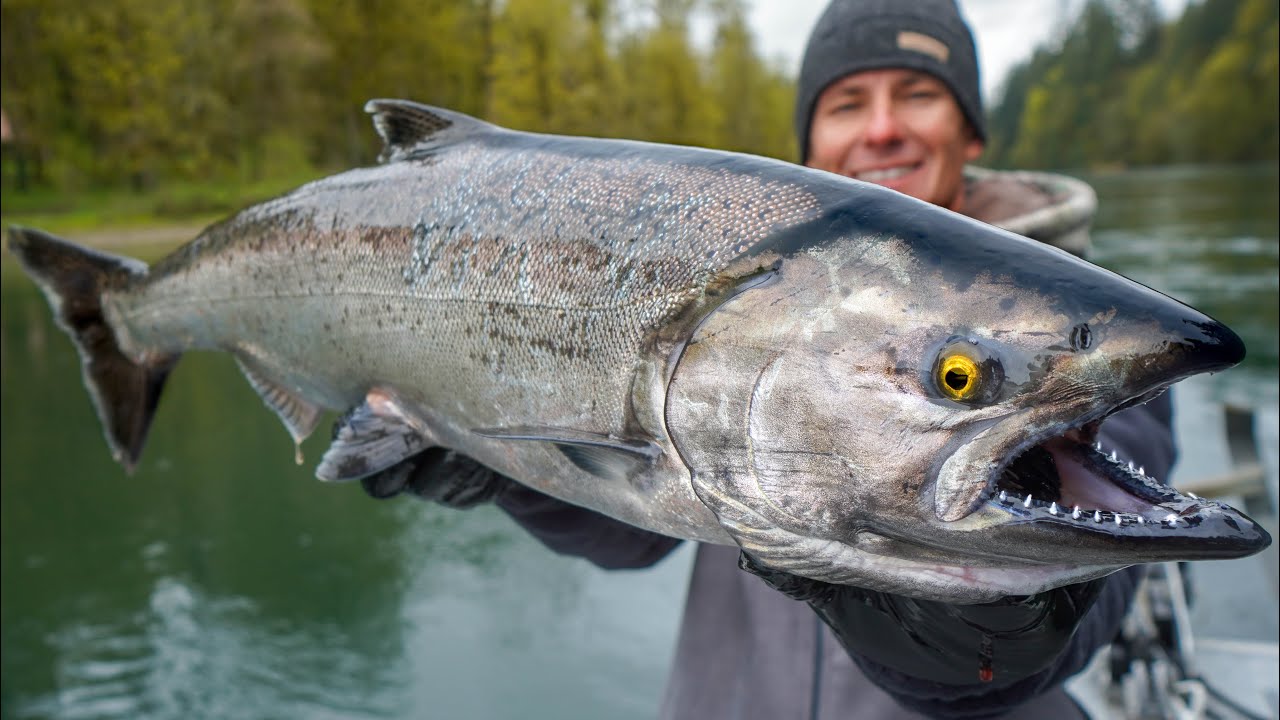
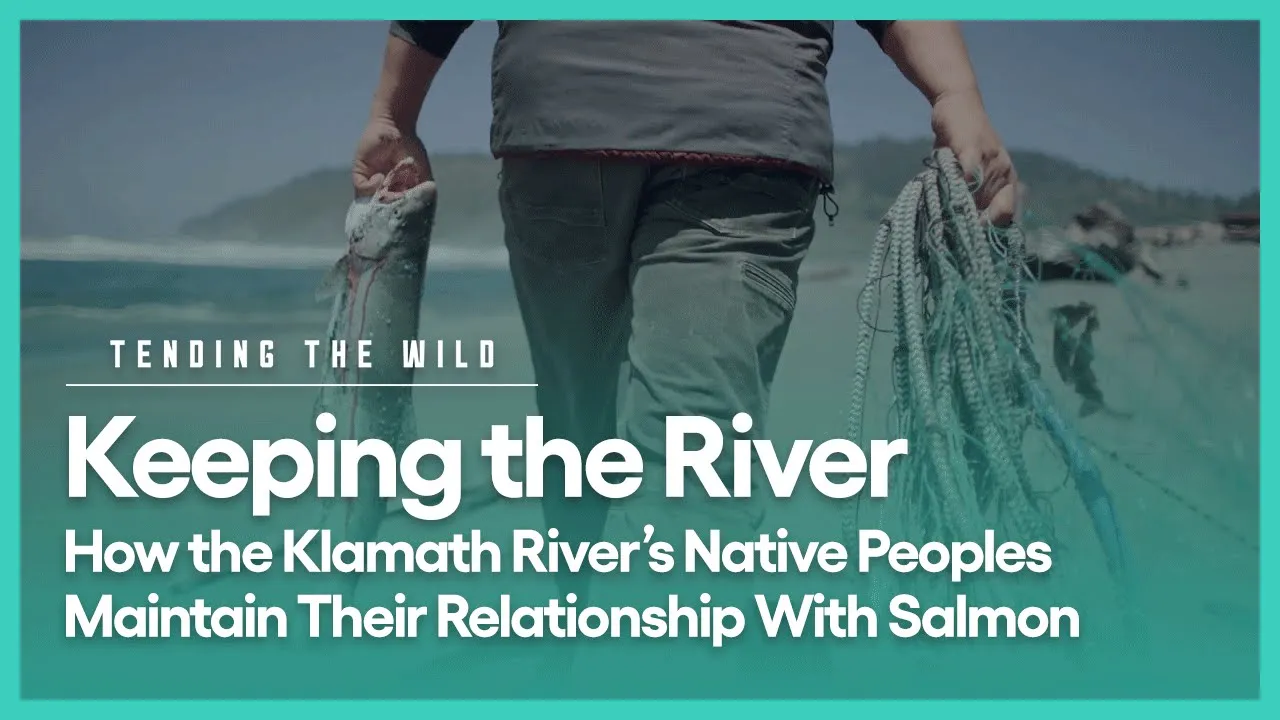
Yurok been fishing the rivers since the beginning of time. We've been fishing all up along and down the river and on the coast even and in all the villages above. Pohlik-la, Pohlik-la is a downriver people, that's where my people come from on the Klamath River.
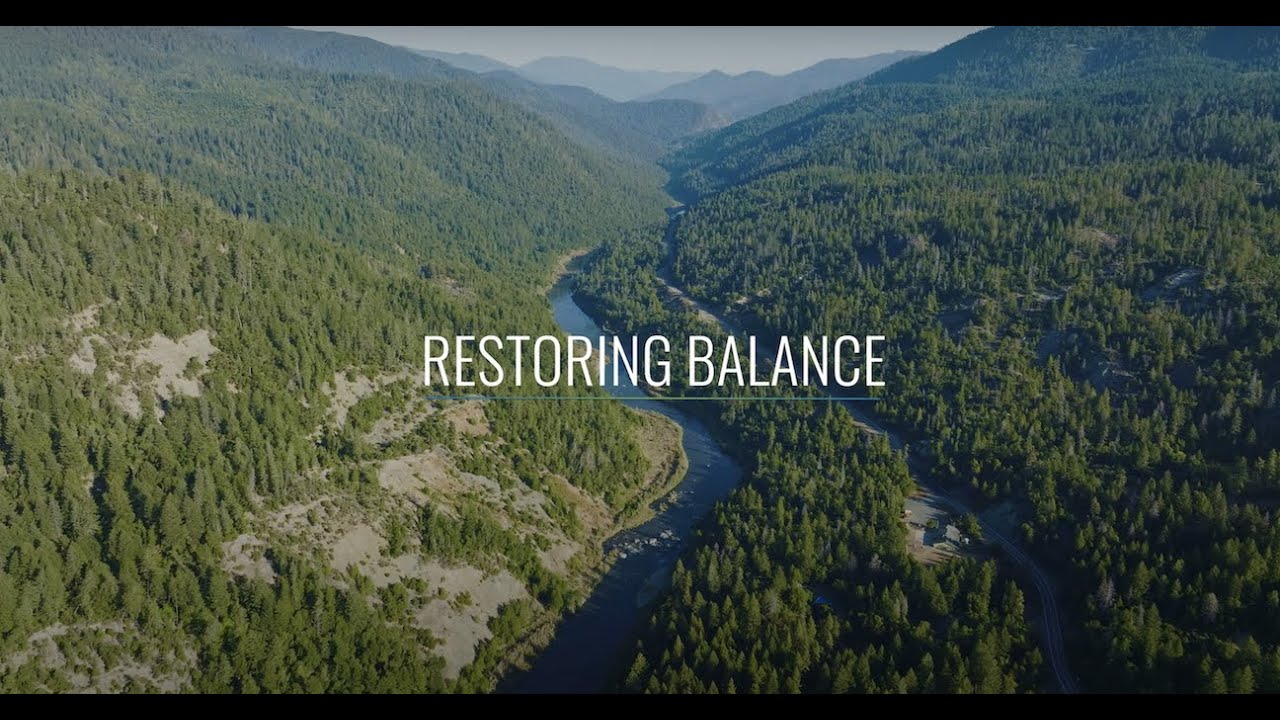
♪♪ The river does so much for us. It not only brings us our food, it brings us everything we need. We're at Requa at the south side of the Klamath River where the river meets the ocean.
That's what Requa means, where it goes into the ocean. It's the mouth, this is where it all starts, this is where everything comes in, where everything goes out. It's a circle of life down here.
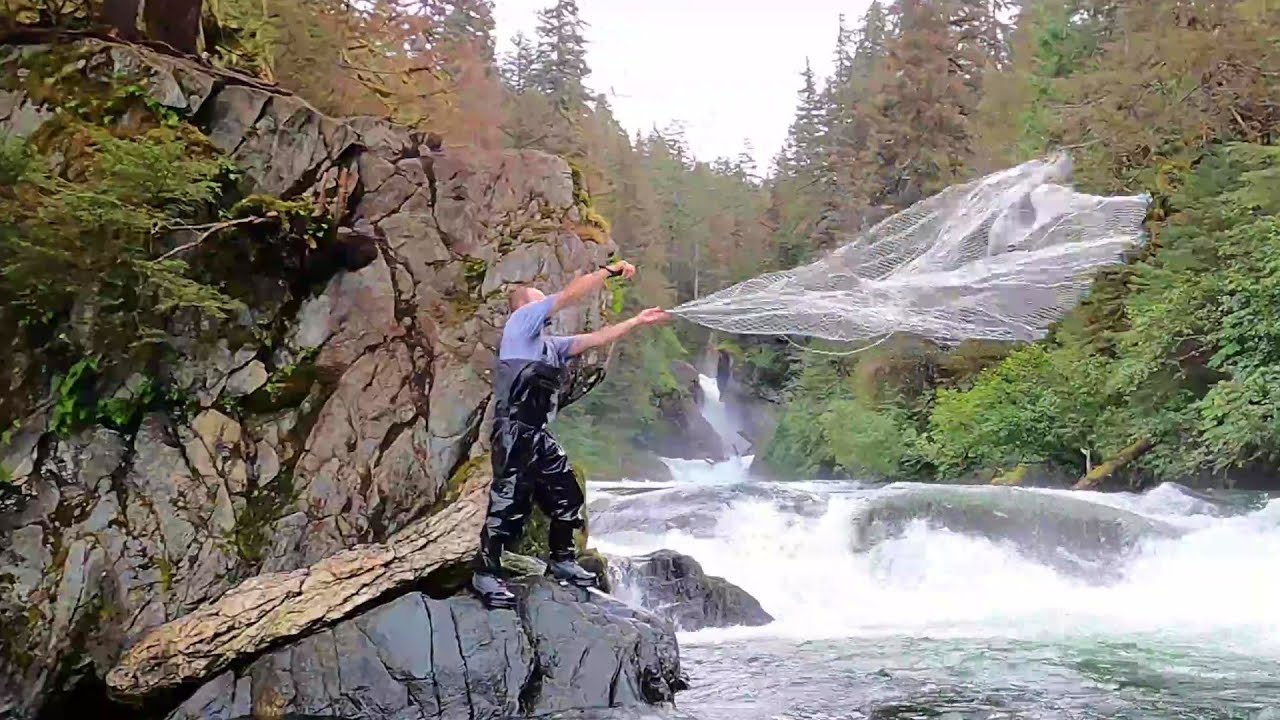
I'm going to do a drift net, just a basic 30-foot drift net, throw-net. You can throw it off the beach and let it drift down and hope something hits it. The Yurok and the other tribes use Dip-nets, Trigger-nets, but they had to catch to eat so they got really good at it.
♪♪ They dip-netted here. Still, to this day, we still dip-net. We have a self-implemented closure just to let the river have a break as we were supposed to have a real low salmon year this year.
Rules will change based on the conditions of what we're in. If it's a real low year, we don't have that much fish, we're going to try to conserve. When there's a lot of fish When there's too many fish, we're going to harvest.
♪♪ [seagulls calling] [boat motor churning] [knife scraping on wood] Long as we are here, there has to be salmon. I could not imagine not having any salmon. It's our way of life.
It brings us together, provides healthy food, happiness, sadness, great occasions. We are almost ready. -A little bit of sea salt, not too heavy, but .
. . -Ready to put these on.
-Want to start putting them in? -Sure. -Get them underway.
Not very many say they go catch their dinner and plan their dinners on what you catch. It not only saves us money, it actually is good for us, you know? It's what we're supposed to eat, what we're supposed to always eat.
Our main food 100 years ago was acorns, eels, deer meat and fish, that was it. -So we'll go ten minutes each side, be done. -The sticks will actually heat up really hot right here.
-Anthony Bourdain should be here trying this. Right off the stick, there's nothing better. Try a piece?
-The salmon is as essential to the Yurok people as the air they breathe. In the 1930's the state of California asserted its jurisdiction on the river and closed the river for Indian gill-net fishing. That didn't prohibit my family, who believe that we have that right to fish, that inherent right to fish.
My uncles kept fishing but they fished at night and they continued to fish. Eventually, they did get caught and that resulted in the supreme court case that reaffirmed our rights in 1976. I started out when I was 12 years old Me and my brother.
The theme of the day here was "Can an Indian and save a salmon," so there was a lot of animosity because there were a lot of fisherman that were here on the river and so when we started to fish with nets they were very unhappy because they had claimed ownership to the river at that point. Because he was the one that took that court case, he was a target. They would stop him all the time.
He had his family in this and they came in the middle of the night and they woke him up and got them all out of bed with their guns because they wanted to find fish at his house. Just the things that he's had to go through and his family because he stood up for our fishing rights, it's not okay. I didn't think something like the salmon wars could happen and nobody ever hear about it.
It didn't seem right, it didn't seem fair. We have 78 and we have 79. Something happened every day.
It was constant. Whether it was upriver, whether it was downriver, we're hearing the stories. At this point we're frightened, we're afraid to ride in our cars alone, whenever we plan a trip to the store, more than one person has to go.
We're frightened. We're just scared all of the time. There was an elderly gentleman who had a birthday and we took some time off from protesting and we had salmon on the sticks down there, we had a nice fire, he had brought his drum.
There was probably an even seven children, seven women, seven men kind of group that was together and he was singing, he had a beautiful singing voice, and right in the middle of the singing this big flash came off the top of the mountain, the top of the hill up here. Because of that big flash, which was not normal, we knew something was going to happen. As soon as that happened the cars headed on down the road.
At the point that they stopped, little flashlights came on. There was over 200 little flashlights. When they hit the sandbar where we're at they stopped and then they pull out their billy-clubs.
This was all they were doing and they were coming towards us, so you're thinking in your head "I'm going to die, we're all going to die. We're all going to die right here and nobody will ever know the truth about the story. " When they stopped their boat started up in the river that we did not know were there so we were surrounded.
The elderly gentleman started drumming and he started singing and we all sang. We all sang and we didn't know the song but we all knew it all of a sudden. Children sang, everyone sang the song.
It got louder and louder and then they said "Let's get the hell out of here. " There was a fear of our spirituality so they left. What happened when they left, people had wet their pants, people had thrown up.
We were frightened. We were left frightened, yes they left us. When we walked from the beach they took from us something that we never got back.
As far as healing, how can you heal Indian country until you tell the truth? Maybe that's our responsibility. The story still has to be told.
It didn't just happen, it's still happening. It was 78 and 79 for us but look at other tribes who are still struggling. Look at us struggling over our river, that's today.
That is not your ancestors. This is today what's going on here. [wind blowing] When we had the fish kill, we immediately closed our fishery, because that was a sign there was a terrible imbalance in the world.
We didn't fish, but everyone else still fished. There were thousands of dead salmon, 12 to 15 pound salmon laying on the banks of the river, floating down the river, and they were still fishing. So senseless over a decision of the government to provide water to the farmers and not to the resource in a year that water flows were so low and the temperature so high.
So the tribe presented data and science to say "You have got to provide what water is there to the resource to protect the fish," and they chose not to. As a result we had 70-80,000 dead Chinook salmon. We have a lot of threatened species on the Klamath now and we have already lost species in the Klamath.
To me, that's not acceptable in this day and time. Marijuana industry has been here forever. When I came down here that was one of the things that the Yurok tribe was very adamant about was dealing with the marijuana and the drugs in general.
We want to eradicate it because it takes a lot of water and it's water that the fish need. Just for instance, up there in the Witchback area, the water temperature in the river during August was 79 degrees, 77 to 79 degrees and nothing can live in 77 to 79 degrees. The fish were dying, they were getting parasites, and up in the marijuana, which is a mile up the hill, every marijuana grower, almost, has a large pond that they build that gathers the water and then it's dispersed out of there to the garden.
Those ponds, every one of them we tested was 58-60 degrees. That's water that should be on it's way to the river and keeping the fish cool, not in a big pond up there that's feeding marijuana plants. This area hasn't seen fire in over 100 years and it should have burned annually.
Part of the practice of burning this mountain would be to help to call the salmon up the river. I consider fire to be the equivalent of food for our food. If we don't have fire, we don't have food for our food.
It's said that the smoke carries the prayers but the fire answers them so part of that smoke going up would shade the river and it would cool the water temperature. So these practices, though they are conveyed through oral histories as maybe the form of a myth of a story that actually have practical ecological purposes. -The Klamath River is the lifeblood of our system.
Fire is a primary force-management tool. Our ceremonies are based on these relationships, our worldview is dependent on these relationships, and now we're at a point in time where traditional knowledge is allowing western science to understand the physical dilemma that the landscape is in. ♪♪ A lot of this is all of our family fishing holes.
The creek's flowing over there and it comes up out of the ground right there and it creates this beautiful pool that kind of - It's a little sanctuary for any kind of fish that's int he river system or that baby fish that's hanging out before he heads to the ocean. This is a vital spot right here for the river because it not only cools down the river, it helps the fish that stop here and rest because the river's so hot. They come from the ocean and it's cold and they get up in the river and the river's kind of sick from being so hot and people taking water out of the river and the drought and everything just accumulating.
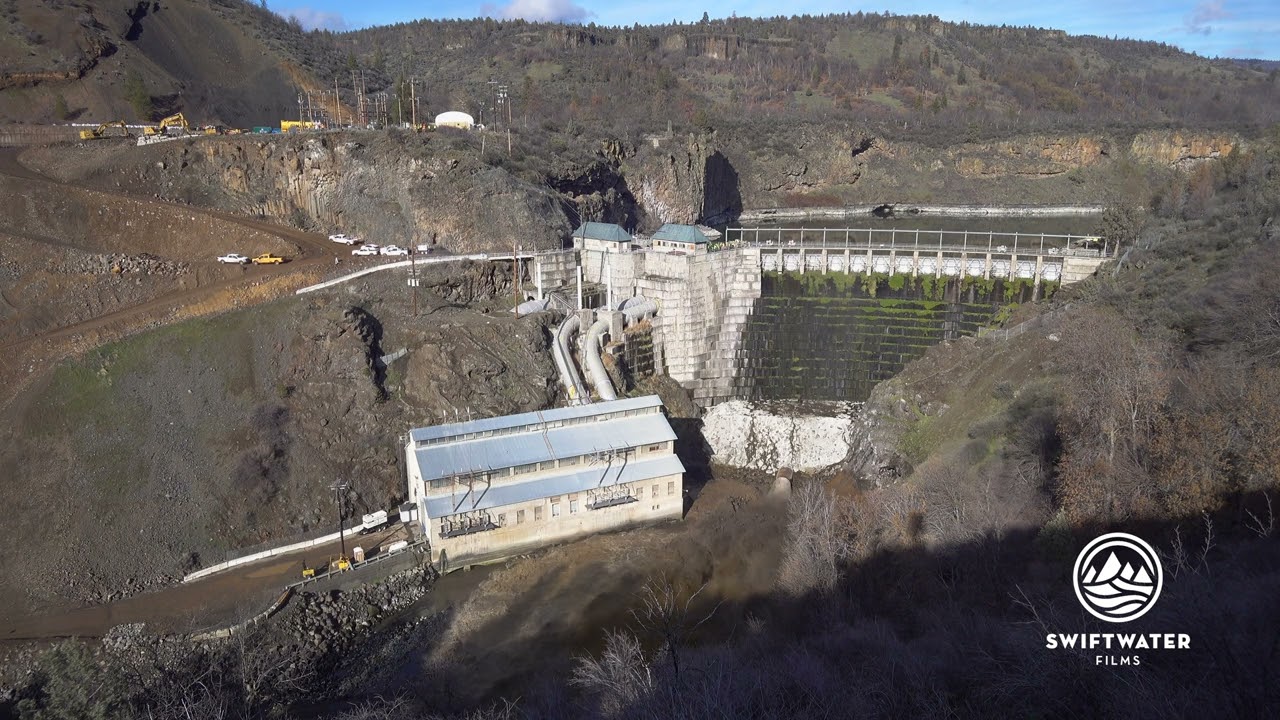
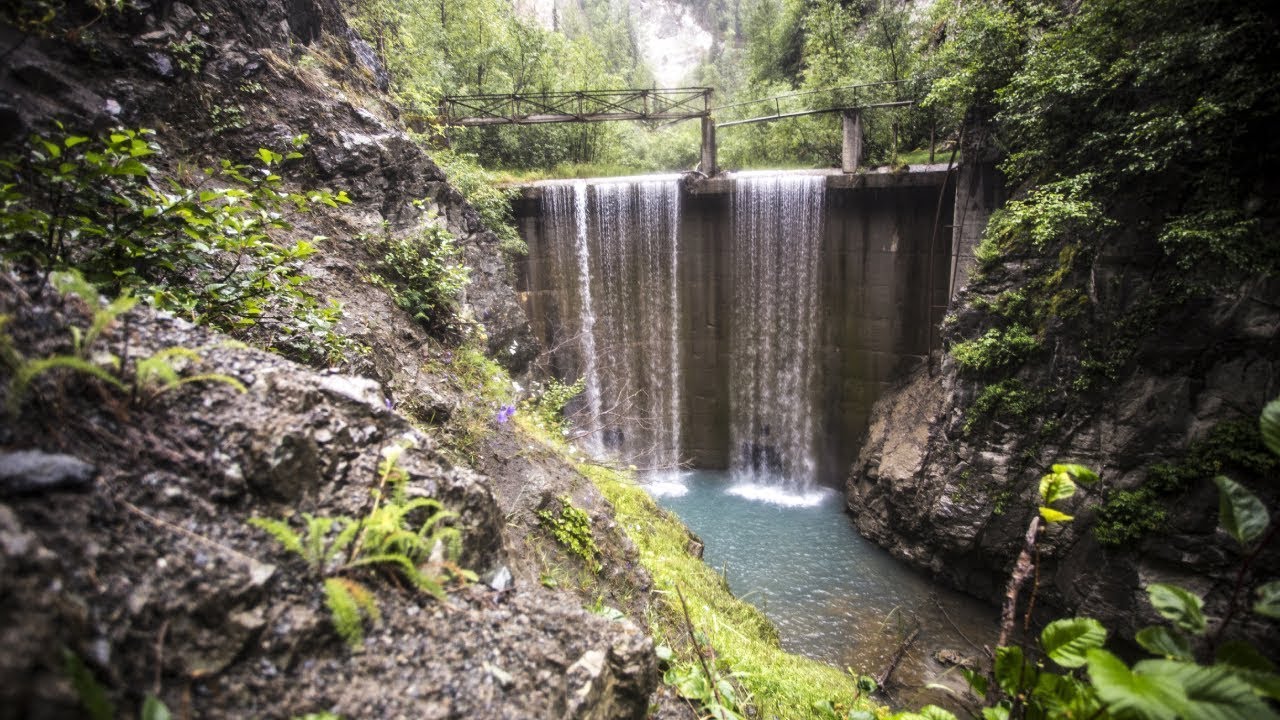
This spot kind of helps them out a little bit, it's like a pit stop for them. They kind of get recharged. The dams will block most of all the fish that come up.
-I am very concerned. There's water conditions, ocean conditions . .
. Right now, in this last couple years it's been very noticeable is a lot of juvenile salmon have been dying before they can go ahead and get back to the ocean and regenerate. Well the dams create all this toxic algae and you've got all the runoff from all the farmers, you've got the pesticides, insecticides.
I was warned about this in 1977 by a Yurok medicine man, he had seen in the future. He said "You're going to go back to blue creek, I knew your grandfather. " He said "You're going to lead our people and we're going to protect our river.
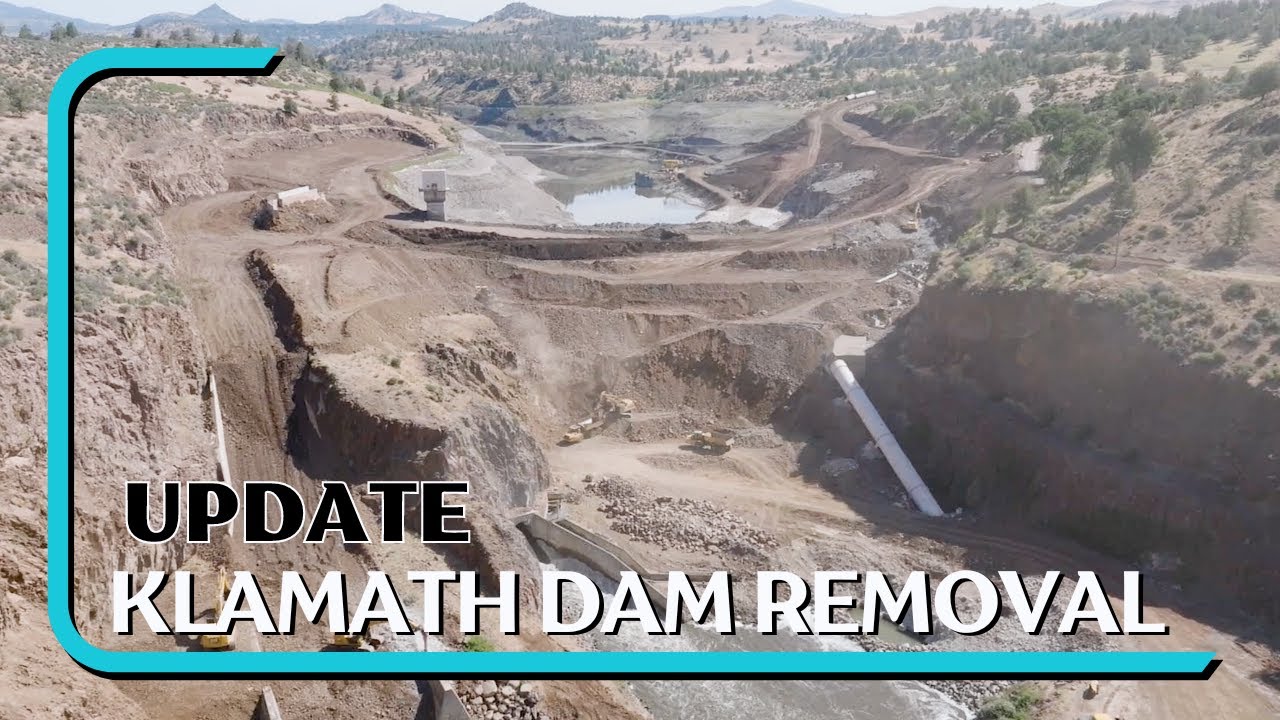
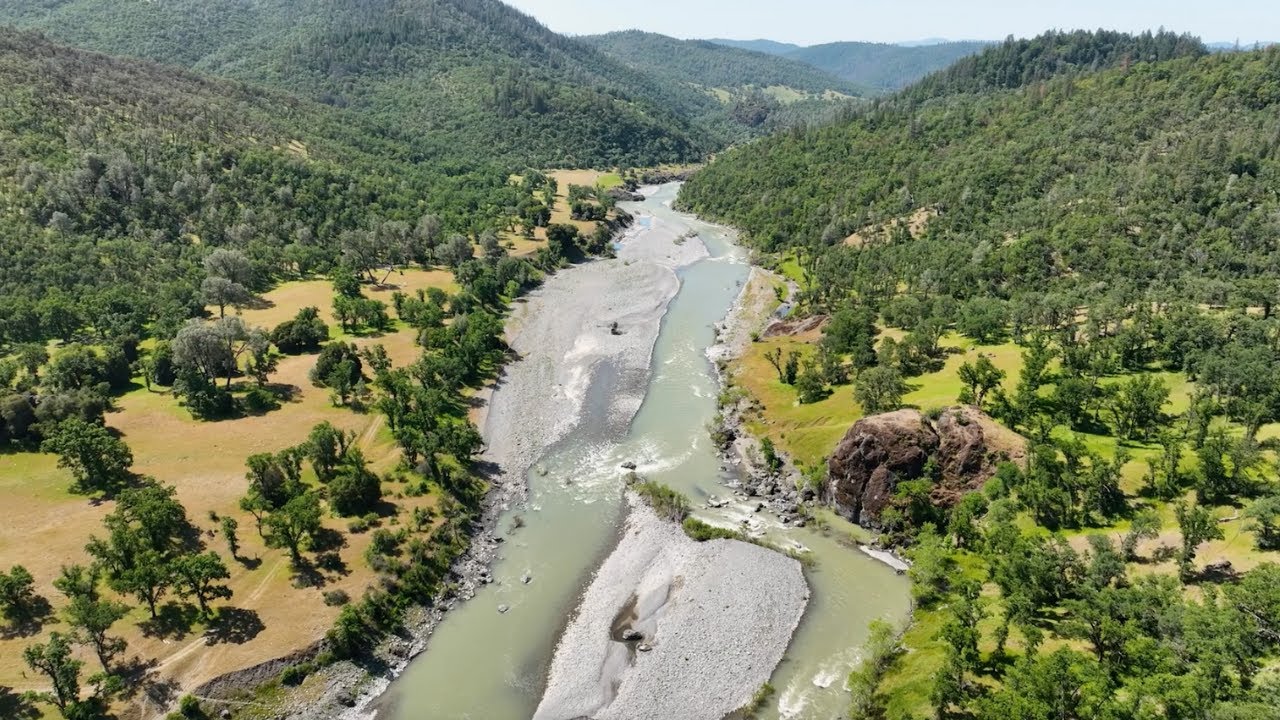
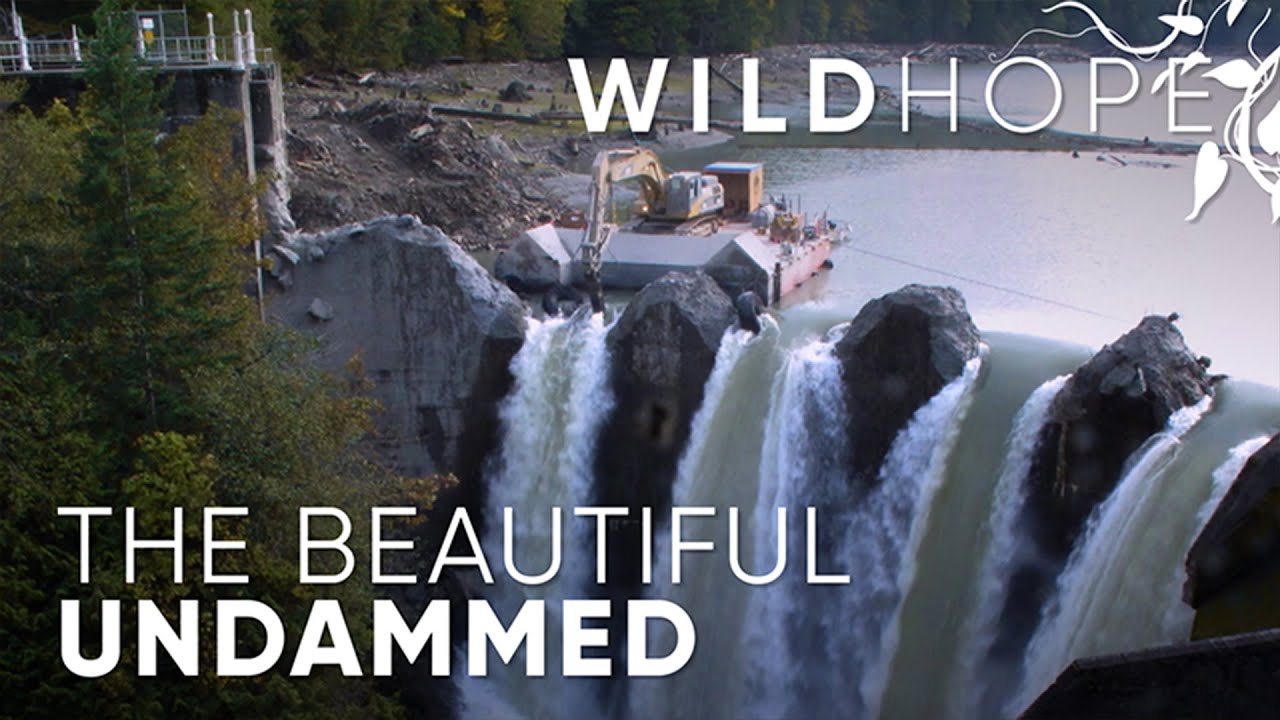
" The last thing that he said to me, "Don't ever let them dam our river, you have to take care of our river. " So I'm the protector of the river, that's why I'm here. We have been working for a number of years to remove dams on the main stem of the Klamath River.
With dam removal comes the possibility of re-establishing runs of spring Chinook once again into the entire basin. The Yurok people are always the first to come to the table and the last to leave the table because we can't afford not to be there to protect our resource because it's our responsibility that we ensure that the resources we have are better than how we received them for tomorrow's generation. Fishing is who we are, we're a fishing people, so the health of that river and it's resources is the health of our people.
So if the river is sick the people are going to be sick. Because our ceremonies, everything, our spirituality, our strength and health is all connected to the river, we're all one. Salmon is looked at more than anything.
You know, they feed us, they feed me and they take care of my family, the fish. I always tell my kids "Thank the river for this," because everything I got is because of the river. Everything I own.
A little tiny presentation of bait. I think that's good. Okay, you don't want to reel it up so far.
I feel privileged to be out on the water. I'm actually the only Yurok tribal guide on the entire river. My goal is to catch you fish, but my main goal is to make you a better fisherman.