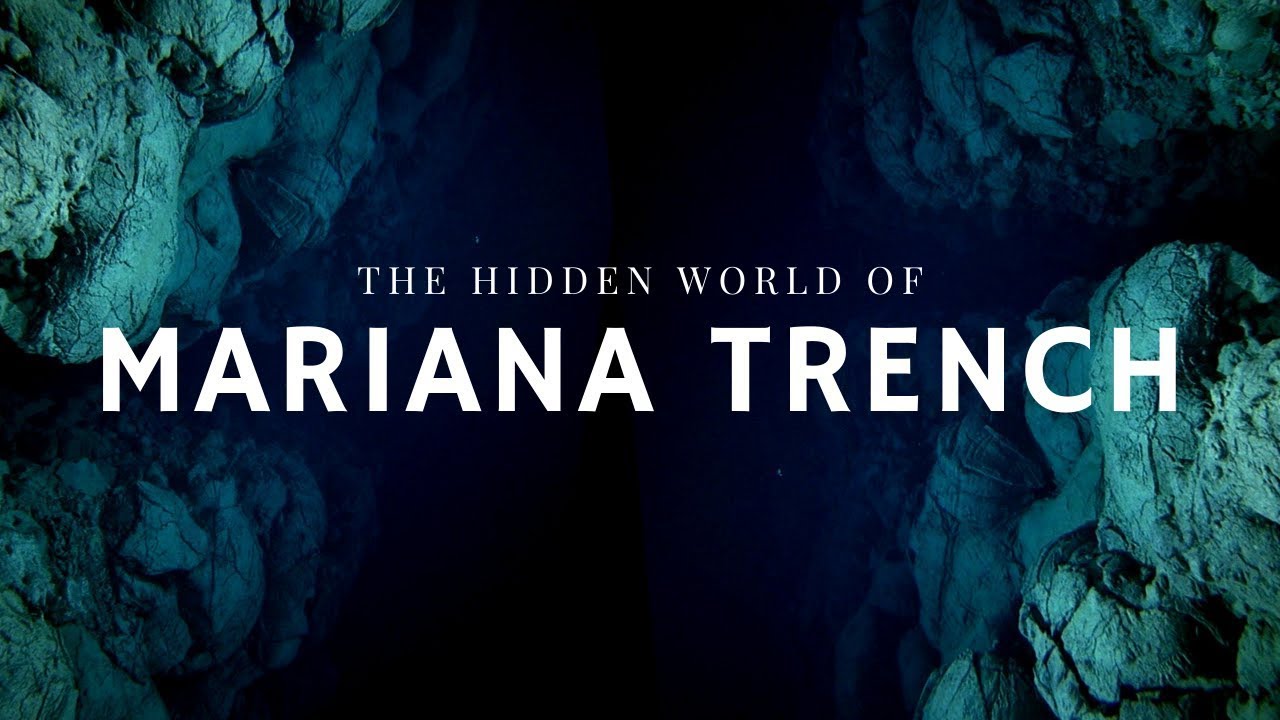
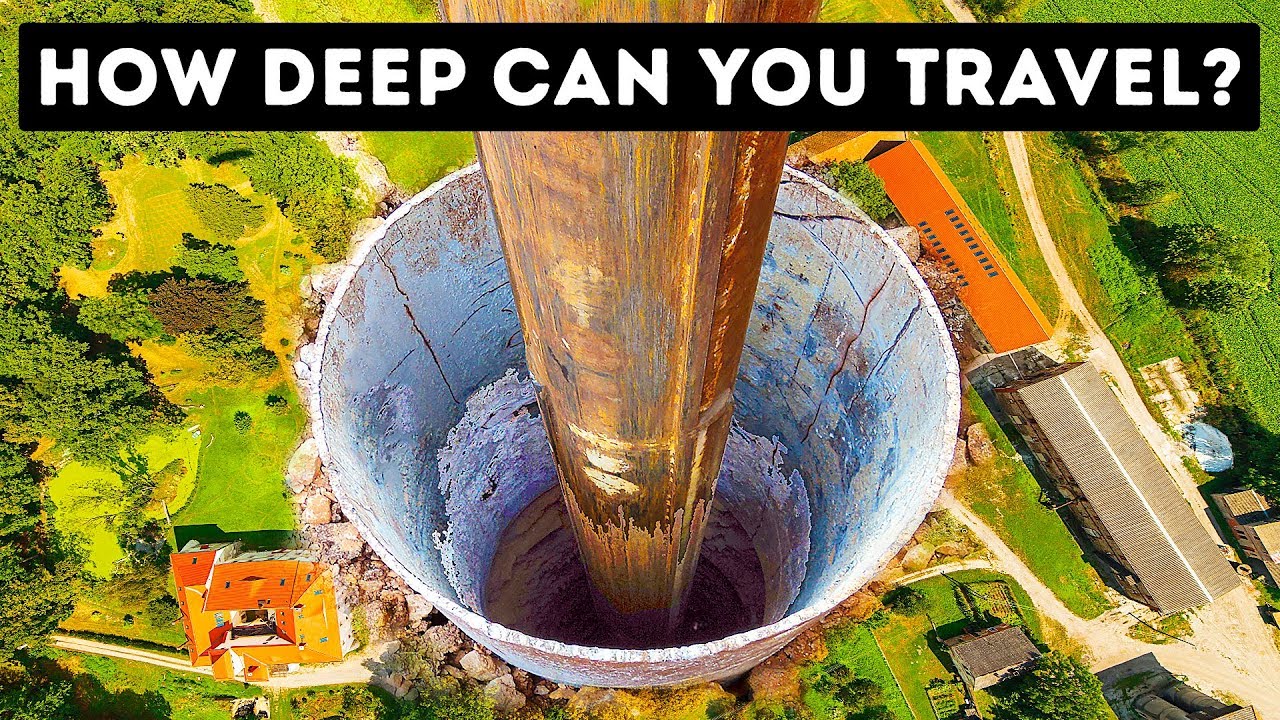
there is a place deep in the ocean where pressure is 1,000 times stronger than that we're used to at the surface this force is enough to turn an unprotected human into dust instantly well maybe more like mud anyway that's why explorers need some serious preparation and equipment to survive in such extreme conditions down in the Mariana Trench it is as wide as 20 National malls in Washington DC and about 1/ fifth as long is the diameter of Earth people who went all the way down describe it as a chilly quiet and very peaceful place they
saw a bright blanket of red and yellow Rocky outcrops and there was a whole variety of unique small translucent animals the popular myth is that more people have gone to the Moon than to this deepest place on Earth is not true though in total 24 humans flew to the moon and at least 27 brave souls Dove down to the Mariana Trench most of them were explorers and not proper scientists they just go there for the Thrills and also to collect video evidence of different Wildlife geological formations and human-made objects humans started traveling around space and
into the ocean depths at around the same time the first moon landing was in 1969 and the first person to go down the Challenger Deep the deepest part of the Mariana Trench did so in 1960 this unusual location got its name after the British ship HMS Challenger which first located this massive drop in the ocean floor at the end of the 19th century it would take eight more decades before the first human went down to it explorers didn't manage to do it in a conventional submarine they used a type of submersible called a bath escape
the Swiss oceanographer AUST peard designed his own in 1953 7 years later the submersible managed to do the impossible it had reached a depth of nearly 36,000 ft but what explorers saw was merely a fraction of the trench's full size the fact that it is so huge of the Mariana Trench is just one of the reasons why it's mostly unexplored today the absence of light is another major issue sunlight is incapable of reaching such profound depths so the entire trench from top to bottom lies in absolute Darkness because of such conditions the ecosystem is a
lot different than the shallower regions of the Pacific this puts immense pressure on Marine Wildlife yeah the pun is intended another reason why it's so challenging to survive there is the temperature water freezes at 32° F at the bottom of the Mariana TR trench the ocean is just a couple of degrees above freezing one of the factors that hasn't let this area turn into a giant icicle is the fact that salt water has a slightly lower freezing point the other reason is geothermal energy that warms the ground at the bottom of these just enough for
it not to freeze that's why submersibles need to have proper insulation to navigate these icy conditions when they reach the bottom researchers find out that this desolate and harsh climate is home to several animal species they encountered aerot to eels snailfish and Spoon worms at various depths there were even Strang looking translucent sea cucumbers and shrimp-like amphipods the biggest surprise was microbial mats thriving on methane and hydrogen from the mud among the species the Mariana snailfish looks like a master of the environment that can go farther and deeper into the trench to feed on prey
than its competitors despite its seemingly fragile appearance the snailfish has adapted to withstand extreme pressures a superpower it wouldn't be able to survive without the Exotic life forms that live deep down aren't normal size since deep sea gigantism makes them grow significantly larger than their counterparts in other ecosystems one example is the giant tube worm which can be 6 ft long science has has a hard time explaining the exact cause of this form of gigantism thermal vents are just one of the possible explanations all of these factors might help explain the huge time Gap in
researching the Mariana Trench the first successful dive after the 1960 Expedition came only in 2012 that's when the famous Canadian film director James Cameron went down in the deep sea Challenger because few scientists have gone that deep before or after Cameron there is no map of the deepest point on our planet we know very little about the oceans that cover 2/3 of the Earth's surface researchers have mapped out only 5% of them so far science still has a lot to discover in the Mariana Trench and other unexplored places on our planet the Amazon rainforest stands
as the best example of the world's most unexplored regions the list of reasons why this part of South America is unknown starts with with its Wildlife Jaguars anacondas piranhas black cayman and Brazilian wandering spiders are just some of the creatures that pose a risk for researchers Relentless year round rainfall induces heavy flooded add to all this some treacherous river currents and you can see why scientists have mapped such a small percentage of the Amazon to date in just one region of Brazil near Peru there are at at least 14 tribes that have never had contact
with the outside world the national authorities intend to keep it that way isolation of these indigenous people is the best way to protect their future the same goes for a remote island in the Indian Ocean after the tragic Tsunami of 2004 helicopters flew over North Sentinel Island to make sure its inhabitants were alive and well meanwhile The Sentinel weren't thrilled they took up bows and AR to drive away The Unwanted visitors this tribe is one of the last uncontacted tribes on Earth although anthropologists and filmmakers visited the island in the late 1960s we still don't
know much about its indigenous population it sits a long way off any shipping lanes in the Bay of Bengal North Sentinel has no natural Harbor and it's surrounded by a shallow reath this makes access to the island Possible only by boat the Indian officials who lay claim to the island have prohibited Outsiders from visiting the island for safety reasons the estimates on how many people inhabit the island vary significantly from as few as 15 to as many as 500 the island is not tiny it's about five times as big as London's heo airport apart from
occasional contact during the past two centuries the Sentinel Le must have been isolated for a long time they are related to other indigenous groups in the Andaman Islands but their neighbors cannot understand a word of their language the continent of Antarctica has no permanent human settlements at all the only people who periodically live there are international scientists this vast expanse of ice and snow roughly the size of the United States and Mexico combined still has many regions where humans haven't set foot satellite imagery and photos that NASA's aircraft made from the air have mapped out
the entire continent so we know where to go but it's not that easy the reason for this are all the adjectives that go with Antarctica it is the coldest windiest driest and brightest of the seven continents this makes it virtually unlivable more than 99% of its surface is covered with a permanent sheet of ice its thickness ranges from 1 mile to as many as 3 miles in some places that's half the height of Mount Everest now the Himalayan range contains the world's tallest unclimbed mountain it is also the tallest mountain in Bhutan in the local
language the Mountain's name translates as white peak of the three spiritual Brothers out of respect for the spiritual beliefs of the local population National authorities restricted and then completely banned mountaineering at the beginning of the 21st century to this day there is no evidence that any climber has ever managed to successfully reach the summit of this mysterious Mountain that's it for today so hey if you pacified your curiosity then give the video a like and share it with your friends or if you want more just click on these videos and stay on the bright side