so your attention for example is mediated by unconscious forces and you know that you know that perfectly well and this is another freudian observation you know if you're sitting down to study for example your conscious intent is to study but you know perfectly well that all sorts of distraction fantasies are going to enter the theater of your imagination non-stop and annoyingly and and there isn't really a lot you can do about that except maybe wait it out you'll be sitting there reading and your attention will flicker away you'll think about i don't know maybe you
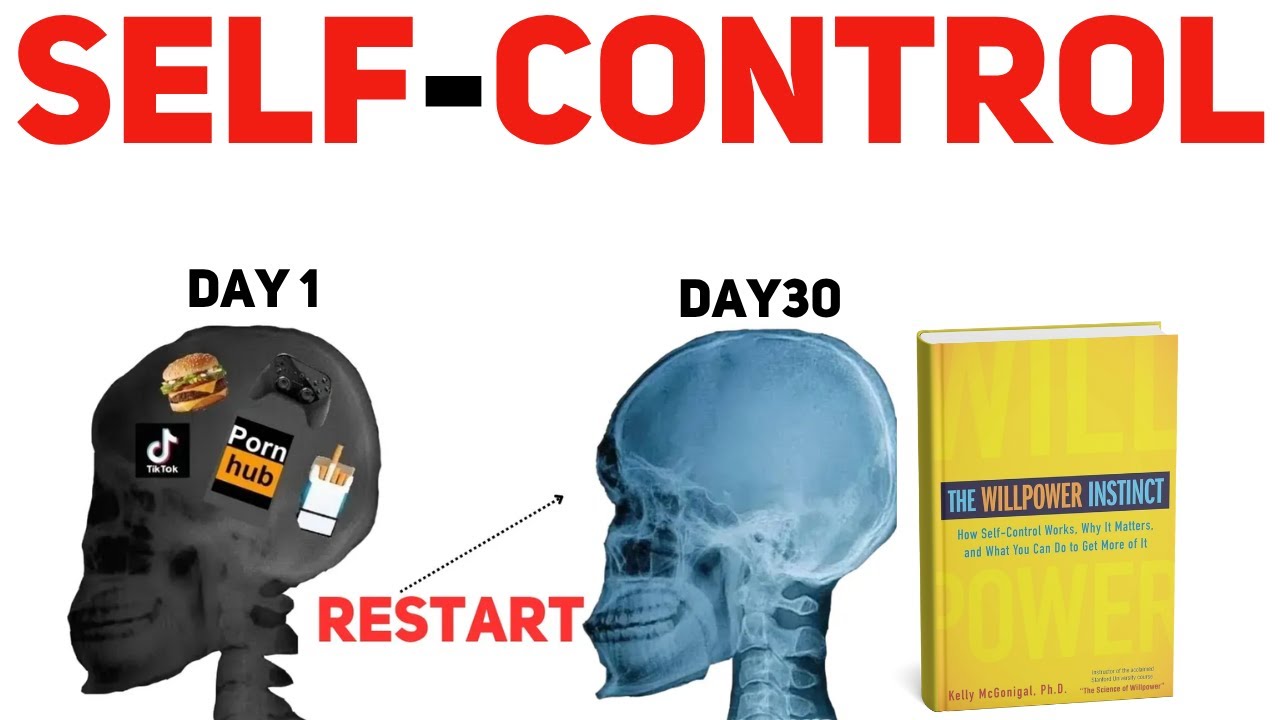
want to watch jane the virgin on netflix or something like that or maybe it's time to have a peanut butter sandwich or you should get the dust bunnies out from underneath the bed or it's time to go outside and have a cigarette or maybe it's time for a cup of coffee or it's like all these subsystems in you that would like something aren't very happy just to sit there while you read this thing that you're actually bored by and so they pop up and try to take control of your perceptions and your actions non-stop maybe
you think well this is a stupid course anyways why do i have to read this damn paper and what am i doing in university and what's the point of life it's like you can really well you can really get going if you're trying to avoid doing your homework and and then you might think well what is it in you that's trying to avoid because after all you took the damn course and you told yourself to sit down why don't you listen well because you're you're a mess that's basically why you haven't got control over yourself
at all and no more than i have control over this laptop okay so there's the memory function of the unconscious and there's the dissolutive function that's an interesting one the unconscious contains habits once voluntary now automatized and dissociated elements of the personality which may lead a parasitic existence that's an interesting one i would relate that more to procedural memory you know so what you've done is practice certain habits whatever they might be let's call them bad habits and you like those things to get under control but you can't so maybe when you're speaking for example
you use like and you know and you say i'm a lot and you've practiced that so you're really good at it and you'd like to stop it but you don't get to because you've built that little machine right into your being right it's neurologically wired and it's not under conscious control and anything you practice becomes that it becomes part of you and and that's another element of the unconscious a different part and then there's a creative part which is that well you know you're sitting around and maybe you're trying to write something or maybe you
want to uh produce a piece of art or a piece of music or maybe you're just laying in bed dreaming and you have all these weird ideas and especially in dreams it's like what where do those things come from and even more strange one of the things that's really weird about dreams and almost impossibly weird is that you're an observer in the dream it's like a dream is something that happens to you well you're dreaming it theoretically so how is it that you can be an observer it's almost like you're watching a video game or
a movie but you're producing it at least in principle although the psychoanalyst would say well no not exactly your ego isn't producing it your unconscious is producing it's a different thing it's a different thing and of course jung would say well it's deeper than that the collective unconscious might be producing it it's in some sense it isn't you exactly or it isn't the you that you think of when you think of you and that's the ego from the freudian perspective the you that you identify with that's the ego and outside of that is the unconscious
the id that's more the place of impulses and you could think about those as the biological subsystems that can derail your thinking right and that govern things like hunger and sex and aggression and your basic instincts is another way of putting it and it's a reasonable way of thinking about it because these are sub-systems that you share with with animals you share them certainly with mammals you share most of them with reptiles you share a lot of them with amphibians and even going all the way down to crustaceans there's commonality for example in the dominance
hierarchy circuits and so these are very very old things and the idea that you're in control of them is well you're not exactly in control of them and i would say the less integrated you are the less you're in control of them and the more they're in control of you and that can get really out of hand you know uh like with people who have obsessive-compulsive disorder for example which seems to be i would say the dissolutive elements in some sense of the unconscious the way that it's portrayed here poor people with obsessive-compulsive disorder they
can spend half their time doing things that they can't really control and they have very strong impulses to do them and it's very hard on them to block them you know they they'll almost panic if those things are blocked and then you have people with tourette's syndrome you know that they'll be doing all sorts of weird dances and spouting off obscenities and imitating people without being able to control it and sometimes a little bit of antipsychotic medication can dampen that down but it's as if there are these autonomous semi spirits inside of them that grip
control over their behavior and make them do things and you know you find that to some degree in your own life because maybe you've become very attracted to someone even maybe you don't want to be attracted to the person and then you find yourself you know texting them when you know perfectly well that you should be going to bed and you know you're in a grip of something and and you can't control it and that's all part of the unconscious you