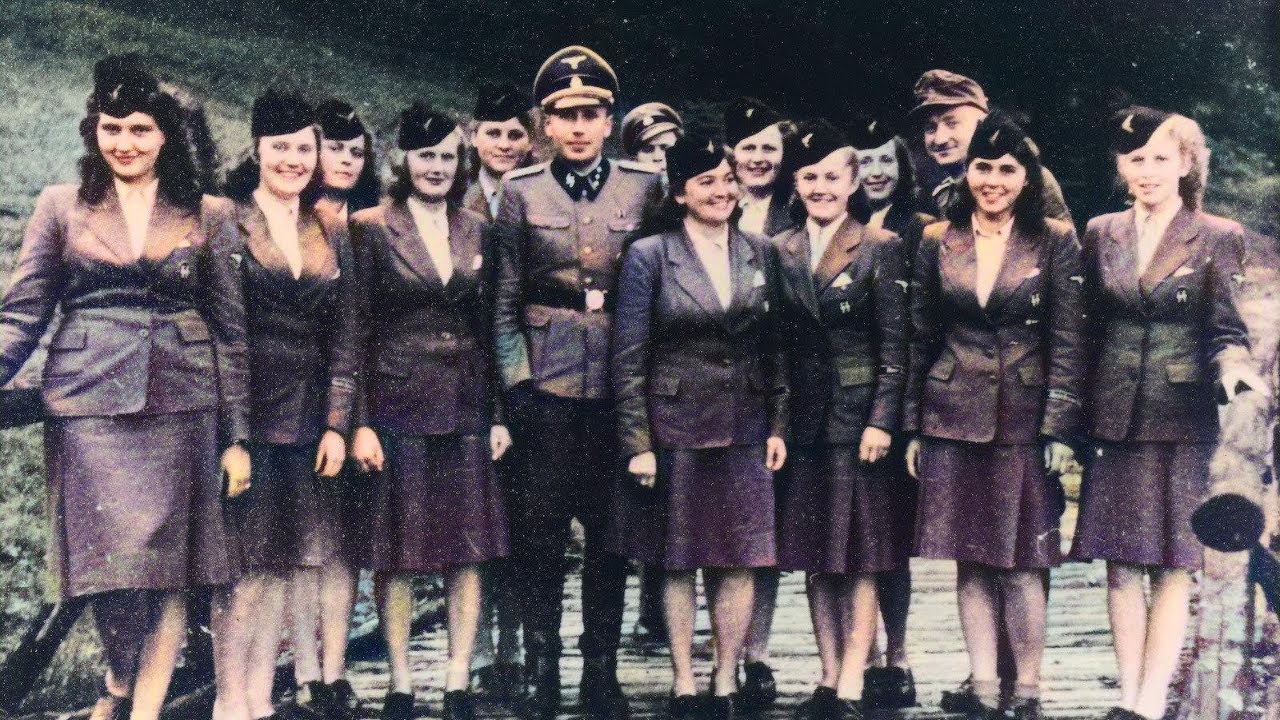
and SS officers were tried and convicted for their roles in the atrocities committed in Belarus. Many were sentenced to death, and some were executed. The memories of these events lingered in the collective consciousness of the survivors and the nation as a whole, serving as a grim reminder of the horrors of war and the capacity for human cruelty.
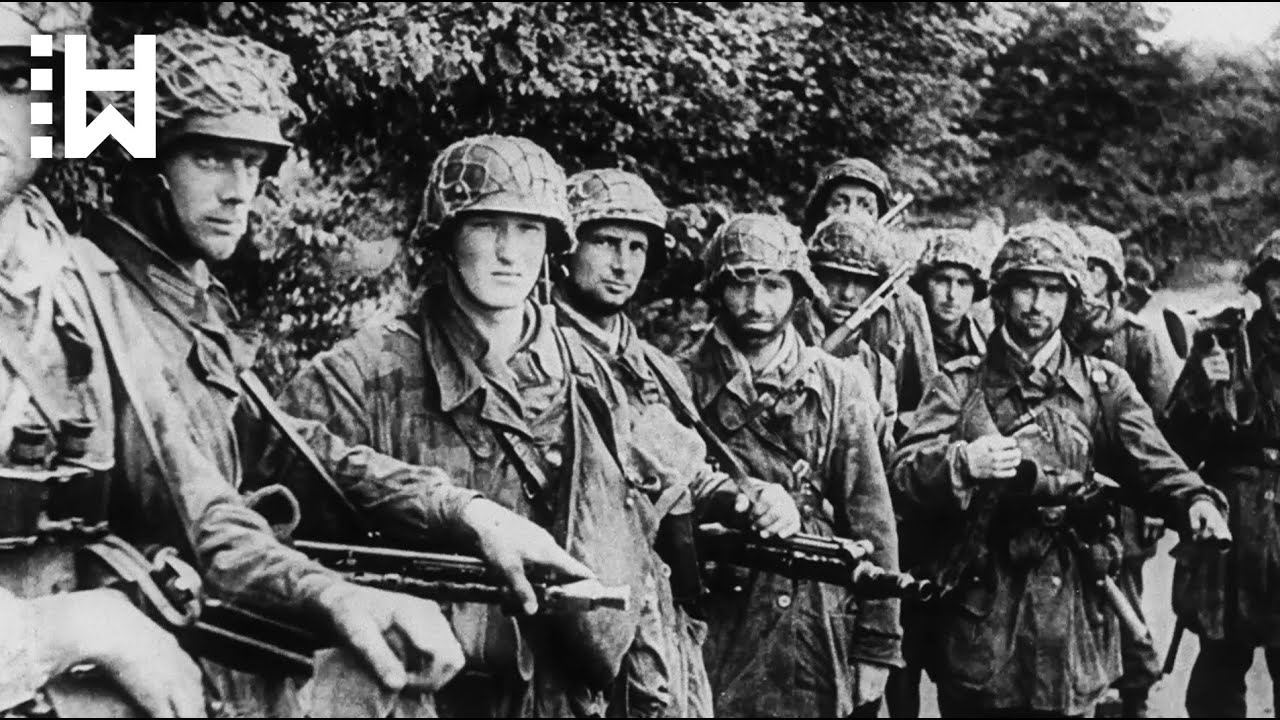
In the years that followed, efforts were made to document and memorialize the experiences of the victims, as well as to ensure that such atrocities would never be forgotten or repeated. And SS officials were captured and held accountable for their role in the atrocities committed in Belarus and were tried in the Minsk War Crimes Trial, which was conducted by a Soviet military tribunal in Minsk, the capital of Soviet Belarus. The defendants included 11 members of the Wehrmacht, including the aforementioned Johann Richert and Gottfried von Erdmannsdorff; four members of the Order Police; and three members of the Waffen-SS, which was the military branch of the SS and SD, the intelligence agency of the SS and the Nazi Party.
During the trial, which began in December 1945, some former Nazi officials, such as Generalmajor Johann Richert, who was the main defendant in the trial, repeatedly claimed they had been merely following orders from their superiors and then pleaded for leniency. Despite this, on 29 January 1946, he, along with 13 other men, was found guilty and sentenced to death by hanging. When the judge read the death sentences, all the spectators in the courtroom clapped their hands.
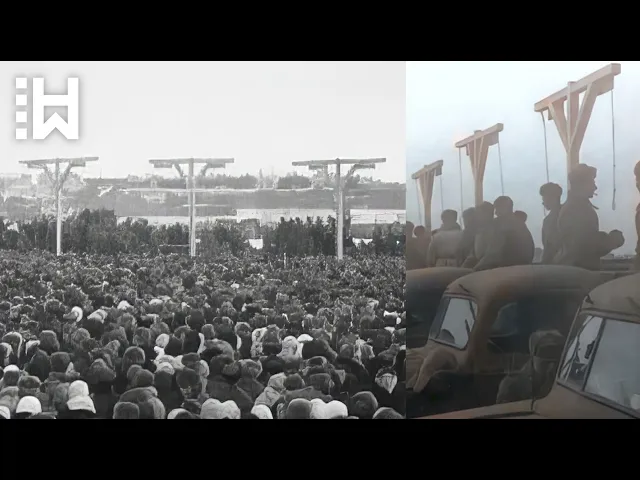
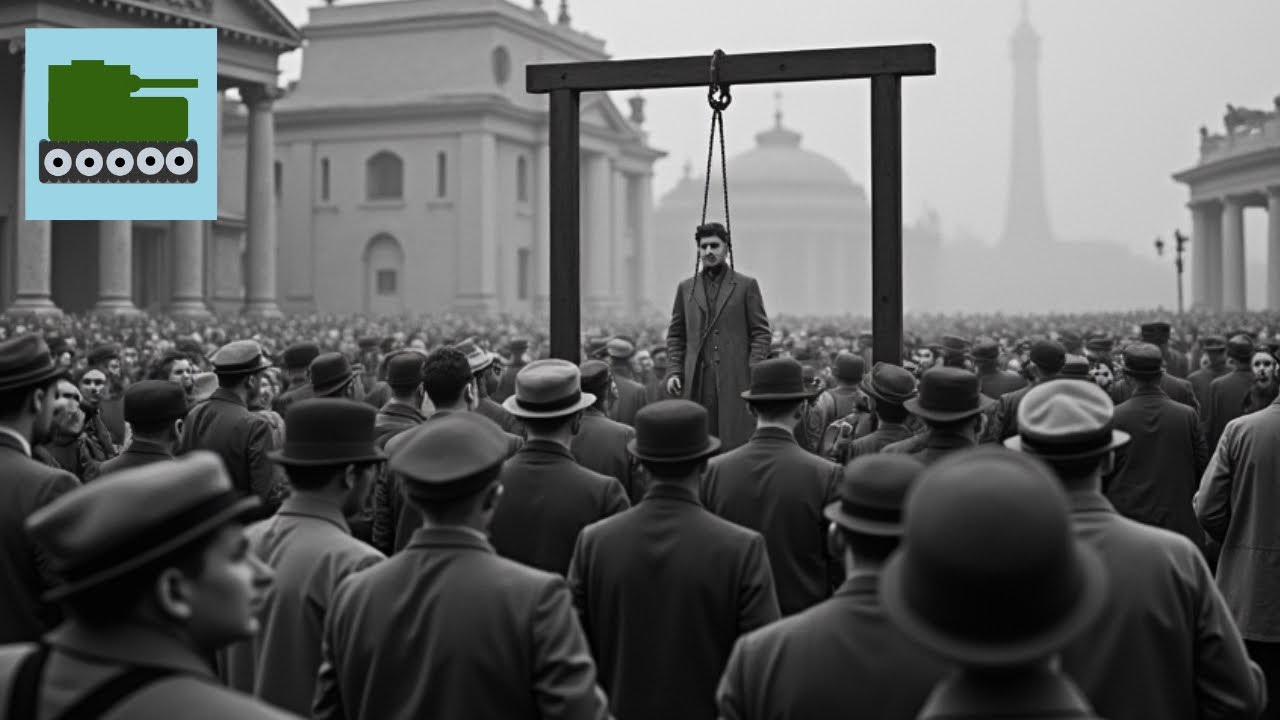
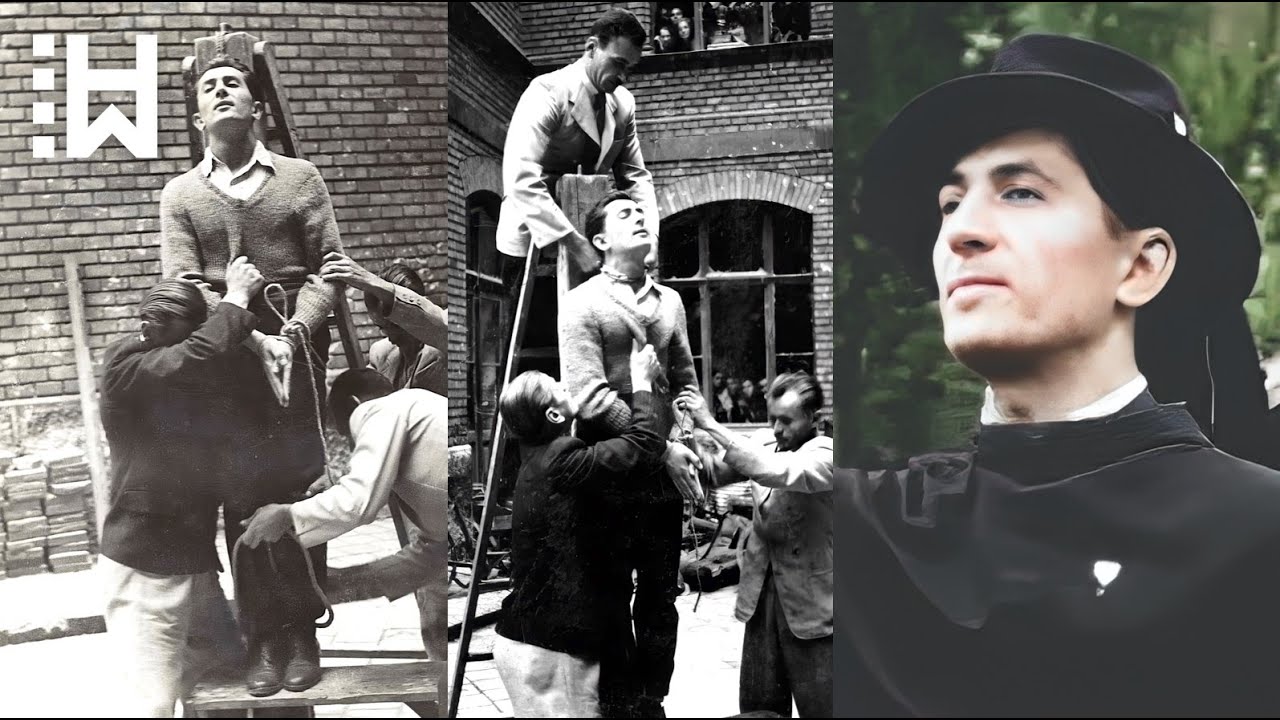
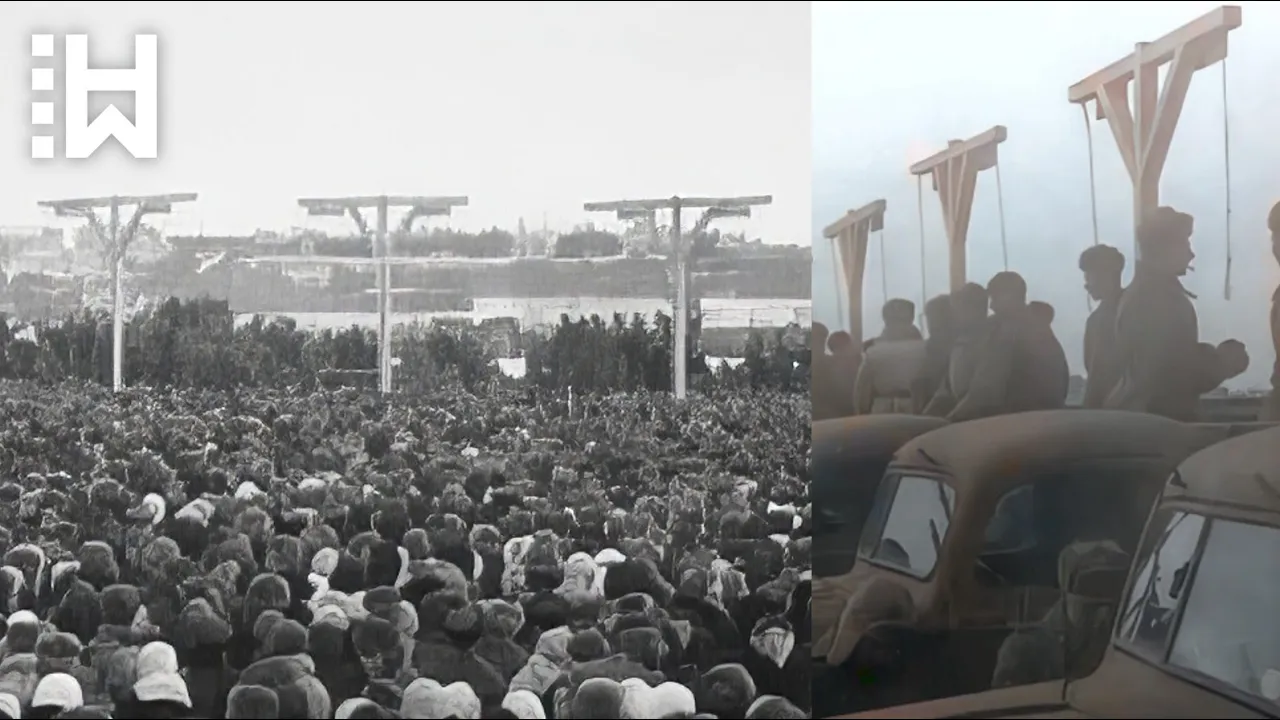
Their execution was held publicly on the following day and became a theater of horror. The 14 Nazi criminals were hanged in front of over 100,000 civilian spectators who came to witness the execution, which took place in the horse racing venue of Minsk, today’s Victory Square. Soviet officials brought the 14 men to the gallows on 14 trucks and tied the nooses on as thousands of men, women, and children watched.
On the platform of each of the 14 trucks stood one convict. While some of the Nazi criminals who were to be hanged stood proudly, the others wet their trousers. When the trucks moved forward, the condemned Nazis were left to hang, swaying in the air.
More than two million Belarusians were killed during the Second World War, accounting for approximately 25 percent of the total population, the highest proportion of any country involved in the war. There were many tears shed for all the victims of Nazi terror. Thanks for watching the World History Channel.
Be sure to like and subscribe and click the bell notification icon so you don't miss our next episodes. We thank you and we'll see you next time on the channel.