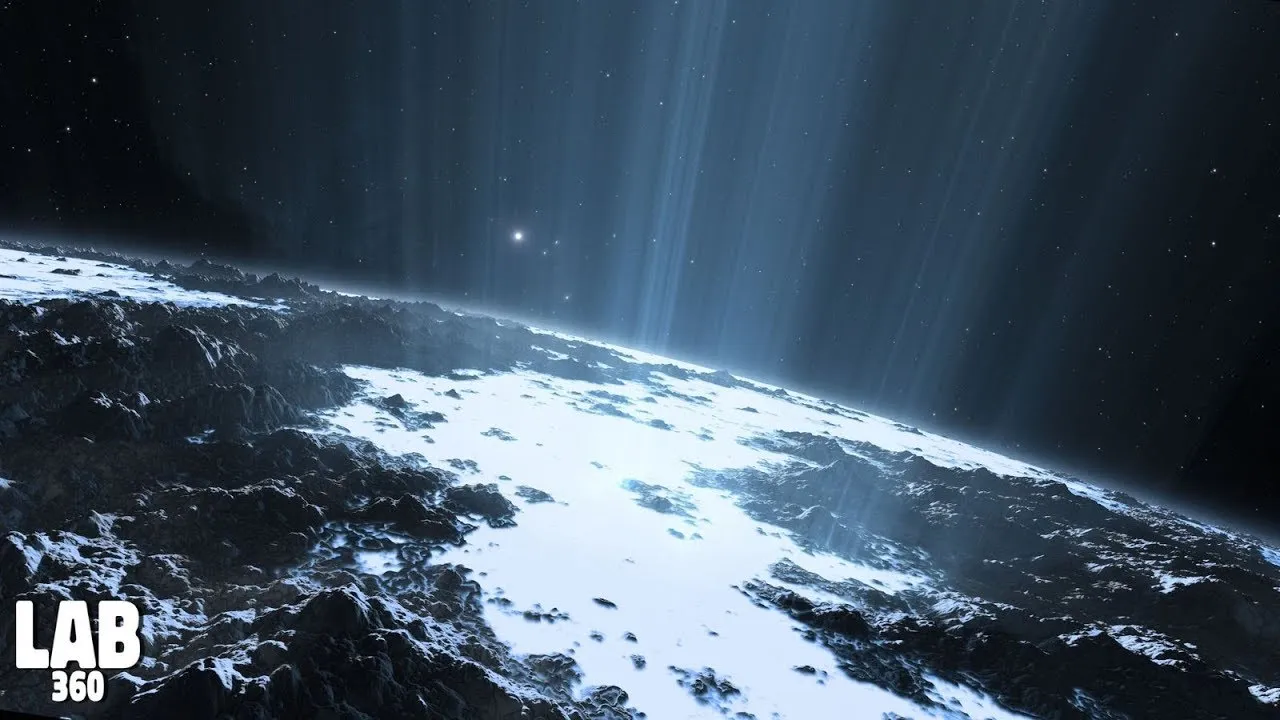
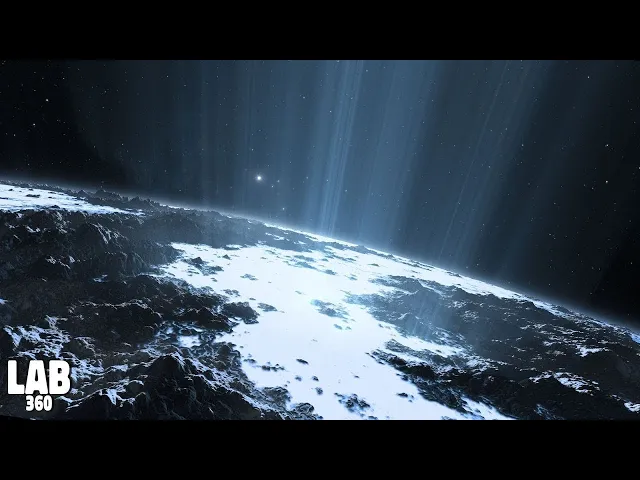
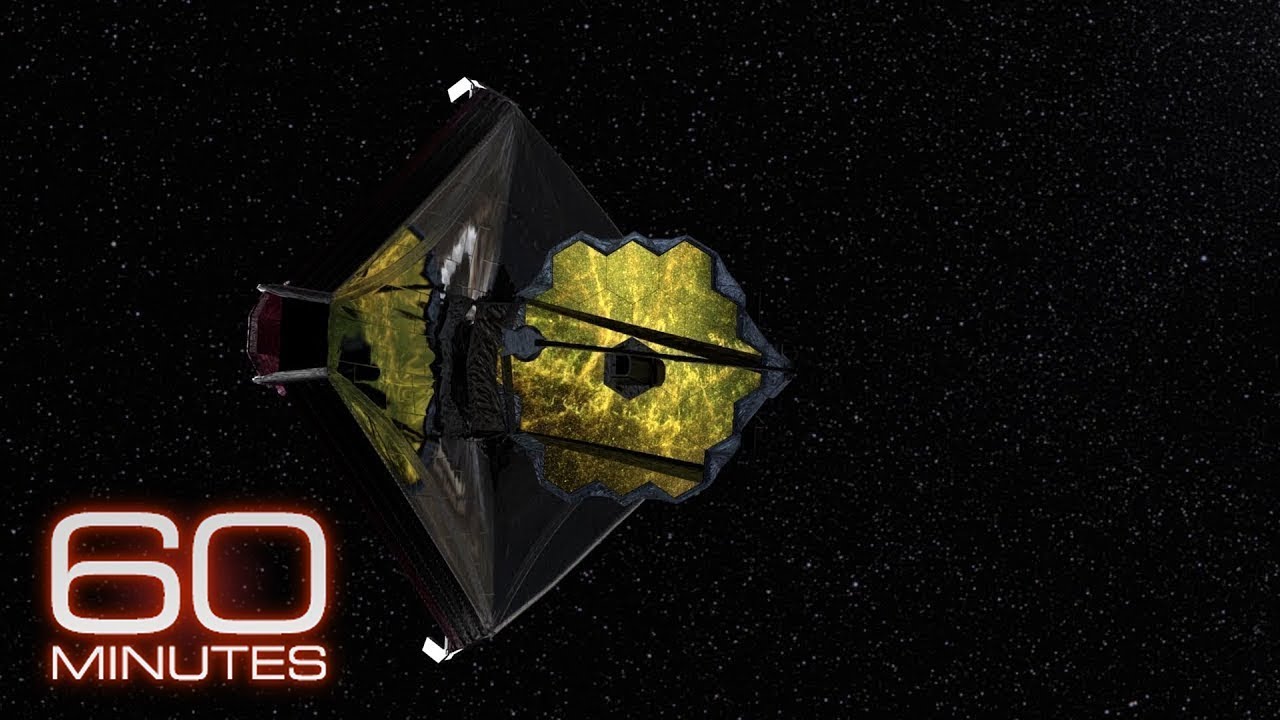
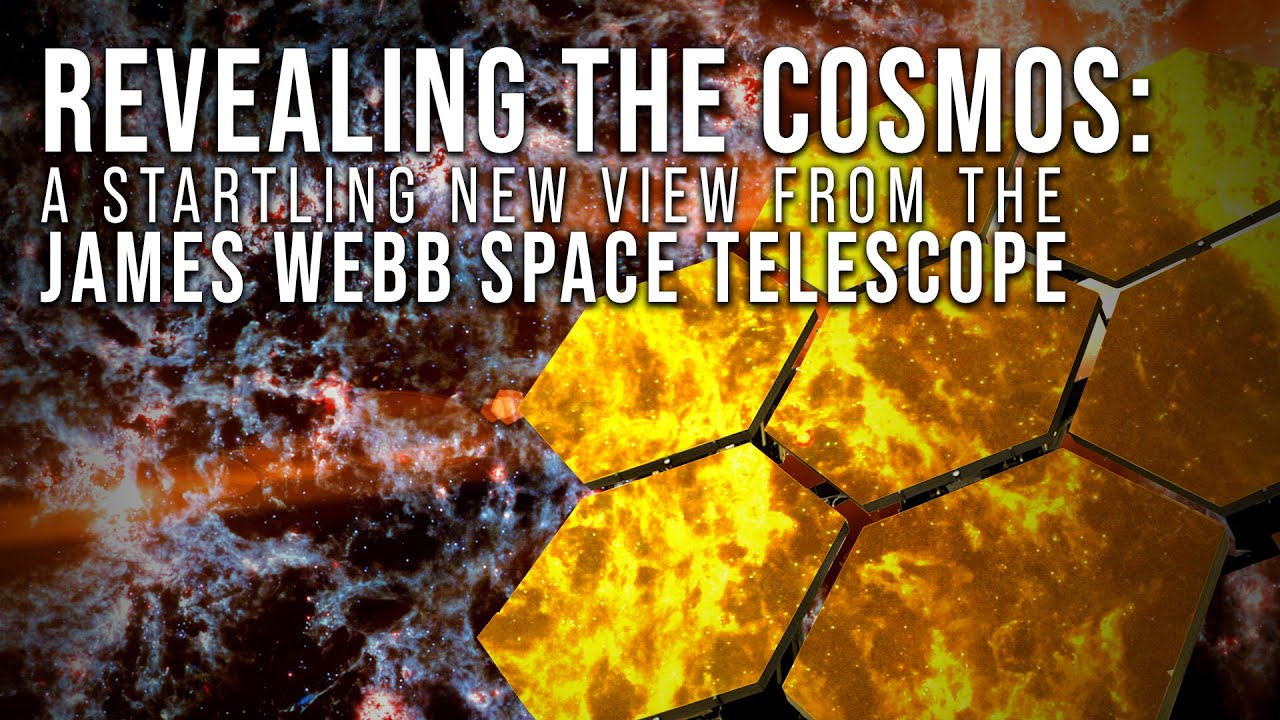
the James Webb Space Telescope is the world's leading Observatory for space science Webb is investigating mysteries in our solar system as well as Distant Worlds orbiting other stars and delving into the unfathomable architecture and beginnings of our universe and our role in it in a recent Endeavor researchers directed the web telescope towards a Star located 120 light years from our solar system and the super telescope has discovered evidence of carbon-based molecules in the atmosphere of a suspected Ocean World which has baffled astronomers as to how it is even possible this discovery provides a fascinating glimpse into a planet unlike anything in our solar system and raises interesting prospects about potentially habitable worlds elsewhere in the universe welcome to lab 360. it's time to explore make sure to hit that subscribe button to obtain the latest space news NASA's James Webb Space telescopes examination of k218b an exoplanet 8. 6 times the mass of Earth has found the presence of carbon-bearing compounds such as methane and carbon dioxide Webb's Discovery ads to Prior research showing that k218b might be a high cnxo planet with a hydrogen-rich atmosphere and an ocean-covered surface the first insight into the atmospheric properties of this habitable zone exoplanet came from observations with NASA's Hubble Space Telescope which prompted further studies that have since changed our understanding of the system k218b is 120 light years from Earth in the constellation Leo and circles the cool dwarf star k218 in the habitable zone exoplanets like k218b with diameters between Earth and Neptune are unlike anything else in our solar system because there are no comparable neighboring planets these sub-neptunes are poorly understood and the nature of their atmospheres is a source of intense discussion among astronomers the possibility that k218b being a high C and exoplanet is fascinating as some astronomers believe these worlds are excellent conditions for searching for evidence of Life on exoplanets the abundance of methane and carbon dioxide as well as the scarcity of ammonia support the theory that a water ocean exists beneath a hydrogen-rich atmosphere in k218b these early web findings also suggest the possibility of detecting a chemical known as dimethyl sulfide only life on Earth generates this the majority of dimethylsulfide in the atmosphere is released by phytoplankton in Marine environments dimethyl sulfide inference is less robust and requires further confirmation upcoming web observations should be able to confirm if dimethyl sulfide is indeed present in the atmosphere of k218b at significant levels explain an astronomer at the University of Cambridge while k218b is in the habitable zone and has been shown to have carbon-bearing compounds this does not necessarily imply that the planet is capable of supporting life with a radius 2.
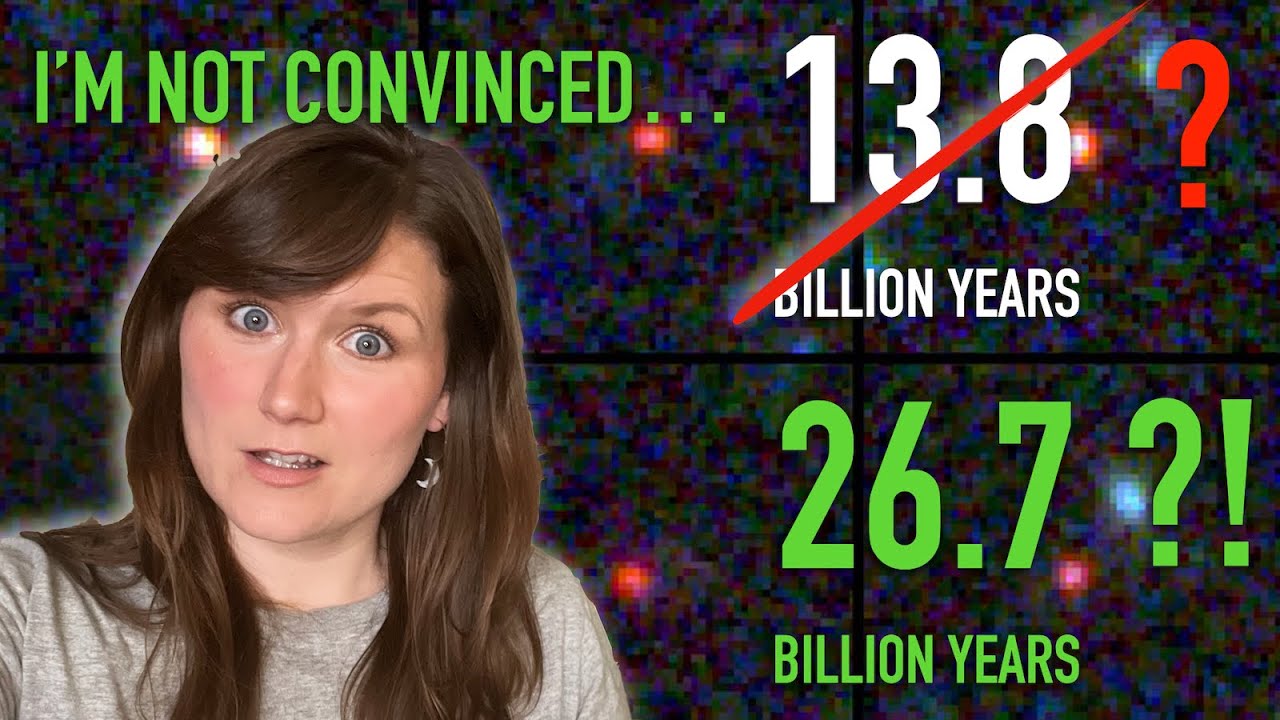
6 times that of Earth the planet's core is anticipated to possess a huge mantle of high pressure of ice similar to Neptune but with a thinner hydrogen-rich atmosphere and an ocean surface oceans of water are expected for high sea and worlds it is possible however that the ocean is too hard to be livable or liquid we have obtained the most detailed spectrum of a habitable zone subneptune to date and this allowed us to work out the molecules that exist in its atmosphere explain team member subhajit soccer of Cardiff University this problem was avoided by analyzing light from k218b's parent stay as it traveled through the exoplanet's atmosphere k218b is a transiting exoplanet which means that its brightness decreases when it passes over the face of its host star this is how NASA's K2 Mission detected the exoplanet in 2015. this means that a minuscule proportion of sunlight will travel through the exoplanets atmosphere before reaching space telescopes like web during transits the passage of sunlight through the atmosphere of an exoplanet leaves traces that astronomers may put together to estimate the gases in the exoplanets atmosphere the team plans to undertake more study using the telescopes mid infrared instrument spectrograph which they believe will corroborate their findings and give fresh insights into the climatic conditions on k-18b our ultimate goal is the identification of life on a habitable exoplanet which would transform our understanding of our place in the universe concluded madhusudan and that's not the only place the super telescope has detected water astronomers using the James Webb Space Telescope have discovered evidence of complex organic molecules similar to smoke or smog in a distant Galaxy this is the oldest known example of complex organic molecules in the universe found by humans and what it has done is that it has pushed back the old record for detections like this by about an extra billion years I don't know about you but to me it is fascinating and at the same time terrifying that these discoveries at the edge of the universe are changing the foundation of our cosmology this is a mighty Discovery and here is what it changes okay first things first these chemicals have been detected within an early Galaxy that formed when the universe was about 10 percent of its current age the carbon-based molecules technically known as polycyclic aromatic hydrocarbons are found in oil and coal deposits on Earth as well as in smog but what is the significance of this finding Justin Spiker the lead astronomer of the study makes it very clear that the molecules we found aren't simple things like water or carbon dioxide we're talking about big floppy molecules with dozens or hundreds of atoms in them isn't it remarkable that the Universe could make really large and complex molecules very quickly after the big bang when our models suggest that they couldn't have given the extreme distance of the Galaxy the light the astronomers detected began its Journey less than 1. 5 billion years after the big bang the universe is currently about 13.
8 billion years old we are looking at the beginning of the formation of the universe as we see it today but here's the catch it is because of web that we have been able to detect these complex organic molecules pushing back the old record for detections like this by about an extra billion years imagine if we could look farther back in time is it possible that we find more of these molecules and that too extremely close to the Big Bang where does that leave our science our cosmological model now here's the thing previous efforts to detect complex organic molecules in ancient galaxies could only tell if the chemicals were there or not with Webb's resolution we can now see actual details of where within a Galaxy the molecules are located in this early Galaxy called spt-04 1847 the presence of these molecules is not uniform and the reason for this remains to be explained also this discovery proves that it is possible for Galaxies to form in the early Universe where much was thought to be happening what is fascinating however is that the Galaxy was already just as massive and its stars have formed just as much carbon and oxygen as our own Milky Way even though it's only a tenth the age of our galaxy as Humanity Ventures forth into the unknown armed with knowledge and a first for understanding we are humbled by the magnitude and complexity of the cosmos and with each breakthrough we inch closer to deciphering the secrets that lie hidden among the Stars with the way web is performing it is only a matter of time before the universe shines in a new light what do you guys think if you found this video intriguing don't forget to hit that like button drop in your comments below make sure to press that notification Bell And subscribe to lab 360.


![Hacking Reality [Official Film]](https://img.youtube.com/vi/vJi3_znm7ZE/maxresdefault.jpg)