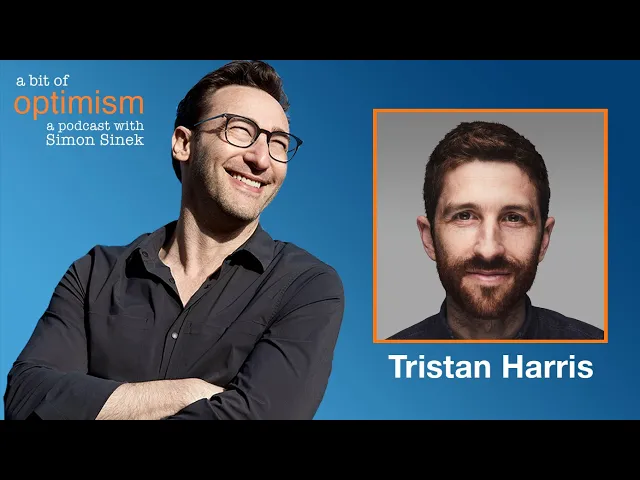
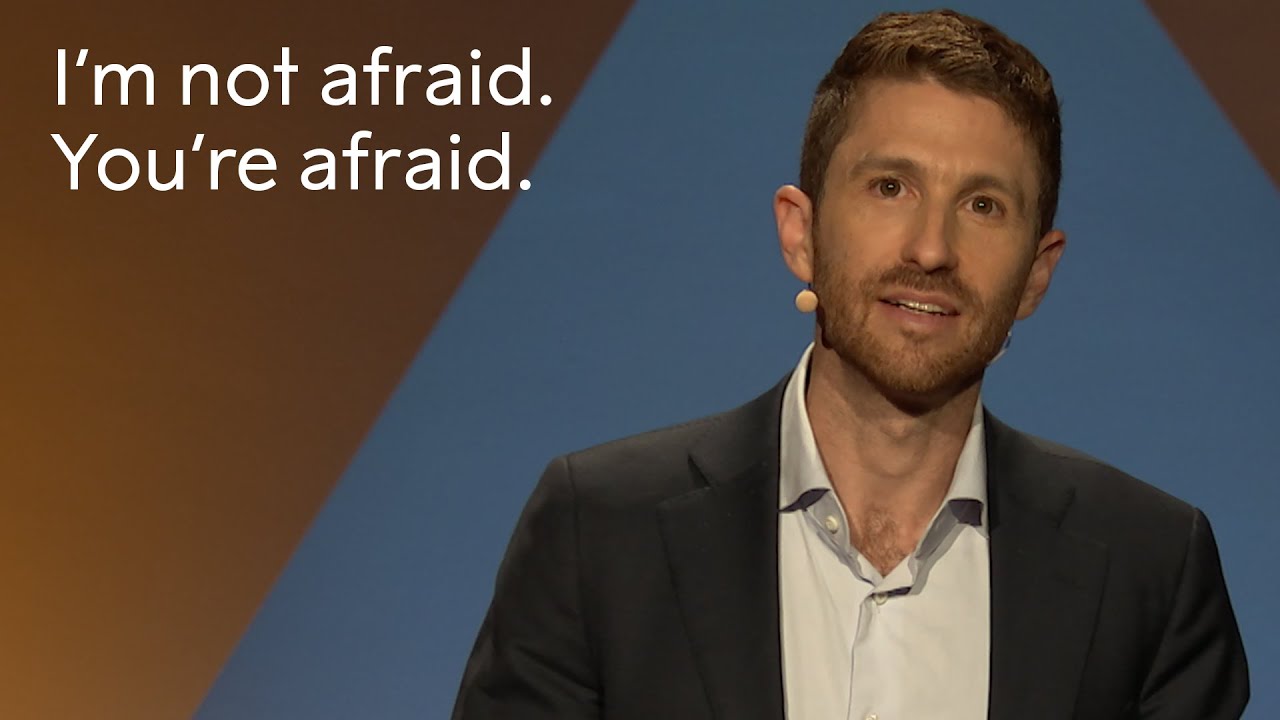
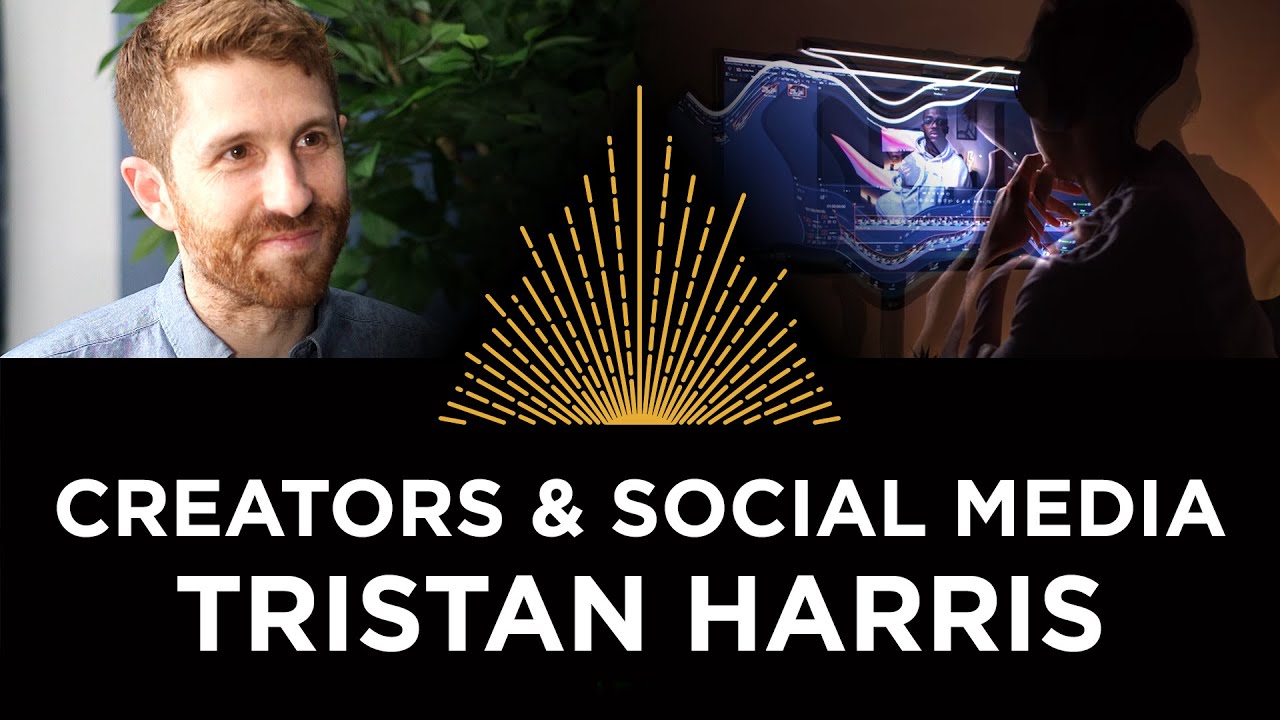
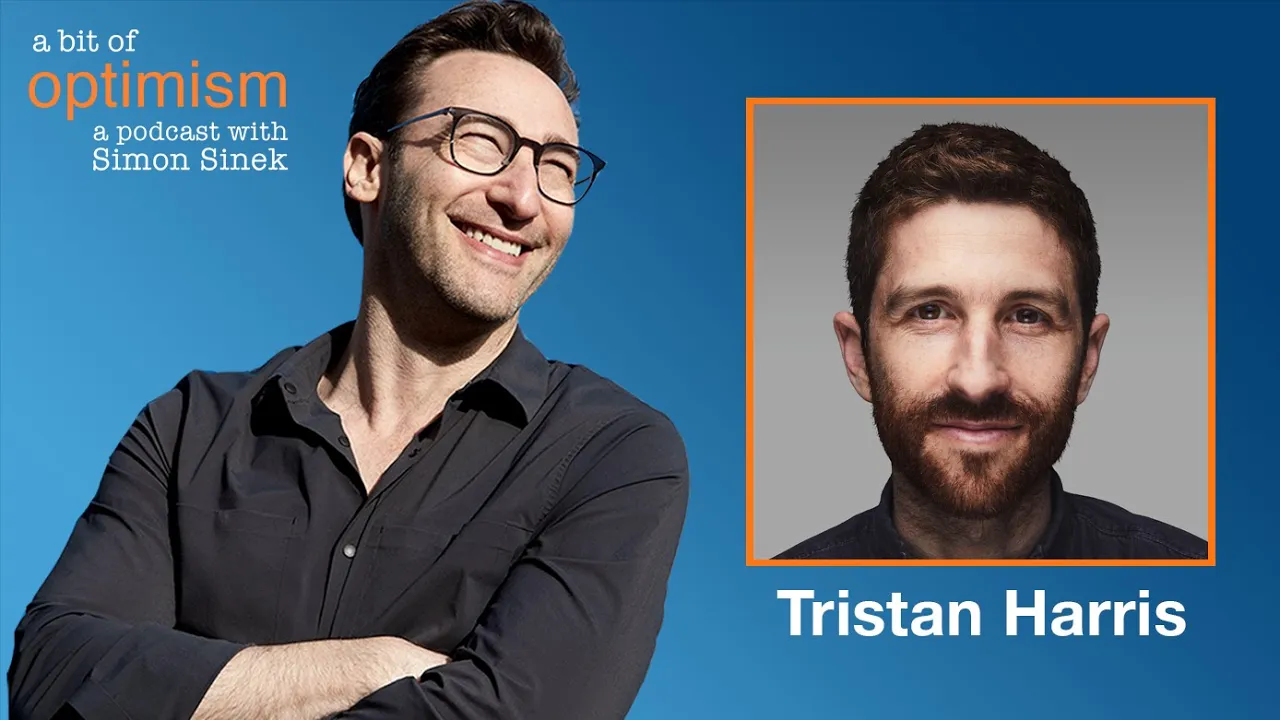
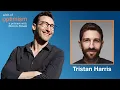
[Music] if you saw the documentary the social dilemma on netflix then you heard a lot from tristan harris he used to work in big tech and now he's on a crusade to tell us all about the dangers of social media and what we can do to protect ourselves this is a bit of optimism hey tristan thanks for joining me you've already had an incredibly intense year can we start with your experience with the california wildfires yeah i had been based in san francisco and then when the pandemic hit i actually moved into my family home
that i grew up in up in santa rosa which is in sonoma county and two weeks after the social dilemma came out a huge wildfire came through calistoga and sonoma county and basically overnight incinerated everything that uh i i know and grew up with and we had to evacuate we had 30 minutes to to leave it's crazy to go through something like that you know um waking up the next day and get a text message from your neighbor saying it's gone two other houses in the neighborhood also burned many were spared we were one of
the unlucky ones but as is true in existentialism the meaningfulness of something is what happens afterwards and the meaning you continue to make and so i think i'm trying to turn it into the sweetest thing that's ever happened by rebuilding a better life and living situation afterwards so it's been a crazy year did you have a chance to mourn what about your family i mean this was the house you grew up in so this was um the house that i grew up in with my mother and actually strange fact the house burned down exactly two
years after her passing wow which is it's this very strange twist of fate i don't think i really mourned until november after getting through a huge amount of the press and media tour and i think there was a big big release of kind of just recognizing what had happened and uh yeah it's been it's been a crazy journey well talking about the social dilemma you know that was one of those shows on netflix that had everybody talking and really for the first time made people realize the danger and feel fear for the way that social
media is in our lives and more importantly the way the companies manipulate our lives how did you get on that journey in the first place how did you become the spokesperson waving the flag at all of us look here look here what like how did that journey begin for you i think it's easy to look at a film like the social dilemma or my background and assume that you know i'm kind of this uh luddite anti-tech critic or something like that and that we should go back to the stone age or um that i'm an
anti-technology person i actually went to stanford studied computer science was classmates with the founders of instagram was part of a group with one of the founders kevin systrom who's the was the ceo of instagram and we were part of a social impact-oriented group about how could we use computer science to make the most positive social impact in the world and so that was the upbringing that i had at stanford and you worked in big tech yeah yeah i worked at apple when i was 18 years old as an intern i worked at jimmy wales wikipedia
spin-off called wikia and then i started my own technology company and raised venture capital and went through that whole you know round so i really saw the pressures that are on entrepreneurs you know when you when you raise venture capital you have to grow a certain way there's a pressure to grow to x million users as fast as possible and if you don't get that flywheel turning you know you know your thing is debt you can't raise more money so in my case our company that i that i'd started called apt sure it's actually you
know it's an important story because it sets up the fallacy that i think is at the root of everything the social dilemma is is calling out so back in 2007 i was at stanford a young naive 21 22 year old kid with my friends thinking hey we could make the world a better place if we could get people to care about things that they didn't know about and my naive thinking when i was 21 years old with our friends brainstorming this was what if when you're in the internet and there's you know someone's talking about
something like you know a specific food shortage in ethiopia in a certain region you know you read that over that you've never been to ethiopia you don't even know the names of the cultural tribes there or the history how could you expect someone to care about it so apture was this service that we worked with web publishers like the economist like washington post originally was the publisher could actually link up a phrase like this is the region of ethiopia that has the food shortage and you'd hover over it and boom you'd see an immediate video
you were transported there and you saw the people rummaging around in some refugee camp and they didn't have food and it was like say some video from the bbc and then it had right there next to it a map of exactly where that was and maybe you could link a map of where the reader was from or something like that and show you you know you could associate these things and and make it visible right there on the washington post or right there on the economist or the bbc without leaving the page so at the
risk of leading the witness here because i think i know where we're going what was so naive about that if we're jumping to the punch line of what the core thing that you know after it took me by the way six and a half years to learn this lesson yeah which is really not learning a lesson but honestly getting out of denial um as the ceo of the and founder of the company um you're so good at telling yourself the story we're getting people to care about things we're getting people to care about things you
can't see through your own story which by the way we're going to get to when we talk about the silicon valley leaders that are telling themselves stories about what their products are doing right but the core point you're bringing up was what did the economist or the washington post care about when we did that deal with them to put this on their website and what really mattered to them simon was are you increasing the amount of time on my website are you increasing engagement do you get five more page views for every page view someone
clicks on do you get more ad revenue and if we didn't keep engagement high they would take our product off their website so my business was existential right to whether or not we were delivering on the engagement proposition and you know you think about facebook and twitter and youtube and you say what are those services doing well if i want to if i'm running youtube i can tell myself a story we're helping people learn about things we're helping people watch those videos that pump you up and get motivated with that pounding music and you wake
up in the morning we're helping people look at music videos and artists and we're helping creators you know have new businesses there's all these young people who can create a whole new 15 000 a month you know businesses off of reviewing products and we're enabling new economies you can tell all those stories but at the end of the day what is youtube's business model it's got to drive more time on site from more users and getting people to share more of those videos to more people every single month and their stock price is directly connected
to those set of facts can you sum up what you believe the danger of social media is when you have three or four technology companies that are kind of the brain implant for human civilization meaning they think about you being at home for the last year and you're staring outside your window as i'm doing right now do i know what's happening in that world by through my own eyeballs or do i have to reference my brain implant of social media to say what's going on in oregon right now is it a war zone is there
a heat wave happening in the northwest that's all dictated by social media so the first thing to recognize is that social media has become the reality constructing infrastructure for our minds that by itself is not a problem but it's important let's say that again social media constructs our reality for us correct it is not looking out a window it is looking at their screen their screen their window of reality so are my friends all happy and basically on beaches in tulum you know according to instagram that's the reality of my friends lives is everyone angry
all the time or is twitter basically casting this huge net for everything everyone is angry about over the last week and then saying in case you missed it in the last 72 hours here's a list of outrage so these things have basically sorted for a very particular set of things that are good for them which is getting attention in the case of instagram things that inspire anorexia are really good for teen girls and getting their attention in the case of instagram for young boys basically soft porn rabbit holes of just infinite photos of hot girls
are what keeps those young boys attention in the case of youtube the conspiracy theories and kind of rabbit holding on holocaust denial and flat earth conspiracy videos were really good at getting attention in the case of facebook extreme groups recommended to people were really good at getting people's attention and that radicalized the world in the case of facebook and twitter and tick tock personalizing people's news feeds is better at getting attention than not personalizing their news feeds which means that affirmation rather than information is what dominates that reality constructing infrastructure we have been deranged as
a society inadvertently not not intentionally but by these these brain implants which are these three or four tech companies that have dominated especially in a coveted world the way that we see the world and i think most people can relate to they have friends or family members that feel like they can't talk to anymore because they have some other different set of views than them and we've all been kind of radicalized in some more extreme direction we don't know it because we only see well the other side looks like they're really crazy while they say
the same thing about ours you know increasing what we're seeing you know there's a study that came out in the wall street uh journal it was basically cited in a facebook internal document that 64 of the extremist groups are talking like the white nationalist groups that the you know the craziest most intense militant groups on facebook were actually driven by facebook's own recommendation system wow and so here's an example my probably grenade diresta written about this exclusively she became a new mom and she joined a organic baby food moms group so it's like moms who
want to make their own baby food okay so it sounds great this is by the way back in like 20 maybe 16 17. what do you think was the top recommended group for new moms who were in this organic baby food group i shudder to think you shut her to think well it's obviously been politicized now but um this was basically moms against vaccines and what she found in her research is once you join one of those groups the the the vaccine groups yeah then it said hey by the way do you want q anon
or hey by the way do you want flat earth or chemtrails and it would show people all of these other groups now regardless of the truth statements of some of the contents of some of those other topics just noticing this is how the machine worked for for about 10 years right so so now you rewind the clock and you say okay our society has gone insane yeah and you realize that we've got this brain implant stuck in our society and you rewind the clock and say we've been through 10 years of this unregulated derangement process
from social media recommending certain things and not others and selecting for the things that would most hijack our limbic system what's going through my mind as you're talking about this is it's a little bit like oppenheimer and the bomb right nobel and tnt as well same thing at the time alfred nobel was developing you know tnt he believed he was going to create the most powerful weapon ever so that he could bring about peace in the world that didn't happen he regretted his work ironically he is then the architect and author of the nobel peace
prize oppenheimer is working on the nuclear bomb the manhattan project thinking that he can develop this weapon it'll bring peace in the world because it'll be more powerful than anything else and turns out he was thrown off the project as soon as he starts quoting the bhagavad gita and i think what ends up happening with extremely powerful things like nuclear bombs or social media is that though they may have been founded with idealistic and positive intentions there's always balance social media does a lot of good and it also does a lot of evil it's balanced
but if it did less good it would do less evil and so the question i have is is the whole thing to restrain it in and one cannot help but look at authoritarian regimes whether it's russia or the more restrictive application of social media in china that they just don't have the troubles that we seem to have with an open access social media in other words they don't have the benefits but they also don't have the the destruction or am i completely missing something here the world is trending towards these two different attractors right now
that if you sort of take your hand off the steering wheel you know we're heading into climate change we're heading into these extreme volatile periods of history and the two ways of relating to that are governments trending towards authoritarianism and oppression which is the orwellian world which is like let's just have one big master state that just changes the climate timelines that just you know locks up human behavior that coerces people and is against freedom that's one dystopia we don't want to head towards but also has certain benefits in the ways that it will maybe
deal with climate change because it can just top down exert that that governance structure the other attractor is chaos which is basically just let's maximize the sort of freedom which is basically maximizing polarization disagreement chaos this is all getting very philosophical right and it's the trouble i have with this whole discussion is that it's all very lofty it's also abdicates any kind of personal responsibility big tech needs to do this government needs to do other people need to do this and i disagree with the idea that it's either freedom or chaos the reality is is
all of these organizations all of our government entities all policy starts with an individual if we go in into facebook where are the employees we've seen it happen we've seen employees exert tremendous pressure on a company like where is the moral outrage where is the ethical standard all of this is solved with personal accountability because one of the things we neglected about looking out the window is who's in your house how are you treating the people in your house forget about what's out the window that's where i think the solution lies it's not chaos or
freedom it's me to you it's how i treat my friends and how i think about myself in in this system rather than a victim somebody who can do something at a very small scale which turns out lots of people working at small scale adds up to big scale what i hear you saying is the the third attractor beyond oppression or chaos is responsibility yeah like a parent who restricts their kid on facebook a couple who one says the other honey let's put them away and leave our phones at home and go out for a walk
do a jigsaw puzzle read a book watch a movie you know whatever it is you and i have both been victim to it i'm victim to it which is you're with a friend one of you picks up the phone the other one feels stupid so the other one picks up the phone and before you know it you've both gone down a rabbit hole and 20 minutes later one looks up and goes we should probably stop shouldn't we i literally have probably more encyclopedic knowledge on the various persuasive mechanisms and manipulation techniques and i don't know
99 of people on the planet and i literally get influenced and sucked into these things all the time because the point is you're we are all trapped in that meat and i want to say one thing which is to just acknowledge asymmetries of power so we we can understand when we're being victimized or being manipulated without identifying as a victim and staying in that place i'll give you the example of a teenager who sees social dilemma or listens to this you and i right now and says you know what today's the day i'm actually going
to right after listening to this turn off my notifications from all these damn things i'm going to uninstall these five apps from my phone and i'm going to make a commitment about what things in my embodied life in the real world i'm going to choose to do for a teenager i want to go into this teenager example all of their friends are still all the sexual opportunities all the homework gossip all the gossip about who's doing what to whom that is all still happening in the instagram world in the tik-tok world in the snapchat world
and one of the diabolical aspects of the asymmetry of power here the victimization is that social media companies actually by design prey on social exclusion that if you leave by yourself it's not an individual choice because you're actually losing access to what it means to be growing up within that social cohort of your other friends and they know this and they manipulate it and so just to extend i don't disagree with the taking responsibility i would just say we have to do it as a group you know we have to do it as a society
because if a whole school would you do it how do you make something you can't make a society do something that's not how societies work i think we're missing something here which is the fact that we are we're not just a society of numbers and random individuals nor are we a society of individuals who just live a life in our own silos but we are both individuals and members of groups at all times and what makes us feel worth is not necessarily what we feel about ourselves but what others feel about us and simply telling
someone do this for yourself so that you feel better is not a good motivator just like it's not a good motivator say go to the gym so you'll feel better about yourself because as i've learned i'm totally fine disappointing myself like sitting in bed and not going to the gym and not working out i'm fine but if i have someone that i'm going to work out with i do not want to let them down and that's different and i think the thing we're missing is when you go down these rabbit holes you are making your
friends feel excluded you're making your friends feel lonely and if you want your friends to feel loved if you want the people you love to feel loved then put it away or turn it off and i think we've forgotten the service element of this this whole journey began of selfishness how can i make more money using this thing how am i going to make people watch and then the people who go down the rabbit holes all very selfishly driven and i think the part that's missing here is service what makes you optimistic this is i
mean like this the podcast is a bit of optimism and you know a lot of this is very dark and social dilemma is kind of dark you know i mean what makes you feel that all of this work is not simply idealism and trying to do the right thing but actually is working what's going in the right direction that makes us feel like this is we should continue fighting this because there actually is progress if you told me back in 2013 that we'd have chris hughes the facebook co-founder saying it's time to break up facebook
that we'd have internal employees writing letters and basically joining whistleblowing programs to saying we have to change things from the inside that you'd have 130 million people watch the social dilemma that you would have um governments from the eu to new zealand to canada to the us that are actively working on dealing with these issues the structure of this machine has been very hard to penetrate i don't want to give people some false hopes about that but the pace of the conditions of people turning around in their world views on all of this stuff whether
it's actually frankly on climate or on social media i think that the pace of that has increased dramatically and and you have to use that to extrapolate forward saying just like five years ago eight years ago i would have never been able i would have wouldn't believe you that the things that are happening now that are positive would have ever happened i have to sort of anchor right now and say given the pace of those things that there's going to be future things that i would never have believed you that are going to have to
happen you've made some personal sacrifices to do this i mean some of the stuff that you designed back as an 18 year old working at apple is still in a shipped macintosh to this day you worked at google you had big jobs you had the startups you made the money you could have been one of the billionaires and yet you you walked away from that life to do something that you thought was on a moral and ethical higher ground at great personal sacrifice you were not the friend of the big companies with huge amounts of
money and tons and tons of lawyers what makes it all worth it if the pace of change is slow even though there is some change you know you could you could just go write some nice technology and make an okay living and your work will be good work why should you keep doing it the very end of the social dilemma there's a quote from me where it says it seems crazy to think that we have to change the whole thing the whole system the way that it's working but when you see where it's going you
realize that we don't have any other choice and then the director asked me do you think we're ever going to get there and my answer is we have to thanks justin i i appreciate you taking the time this is a hard subject and when i invited you on like i know what the podcast is called and i was like okay this is i know what we're gonna talk about but given the world that we're in i think it's important to talk about it the summary is is that technology will not solve the technology problem or
technology will not solve a human problem we have to stop using technology to solve human problems give people a hug say i love you say do you want to go for a coffee with me go for a walk that's what solves all of this stuff all of it all of it not an app not a social media anything not a regulation although we need all those things because it's run amok to truly get back to being human we actually have to be human couldn't agree more tristan thanks so much for joining me please keep fighting
the good fight if you enjoyed this podcast and would like to hear more please subscribe wherever you like to listen to podcasts until then take care of yourself take care of each other