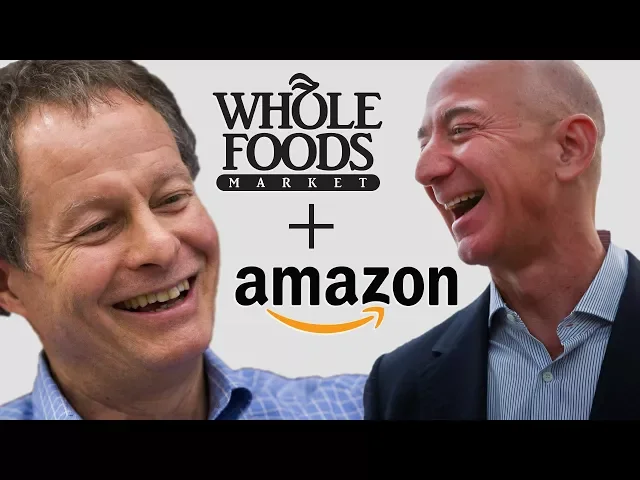
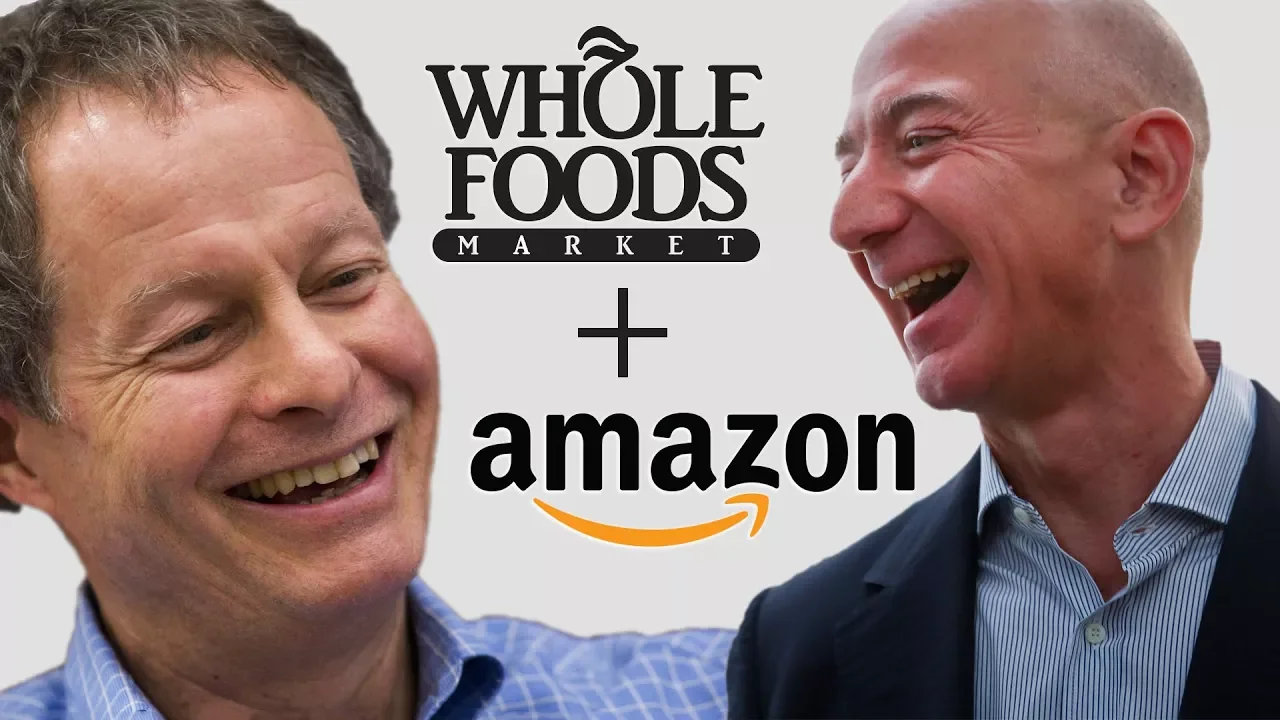
Hubble Whole Foods the grocery chain that revolutionized our expectations of supermarkets be affected by its recent merger with Amazon the online retail giant can conscious capitalism the high-minded philosophy of Whole Foods co-founder and CEO John Mackey survived a partnership with a company known for its relentless pursuit of cost savings and growth that's what was on our mind most when Reason sat down with Mackey at Liberty Cod the annual meeting of students for Liberty in a wide-ranging conversation Mackey talks candidly about the Amazon merger and the stockholder activism that drove him to seek the deal in
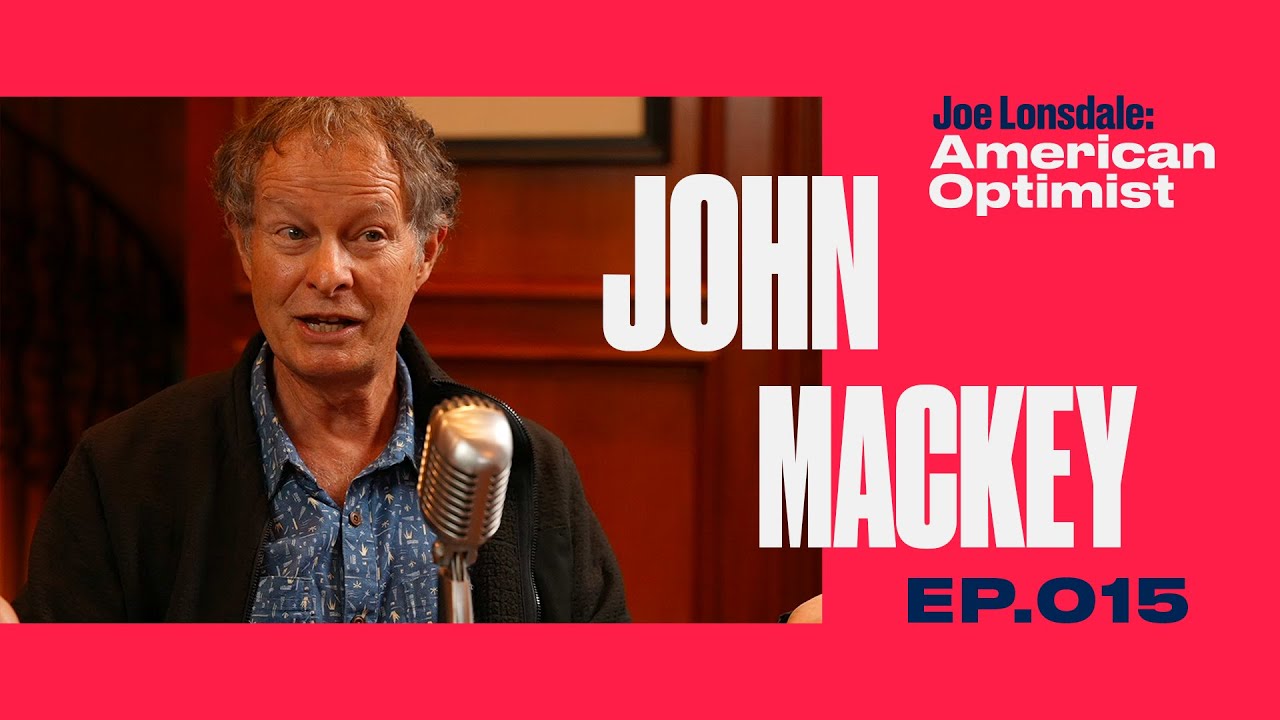
the first place how his ethical veganism and hardcore libertarianism inform one another and why he's optimistic about both the future of Commerce and the idealism of young Americans hi I'm Nick Gillespie with Reason TV and we are sitting down with the co-founder and CEO of Whole Foods John Mackey a great friend to Liberty and to students for liberty we're filming this at these students for Liberty's Liberty con 2018 John thanks for talking thanks for having me on Nick good to see you are you optimistic about young people in general or is it that there's a
certain percentage because it seems when when you listen to young people talk or the way that they vote etc there's a certain amount of kind of libertarian Brio there which is like we'd like capitalism or we like freedom because it allows us to express our purpose in peaceful ways but then there is a really resurgent or insurgent group of young people on college campuses and elsewhere who are kind of in a Bernie Sanders camp yeah you know how do you think that place I think it's a good question and I think there's two trends that
are going on I definitely think there's a young people are idealistic cuz you know the old saying that if you're not a socialist when you're 21 you've got no heart and if you're not a capitalist by the time you're 30 up no brains and I still think that plays out its young people or they come of age they look around they take for granted the prosperity they take for granted the ethical moral progress the manatees made they look around and they say by God is not perfect there are still racism there's still poverty there's still
inequality the whole thing is unfair and they're so they are susceptible to the siren call of any type of utopian answer that promises to fix it and make things better but because they're not very experienced and they don't know no history very well they don't understand how the bad get on top is Hayek said that that utopian impulse of perfectionism is you usually the enemy of the good so usually they grow out of that so I'm not going to be too disturbed when I hear utopian young people because I was one and I grew out
of it and you probably won and you're probably gonna grow out of it someday I'll grow out of this mustache first but no no in all seriousness and then but I also think people are these young people when I compared myself at the same age you know if I go back a long time ago 40 plus years a lot of ways they're more conscious and more awake than my generation was at the same period of time so I think there's reason for optimism but of course you know I've seen the polls too and and and
51 percent said they think socialism is better than capitalism that is a very disturbing statistic although I tend to be somewhat skeptical pretty much anything I read in the paper because or the news because they so much hunger for sensationalism and headlines and clickbait and things like that and plus somebody I get so many lives told about me it's hard for me to believe anything already so well this seems like a good point to talk about the merger with Amazon so Whole Foods is has merged with Amazon is that a are you excited about that
and should consumers be excited about it I'm super excited about it so I'll tell you a brief story and and I know that some people will will be cynical about what I'm about to say but I honestly believe it's a good metaphor for it so we were all fizz being harassed by shareholder activists who were trying to take over our board and they had an anti campaign against me in the media they were doing other things I had more time and off-the-record all Sunday tell you about but they were putting a lot of pressure on
our company to go up for sale and we didn't really want to sell it and necessarily but if we if we were gonna be forced into a sale I wanted to find absolutely the best possible partner and not just be taken over by a supermarket company that this wouldn't necessarily share our values and our and our views and wouldn't help us you need to be honest so kind of a mutual friend kind of introduced us and I had several executive three executives fly out with me to Seattle we met with Jeff Bezos and three of
his senior executives and you know if when you've had the experience of falling in love there there comes a point where you have what I call the conversation we may stay up all night and you just have this real connections kind of meeting of the soul so to speak that happened on our first conversation we were like thunderstruck they were so smart and they were so authentic and we were just like almost finishing each other's sentences by the time when we left there a few hours later and our executive team went to a restaurant and
we were sitting around and it's like those guys are incredible do you think they liked us too turned out they did the Amazon felt the same way what was the and they had a whole group of his exes come down four days later to Austin and then literally six weeks after that first meeting we'd signed merger papers it went that fast and we were we were married or merged two months after that and what was the common ground that clicked the common ground is the following both companies are very committed to our most important stakeholder
in both companies those customers where we're about customers are our most important stakeholder in Amazon even goes beyond they're like they're like there core value is they're obsessed with customers they always care about put the customers first and so we we synced up on that almost immediately and then but both companies are very innovative Whole Foods in the food retailing business is very innovative we're doing amazing things all the time and Amazon of course admires us for that and I don't know of a more innovative company than Amazon they're like what they've done and what
they're doing is is great so we were we thought you know if we could get together we could read identity beautiful children yes we're gonna reinvent the supermarket business as we know it we're gonna we're gonna get food to people less expensively and also both companies are really dedicated to the long term view but Whole Foods having pressure from shareholder activists we were having to focus more and more and more on the very short term quarterly to quarterly earnings something I swore we would never do but I felt like maybe the company wasn't gonna survive
Amazon's giving us the freedom to think long term again it talked about when when you open a store and I realized that might change under the new arrangement but you know typically when you would open a store how long were you thinking that that store would be there for him what went how much money went into it typical new store well we sign usually signed 20 year lease and then there's another options on that up to another 10 to 20 years on top of that so 30 to 40 years is what we're usually thinking with
but we're locked in usually for 20 years so that's you got to take the long term view when you're when you're investing in this because this is to go back to the kind of people who take capitalism or profit for granted I mean it's always like well of course you all you have to do is put up a Whole Foods and then you know people start backing up Brinks trucks do and full of money but it's it's a long term it I mean it's a long term investment of your money at that point it is
and there's no guarantee the store is going to be successful and all of our stores haven't been successful and you have competition that comes in and take maybe gets a better location or or in opens a bigger store undercut you in price or so it's it's very competitive out there and you your customers they're not you don't have a gun to their heads they trade with you because it's in their interest to do so and by the way if better store comes along then they will desert you in droves so you have to make a
long-term commitment you have to tie your capital up for a long long time I mean you asked how much we invest in the store it depends on the size of the store but generally anywhere from 8 to 20 plus million dollars for a new store you mentioned that you Whole Foods in Amazon have a fixation on customer kind of satisfaction customer experience do you think that in part explains the kind of attacks on both companies and you know the I mean this there's a lot going on but it seems that the fixation on customers it's
got to be really threatening to firms or to businesses that have a pretty good deal going on because you know having to you know when somebody comes in and is like I'm gonna give your customers a better deal better service better prices that's got to be threatening to be I think the companies have been attacked for different reasons I think Whole Foods is attacked because we appeal to a better-educated generally more affluent customer base and because we're selling the highest quality food it's frequently been more expensive so some people feel like they're not invited to
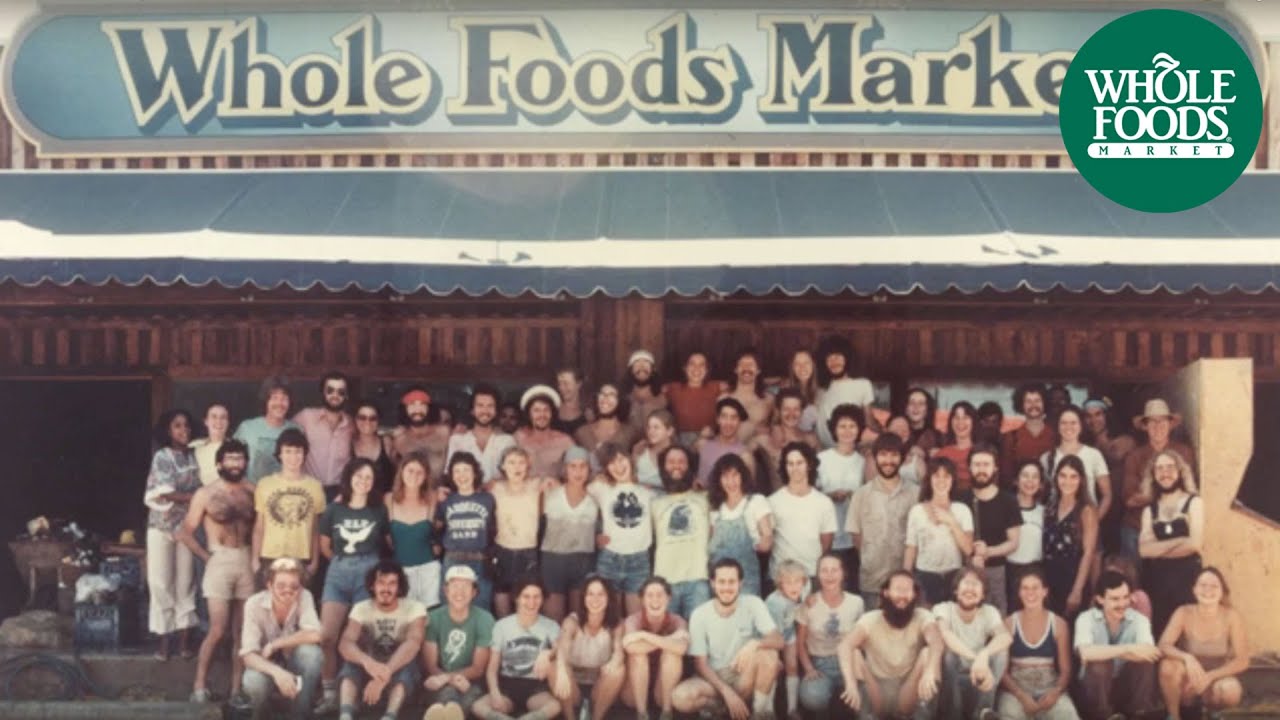
the party they're not allowed to participate and they are invited and they are welcome to participate but they still resent it and I remember because particularly when Whole Foods started out we were really kind of a really counterculture company and we were one venture capitalist who didn't chose not to invest in who said I think you guys are just a bunch of hippies selling food to other hippies and I'm not going to invest and it turned out the hippies became yuppies and and they still shopped with us but they started driving BMWs and now they
drive Tesla's and things like that and that caused a lot of resentment from people who were a little less affluent and they booked tend to blame us we also created very beautiful stores so and we were it's an aspirational store we're calling people to change their diet to eat a higher-quality food most people want to change their diet they feel like we're judging them that we're saying something's wrong with them we're not but that's how they experience it so I think those are the reasons Whole Foods is attack Amazon's attack for a completely different reason
nobody can accuse Amazon of not of having high prices because they're very very competitive and they get they now you know it's two-day delivery if you're a Prime member and and I think Amazon's attack because Amazon disrupts industries they scare that they scare industries that are fat and comfortable and they shake them up no they did that with books they're doing it with are threatening to do with medicine now they did it looks they did it with music they done it they've done it with now you know their video video now all types of retailing
in general now with Whole Foods they threaten food and I ever I can't read the paper any day where I don't read about some new business Amazons you know it's really an interesting question given your you know your retail guy and Amazon is an e-commerce giant is you know in an e-commerce still I mean when you look at various ways to cut it but like you know it accounts for maybe 1 out of 1 out of 10 sales you know in a given year maybe you know 90% of Commerce is still done you know people
walking into a store I'm walking out with something is retail on you know is traditional retail dead and and or is it dying it is dying yeah and so what is there a way that the retail space can still flourish and is it that it has to be more of a destination for the shop or more of an experience or here's where I think people I get asked where are we heading here's where I think where we're heading we're heading to people can get anything they want at any time they want it anywhere they want
it at a price that they're willing to pay and that's we're heading and so that sounds like a pretty good play it's a consumer utopia but that means a lot of established businesses are going to fail and that's very scary and Amazon is identified as the villain in the tale not the villain as far as customers are concern or consumers they're making our lives better but the powers that have the economic powers did a political clout they don't want to be disrupted and they will go the government and scream for protection or stop this merger
or prevent this Amazon needs to be investigating me be looked into that's all just vested economic interest trying to use the coercive power of government to protect themselves from competition in the run-up to election 2016 you were a big Rand Paul guy you're you know friendly towards Gary Johnson or at least the knows now but what about Trump do you think I guess two questions one are you do you think Trump year-plus and is better than Hillary would have been and how is he not as a person I mean he's a he's exactly who we
knew him to be but from a business point of view are things you know is he doing good things for business well sir kind of the joke is that there like five things I want to talk about in public I don't want to talk about religion I don't wanna talk about politics I don't want to talk about abortion I don't want to talk about sex and I don't want to talk about Donald Trump because whatever you say yeah I'm gonna get all I'm gonna get attacked I'm gonna get hate mail from one side and probably
from both sides so I will say that there are some things President Trump has done that I like and there's some things I don't like obviously I like those tax cuts I think they're good for the economy and good for business on the other hand now we're doing tariffs on steel and aluminum as protectionism I know that's bad for the economy so I'm not I'm not cheering that one on so I can't say whether Hillary would have been better or worse because we don't know we don't get to do the controlled experiment but I can
say that it's better when power alternates if you only got two parties when one power when one party stays in power too long more bad things happen and so shifting around I'm a great believer in split government where they just squabble with each other and nothing ever gets done because if nothing ever gets done then nothing bad ever happens and and people can go about their lives so I'm not a huge optimist about government solving our problems well we'll leave it there thank you so much we've been talking with John Mackay the co-founder and CEO
of Whole Foods John thanks for talking Teresa thanks Nick for reason I'm Nick Gillespie [Music]