♪ [music] ♪ [Tyler] Unemployment is one of the biggest personal and social costs of a recession. Now, given that unemployment is so disruptive, you might wonder, "Why don't employers just cut wages and lower their labor costs rather than firing workers? Wouldn't this be better for just about everyone?
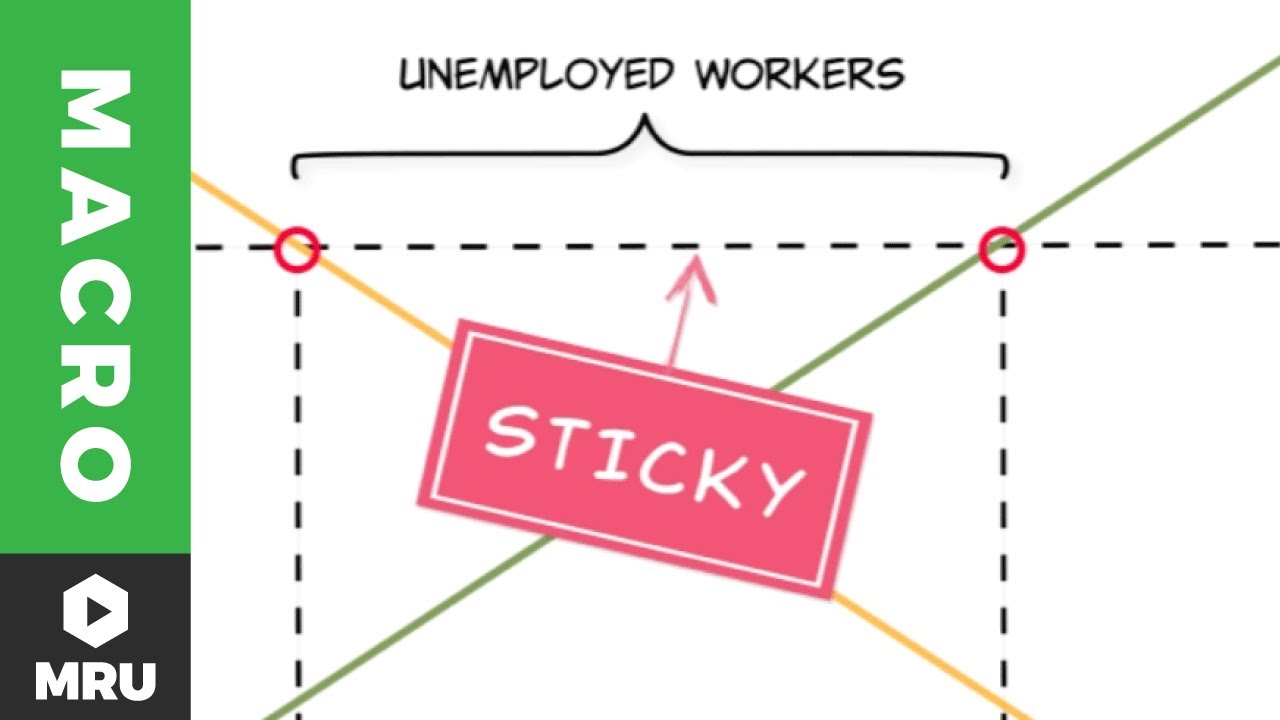
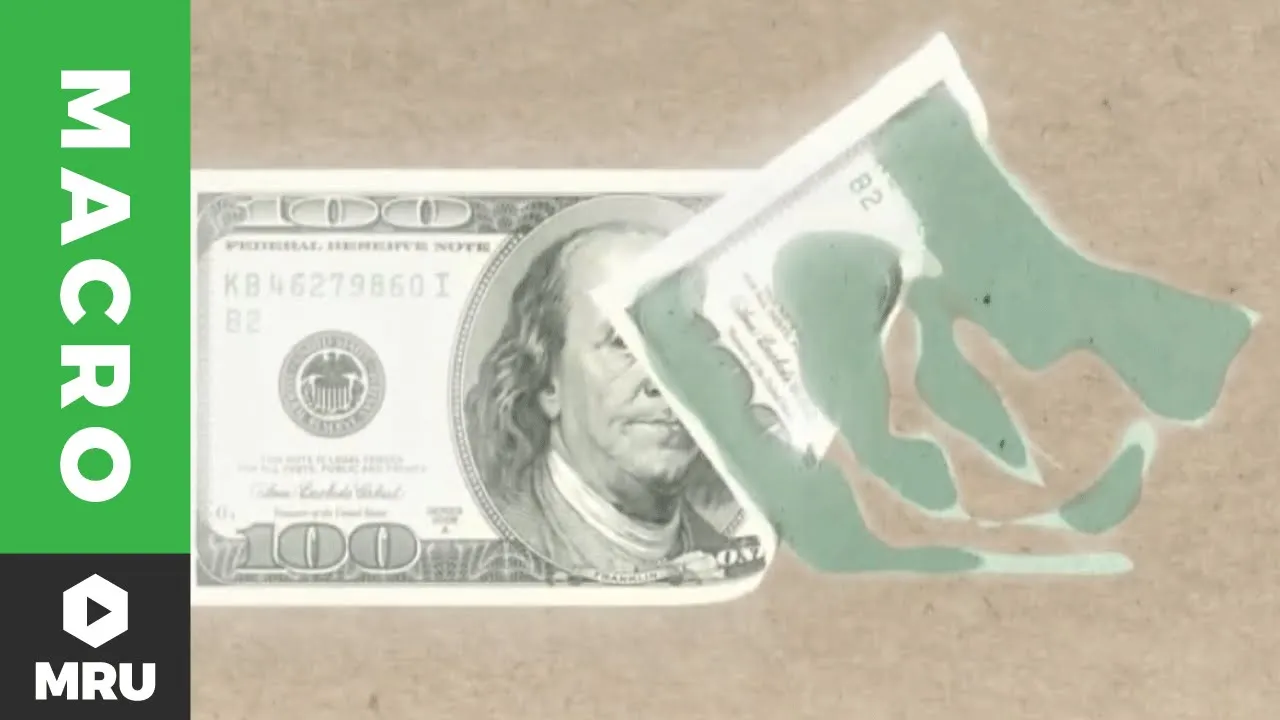
" In fact, wage cuts are not as common as you might think. And this is a phenomenon called "sticky wages. " Sticky wages means that wages get stuck and fail to adjust downwards, forestalling the recovery process during a recession.
So, why don't these wage cuts happen more often? There are a few reasons, but to explain one of them, I'll turn to the parable of the "angry professor. " This is based on some people I know -- for instance, my brother Tyrone.
He's a professor at Cornell, and he's a perfect example of an angry guy. Why? In a university, when a professor's nominal wage is cut, or even when he or she doesn't get a raise, you'd be surprised at how these people react.
They get disgruntled. Their morale can fall. And a lot of them -- they publish fewer papers, or maybe they make trouble at faculty meetings, or they don't try as hard when they teach.
But here's the odd part. There's a funny fact about how they interpret changes in their wages. If they're given a nominal wage cut, they get mad.
But if the professor's nominal wages go up, by say 3%, and inflation is maybe 4 or 5%, that's just like a wage cut, in real terms, adjusting for inflation. But, in that case, the professors don't get so upset. And that is what we economists call "money illusion.
" People get more upset by a cut in their nominal wage sometimes, than a cut in their real wage. Now, that matters because a firm often doesn't want to lower nominal wages because of worker morale, and that means that wages fall only slowly in a recession, even when falling wages would end the recession more quickly. This also helps explain why some price inflation can do good in a recession.
Price inflation makes it easier for real wages to fall. So, for instance, if prices are going up by 4%, employers could give a 2% increase in wages, and that helps keep up worker morale, even though real wages, and indeed real labor costs, have fallen by about 2%. That fall in the labor cost -- it improves employment, or at least helps limit its deterioration.
Now, we can see sticky wages in the data, but do we really know why it's happening? Well, we have a pretty good idea. Economist Truman Bewley -- he surveyed managers about their employment decisions during a recession.
He found the main reason employers fire employees, rather than cut their wages, was because they're worried about employee morale. Low nominal wages can bring low morale, and that can generate low productivity, as we saw in the case of our "angry professors. " Sometimes, it's easier just to fire some of the workers -- and have the low morale leave the building altogether, and keep the nominal wages constant for the rest, and then reassure them that their jobs are secure.
Note that sticky wages are often more sticky for employed workers than for unemployed workers. Wages for a person often can, and do, adjust downwards during a recession, but often that's only after being fired from their first initial job and then rehired by a new and different firm at a lower wage rate -- a slower process than if your current employer could simply cut your nominal wages and keep you on with the same level of morale. Now, given that the sticky wages phenomenon exists, it takes a lot longer for an economy to adjust to negative shocks.
In the meantime, unemployed workers are bearing some very real costs. [Narrator] You're on your way to mastering economics. Make sure this video sticks by taking a few practice questions.
Or, if you're ready for more macroeconomics, click for the next video. Still here? Check out Marginal Revolution University's other popular videos.