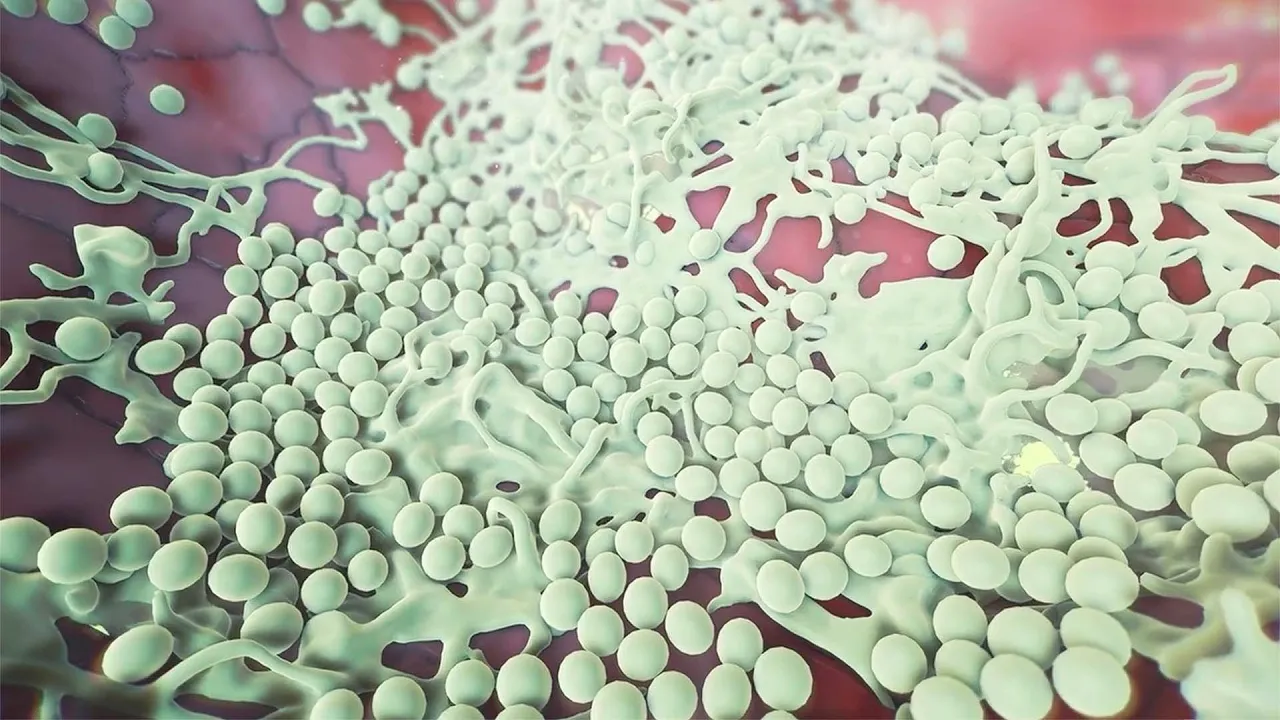
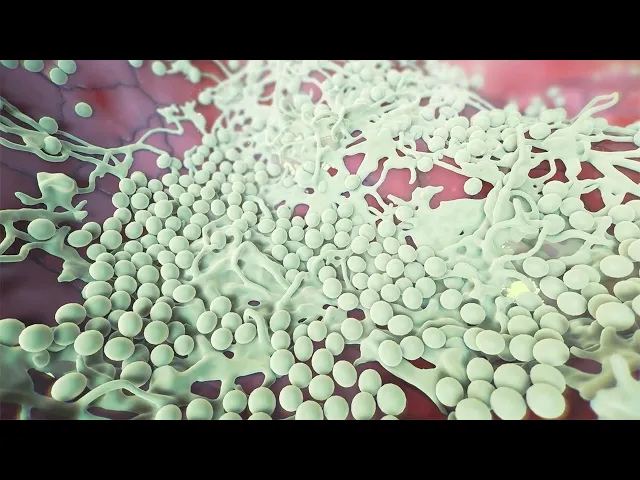
a vaginal yeast infection is a common condition where too much yeast grows in a woman's vagina other names for it are Volvo vaginal candidasis and candida Volvo vaginitis yeast is a type of fungus which is a plant-like organism the type of yeast that usually causes the infection is called Candida Albans your vagina is the passage from the uterus to the outside of your body the surface inside your vagina normally contains small amounts of this yeast which usually doesn't cause any problems other germs such as the healthy bacterium lactobacillus also live in the vagina with candida
they keep each other in Balance sometimes conditions change in the vagina that make the yeast grow out of control when this happens yeast cells invade the lining of your vagina called mucosal epithelium as the yeast grows and damages your cells it causes immune cells to enter the tissue this inflames and damages the tissue as your immune cells try to clear the infection unfortunately ye cells can avoid immune destruction by killing immune cells or ye cells May grow too large for immune cells to destroy them this allows the yeast to grow and spread forming a layer
called a bofilm in your vagina it's not always clear why a person gets a yeast infection but you're more likely to get a yeast infection if you are pregnant have diabetes wash the inside of your vagina also known as douching have a weakened immune system take birth control pills or have taken antibiotics or steroid drugs the most common symptom of a yeast infection is an extreme itchy feeling in your vagina and your vulva which is the area around the entrance to your vagina other symptoms may include redness burning and swelling in your vagina or vva
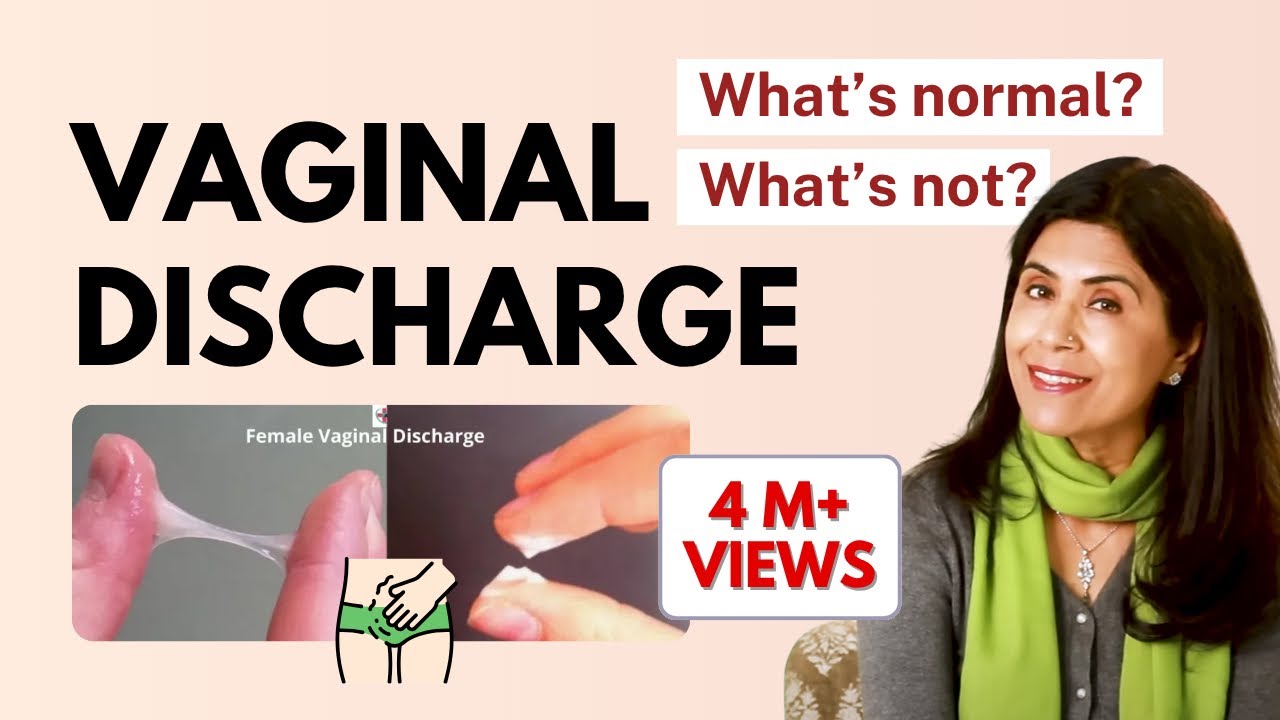
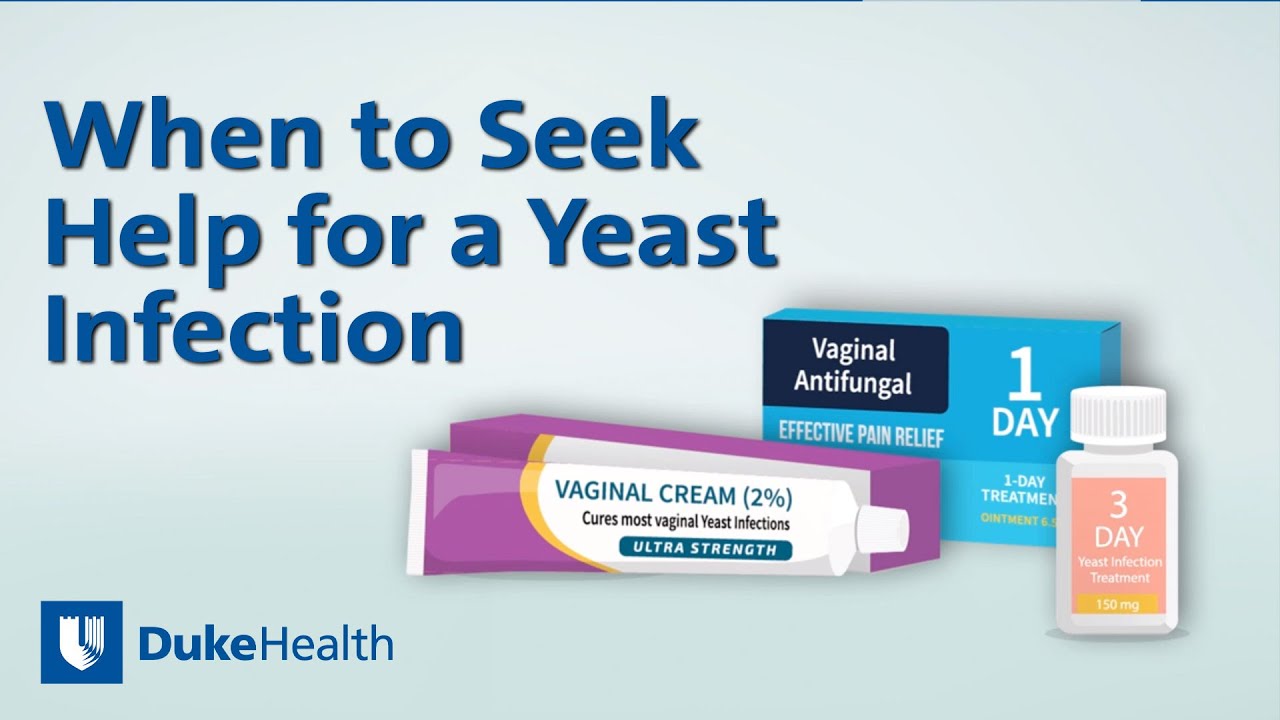
pain during urination or sex and a thick white odorless discharge from your vagina you you can treat a vaginal yeast infection with anti-fungal medicines these medicines may be creams or suppositories that you apply in your vagina or they may be pills you take by mouth it's important to use an antifungal medication for as long as the directions tell you to don't stop using them early even if your symptoms go away some of the ways you can help prevent a vaginal yeast infection include only washing your vulva not inside your vagina and not using douche es
or hygiene sprays keeping the genital area clean and dry not wearing tight underwear or pants wearing underwear with a cotton crotch always wiping front to back after using the toilet cleaning your vva after sex and keeping your blood sugar under control if you have diabetes also take antibiotics for other infections only as prescribed antibiotics May kill healthy bacteria that keep yeast in check which can lead to a yeast infection to find out more about vaginal yeast infections talk to your Healthcare practitioner












![All 7 Chakras Healing Music [removes negative energy, clears the aura & improves the body] 528HZ](https://img.youtube.com/vi/NF35xujl23c/maxresdefault.jpg)