It seems obvious that hot liquid, placed in an open container, will cool. That a gas, under pressure, tends to escape. Or even that time is a straight line towards the future.
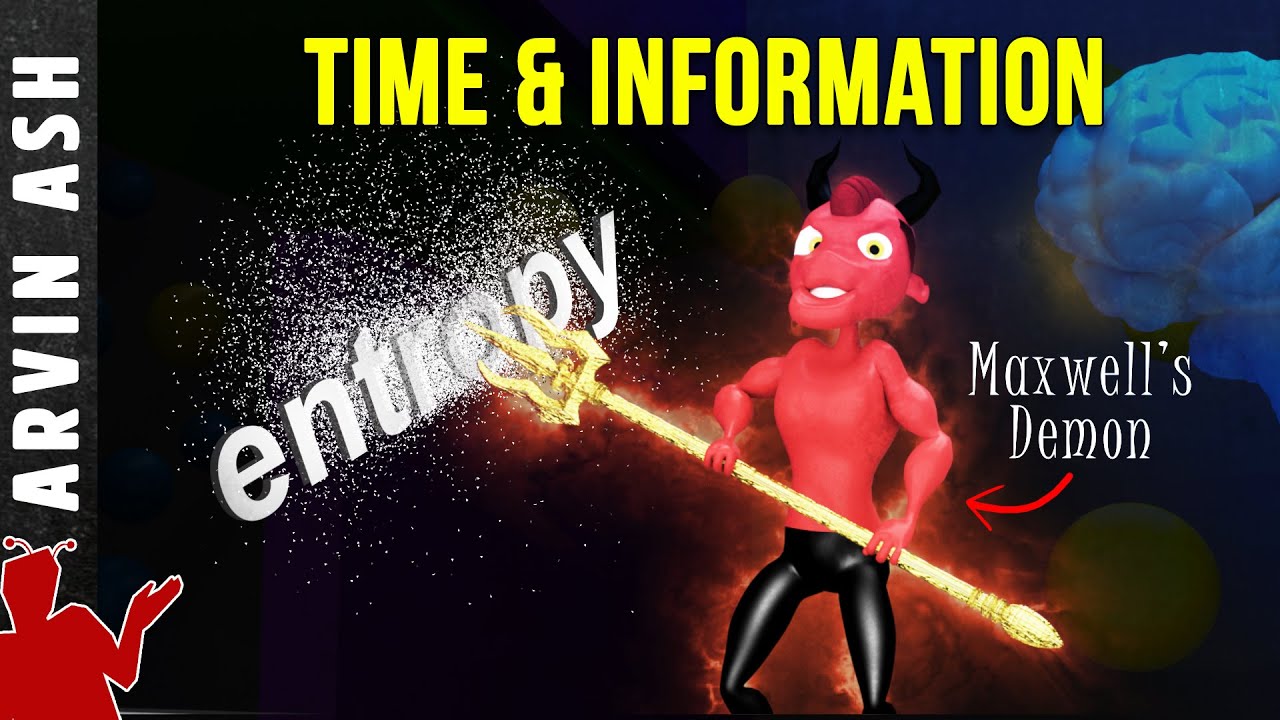
All of these spontaneous phenomena reveal an increase in disorder through time, which, in physics, is called increase in entropy. However, an experiment conducted by researchers at the Federal University of ABC seems to have found an exception to this rule without violating the laws of physics. REVERSING THE ARROW OF TIME When you open a bottle of perfume, the perfume spreads throughout the room.
When a vase falls on the floor and shatters, it remains shattered. And we don't see them moving spontaneously back. So, we use the idea of what happens spontaneously to determine the direction of time.
But, in the smallest systems, in the quantum regime, there are no laws that stipulate that these phenomena can't be reversed. Several theoretical proposals were put forth on how to reverse what we call the thermodynamic arrow of time using quantum effects —the typical effects of quantum mechanics. Quantum mechanics is a branch of physics that studies the behaviour of microscopic systems, in which strange and different things happen.
For example, an electron can be in two different places at the same time, in a state of superposition. In addition, quantum systems may show correlations: when two quantum particles are entangled, you cannot define the state of one particle without accessing the other. We intended, then, to test the limits of thermodynamics in these small quantum systems.
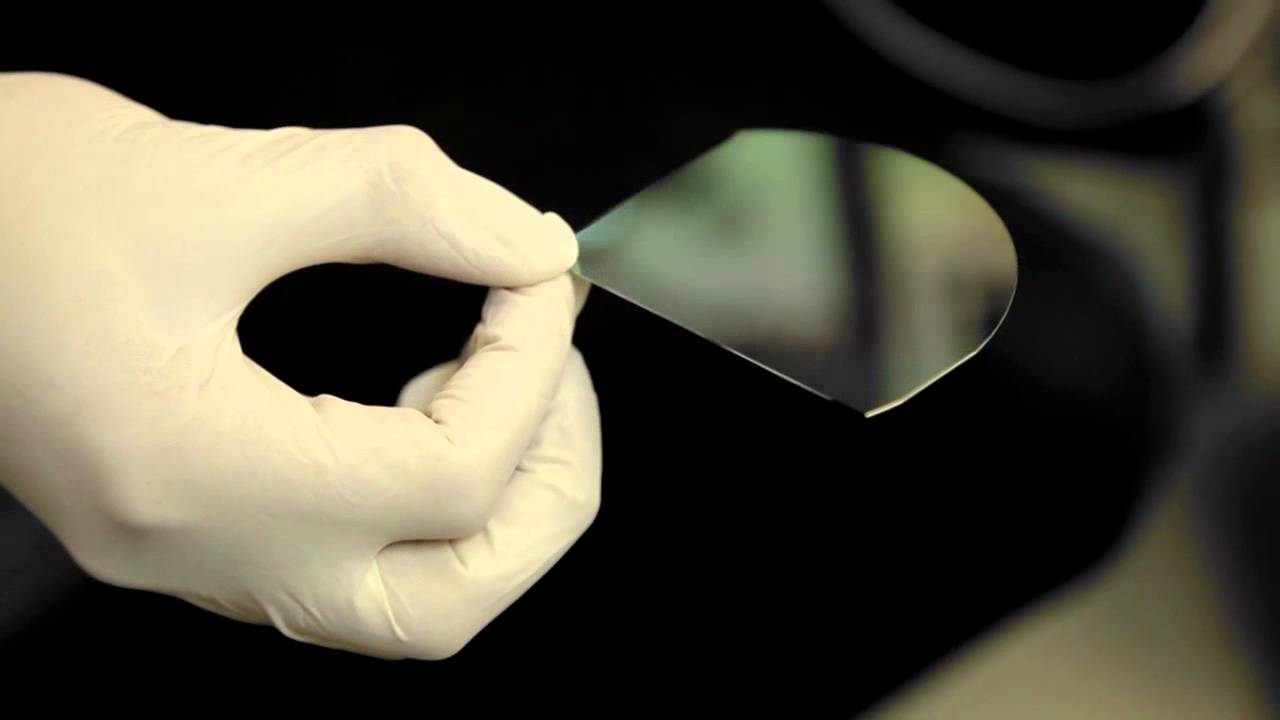
To test these limits, the researchers proposed an experiment involving the exchange of heat between atoms of carbon and hydrogen, in a molecule of chloroform. By manipulating the elemental particles' magnetic properties, called spin, it is possible to establish a quantum correlation between the atoms, resulting in a curious exchange of energy. The chloroform molecules are diluted in the solvent and placed inside this extremely thin test tube.
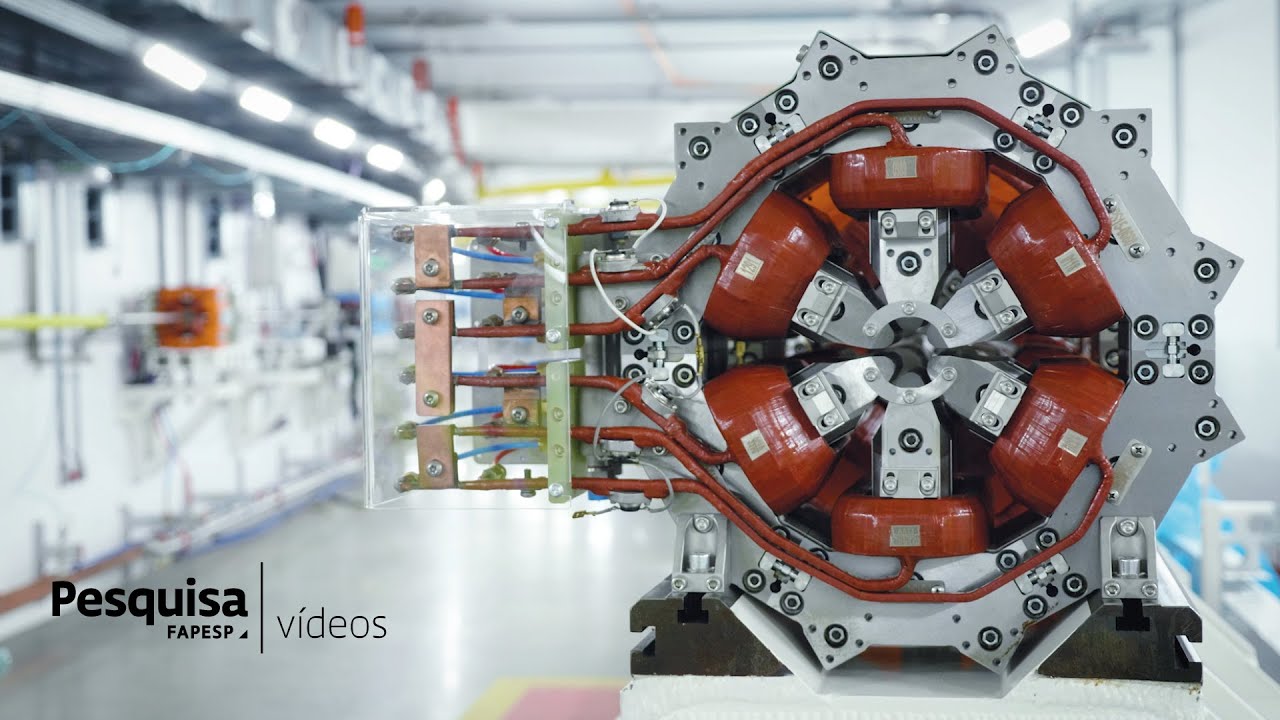
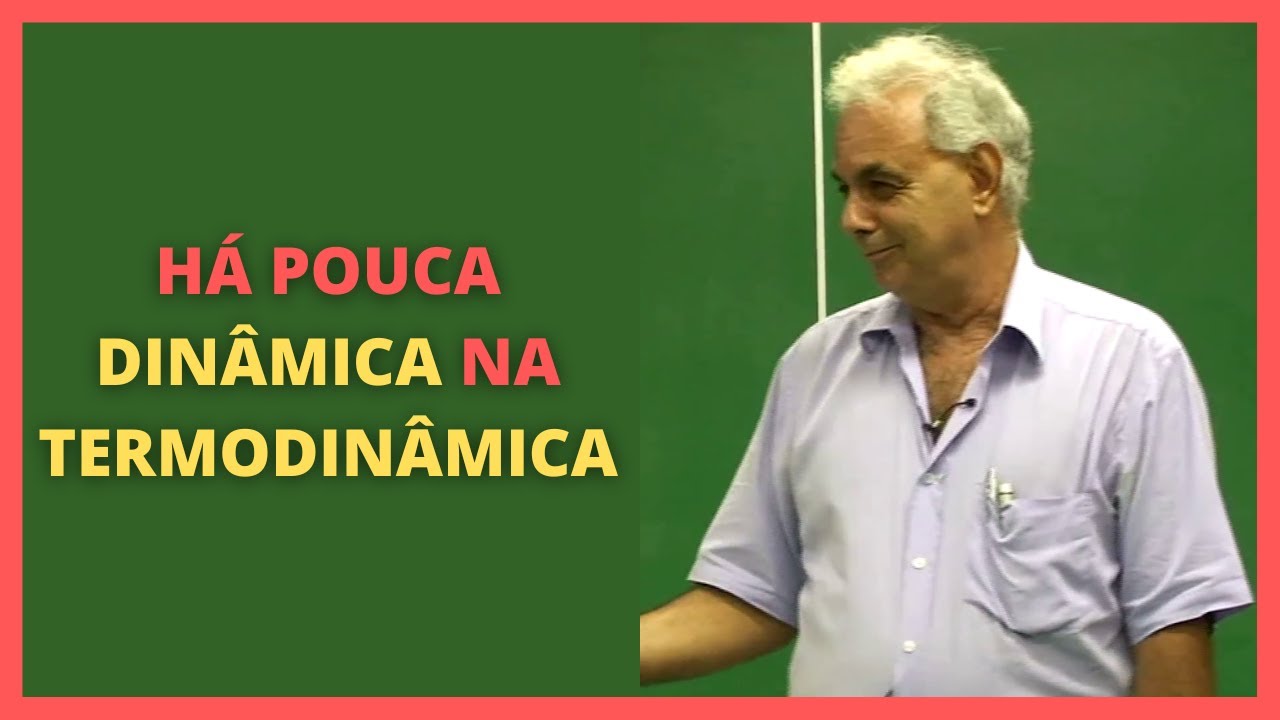
The test tube is then introduced into the spectrometer behind me. In this spectrometer we have a vacuum section, a section containing liquid nitrogen, another vacuum section, and a fourth section containing liquid helium, in which the superconducting magnet is immersed, generating a strong magnetic field, which is used to orient our samples' spin. When we initiate the experiment with the hydrogen and carbon atoms, in a decorrelated state, the flow of heat occurs in the traditional manner: from the hot atom to the cold one, respecting all known laws of thermodynamics.
When we initiate the experiment with hydrogen and carbon atoms, in a special correlated state, we observe the opposite: heat flows from the cold atom to the hot atom, consuming the initial correlation. What happens, in this case, is the transformation of information into energy. So, we can say that when heat flows from the cold atom to the hot atom, the thermodynamic arrow of time is reversed.
Development in this area, which has been called Quantum Thermodynamics, is expanding the validity of the laws of thermodynamics into the domains of microscopic systems, in which energy fluctuations are important and play a relevant role. We are creating a new theory of thermodynamics, one which may be applied to microscopic quantum systems. In addition to expanding the domains of classic thermodynamics, we expect the results to contribute to the development of a new technological revolution: quantum computing, based on computer processors which utilize these strange properties to overcome the limits of classic computational power.
Understanding the relativity of the arrow of time and the manipulation of particle spins help our comprehension of miniaturization and thermal control of these technologies, which may contribute directly to other areas such as weather forecast, experimental modelling and artificial intelligence. Did you enjoy our video? Don't forget to press the like button and subscribe to our channel to get more videos of science and technology research every two weeks.
Thanks!