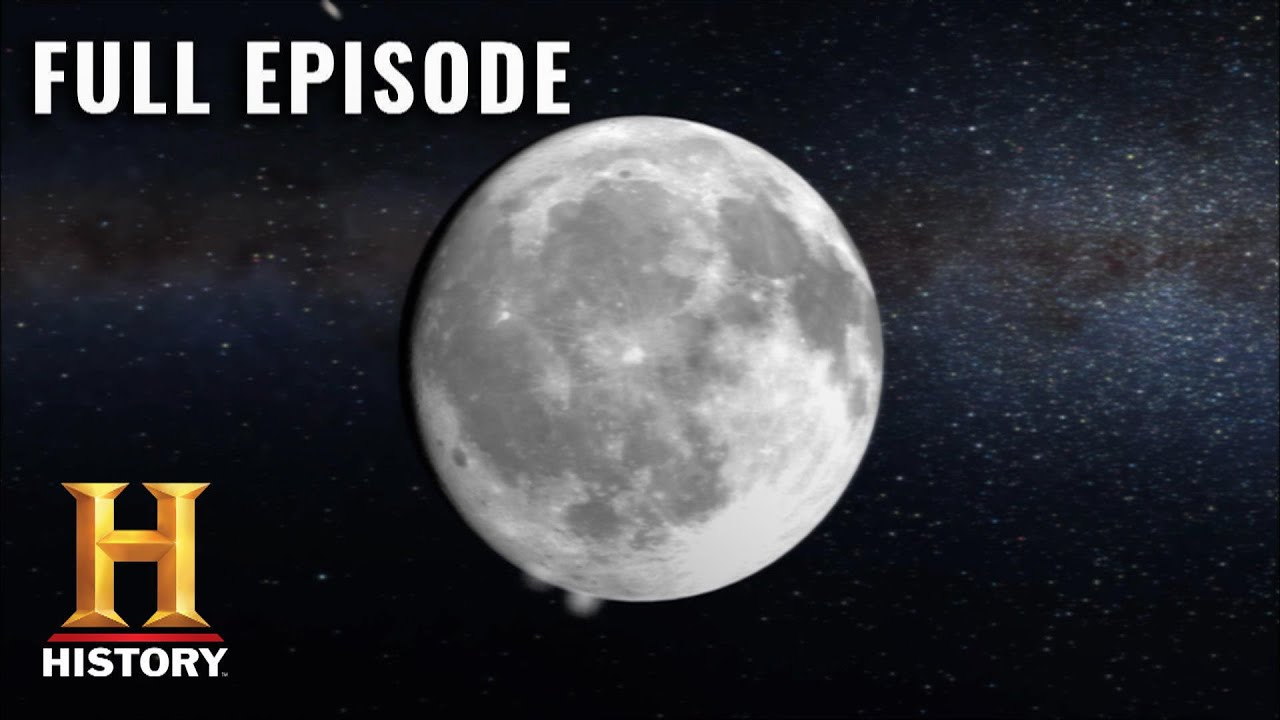
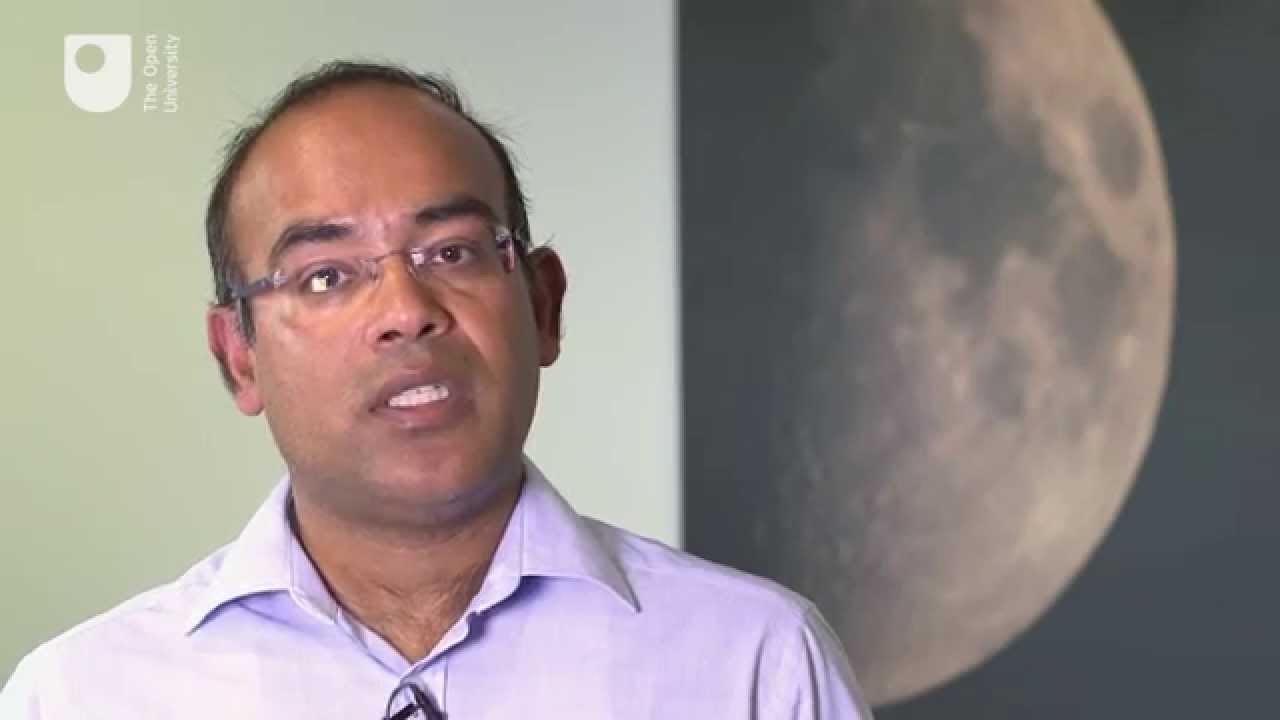
he - anime 9/8 we have a go for main engine start we have main engine the moon is the most extensively studied planetary body outside of Earth in our solar system despite this was still not sure how it was formed hypotheses have bounced around the scientific community for decades evolving under the influence of popular opinion there's George Darwin's 1879 fishing model in which our rapidly spinning the early Earth expelled material that later coalesced into the moon and then also there was guests and corns 1955 capture model which claimed the moon formed independently from Earth and
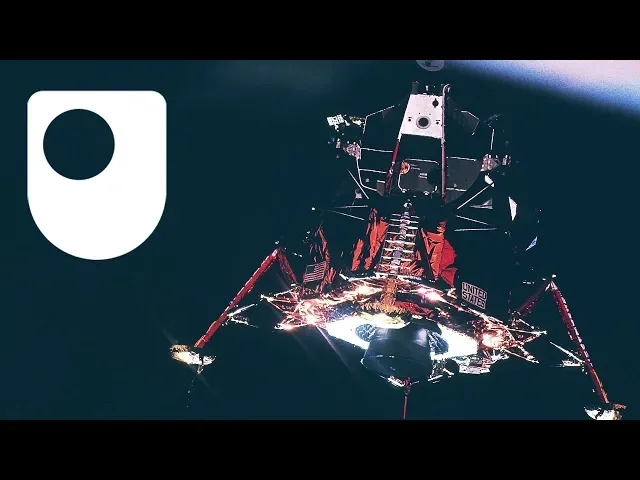
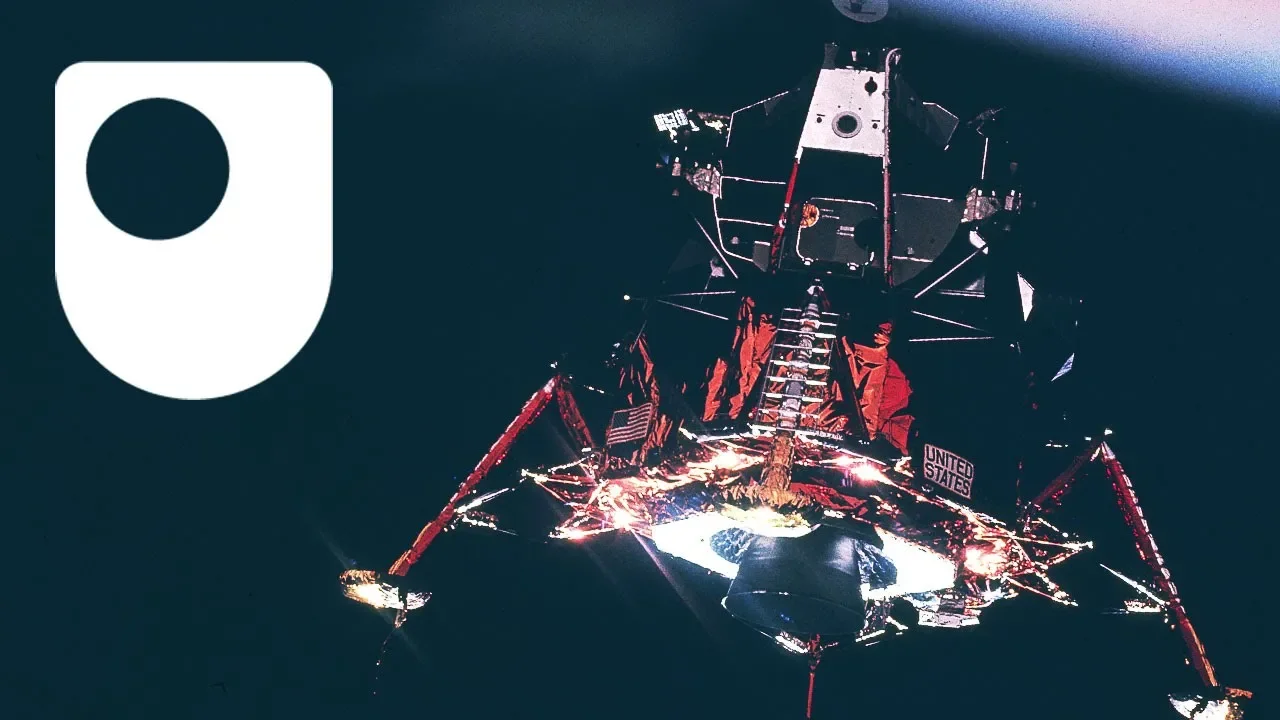
was subsequently captured by Earth's gravitational field however then came a crucial time in human history that ish eiated a major reform in what we believed is true about the moon the Apollo and lunar space mission programs that took place between 1959 and 1976 acquired the first solid material from the moon surface alongside detailed remote sensing data this analysis of the rocks returned from these missions revealed that the earth and the moon were actually compositionally similar information gathered during this golden age of space exploration proved crucial for the demise of the past theories on the moon's
formation because none could account for the all the data that we have now even later theories that took into account the compositional similarity between the moon and Earth such as Ted ring Woods 1969 binary formation model that hypothesized that the moon formed simultaneously with earth as a sister planet did not fully explain everything with every new bit of information that is gained plot holes and continuity errors are found resulting in old hypotheses getting discarded with this the scientific community looks for new answers each one attempting to explain the evidence more completely than the last the
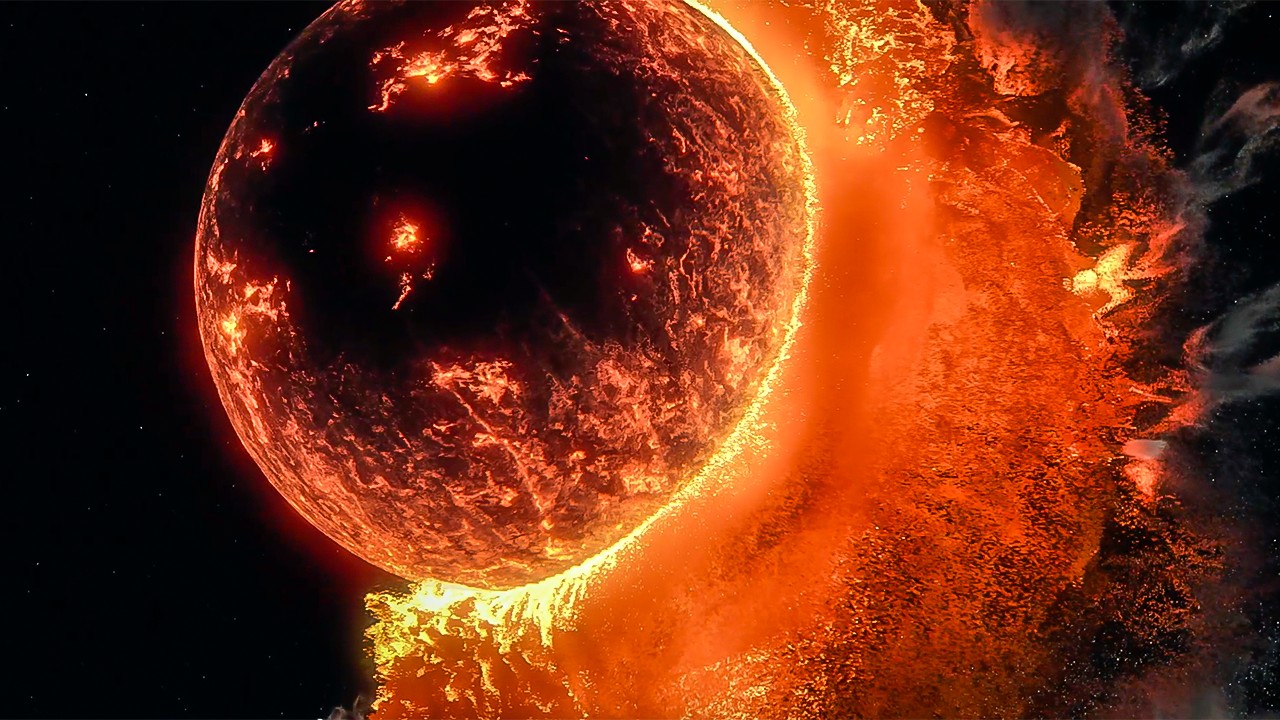
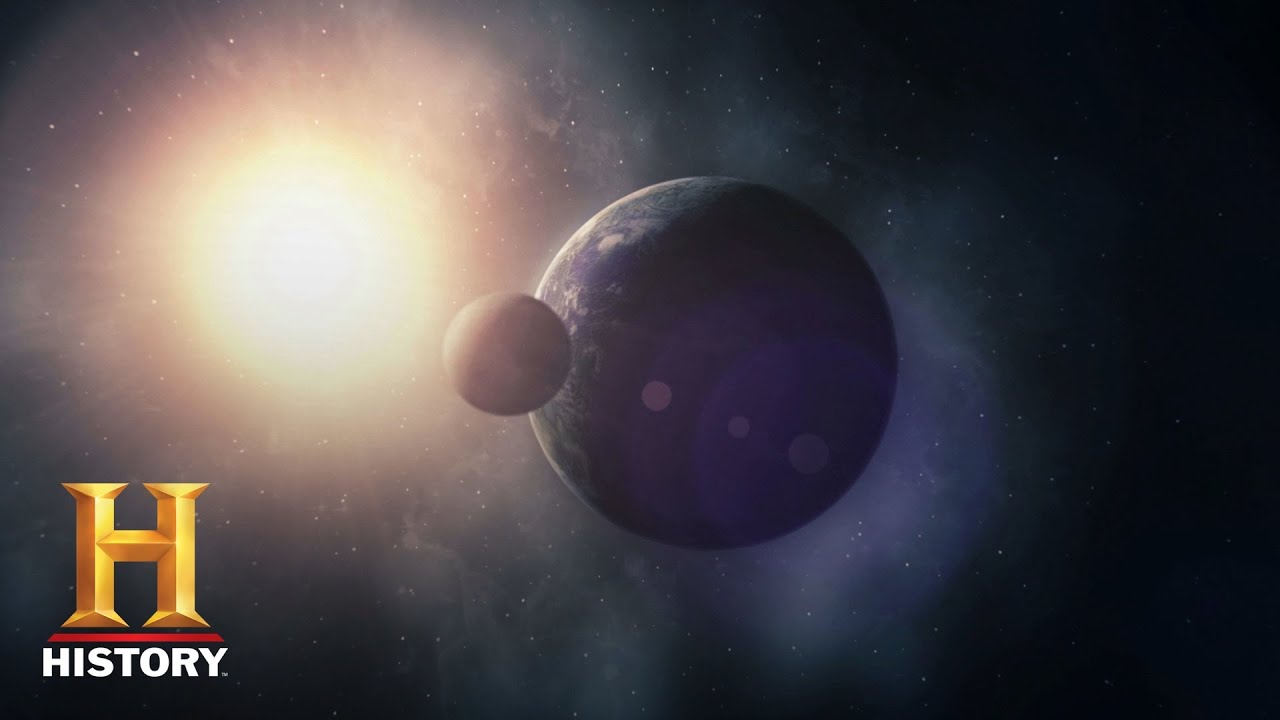
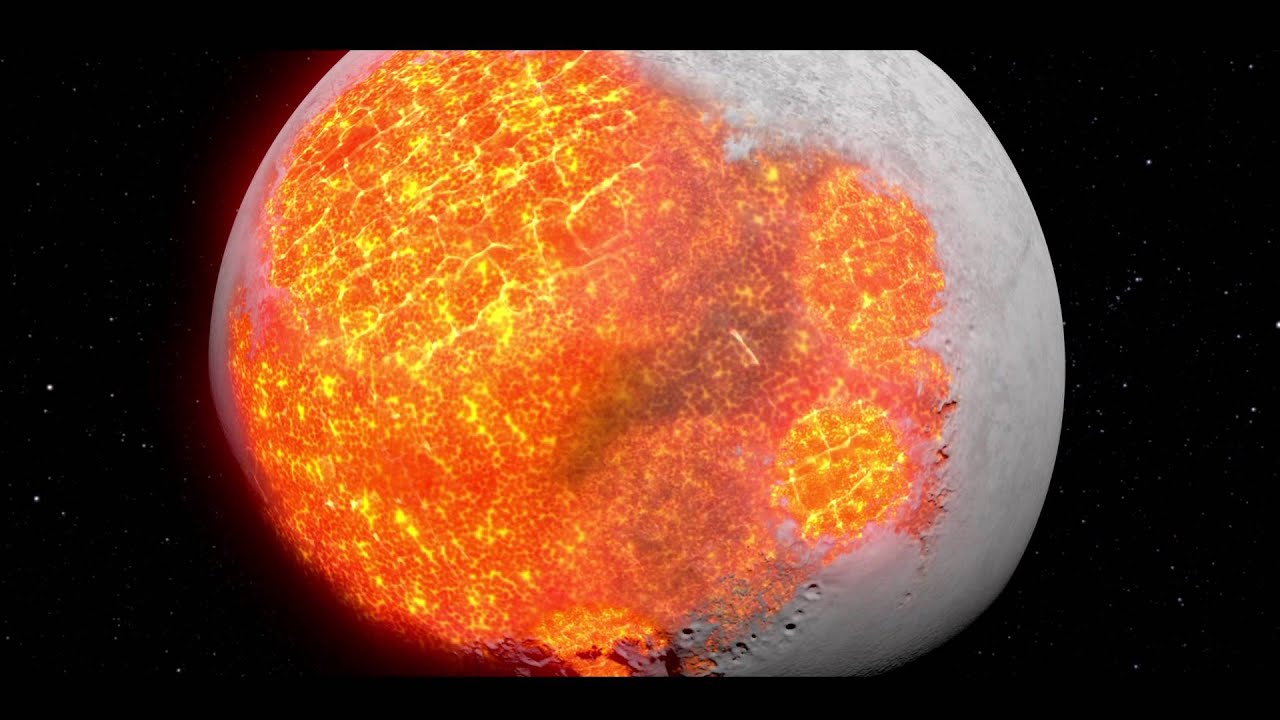
only hypothesis to stand the test of time providing the best explanation for current data is the giant impact hypothesis this hypothesis was first presented by Hartman and Dave in 1975 it suggested that a mass sized body named Theia impacted the early Earth generating a large plume of material which surrounded the earth as a disc and later coalesced into the moon we observe today this theory can account for the core constraints as well as specific characteristics about the earth moon system which were unexplained by pre space exploration theories however like before flaws can still be found
it was Ringwood the founder of the earlier disproved binary formation model who exposed the flaws in the giant impact hypothesis and attempted to reimagine the theory he stated in his 1989 paper collisions by much smaller high velocity bodies at a very late stage of accretion were probably responsible for ejecting material from the Earth's mantle this material later coalesced into the moon this formed the basis of a modified giant impact hypothesis called the multiple impact hypothesis this states that a sequence of bodies between the sizes of Moon and Mars impacted the early Earth generating debris disks
that coalesced into moonlets these moonlets migrated away from the early Earth until they're settled into an orbit successive impacts into the Earth's surface at several million year intervals created more moonlets that migrated into similar orbits as the orbit paths got busier collisions occurred causing the moonlets to coalesce into larger moonless over time enough collisions are thought to have occurred to generate the moon we observed today this hypothesis has gained recent support in the scientific community because it solves many issues that arose after the single giant impact hypothesis and it presents a more reliable mechanism for
the formation of the moon however we must not be naive enough to believe that just because this theory is current the least problematic that it will remain this way after future findings this highlights an important cycle within science the question is asked hypotheses are designed and then they are disproved by new findings creating the need once more for a new hypothesis this topic is a clear representation of how many times this cycle is repeated within the scientific community and how truly unsure we are about the events in our history get more from the Open University
check out the links on screen now