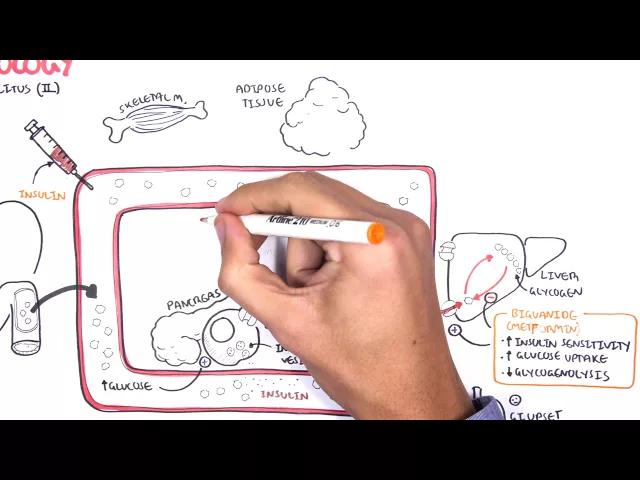
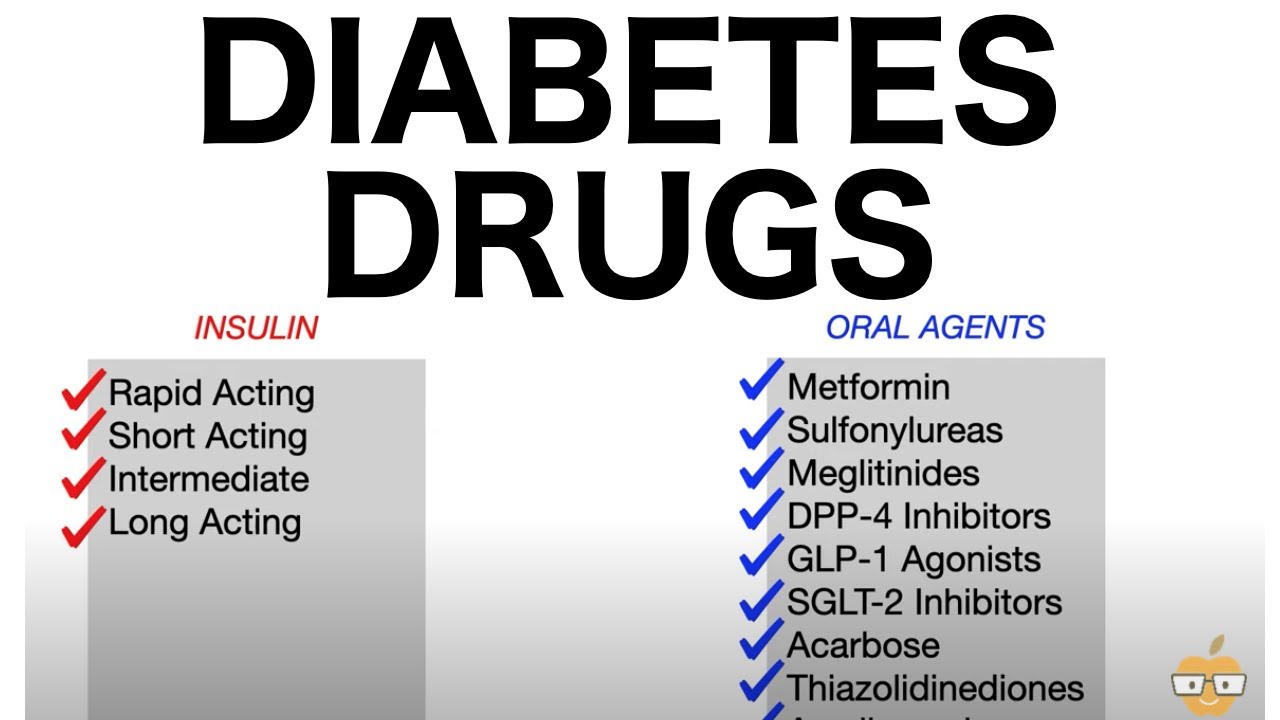
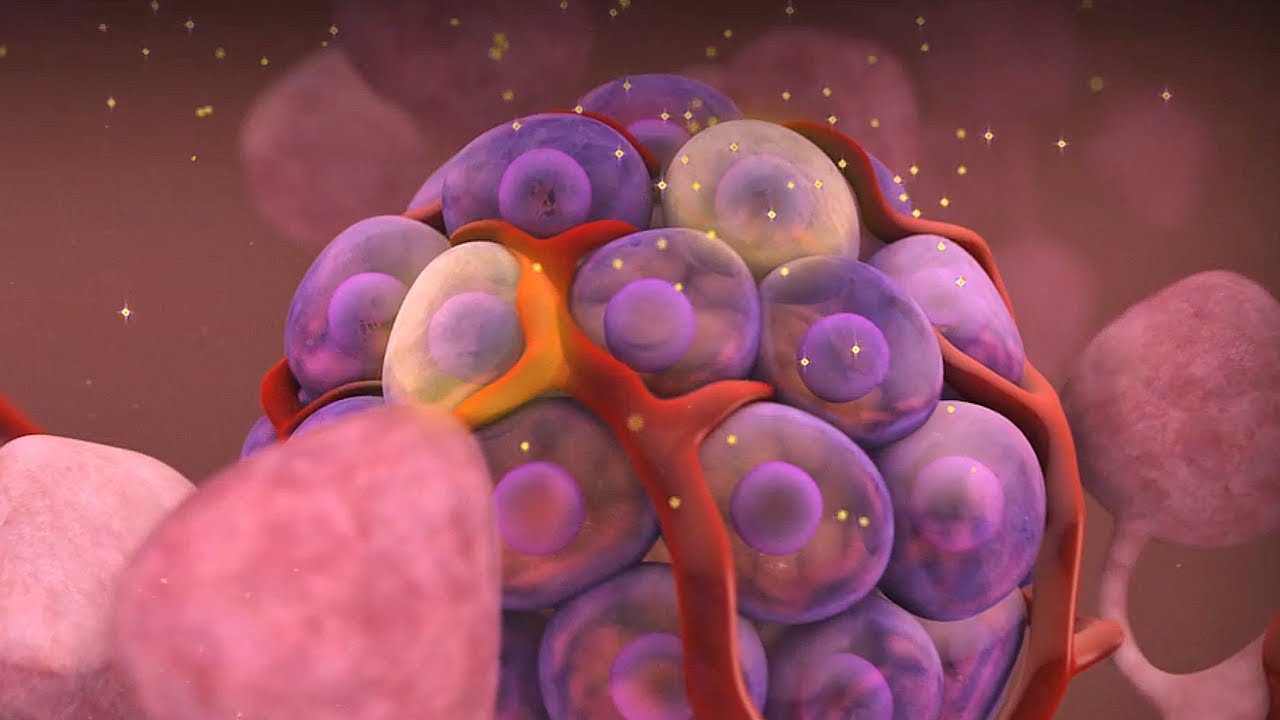
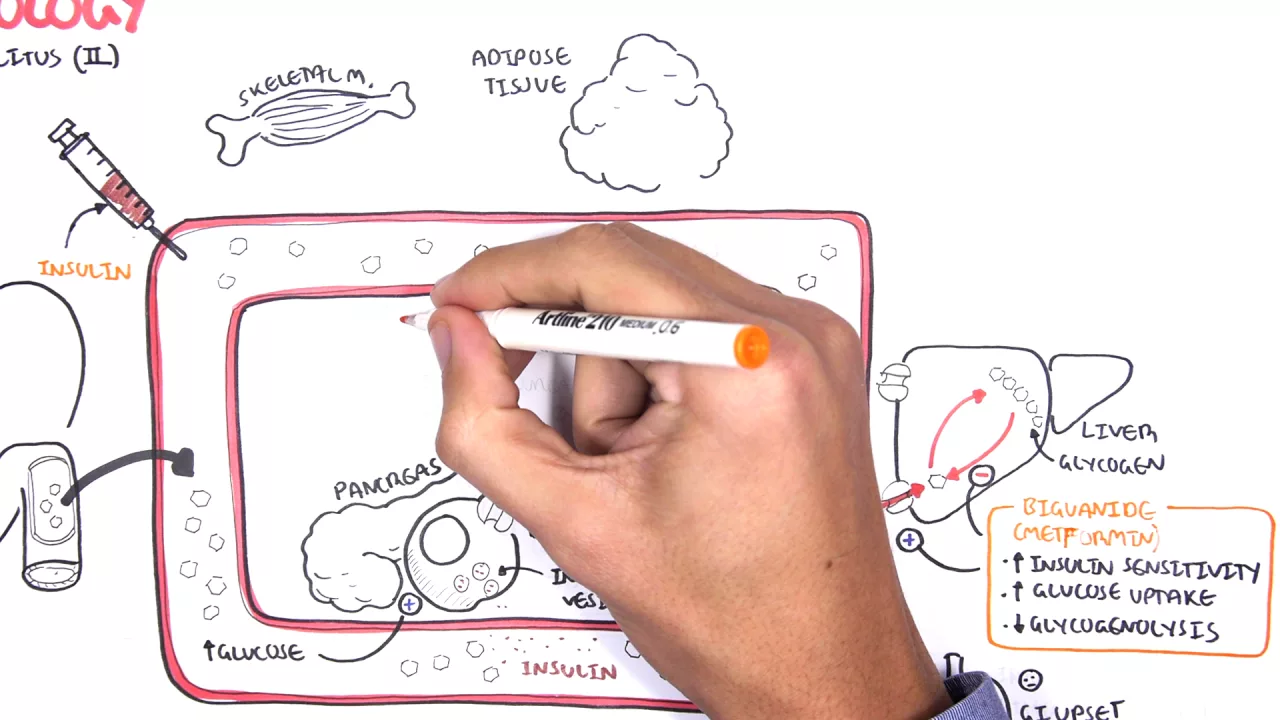
hello in this video we're going to talk about the medications used in Diabetes Type 2 this is a pharmacology um video and it's an overview so before we start I'm just going to draw a general diagram a mind map so we can get our heads around the different drugs used in diabetes type 2 so here is the stomach here is the bloodstream and here we have have the pancreas now the pancreas has is made up of different types of cells um one of which are these cells known as B cells and these B cells are
the ones that produce the hormone insulin all right we'll get back to this and here is the liver adapost tissue which store fat and here's the skeletal muscles which actually use glucose as a source of energy so let's look at what normally happens so after we eat a meal there is an increase in blood glucose the glucose get absorbed in the blood now with the increase in blood glucose this will actually stimulate the be cells in the pancreas to release the hormone insulin so the insulin vesicles from the B cells um are being released into
the bloodstream insulin enters the bloodstream where it causes its physiological functions which includes going to the liver stimulating glucose uptake in the liver as well as stimulating glucose uptake in skeletal muscle so I hope that made sense insulin essentially functions by trying to lower blood glucose by making glucose uh get taken up by these different tissues diabetes militis is characterized by insulin resistance so the effects of insulin on body tissues doesn't work properly so the insulin cannot stimulate glucose uptake to tissues from the blood and as a result you have a sort of persistent high
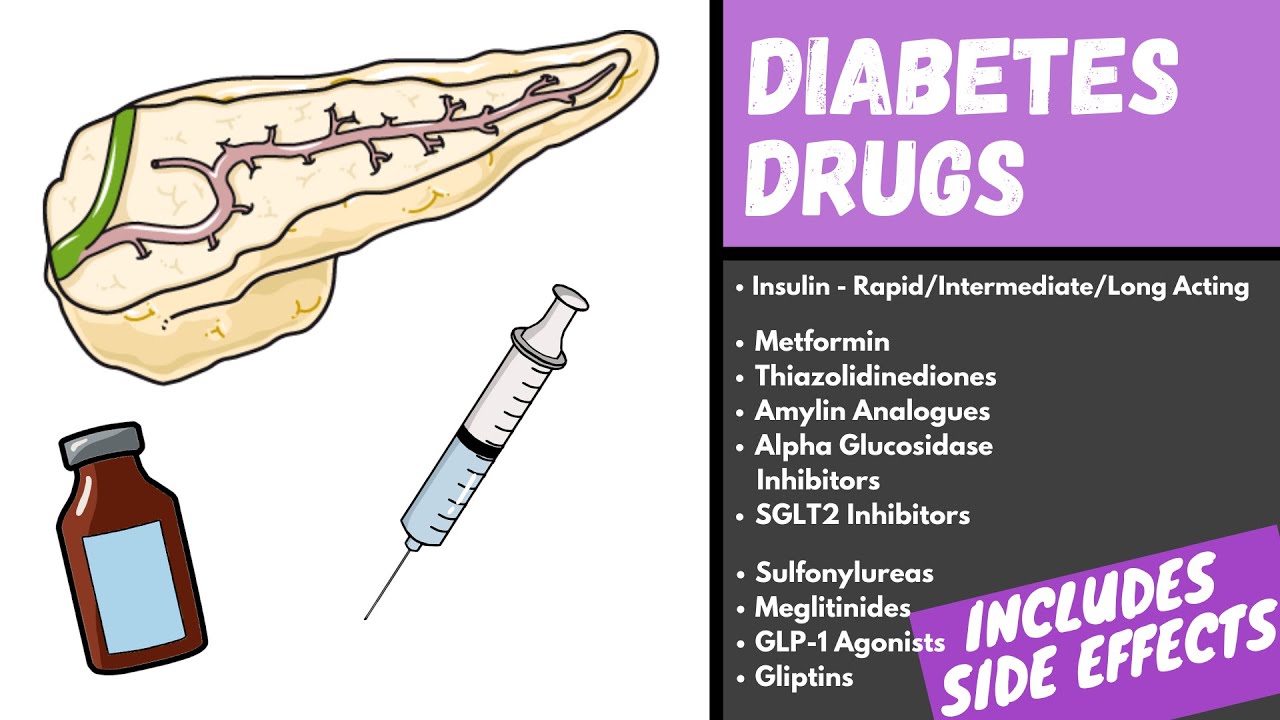
blood glucose increase in blood glucose with insulin resistance will eventually lead to B cell atrophy B cell failure which makes the whole problem a lot worse and because of this it is important to treat uh patients with diabetes obviously initially with um non-pharmaceutical intervention such as diet and exercise but medications are useful for patients with diabetes and include insulin subcutaneous injections but these are typically seen for patients with type 1 diabetes but can also be seen in some patients with serious type two when there is B cell atrophy and death now the actual pharmacological Med
medication that we'll firstly talk about is is a banide and a good example is metformin and Metformin is a firstline treatment for patients with Diabetes Type 2 and essentially what they do is that they will cause an increase inre in insulin sensitivity they will increase glucose uptake and tissues as well as decreasing glycogenolysis so here in the liver insulin stimulates glucose moving into the cell and essentially it will also stimulate glucose to store in as glycogen metformin also inhibits the actual breakdown of glycogen to glucose so that the glucose is not released into the blood
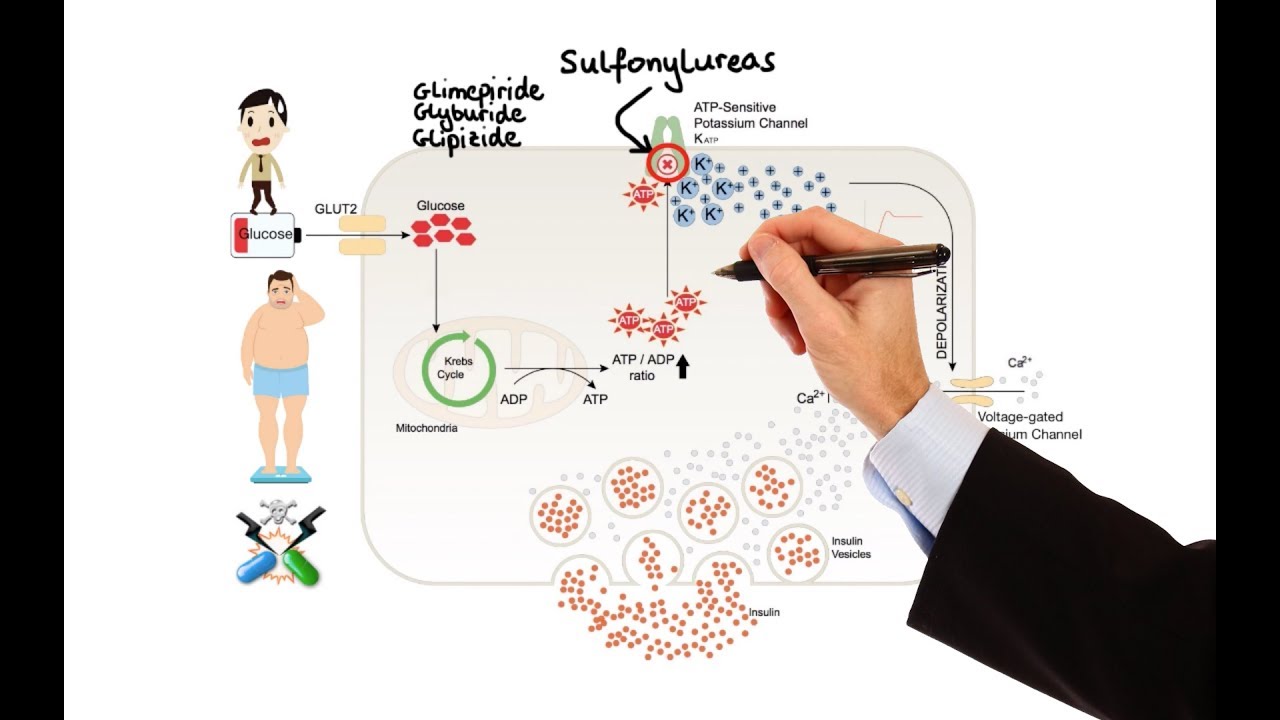
the side effects of metformin include uh mainly gastrointestinal upset anorexia and a very important condition lactic acidosis contr indications are for those who have liver and renal dysfunction so you don't use metformin for these patients or you have to be weary the next pharmacological medications are insulin secretagogues such as suol UA now these guys stimulate essentially B cells in the pancreas to release insulin so insulin secret such as Sanol Uria it will these guys basically Force the B cells to pump out insulin Sanol UA does this by inhibiting the pottassium transporter preventing the eflux of
potassium causing depolarization of the B cells which will then lead to the release of insulin from the vesicles the side effects of um insulin secreted gogs include hypoglycemia and weight gain the next medication are insulin sensitizers um and examples of these include um and I'm going to pronounce this wrong it's theol linion and they work by increasing insulin sensitivity um as well as decreasing in free fatty acid release they inhibit the release of free fatty acids from ose tissue as well they stimulate as mentioned insulin sensitivity which essentially will lead to increasing glucose uptake to
tissues and decrease in glucose release into the bloodstream side effects of insulin sensitizers include anemia congestive heart failure peripheral edema fracture and so therefore insulin sensitizers are contraindicated in patients with congestive heart failure and liver failure the next medications work on the small intestine so let us zoom into this area here where glucose is absorbed into the bloodstream here is the Lumen and here are the epithelial cells of the intestine in the Lumen there are short carbohydrate molecules that are being broken down into the macromolecule glucose glucose is what is being absorbed and enters the
Bloods the enzyme responsible for the final breakdown of carbohydrates especially disaccharides in the small intestines are these enzymes um brush B enzymes called glucosidase and these are present on the appical surface of the small intestinal cells and so there is a drug called alpha glucose citas Inhibitors um such as a carbos and these guys literally inhibit this enzyme causing a decrease in glucose absorption and uh thus decreasing blood glucose side effects of glucosidase Inhibitors include flatulence cramps and diarrhea this medication is contraindicated um for patients who have um inflammatory bow disease the final medication for
diabetes myelitis type 2 are ones that work like a hormone produced by the intestinal cells called glp1 now glp1 actually normally stimulates B cells in the pancreas to release insulin and so um these groups of medications are actually gp1 analoges and glp1 analoges bind to glp1 receptors causing an increase in insulin release uh thus they essentially mimic the effects of glp1 side effects of these medications include headaches muscle weakness and contradiction include type 1 diabetes militis and diabetic keto acidosis