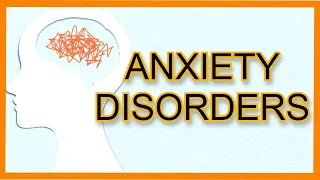
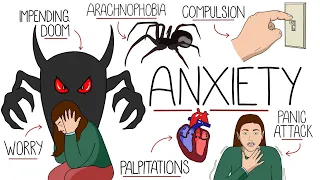
hi i'm dr ali funk from the american institute for cognitive therapy and today i'd like to talk about something that very many people struggle with anxiety first let's unpack some facts about the concept of anxiety and then let's talk about some of the ways we can cope with it i want to start off by acknowledging that anxiety is a natural human experience and is completely appropriate under certain circumstances we will all have times in our lives where we feel worried or nervous or afraid and these emotions are particularly likely to be elicited in situations involving
uncertainty or where we feel a lack of control and there are many things going on in the world and in our individual lives that are uncertain and not in our control but anxiety becomes problematic when it's pervasive enough that it begins to have an impact on our mental well-being and on our ability to live our lives well a person experiencing clinical levels of anxiety or what we refer to as generalized anxiety disorder will find themselves worrying about a multiple things be in an excessive amount and c on most if not all days they'll also experience
symptoms such as having difficulty concentrating irritability fatigue muscle tension and poor sleep these symptoms vary from person to person but they make it hard to function optimally in relationships at school or work and in day-to-day activities now the good news is there are many strategies to cope with anxiety targeting both the cognitive and physical aspects if you've been struggling with anxiety for a long time you might not even realize some of the ways that your brain automatically processes information in a way that perpetuates anxiety or maybe you can pinpoint some of the ways that you
worry too much but you don't feel capable of doing things differently for this reason a prudent first step for treating anxiety is often connecting with a therapist a clinician who practices a modality like cognitive behavioral therapy or cbt can teach you to identify your specific anxious thought patterns to understand them and to interact with them differently and this can be huge for changing the impact that anxiety has on your life you can also target anxiety through your own daily habits there's significant empirical evidence that lifestyle factors so such as our sleep cycles exercise and what
we eat and drink can affect our anxiety levels this might sound overly simplistic but you can think of it as learning to work with your body chemistry to reduce the potential for anxiety to crop up your therapist can help you figure out which of your current habits might be helping or hurting your anxiety and help you implement a plan for sustainable changes now another group of strategies for anxiety management involves mind body practices so things like meditation mindfulness exercises yoga and breath work a very simple technique that you can try right now is pace breathing
you know how when you're stressed people tell you to take a deep breath well it's actually slow measured breathing that does the trick again it seems simple but pace breathing has a scientific basis it works by communicating with a part of your body called your parasympathetic nervous system which is in play when your body is relaxed or at rest therefore by using paste breathing we send a message to the body and brain that we're safe which counters the biological processes associated with anxiety there are different ways to do pace breathing but right now let's practice
breathing in for four counts and out for six counts i'll count you for three rounds in two three four out two three four five six in two three four out two three four five six in two three four out two three four five six now that you've got the hang of it you can practice this on your own at a pace that feels good to you you just want your exhale to be longer than your inhale that's the important piece so now you have a general idea of what anxiety is and some of the many
ways that it can be treated in order to live a healthier happier life remember if you're struggling with anxiety you don't have to do it alone reach out for help if you need it and be well you