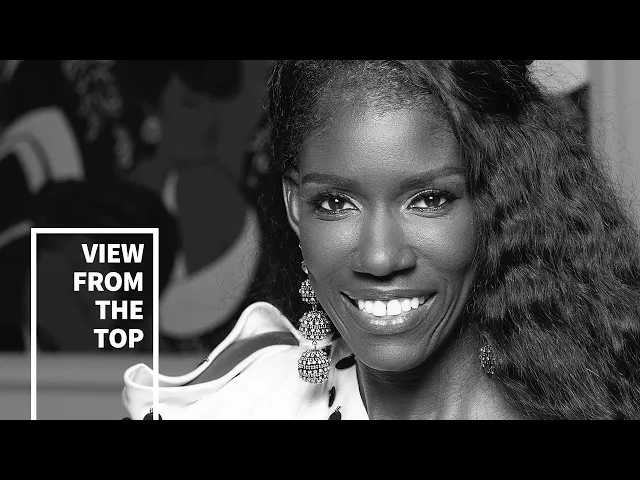
[Music] hi everyone i'm rex woodbury one of the view from the top student leaders on behalf of the leadership team thank you for joining us for our first event of the spring quarter we've been excited to bring an outstanding and highly diverse slate of speakers to stanford this year to inspire all of us as future leaders and we have one more quarter of outstanding speakers to come and now it's my pleasure to introduce and welcome professor jennifer ocker to introduce our first speaker of the term today on behalf of dean levin i'm delighted to welcome
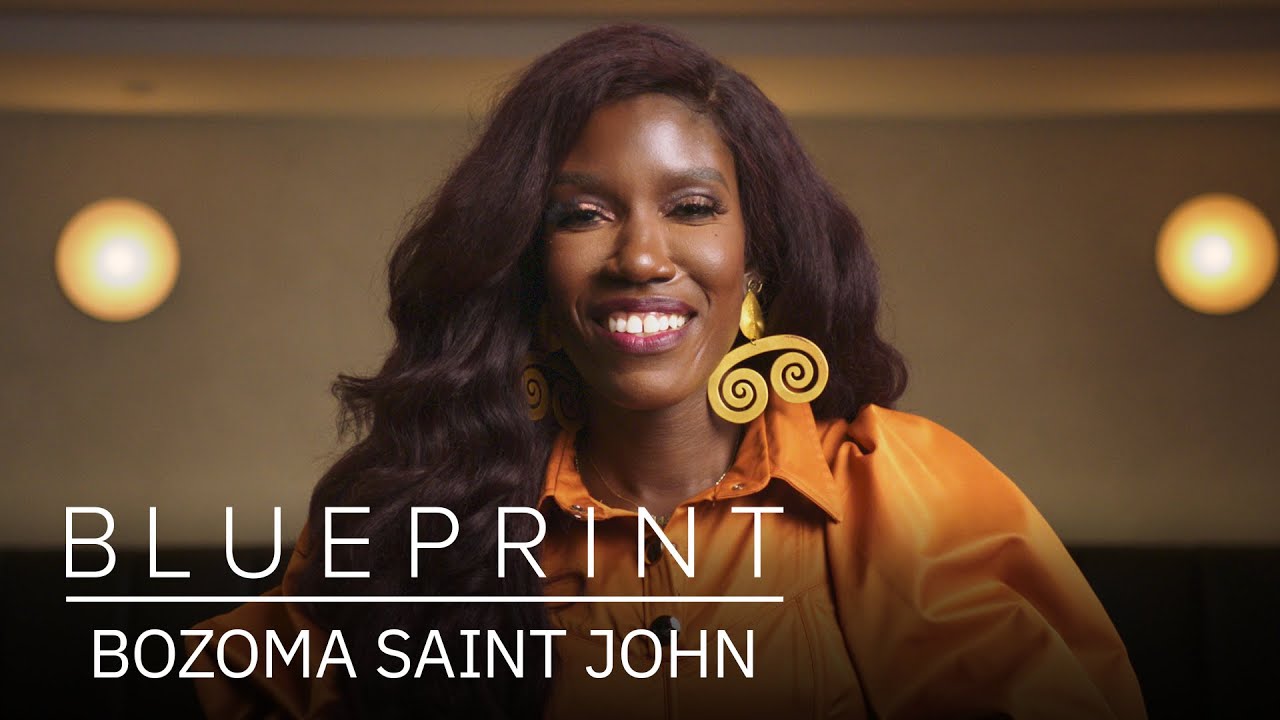
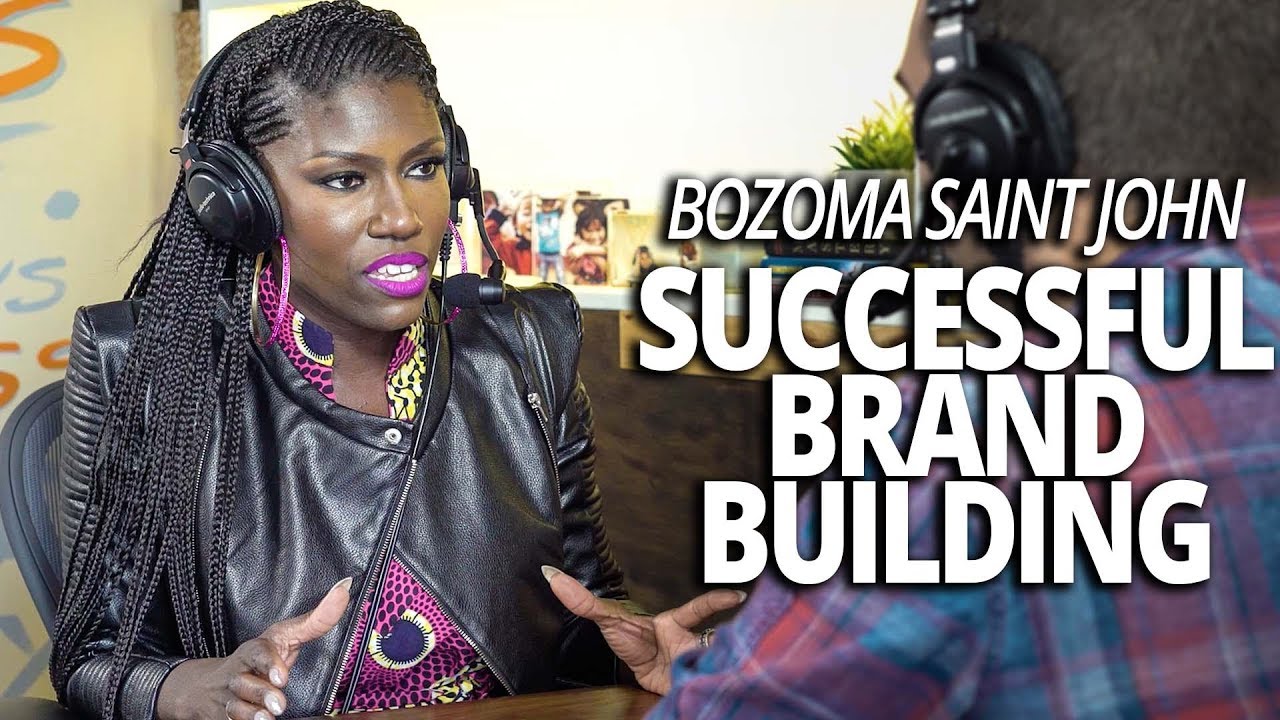
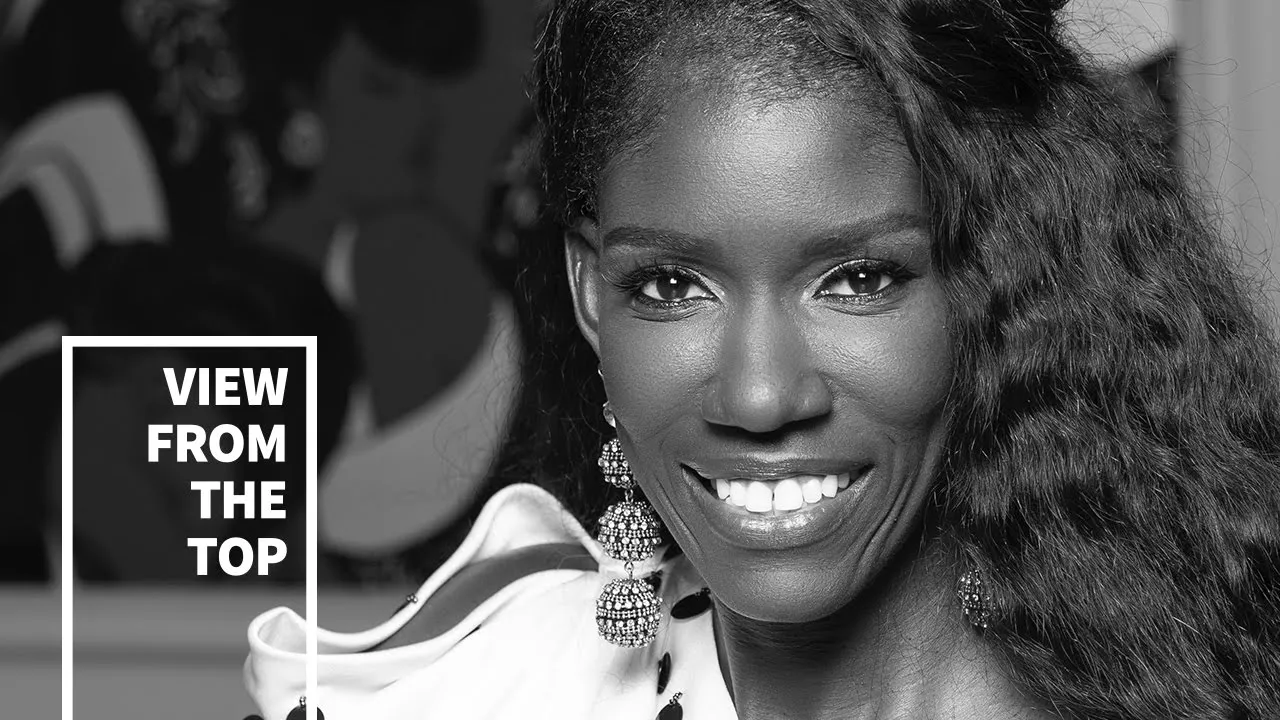
bose st john cmo of netflix bose started her career at spike lee's advertising agency and since then has crafted an unparalleled career in the intersection of marketing purpose and culture with senior roles at pepsi apple uber endeavor and now netflix she's been a champion of diversity in business including launching the recent share the mic now campaign to amplify the voices of black women now more personally i have many common friends with both so i've been doing a little research here are a few quotes of what people say about her she is a total force she
brings people together she gets people fired up about the future having her in any meeting means that positive energy will be at least two times what it would have been without her now part of her bringing up this vibe is her humor she's generous with her laughter she's incredibly self-deprecating but she also doesn't so she um just as much can inspire and make people feel excited about the future but she will also tell you like it is on a personal note i have followed you personally not in a stalker way but just in a fan
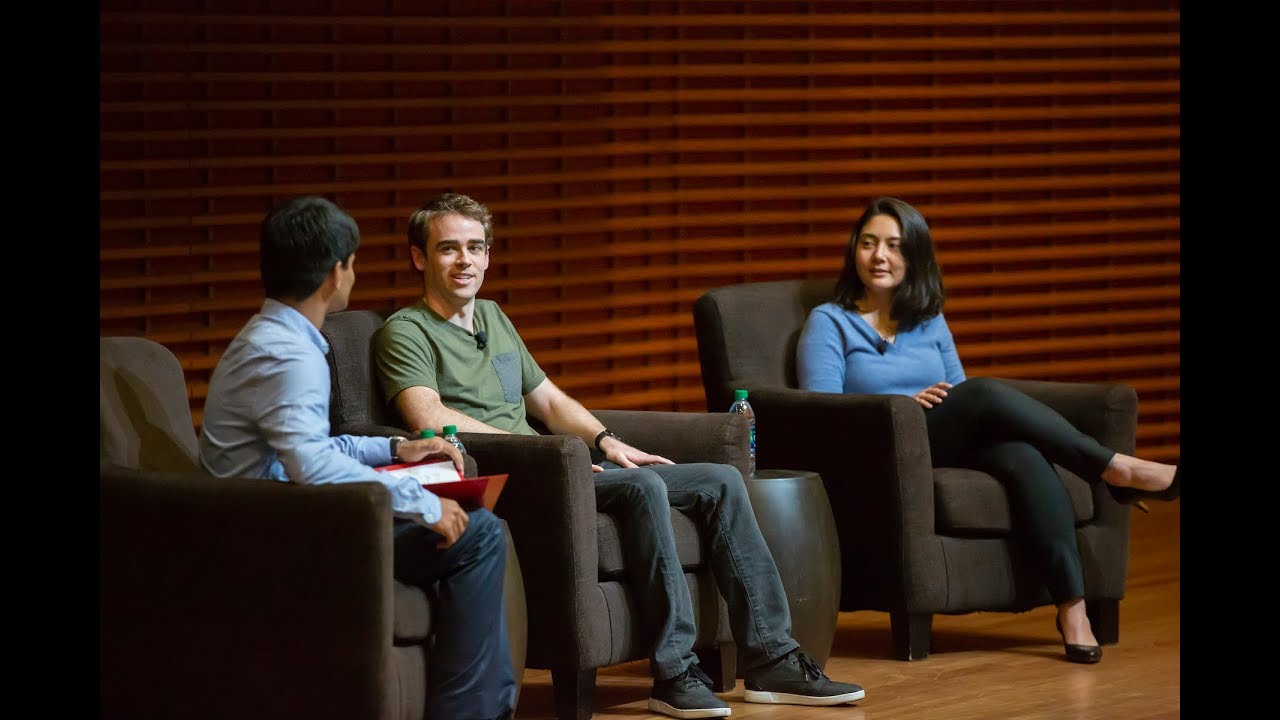
way on social media and the way that you raise kids the way that you parent the way that you show up in the world is absolutely inspirational uh watching her will make you wonder how she gets everything done in the same 24 hours we all have so we are so looking forward to hearing more about her achievements as a leader and as a human in today's conversation with jessica lawson thank you again for joining us and it's wonderful to have you thank you jennifer what an amazing intro wow bozeman thank you so much for being
here i'm so excited to be speaking with you today oh thank you jessica and um i really appreciate that intro jennifer that was uh that was actually quite motivating i was like oh yes brush my own shoulders off okay yep i'm out here i love that i totally echo that sentiment i mean it's so exciting to have someone who's had such a consistently cool cv and who's coined so many viral hashtags grace the view from the top stage so i'm just so excited to talk to you today and you know social media takeovers are just
the tip of the iceberg in terms of what you do you are a marketing and branding powerhouse and as a former marketer myself i am so excited to learn from you today so let's i'm i'm i'm really just trying to do you know some some good work some fun work every single day you know it's like that is uh my mission which is that uh i really love people you know i love culture i'm not ashamed of that and i think that there are so many ways in which we can learn from each other but
also do it and have a good time you know it's like what's the point of this life if we're not enjoying it and i think that's actually the beauty of marketing is that we're able to bring out the joy in so much of what we interact with every day and i just try to find those moments and connect them together i think that's really beautiful when you speak about what you do as a marketer so confidently and i want to start with your sense of self because you are so confident i know you've been told
that countless times um and you started to figure that out at a really early age because you were born in connecticut but your family moved to ghana and then had to leave ghana because of a coup and eventually you landed in colorado springs around the age of 12 where you kind of stood out right you were tall and black you were the only ghanian family up in the area at the time and you said of that experience i i love this you said you couldn't be anything else so you had to become everything that you
were what did that mean at that time and what does that mean for you today and now well i mean it really literally you know that um i really couldn't be anything else i think there's a difference between um you know when you are just slightly othered than when you are fully othered you know when there is there's no mistaking that one of these things is not like the other you know it's like there there's no mistaking that it's not like i was a white girl who was a brunette and i wanted to be blonde
to fit in with all the other girls so guess what just went in bought some hair dye and then tried blonde by the way i did try blonde at one point it was a disaster you know but everything everything was so different you know there was there was no way to try and become what everyone else was and that was not just you know physical it was not just the outward you know appearance it was it was everything it was the way i thought about the world as a global citizen you know by the time
i was 12 i'd lived in four countries already i i had already had classmates who spoke so many different languages who had different religions um i understood the intricacies and the differences and how people saw the world at 12 and my classmates didn't have that they didn't they didn't have the privilege of that i actually do think of it as a privilege you know they had been in one place uh growing up with the same kids uh celebrated the same holidays and so for me there was a difference in philosophy and approach you know i
had the kind of dad when you know kids would come over to you know have dinner on a friday night you know just like have some pizza he'd be sitting there asking if they understood the politics in uh in portugal and you're like dad we just can we just talk about the broncos and he was like bronco who for what you know what i mean like that that's the kind of upbringing i had and so that i had no choice there was no choice in trying to just simply fit in and so therefore yes i
i took everything that i already had and just became more of that because there was no choice and did you feel that you were successful in doing that as a child did you feel like you ultimately found your footing or was your childhood kind of this constant back and forth oh i was a little weirdo i mean i'm completely strange and i mean i can better articulate it these days these days and celebrate it um but yeah i was i was a strange kid you know i i i do distinctly and listen i'm gonna say
this and it's gonna sound like a lot of arrogance but it is what it is okay so you just have to deal with it which is that i do recall looking in the mirror and being like but i'm so dope though like i don't understand why these other i don't understand why they don't understand why i'm so dope like why why do they get it you know because i did feel that sense of pride you know i think sally struthers and everybody else at the time who talked such about africa uh they they owe me
one you know because i would go to school and kids would talk about you know the the picture of the kid on their fridge you know the one they were sending a scent to or two cents to every month and i would roll my eyes because while that is partly the truth right you can't pretend as if there's not poverty in africa or anywhere else in the world um but their entire experience of what africa was was on their fridge you know with the kid with flies on their eyes and a distended belly whereas i
understood the culture you know the fashion the music the food the uh gosh the language the beauty of a continent um that had been stolen from not just from its people but its entire reputation you know and so walking into those situations and asking or being asked naive questions uh meant that very early on i i learned to fight with my tongue you know i learned what it meant to stand up for for myself you know and and learned how to stand up for a whole host of people who who didn't ask me to you
know and so now these days when i'm in rooms and i'm one of one or one of few uh i'm also often asked if it makes me you know feel resentful um to have to represent a whole bunch of people you know it's like if you're the black person in the room it's like oh let's see what does the black person think about everything black right you know what no i don't resent it i've been doing it a long time you know i've i've been having to bring the presence uh that deserves respect and deserves
its value into rooms for a long time so i'm used to it and i can figure out in a room how to change the mood uh so that you understand the respect that the subject deserves right wow that's that's really powerful and you know as you said a lot of your professional career has been about helping others also feel seen and you learned a lot about those skills through your childhood and one example of that was during your time at uber where you were chief brand officer and led a project on how to help drivers
uh appear human or feel human meaning the common experience in a ride share is that you get in the car you say hello and then you pull out your phone and entirely forget there's another human being in the front seat with the whole life and narrative and backstory so uber you were kind of tasked with changing that experience i'm curious as a marketer how you go about addressing a problem like that how do you shine a spotlight on something and get people to care and be more empathetic about others yeah well you know it's interesting
because um that was not the beginning of the of the issue right i found it because of the larger issue which was just around safety you know when you think about safety in an uber or any kind of ride share the thought at the time was and the reports of course so many reports was that it wasn't safe right it wasn't safe for women um to be in a ride share late at night you know it's like there were there were um a lot of stories being written about you know the the rides that would
end up in terrible situations and again not to not to pretend as if those stories weren't true or that they didn't happen but the overwhelming majority of the time you know the ride was safe being being given and performed by someone who has something even greater to live for also you know and so given that understanding about safety um the thought then and my insight was that perhaps we just needed to humanize the other person you know who's in the car because you're not going to get in and automatically think well you know am i
going to be all right like am i going to get to where i'm going to if you understood that the person who's driving you is trying to make some extra money to pay for college or trying to make some extra money to to pay for their kids school or for meals at home or trying to uh gather enough money to start a new business or trying to buy a house or move out of the neighborhood they're in like we all have reasons why we do the work that we do you know and so if you
could see that humanity perhaps you'd have a different perspective on not just the driver as a human being but your experience within this 20-minute ride that you have and so that became the mission and i counted on on some old friends to help me do that including spike lee who is a former boss and now a good friend and i've known him for 20 years and so i called him and i was like please please please please please do me this favor like please i know you're directing movies but could you do like just some
five you know short films for me at uber uh yeah i i i'm still paying him back for that well i think that's really interesting because as you said at the time uber itself was dealing with allegations and internally it was dealing with its own treatment of humans and its organization and culture i mean travis the ceo resigned a week after you started so you got there and you were looking at these projects and you saw an internal environment that you also wanted to change for black people for people of color for women in particular
but you said that you realize people couldn't really get out of their own way can you tell us more about that experience and what happened there yeah i mean you know what here's the thing is that you know oftentimes like you'll take a new job for a myriad of reasons you know um for me i took the job one because i believed travis it really did you know i thought he was sincere in his need or his desire to change the culture at uber you know it becomes such a success in such a quick amount
of time um that it wasn't hard for me to understand how that happened you know it's like i could i could see how the things went wrong you know and i believe that he really had a desire to change it unfortunately he didn't have the time to do it and uh that was a that was a pretty bad week when i when i came and i was like i'm sorry what now my boss is gone what okay now what am i supposed to do you know um and and also you know at the time very
much as now you know my feeling was that there was a moment in which uber was like the golden child of everything tech you know everybody looked at that company and said wow now there's there's a startup that becomes the thing that we are all trying to achieve and it felt like overnight then it became like the bane of existence you know it was just the worst thing ever delete uber was everywhere and it's like people didn't even want to mention the name they would call their uber and have them stop like two blocks down
so they could so nobody knew that they were getting an uber you know it became like this pariah um but what was most fascinating to me was the fact that it was being sort of beaten down about its treating of women and people of color especially inside and at the executive ranks and i sat at my desk and i was like i'm sorry like have we forgotten that every company in corporate america is exactly like this like how all of a sudden we just started beating up uber and so i felt that like well listen
if if uber is going to be the poster child for having to fix all of the ills you know around representation and its treatment of of women and uh people of color inside of the company uh then yeah i'm gonna sign up for that because if uber can change then so can everybody else there's no excuse for anybody else to continue behaving the way they're behaving now unfortunately you know we have a lot of businesses that uh say that they want to do something but they don't don't actually enact any real change inside you know
and uber was in a place in which it needed to rectify its business you know as i said the lead uber was a catastrophe you know and so anucio was brought in and of course he needed to fix the business and i felt that the things that we needed to do to better enable you know the connection to consumers um may not have been at the forefront you know and again quite honestly as we already know i think i'm the best marketer around and i want to be in a place that uh really valued my
work and so i decided that perhaps that was not the right place for me at that time and i recall in that decision to leave in another interview you said you don't need to be the savior you can save yourself too yeah can you tell us about the decision to save yourself because i know you know as someone who's a member of underrepresented groups i often struggle with the balance of you know wanting to be the man in the arena and fighting the good fight and also preserving my sanity and mental health and well-being so
can you tell us about saving yourself there yeah the operative word is yourself you know this is not about anybody else's experience like for instance i'm not the one who's going to say never go work at uber you should you know perhaps you'll have a different experience than i did i i don't think it's a bad place to be it just wasn't the right place for me and i think that's the point that we have to realize which is that all of us have different bandwidths you know at the time it wasn't right for me
it meant that like what i wanted to do in marketing what i wanted to create wasn't going to happen there and i just needed to realize that you know i think some of us like you said sometimes hang in you know waiting we're like oh well six months from now it's gonna be better you know all of a sudden i'm gonna be valued uh said who you know it's like you just need to see the flags you know and recognize them for what they are and it is painful it's not easy you know i won't
pretend like it is you know who who doesn't want to feel valued especially when you think you're the best at what you do right you know it's like you take an ego hit you know and i certainly did um but i certainly wasn't willing to sacrifice any more time you know i think perhaps that's that's the the lesson that i've learned um you know in the in the past few years you know after quite a a significant personal tragedy i just realized i didn't want to waste any more time you know and so for me
um six months seems like a lifetime and i don't want to waste any of it i think that's beautiful and obviously leaving uber was the right decision for yourself and you ended up going to endeavor where you were cmo of the pop culture machines that are wme and img and miss universe etc um and from one career move to the next it seems like you can't miss and that's undoubtedly due to your talent and reputation but i also have to think you're a pretty good negotiator that's something that's something that i struggle with and i
think many women struggle with as well what negotiating advice do you have for someone like myself who's entering the job market in the next few weeks and really wants to you know up the ante significantly with this next move oh i know that's the that's like the magic question you know the money money money um well i'll tell you a couple of things which is you know again it's it's not the same for everyone right and that's probably the biggest lesson to be learned in that um which is i realize that it's easy to compare
ourselves to other people and say well i should make that because that person does and maybe that's not so true you know it's like i'm i'm always more interested at your personal top of market than what is the top of market anywhere you know and that also requires a lot of self-reflection and self-awareness you know it's like what are you actually worth you know what is your value in this space um what are the things that are unique to you and what are the things that you need to learn you know i think there's a
mistake we make when we think that we have all the tools ready for whatever job or whatever space uh and attribute those things to what then we should how we should be compensated you know i think there's a real um lack of sometimes clarity in what we are actually bringing and it happens on both ways right where it's like you think you're not worth enough and where do you think you're worth too much and both of those things can get in your way and so for me it's really about understanding what i'm going to bring
to the job you know um yes of course you have to understand the uh you know what the what the field is and what is being offered you know across so you have a good understanding of the sort of the boundaries right or the pool and what you're entering but really understanding what your own worth is and being honest about that will help you to be a much better negotiator because what will happen is that first of all you'll you'll have your number you'll have your the place where you want to be right and if
anyone tries to offer you less you know that that's not what you want yeah and for me it's like you know there's a difference between getting into a job with a certain salary or negotiating a certain comp um and then feeling as if they they got the deal right that's terrible that's a terrible place to be you know and so as long as you are getting what you think you deserve don't worry about what anybody else is doing that's that's it i will certainly keep that in mind during these conversations so knowing your worth can
lead to a lot of success um and now your your next swag is global cmo of netflix and that's super exciting i want to talk about the global part of your title for a second because netflix operates in over 190 countries which is a massive operation um and as a former marketer i know it can be daunting for brands to kind of market across cultures because you have to find this balance between reaching the masses and making sure individuals and specific communities feel authentically heard and spoken to and the reaction there sometimes from a lot
of companies can be just to hold back from leading or even participating in certain conversations as a cmo how do you push more risk-averse organizations to speak up and advocate hmm it's a very um layered question there's a line in there yeah yeah that's a that's a question um well maybe i'll address the global component first right which is that um you know i'm i'm very sensitive obviously to the globe because as i you know start out talking about um you know i i find myself to be a global citizen you know and i i
think that there's a lot of worthiness in other places on the planet outside of the west you know that um the world does not its access is not set in the u.s or in europe you know that there are lots of other places where there are important conversations important cultures uh and that not everyone speaks the same language literally and figuratively right um and so i'm very sensitive to that but it also means that i understand the matrix you know because there are ways in which we need to speak to people or engage them that
are borderless you know i i really um even today it's like uh well actually no i'll give you an example from was it last week or maybe the week before um we announced the a film called zero uh which is about the black italian experience um and i'm so excited about it because it's like one of the best performing tweets uh that we posted on strong black lead now you could look at strong black lead and say well that's you know about the american black experience but it's not this is about the black experience wherever
you are right and i think that just goes to prove the fact that there's a unifying experience around the globe on being black and sometimes even when you're not uh familiar with that black experience you still want to cheer it on you still want to know about it and so that community that loves everything black is absolutely going to now watch that film right um i see the same thing for for in other spaces you know where we talk about stranger things you know it's around a title and yes there's a certain demographic of people
who love it but guess what they cross all kinds of borders and they cross all kind of demos and so you've got to speak to that entire audience and then if you have a you know content that is in finland it probably needs to be in finnish you know at some capacity right because there are a lot of english speakers there but can we figure out a way to make sure that some of the content that is coming out of finland is actually finished you know and and we'll speak to that audience in particular i
don't think it's a lot of hard work i just think it's a lot of a lot of intention which is that we've got to make sure that you not only have the right people who are going to be able to understand culture understand people but who have a healthy curiosity for it you know healthy curiosity because that is what we all do you know take your own experience right with your own group of friends it's like you would be the friend if you're sitting here always concentrating on yourself right you know you walk into a
situation and you know that it was your girlfriend's birthday three weeks ago okay you wish happy birthday then but you walk in let's just pretend it's covert time you got your mask on okay um and you're like you know how was the birthday you know we still celebrating or what we doing you know that's something different than when you walk in and you're just talking about the new shoes you have on you know it's it's that kind of intention setting now while that sounds like a very silly example it happens in all of our lives
we know people like that you know the people in your life who are so self-centered and all they want to do is talk about you know that if they call you they're not calling to check up on you it's like a ruse you know i hate those type of phone calls you know the ones that they call you and you know they just call and talk about themselves i'm like why'd you even call me you just called your own damn self yeah you know that's the way i see brands it's like when when we engage
in the world and you're only talking about yourself blah blah blah blah blah blah blah always out that is there's nobody's friend nobody wants to be involved in that but brands who have a healthy dose of curiosity and healthy intention to get to know the people to understand culture to speak to them in their language literally and figuratively as i said uh are the ones who win and that's the way i approach marketing everywhere and at netflix too and i see intention in your approach to your personal brand as well i mean you have an
extraordinarily influential personal brand and one piece of that is your fantastic style and strong physical presence and you know there's real intent there there's not just like surface level things because hair and nails and clothing all these things can be important psychological expressions especially for those who felt othered i'd love for you to tell us a little more about the choices you've made about how you present yourself in the workplace and beyond yes oh my goodness it so pisses me off when people are like oh but that's so superficial for who who's it superficial for
am i do you see that the crown act just got past and not everywhere by the way so i can wear my hair and its natural textures at work and not be afraid of being fired for it like for who who is it superficial for yes for those who've always had it that's who and so yes i do make the choice i'm very intentional in showing up very black very femme all the time because that's who i am and my hope is that in doing so it actually allows other people to show up in the
way they are i'm not saying everybody needs to show up in multicolored leopard print i'm not saying that you know or need to have their nails done or face beat every time but it's like however you feel like showing up i hope you're able to do that because there's so much freedom in it you know when you when you haven't had that kind of freedom it is it is so difficult to be able to actually do the good work i remember the days when i had to prescribe to a certain way of looking you know
i mean sometimes that's still on me you know they're folks who think i shouldn't show up the way i show up now you know they're folks who you know were were in my dms and messages and comments in august when i got you know when i was announcing this job who said oh well don't you think that the global cmo should i'm sorry should do what come again one more time no i don't think so yeah yeah the global cmo of netflix looks like this and twerks when she wants to wears a bathing suit when
she wants to reads a ton of books when she wants to listens to rip dmx when she wants to you know like that for me is the freedom to be able to be as i am so that all of my energy can be put into my brilliance that's what i want that's freedom and so for me it is extraordinarily important that even though sometimes it does take a little bit of energy to actually show up the way i actually am right that in the long run it's so much better you know those days when i
had to be careful about my tone you know because sometimes it would be off-putting to my colleagues or would scare people you know my passion would come off sounding like anger i'm like well maybe your idea was just really stupid and i needed to let you know you know what i'm saying like sometimes that's that's the energy i brought and i was right you know what i'm saying no so for me i'm like you know the the ability to be able to show up exactly as i am is such a privilege and so for those
who are uncomfortable with that privilege well listen i'm sorry but now it's time for for you to step aside because i'm gonna be who i am and that's what i hope we all are just be exactly who we are i love that and you know on the topic of authenticity and bringing your full self and being who you are your next feat is publishing a book which is you know taking that a step further it's a story of photos of your late husband peter who sadly passed away from cancer in 2013. the book is coming
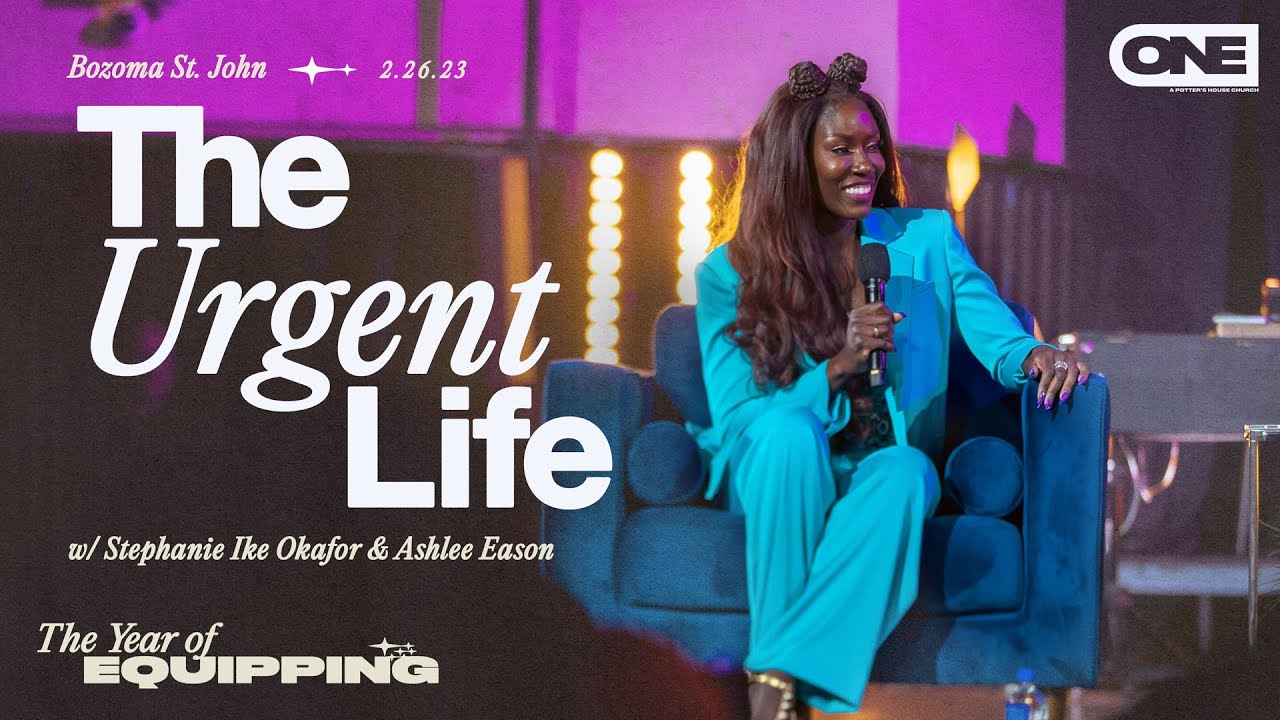
out next year it's called the urgent life a story of love of love grief and survival and in your announcement you said it was the first time you're really facing the challenge of putting everything you're holding onto the page um i want to ask today and please share as much as you feel comfortable was it a scary decision to open up that very vulnerable part of yourself and you know what if anything do you hope to gain by doing that um it's not scary to open up because it's the right time you know um i've
been asked to write a book for a long time you know uh it probably first started when peter was sick and i you know i documented everything on social media the way i do now you know and and sometimes i would write long prose you know about whatever happened that day i often posted photos followed by some you know description of what was happening uh and i remember that um a few months into that somebody you know suggested that i write a book of of the experiences um but as you can imagine i was like
oh no i'm so much more i know i look like i'm writing something but it's really just like journaling to me you know i'm writing down what i'm feeling and you you happen to read it because it's public but that is not my focus right now and even after he passed away and uh you know tried to figure out how to rebuild my life and mother my child and do all of the things um it felt like okay well maybe there's space you know uh to write and there wasn't there hasn't been you know it
never felt right um and i think that is also part of the lesson for us right which is that everything in its own time you know it's like your time is your time not anybody else's time i'm not on anybody's timetable but my own you know and so when i felt that i was ready to write it is when i started accepting the phone calls you know and really start to have a real conversation about it and i also find that when i'm doing things in my own time it seems to flow better you know
because you're not forcing it i just always feel like if anything feels like it's forced it's probably not its time right you know it's it's not the way of nature you know that it's like when when fruit is not ripe it's so much harder to peel the skin back you know it's like we don't need to take our lessons from nature and things all around us when it's not your time it's not your time don't force it you know and so for me this very moment in time is it i'm ready you know to share
about my experiences and the questions that i get most of the time or you know how is it that i've been able to face such grief uh at various points in my life and still thrive you know it's like how do i put one step in front of the other how is it that i'm able to still work how am i able to seem like i have joy in my life and at the very center of it is what i said you know a few minutes ago about urgency you know that's why the book is
titled titled as it is because in peter's death i found the urgency in my own life you know which meant that i knew that life is not about the speed at which you live it so urgency isn't about fast moving it's not about you know can i get this done all today no it's about the depth of your life you know it's about the experiences that you are having that actually matter you know that there's not one wasted moment not one wasted day it's why i think six months matters it's why i'm not waiting until
retirement to do the things that i want to do i'm gonna do them today you know it is why like when you know somebody says oh well you know we'll get to that at some other point no no no no no no we gonna do it right now and it all it also is probably the reason why i've moved around so much in my career i'm just i'm totally impatient with mediocrity i'm looking for the greatest part of my life today you know i'm not going to wait for it tomorrow and it's a high bar
it really is you know it will challenge you you know when you start doing it it will feel like the impossible but i promise you if you keep doing it it will become your standard and then nothing else will ever feel the same you won't accept anything less because your standard would have been so raised that everything else feels like it's such a loss you know and so for me i hope that what people take away from my book is is not that you need to live life fast but you need to live it really
well and very deeply i'm so grateful that you would share those lessons with us i mean i love impatient for mediocrity i think i'm going to tuck that one away but that's a great one to have that's beautiful thank you um i'm going to flip it over to my classmates who are going to ask uh two questions and then we'll we'll come back to rap so first i believe we have lola thank you so much for this talk it was already amazing um so i'm lola i'm a student here at both mba and uh environmental
resource uh students and so my question for you is how do you see the wor uh the role of the entertainment industry in building new social norms hmm yeah okay thank you lola um gosh you know so i'll take it back to sally struthers because i really i'm i'm telling you i'm looking for sally struthers like when i see her walking around sometime in the future i have a lot of questions for her because she was the face right of the campaign um around african children starving and you know needing the cents on the dollar
every day right um that is one of the biggest examples that i can give for how content changes perception right um and i believe very firmly that we can reverse a lot of those you know one of the big insights that um we did it at netflix at the end of last year was just gathered all the you know all the data and insights that we could around uh consuming behavior right and one of my favorite parts was the fact that because of the pandemic people consumed content from other places at a almost 200 percent
increase you know meaning that if you were in brazil you were watching content from france or if you're in the u.s you're watching content from turkey or if you were in nigeria you were watching content from colombia you know it was like it was all over the place and korean dramas just poof you know just everybody's watching kdrama you know um and i think it's such a beautiful thing you know to be able to expand your world your understanding your knowledge of places based on content you know what a powerful tool and so i i
do believe very firmly that if we are to do that more you know if we're able to share more uh let people see what others or how people are living you know the beauty of culture as we said of of like the fact that you can watch a food show and not actually taste the food but imagine that it's good based on what the person is saying and then want to try it i think it's probably the biggest lesson there is you know it's like i mean all of the cooking shows that we have on
netflix i'm constantly amazed by the numbers because i'm like these people they can't even smell the food you know but they're just watching it you know it's like and and by the way most people aren't even trying to cook it they're just watching they're watching somebody else cook and eat you know i think that is incredible and if we're able to um fold in experiences from other cultures i think it expands our our our insight you know in the way that we see the world and so absolutely i think that um entertainment has a has
a very very very big role in changing societal norms and that that crosses so many things you know that's not just even about um you know perception of a country that's all of our all of our challenges that we face you know whether they are gendered or you know lgbtqai or they are gosh so we have so many issues lord help us you know but i do think that if we are able to use entertainment as a way to normalize experiences across the board then we have a much better shot at being just better human
beings thank you lola thank you um next we have ori hi thank you so much for being here i am a second year mba student and i think netflix says activations for show launches have been incredible um i myself waited in line for four hours to attend the gilmore girls pop-up in l.a [Music] i know so i always think as i wanted to ask you how do you think about experiential marketing formats for life after coronavirus oh yes oh ori i cannot wait for that i i can't wait you know because the thing is that
you need various touch points you know to make marketing come to life or or to connect people with a brand right and it doesn't matter what brand that is it's not even just netflix any brand you know that experiential marketing event marketing is one of the cornerstones of doing great marketing right it's like you've got to be able to to not just communicate with people verbally or visually but also use all their other senses you know and and it's a great way to get people deep into an experience and so a lot of times of
course experiential event marketing is not about reach and frequency you know because you really can't get to that many people you know it's like you could put up a billboard and get more people in 20 minutes than you could out of creating an event for the gilmore girls you know and getting people in cycled in and out of those experiences but it's so important right because what i love to get our evangelists you know people like you who are going to go into that event experience that have a good ass time and then tell everybody
else in the world like how great it was and even if they can't attend it your testimony alone is going to convince them that this is a good thing and that's what you want right at the end of the day it's like the word of mouth uh you know testimony is the best marketing that there is and so if i can do that by giving you a great experience close to the brand then i've won it is much better than any billboard or static image that i could ever provide so i think it's it's critical
to what we do and i i can't wait to get back to it thank you thanks rory thank you both i get so much pride hearing you talk about marketing there's so much power and responsibility in it i love it yes um i have one last question for you which we're asking all of our speakers this year which is what principles do you rely on during your toughest moments as a leader oh gosh that's such a hard one oh principles oh gosh there's so much there's so much that i i think about um but maybe
the you know the one that i the one that i probably rely on most is integrity you know the integrity of of intention you know um because the thing is that you know you can't be all things to all people even as a leader i think it's one of the biggest lessons perhaps that we've learned in the last year right because i was i would challenge that prior to this year um whether it was racially motivated or um you know gendered or as we said sexual orientation like regardless of the of the issue the societal
problem we never want to say anything right for fear that you said something wrong cancer culture is so thick and deep that we would just not want to touch it right the challenge is that by not having an opinion at all meant that you actually were alienating yourself from the consumer from your audience from your members from anyone who who is going to interact with your brand and what i saw at least beginning you know um i think especially at george floyd's murder right at the height of blm protests um was a quick change from
companies who had never said anything at all i mean i i knew that you know culture had changed when i saw a message from blue cross blue shield and i was like oh so now they care about black lives matter too oh okay okay okay you know it just seemed like everybody was now having a more honest conversation um and one of the one of the reasons why um and by the way i i said this publicly hell i said it on msnbc i said on cnn i said it every every platform that i i
was asked to be on i was like i need leaders to show up as a human beings that they are you know you're not brick and mortar because like if you're feeling something i want you to say it you know and even if you say it wrong it is better than not saying anything at all you know the same way that i would have like an outpouring of appreciation for a friend who's not going through the same thing that i'm going through but recognizes it and maybe doesn't say the exact right thing but i know
their intention that's the way that we as leaders need to interact with the consumers at large our audience at large and so for me it's about integrity and the integrity of intention you know that i may not know everybody's experience i may not have lived everyone's experience but if i have integrity and i am doing it intentionally then i am probably going in the right direction and so i have to just stick with that and make decisions based on that i think that's a fantastic note to end on thank you for being here i know
i'm walking away thinking about how i can live more intentionally and urgently and thank you as always for being so authentic and inspiring and energizing it's been a great conversation thank you