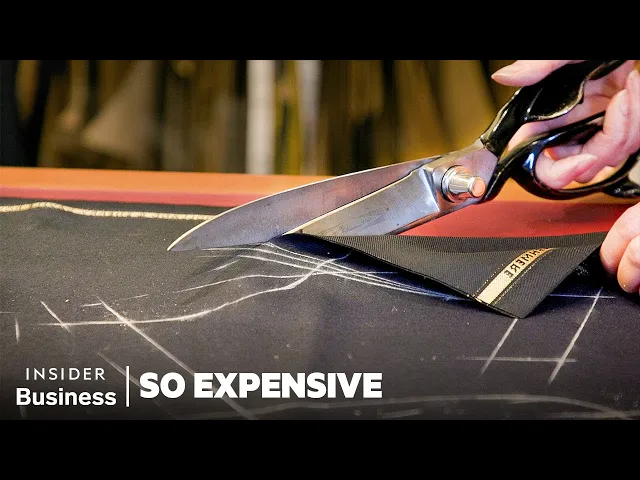
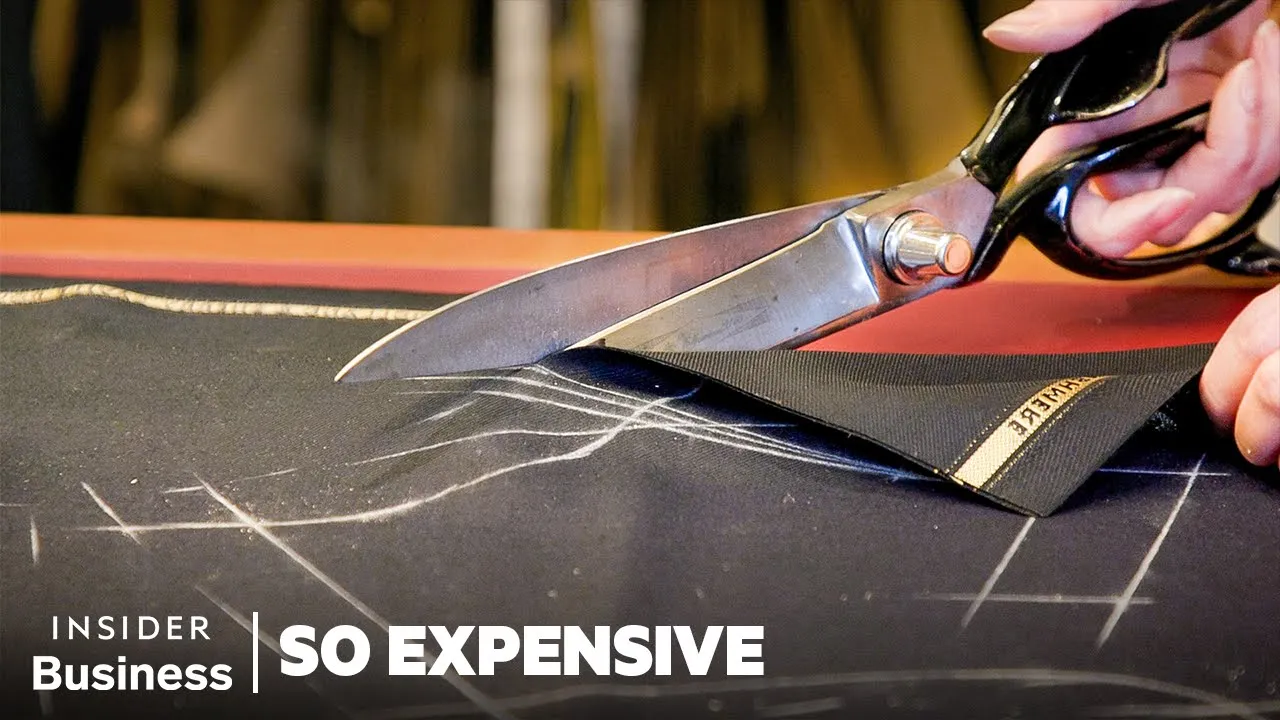
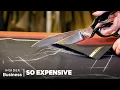
Catherine spent 13 years training to become a head cutter she's had these tailoring shears her entire career they're designed to effortlessly glide through cloth without being lifted up you have to concentrate cuz if you don't you might just cut into a very expensive piece of cloth using a special Tailor's code Catherine draws chalk outlines to craft with spoke suits for the world's wealthiest clients everybody can think of in the public eye from Churchill to Fred will have discreetly had their garments made for them in saval on this exclusive Street even ironing is an art form
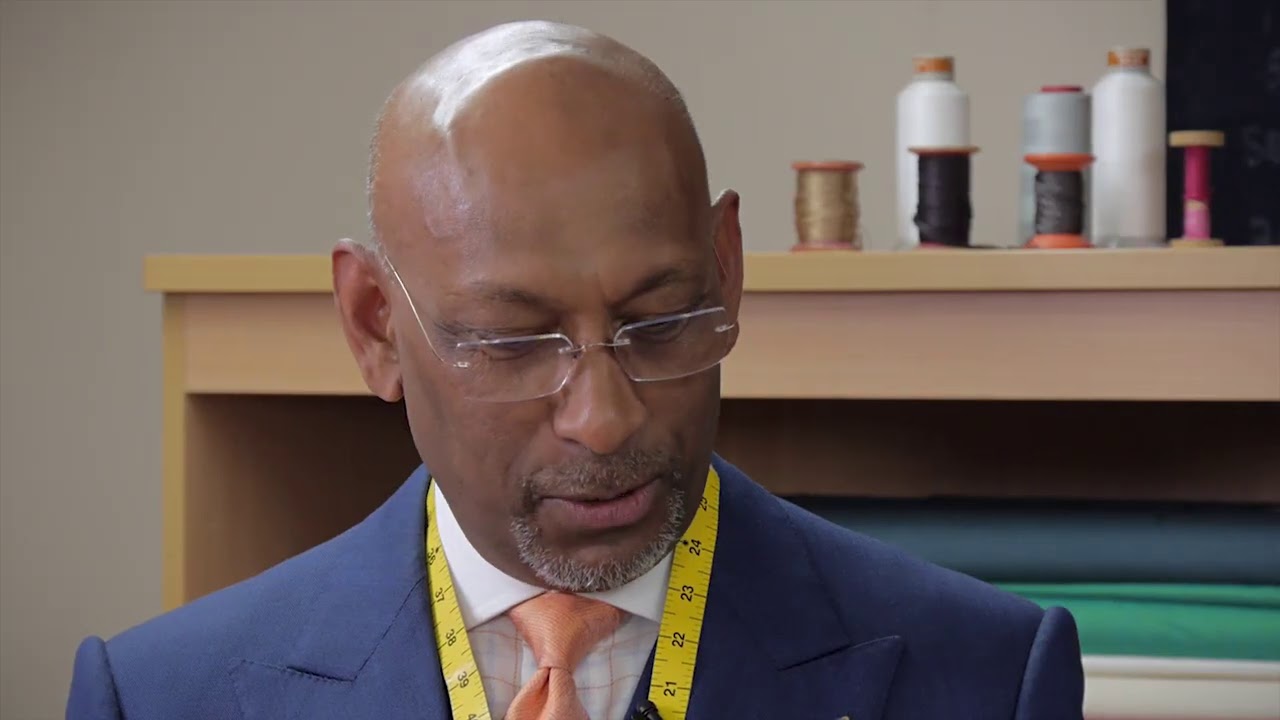
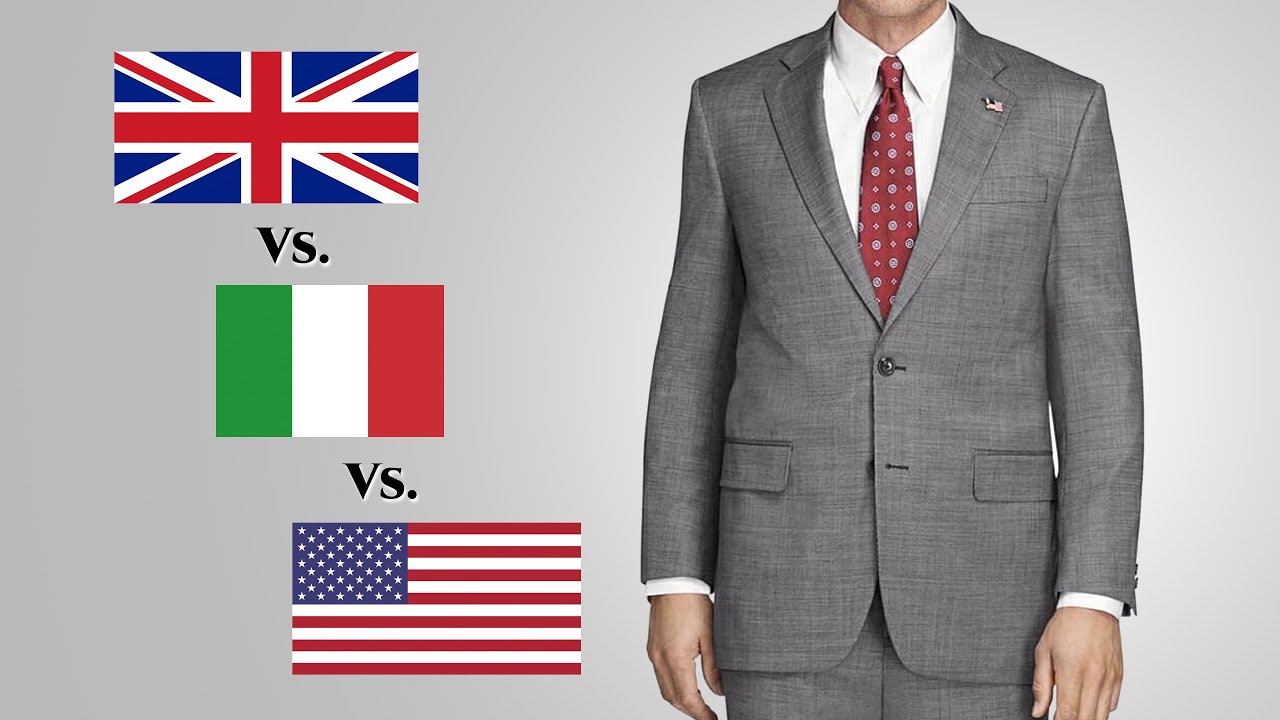
a customed two-piece suit like this one can cost nearly 6,000 and takes 4 months to make that's more than five times the price of a readyto wear suit from a high-end brand like Brook's Brothers we traveled to the home of bespoke tailoring to find out what makes these suits so expensive when buying a suit there are three main categories off the rack made to measure and bespoke off the rack Suits come in standard sizes while made to measure Suits start from the same base pattern adjusted for each customer but at bespoke talias on and around
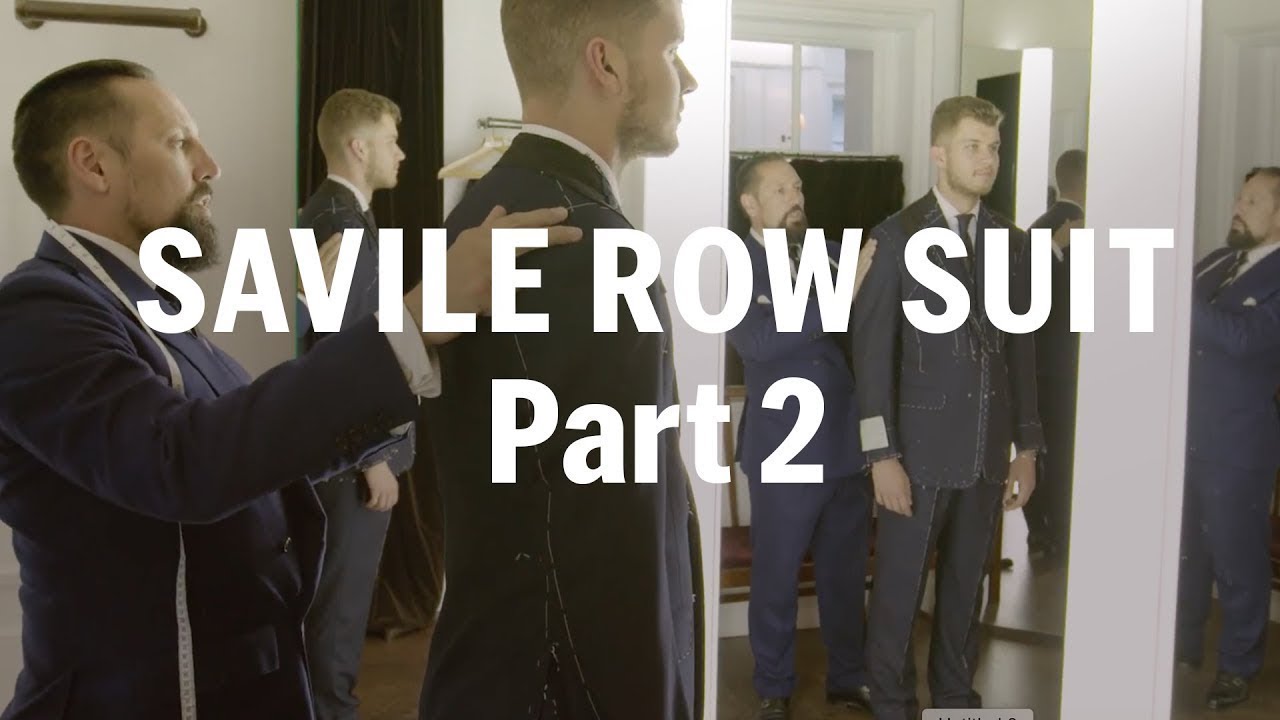
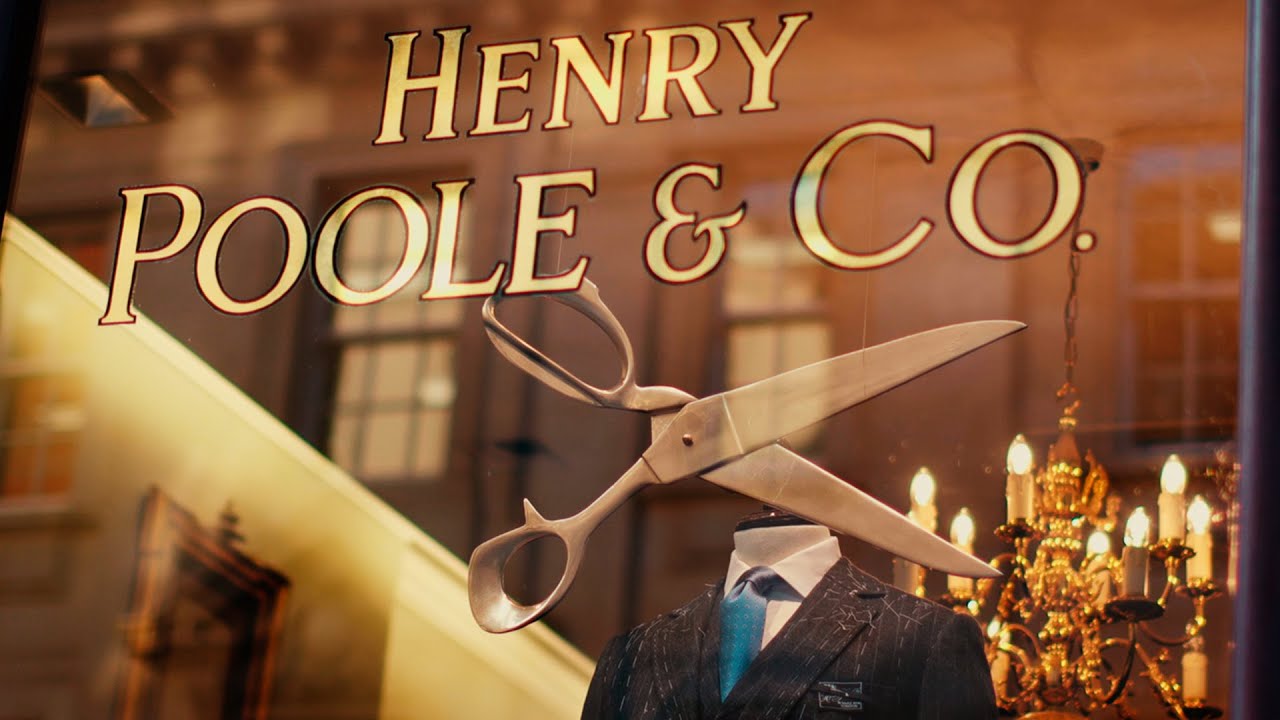
savil Row in London's Mayfair District tayor craft One of a Kind garments completely from scratch the suits are infinitely customizable but they take much longer to produce the process requires close personal interaction with the client on saval row you're not just paying for the suit you're paying for the tailor every tailor like a a hairdresser has a different style a different approach so you just have to find the right one for you Katherine Sergeant became the only female Master tayor working on saval row after opening a shop on the street in 2016 today her shop
shop is located within the so-called Golden Mile of saal row on nearby Brook Street Katherine has worked with many high-profile clients over the years most of whom she's not allowed to mention made a coronation uniforms for a king and I was flown to their country to have the fittings and not all are human we have fitted out their four-legged friend before so yeah a b spoke dog coat with a couple of those to become a member of the saval row bespoke Association Tor must work within a specific area of London offer 2,000 different fabrics and
cut each suit from a unique paper pattern even a TR on is a major event the monthlong suit making process starts with the consultation a chance for the tailor to get to know their client and their needs today her client is Richard stoer a local Finance executive who is looking to buy his very first bespoke suit from saval row I really wanted to treat myself to something that I thought gave me a little bit more gravitus a little bit more standing I'm not going to lie and say that it's a small amount of money but
I I see it as a smart investment early on Katherine establishes basic details like the suit type and materials but she also takes time to develop a relationship with each client by asking specific personal questions there's a person at the heart of the creation it's not just the tailor and their interpretation you know you're making something that's really truly bespoke she says the only struggle is managing expectations every man that I make a suit for wants to look like James Bond it shouldn't be like an intimidating experience it should be really like super relaxed and
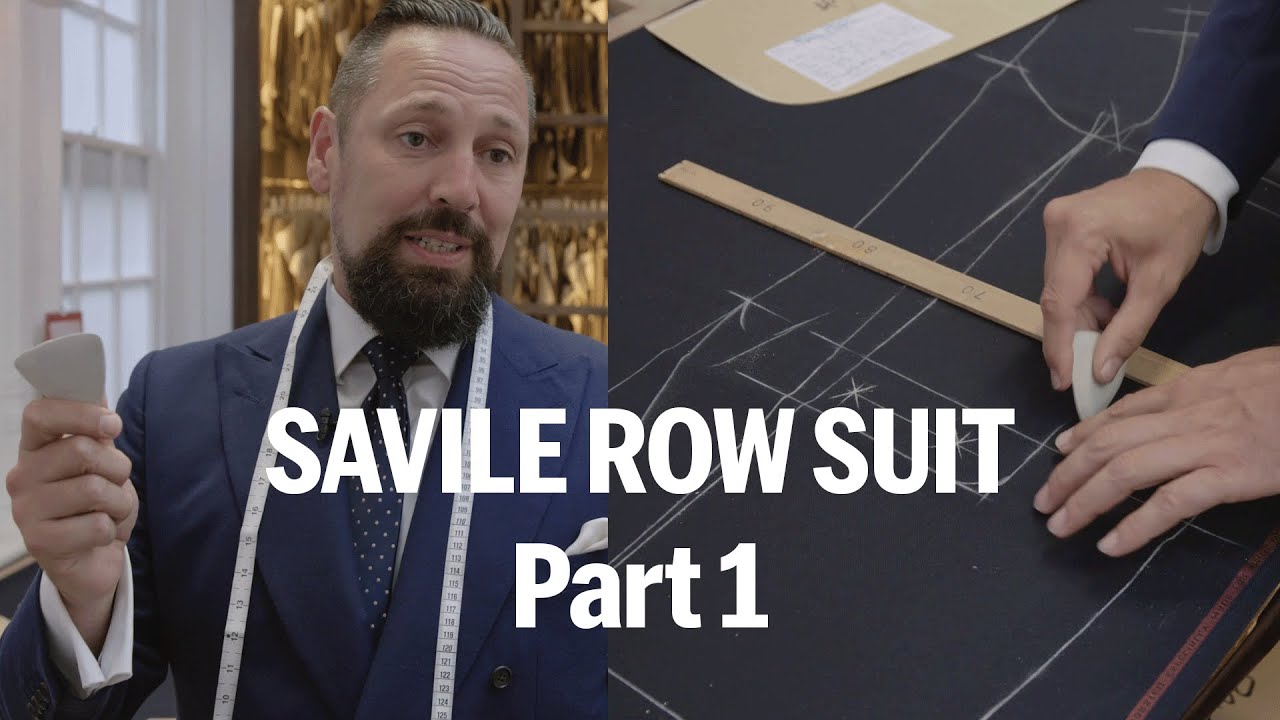
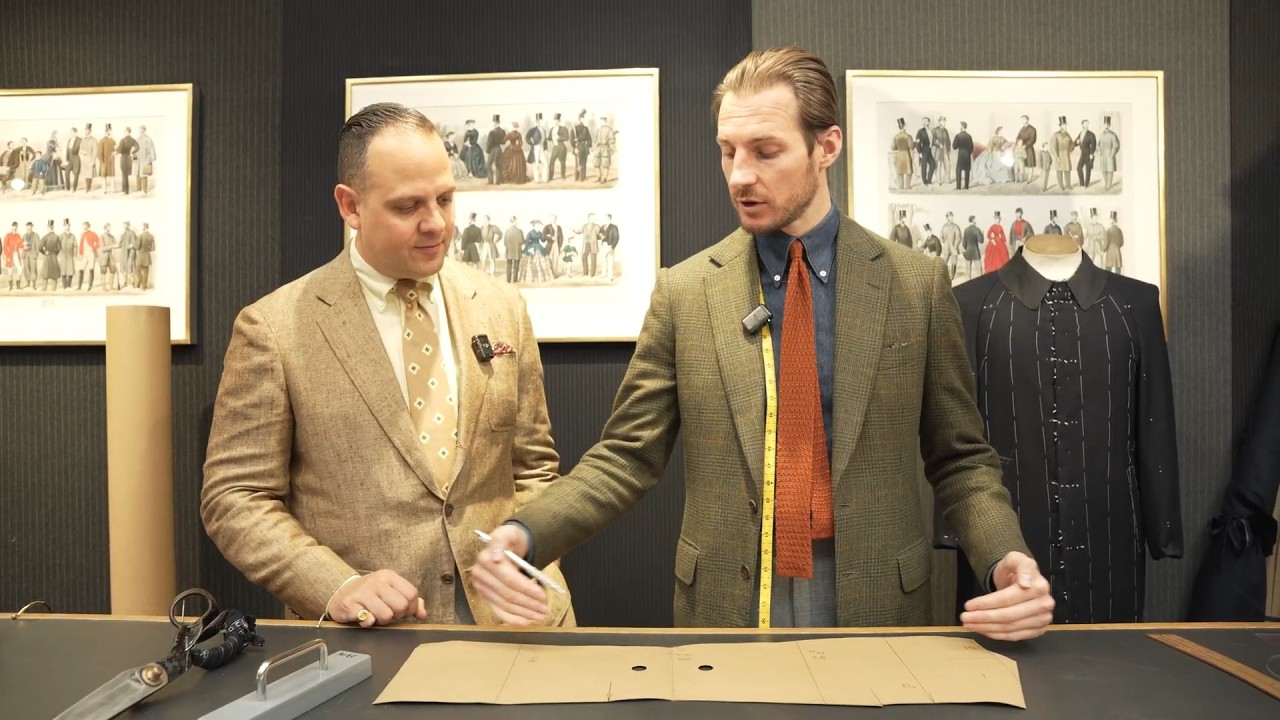
very you know informative during the first meeting she carefully takes the client's measurements with these Catherine crafts the most Cru cral piece of the bespoke suit the paper pattern patterns are two-dimensional representations of each garment with instructions on how pieces should fit together Catherine keeps every client's pattern on hand for future orders pattern cutting fitting problem solving it's always shapes and dimensions 2D to 3D and I'm kind of like a tailoring nerd in that way Catherine Works meticulously to to ensure each piece is drawn to scale but as precise as she is here sometimes the
client's size may change during the process you measure somebody and then they come for a fitting and they've changed shape lost weight or gained weight and the measurements Chang but we make the garments and the patterns so we can adapt them for that once she's done sketching she carefully cuts out each shape these are my paper [Applause] shares every time we do a in we take it from 3D to 2D and back again so we're constantly working on the pattern altering the pattern Katherine uses these initial patterns to figure out how much cloth she needs
the most commonly used fabric is British wool you can shape it you can stretch it you can shrink it it is a joy to work with she gets most of her Fabrics from storyed London cloth Merchants like Holland and Cherry where the Fabrics are often locally sold cost a typical jacket made from British wool starts at around £ 4,350 but some materials can boost the price significantly like cashmir or vonia Woolf from Peru that cloth is probably the most expensive cloth in the world and for an Overcoat you would be talking upwards of £20,000 Katherine
says she prefers robust materials because her goal is to create a suit that lasts for decades the next step is striking or marking up the cloth with a sharpened piece of Taylor's chalk with a piece of chalk you get a really nice sharp edge and get a really lovely curve you tend to do those curves freehand Catherine leaves extra cloth on the edges in case she needs to lengthen it it's called The inlay and it remains inside the final suit so the Garment can be altered even years later if needed so that's made by hand
by us would hopefully last 10 15 20 years even you know longer than that if people take care of their clothes once the fabric is marked she cuts out the rough shape of the suit on saval row a master cutter is never without their highquality steel scissors my tailoring shears I've had for over 25 years um I've never had them sharpened and they sort of become an extension of you so I really don't want to get any new ones I think they'll probably last me throughout my career the tailoring Shares are designed to Glide so
when you cut the cloth you're not actually lifting the sheares up in the air it allows you to really get a nice control a nice straight line over the cloth for me this is the sort of more most relaxing easiest part of the job like just nice just the noise is very satisfying and you know you've sort of accomplished something you've made a pattern and you're now going to see this scarm come [Music] together at this stage Katherine hands this bundle over to her Apprentice Emma Warner working off of Catherine's chalk guidelines Emma does a
first pressing of the fabric and arranges the pieces then she uses a thick white thread called basting thread to hand Stitch the cut pieces of cloth together and shape it into a wearable garment and I'm going to use the ham for the top part because you want to keep the shape in the jacket if it's canvas like this you will have the shape of the bus in the canvas more than if you would do it on the flat so that's why we're using it now but then later we also use it to press the collar
because the collar is all thrown around this basted suit is what the client tries on at the first fitting the loose stitching allows Catherine to easily take it apart and make any necessary adjustments to make sure that it's exactly as they want it to be before we go ahead and take it further how's it feel under the arms yes plenty is it comfortable it's not too low can you move around freely you think so yeah this one looks good this one looks a little bit short doesn't it during the first fitting Katherine marks any adjustments
on the cloth in chalk using a special tailoring code a straight line would mean shorten or take in an align with a cross like that would mean let out or lengthen once the client is Happy the Garment is broken down and flattened again Catherine updates the paper pattern to reflect any changes for bespoke suits clients usually come in for two or three fittings during which minute adjustments are made to make sure every measurement is exactly right after weeks of back and forth the suit finally starts to take shape at this stage tailor add wool padding
to the shoulders and the collar to give the suit its structure we actually put shape into the Garment at this point so when you try it on next time you'll just see that it's got a little bit more form to it it's not a flat shape once the client and the tailor are happy with the suit it's sent out for finishing in which Artisans attach the lining and Stitch the edges the suit then needs to be pressed to make sure it's perfectly crisp and flat for the client it might look like normal mining but this
step is essential to maintaining saval Row's high standards and there are few in the business who can press a garment like George I was taught by a presser with in which he was doing it for 60 years so I suppose you could say I inherited 60 years experience there's no one we haven't pressed for and we we currently press for around about 95% of the industry at the moment as with every other stage of the tailoring the presser pays close attention to detail making sure there's not a single Wrinkle in any of the fabric give
the back drape a really nice clean finish and the back of the sleeves of forness are all press out really nicely and now we'll concentrate back on the front again and just complete the front by pressing these lapel edges and um making sure we've got a good decent crease down here and a natural roll towards the end [Music] that's pretty much it after months of work Richard returns one last time to try on the final suit and to make sure everything is just as he imagined I think it's interesting on how wearing the suit makes
me feel at the moment slightly emboldened you know luxuriant it's an interesting sort of quite emotional experience if I honest you can normally tell as soon as they put something on like they just kind of like their posture might be a little bit different looking at something on the body in the mirror for the first time when it's completely finished can be quite daunting but once they've left the building with the garments and they've started wearing them we quite often get good feedback saying oh my gosh it's really brilant brilliant people sto me and ask
me where did I get the soup made Katherine started as an apprentice in 1996 and by 2016 she had made history by becoming the first female head cutter and master Tor on saval row now others are following in her footsteps the saval row bespoke Association says it's added more than 50 apprentices since 2004 and Catherine has noticed more women in this new crop of aspiring master tailor I think gender should not be a barrier to following your passion and your your love for this craft so many women are now becoming taor and Cutters um so
it's it's really really great to see it's something I'm personally very proud of a lot of the customers are still male and the perception I think from a lot of the houses are that Cutters should therefore be male that doesn't matter at all to me and I you know we've proved that it does work and a woman could do this job equally as well as any man if not sometimes better [Music]