welcome to FDA product regulation my name is Dr Chris janesquez I am the director of the office of regulatory operations and the associate director for review management at the center for biologics evaluation research in the U.S Food and Drug Administration this module of the course is called FDA product regulation and along with my fellow presenters we'll be talking a little bit about how FDA regulates products in clinical investigations so the regulation of drugs and biological products a little bit about the FDA its Mission and its organization FDA as you well know is a sister agency
to the National Institutes of Health under the health and human services and it has several missions we are responsible for protecting the Public Health by assuring the safety and efficacy and security of all the products that we regulate such as human and Veterinary drugs biological products medical devices and so on how we regulate the manufacturer marketing distribution of tobacco products to protect the public health reduce tobacco use by miners we advance the Public Health by helping to speed Innovations and make medicines more effective safe and affordable and by helping the people get accurate science-based information
they need to use these medical products and foods to maintain and improve their health and finally FDA plays a very significant role in the nation's counter-carriers and capability we fulfill this responsibility by ensuring the security of food supply by fostering development benefit products to respond to deliberately deliberate and naturally occurring or emerging Public Health threats this has recently been tested over the last several years by new merchants of covid and more recently monkey pox under the declared Public Health emergencies FDA has had all hands on deck approach to move these developmental Therapeutics vaccines testing kits
and other modalities forward to both diagnose and treat the public in response to the covid and monkeypox pandemic FDA is organized and as you can see here it's composed of multiple Center that focus on specific products like drugs biologics veterinary medicine and so on and other organizational proponents FDA is approximately 18 000 full-time equivalents of Staff with additional contractors most have scientific disciplines including medical disciplines although there are other disciplines as well who all contribute towards fulfilling our mission and Regulatory approach we are organized in such a way that we can share resources as needed
to address Fair a variety of review and Regulatory policy questions and so on so the medical product Center shown here are the centers for biologics evaluation and research devices and radiologic Health drug evaluation and research in the oncology center of excellence and as the names imply they typically will regulate the products as their centers are named so typically biologics devices and radiological drugs and so on and then oncology products the oncology center events Excellence works with both with all three of the centers and above to regulate various types of oncology audits as well and share
of fashion the other major centers are listed here food safety and Applied Nutrition tobacco products veterinary medicine center for toxicological research and the office of Regulatory Affairs the Oxford Affairs does most of the inspectional type of issues for all the products the FDA regulates these also of these organizations and centers will actually also interact with us in certain types of Regulation as well for example we may get involved with the center for food safety as it related to a transgender crop used to produce a biologic or the center of veterinary medicine for an animal that's
used to produce a transgender biologic as well so we will also interact in various issues as appropriate so a little bit about the regulatory history and framework of how we regulate all of the products Medical Products so unfortunately tragedies have led to legislative and Regulatory actions are often by Gardener in overwhelming public support and these are some notable examples in the history here is originally 13 children die from tetanus in 1901 because they were given contaminated horse serum containing diphtheria and anti-toxic if they're antitoxin were basically antibodies if you will actually used manufactured in a
horse and because it was contaminated and resulted in the death of many children it led to the passage of what's known as biologics Control Act of 1902. this is actually probably the oldest public health law of its kind in the world on the BCP the BCA Act was Pastor short Purity and safety of serums vaccines and similar products used to treat diseases and various types of humans there was an overwhelming outcry in leading up to the 1906 passage of the Food and Drug Act that there were multiple cures and claims for worthless to dangerous medicines
so Congress passed the food joint cosmetic Act of 1906 which only prohibited Interstate Commerce in this branded in Baltimore Foods drinks and drugs it had nothing to do with assuring the safety or ethics to see of any of these products in 1938 and just before 1936 I should say there were 100 individuals who died who died ethylene glycol contamination in the elixir of sulfatamine and that led to the federal Food Drug and cosmetic 1938. at this point the law required new drugs to be shown to be safe before marketing and this started a whole new
approach to drug regulation again proving that safe tolerances be set for unavoidable poisonous substances a few others more recent approaches in 1955 there was something known as the Qatar incident it was 260 children of either contracted polio or died because the salt vaccine was not properly inactivated by the manufacturer and this led to the formation of the division of biological standards created within NIH in 1955 in the division of biological standards actually oversaw the regulation of biological products as such in 1972 regulation of biologics was transferred from NIH fact to FDA solidified saving pills resulted
in severe birth defects in thousands of babies in Western Europe in early 1962. thalidomide was kept off of the market because of the insistence of several FDA staff in the FDA organization that there were serious side effects as a result of non-clinical or animal studies to assure the safety of the product so this led to the passage it would keep on for Harris drug Amendment Act of 1962 which passed to ensure greater drug efficacy now and Drug safety so for the first time manufacturers actually required to produce the FDA that their products more effective before
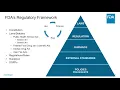
they could be marketed and of course we had the unfortunate cyanide poisoning with several of the Tylenol caps since 1992 and that led to the federal empty tampering Act of 1983 which resulted in a whole series of additional changes to how we package and monitor and control various types of drugs on one market so the framework in which we write regulate all these products start with essentially the laws and so the laws are of course as I've given you some examples of are passed by Congress and then we have to interpret how we're going to
apply these laws and the laws therefore then we promulgate various types of regulations or rules and those become codified in the code to affect your right relations and that's sort of interprets the higher level direction that is set by Congress and how we interpret these laws FDA then develops a series of documents called guidances which basically provide our current thinking on how one can comply with these various types of regulations or rules there are also external standards that are standards are typically developed by what's known as consensus organizations in various areas there are a large
number of consensus organizations so a large number of standards that can facilitate development of drugs and biologics this has become incredibly important in the past 10 to 15 years is the number of these standards have continued increasing I found a niche in how we regulate these types of products and then we have various types of sopps or standing standard operating procedures with how we do our internal business they may contain certain types of policies and precedence as well to some extent or how we actually operate policy suppressants are harder to be seen visibly to the
external population because all of the above are all published the policies and precedence sometimes are included in various types of guidances and eventually they will make their way up to the guidance level but a lot of these are evolving we have many new and knowledgeable products with an FDA especially biology such as cellular therapies gene therapy new types of vaccines phages fmps people microbiolog biological transplantations and so a lot of these are done we don't have enough information or enough consistency or understanding to feel comfortable developing guidance so a lot of these how we address
some of these things are dealt with at a policy or precedent area which makes it very important if you're developing the products to interact with us through meetings and various other kinds of interactions so you can understand how we're going to regulate this and so on some of the notable laws and statutes up here of the Public Health Service Act which is what's used to regulate a lot of biological products and of course the federal Food Drug and cosmetic act which is used to regulate drugs devices in a whole bunch of other things so there
are some other regulatory laws here that have influenced how FDA works over the years some of which I've talked about already I'm just going to hit a few highlights here that may help to explain certain things the 1944 the Public Health Service Act is a covers a broad spectrum of health concerns part of which is how we regulate biological products and how we control communicable diseases we actually still use the communicable disease Provisions or Provisions 361 in terms of how we regulate dish transplantation essentially for example tissue Banks and so on that is different regulatory
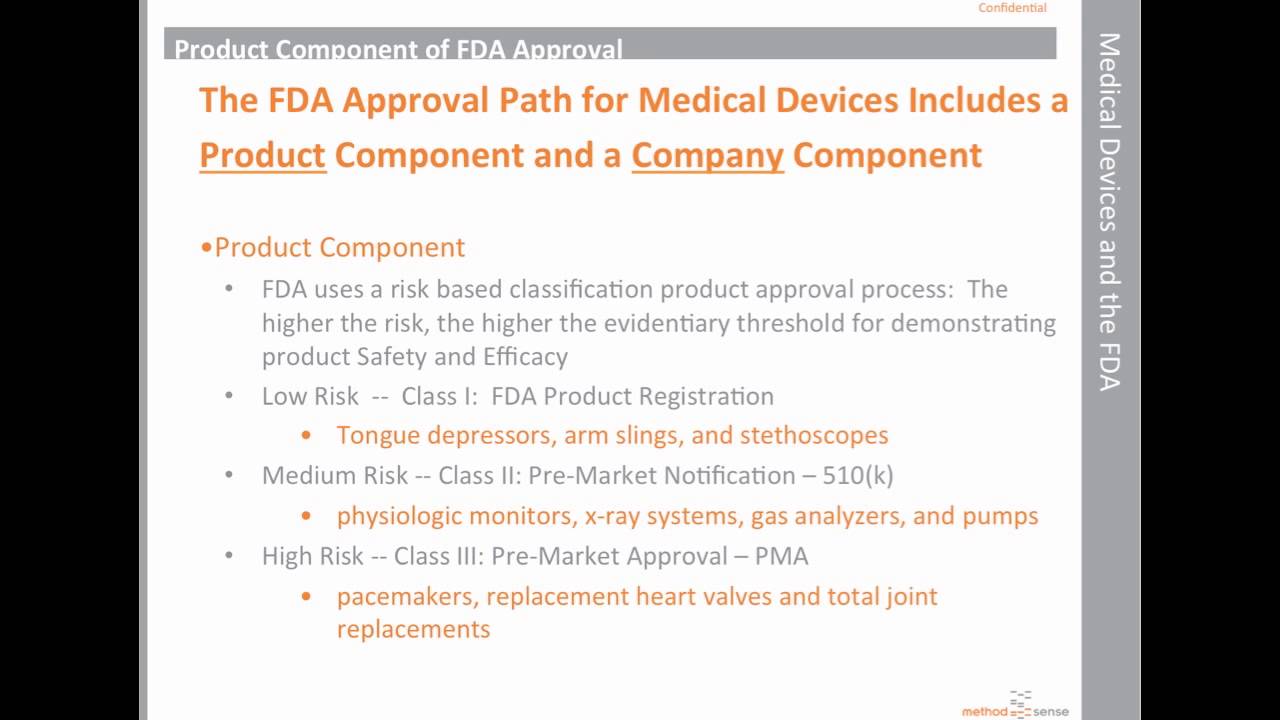
methods and more traditional drugs or biologies the medical device amendments act in 1976 actually added devices to the overall regulation of FDA included diagnostic products it talks about volume quality control procedures pre-market approval for some or meeting performance standards for others opens at a time regularly the devices were not really regulated by fdas and a great extent again the word from Drug Act which promoted research and orphan products and facilitated through various types of patent issues and other issues that facilitated how one could get orphan drugs onto the market the drug price competition patent term
restoration Act is the basically the law that allowed for generic drugs not biologics but drugs and provided the whole framework for how you know a lot of studies would not have to be repeated on those drugs such as the clinical studies and through clinical studies and such I provided a more leveraged what was already done for the initial approval of these types of drug products the national childhood that vaccines injury act basically gave FDA the authority to recall a whole series of biologics and authorized civil penalties penalties but it also in large part facilitated the
use of vaccines in that it provided compensation to people who were found to be injured by certain vaccines without the necessity of going through torque procedures and the manufacturers were not held liable for civil actions due to vaccine damages of death so that facilitated how one can take various types of vaccines and Foster the whole ability to use those in a variety of other patients excuse me in 1992 the prescription drug user fee act required biologics and Drug manufacturers to pay for applications and supplements for review this has been authorized every five years and was
followed by a whole series of user fees for things like generic drugs medical devices by assemblings and so on the best Pharmaceuticals for children's act with bpc a act did a lot to facilitate safety and efficacy of and all kind of medicines for children but more importantly were as important I should say it gave us biosimilance biosimilar as being additional biologics that could be improved in a similar somewhat similar way to generics for drugs so biosimilar to be the equivalent in in the sense for generic drugs for those who are already approved pediatric research Equity
act allowed required sponsorship in that clinical research and pediatric pediatric applications for a whole series of drugs and biological products facilitating their use in pediatric populations is appropriate and one last thing I'll just mention is the food drive Administration safety Innovation act and a lot of authorized a lot of different things the one thing it did in particular was in 2012 we had an outbreak of fungal meningitis that was clearly linked to contaminated compounded drugs and unfortunately resulted in the loss of 64 lives and caused more than 700 illnesses so Congress enacted the drug quality
and Security Act at that point to ensure and ensure greater regulatory oversight of facilities creating compounded drugs so like I mentioned in the beginning way back in the early 1900s unfortunately there are still outbreaks or occasional tragedies that do occur that also will facilitate and Foster the need to have various types of legislation most of these other legislations did not resolve by parting any if any resulted from any kind of crime would be the loss of life it resulted from basically Congress and others looking at systems and seeing what's the best way to facilitate an
effective drug regulation system in which the best way to facilitate the development of these drugs and many of these laws do facilitate that through a whole series of expedited reviews and accelerated approvals and so on and so forth the regulatory law of the last one would be the food drug and excuse me Food Drug Administration reauthorization act federa which again reauthorizes all these use of these initially starting with the Paducah producer user fees for drugs and biologics and devices generics and biosimilates and these get reauthorized every five years they provide additional resources they provide performance
goals which FDA has to try to meet in order to review and regulate a whole variety of these types of medical products across so I mentioned earlier that we have the regulations which is how we interpret the laws so the code affected regulations title 21 contains most of the rules that are used by FDA and they are organized here as you can see so the various subjectors related to medical products or drugs biologics medical devices rheological health issues and so on there are also some other regulations that are covered in some of these areas which
also will impact including impact on clinical research such as protection of human subjects Financial Disclosure by clinical investigators which is required institutional review boards which is required of every drug or biologic initial drug application when it's going to be studied in patients through laboratory practices from the labor studies which are used to support those initial investigations and such and again some of the labeling and advertising was present as well so there were other regulations and they're quite extensive as you can see in the printed form um the three major ones that will be of most
use to I think people moving into a clinical investigation initial studies let's say in human humans which would be the investigational drug application or the new drug application which is why an individual you have enough sufficient information developed in various clinical studies non-clinical studies manufacturing to actually submit what's known as an application for marketing that would be an NDA here or a bla if it's a bylaw and then of course for devices they have similar mechanisms for initial studies in various patients or marketing applications or also the ability to meet certain performance criteria in order
to be marketed um so these These are the major CFR parts that direct what we do in the initial development uh regulation uh marketing and actually some of the post marketing as well of these parts so guidances there are a ton of guidances which have developed over the years on a variety of subjects that help to guide individuals through the initial um new drug application when you want to study something for the first time in man humans or marketing applications of post-approval so again it it is our current banking or matters under our jurisdiction it's
how we are interpreting policy it's how our interpreting these regulations and rules it provides new or different regulatory expectations that really aren't apparent in the statute or regulations again you're drilling down further and giving in some cases examples in some cases looking at a question and answer format they're providing different ways in which one can provide input they're usually written in FDA with input so these are always just about we submitted or provided as draft for public comment and so various individuals will comment on those from academics government agencies Domestic important industry regulators and so
on and so forth a lot of people provide their input and look at all those input and figure out you know the career sets on eclair is there something you've got to include you know is there a different approach we should be taking often sometimes these can be discussed in forums and workshops these guidances um we have to follow what is in this good guidance practices or needs they are not legally binding unlike regulations and laws which apart these are our best thinking on matters how one can apply uh if you will to fulfill various
types of regulations and walks they're not legally abiding on the applicants on the public however FDA employees can only depart from the guidance only with appropriate justification and supervised weekend currents so in other words even though this is our best thinking and such it may not work in all cases because it's a newer novel kind of an approach and a particular individuals following what's in the guidance and it just doesn't really fit in the situation maybe because the clinical situation is different in the manufacturing situation has changed and so on so we can deviate from
these but again there's an internal sort of process we want to go to although the good guidance or the guidance does provide our current thinking and ways in which one can comply with these various things industry can choose any approach they want that meets those relevant statutes and regulations and that often is the subject of a discussion with the agency a lot of new and novel products there for where standardized approaches just don't work we experience that a lot in Cedar with the cellular and Gene therapies and the vaccines and other new development products there's
a lot of interaction a lot of discussion over time to go back and forth to figure out okay how do how can we assure certain level of safety and efficacy with these products what works in this particular situation one thing I will mention is the international Council for harmonization so or ich ich is has been in existence for actually greater than 30 years and it develops various types of guidances in the areas of quality or product quality if you will efficacy or clinic medical areas and safety safety being mostly the non-clinical types of pharmacology or
safety for patients and also multi-disciplinary so things related to electronic submissions and formatting content of applications and so on originally it was founded and participate participants included Europe the US Japan Canada and Switzerland or sort of observers over those years recently it's changed includes many worldwide Regulatory Agencies and it provides basically guidance on harmonization that helps sort of Ensure safe effective and high quality products and especially for Industries and such they don't have to meet individual requirements requirements or considered harmonized so that hopefully one study taking into consideration a variety of factors can work in
these very various regions across the globe development of medical products is in many ways Global and so the regulation and such should be to the point that that's feasible so we developed these ich guidances which FDA adopts so ich guidances are basically FDA guidances once we have adopted these and it's a whole regulatory consensus of going through working with regulatory and Industry experts they go out for appointment comment just like all of our guidances do it helps to facilitate again Mutual acceptance of data so that you don't have to have different clinical studies and various
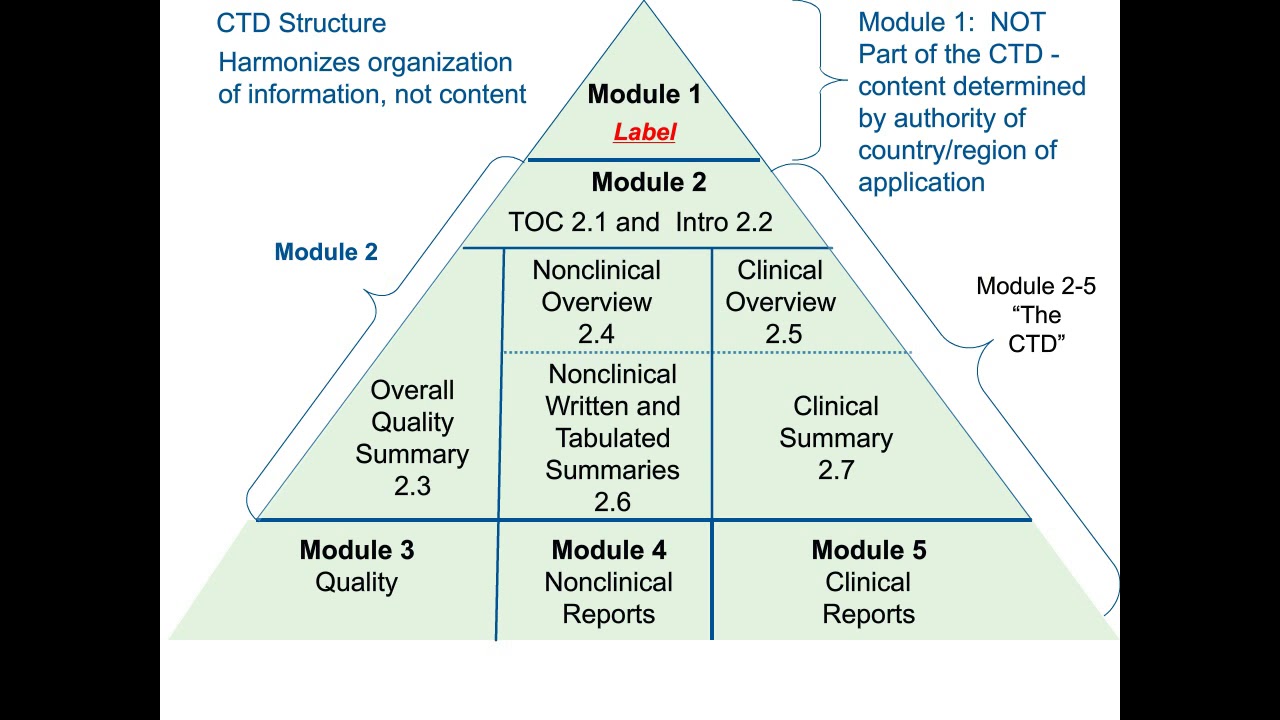
jurisdictions and one thing we have we all well over 10 years ago was the common technical document which is agreed upon format for how we look at the presentation in summaries reports and datas to the various worldwide regulatory authorities there are also for example many may be familiar with the World Health Organization which also develops a large number of guidance documents FDA will often work closely with the World Health Organization but although while ich documents are considered FDA documents because without those World Health Organization documents or not they may be appropriate for certain situations for
how one can comply with again on regulations and laws and so on but you really need to have that discussion with FBA prior to using those because there's sort of many ways set up for a different audience in different levels of approach and considerations if you will for what for developing products so let's talk about this real quickly so you can understand um again we have drugs biologics and devices and there's a little bit of an overlap but we generally try not to do that so we formally Define a drug in our law or regulations
excuse me as a substance recognized by an official compendium a formulary a substance is intended to diagnose cure or mitigate treat or prevent a disease a substance other than food intended to affect the structure or any function of the body a substance intended to use as a component of a medicine but it's not a device or a component part for accessory of a device and it's important to understand that biological products are included within this definition and are generally covered by the same laws and regulations but differences exist regarding their manufacturing processes and you can
think that frogs are chemically synthesized versus biological products which are manufactured through biological processes it is now feasible to chemical synthesize some types of biological products but nylon although commercially that really doesn't happen in the world and I should say this is a law a legal definition this is a definition from the law not from the regulations biologic is virus therapeutic serum toxin antitoxin vaccine blood blood component or derivative allergen product protein or analysis product or a sediment a set of phenomine or derivatives of as far arsenic compound applicable beverage in treatment of cure of
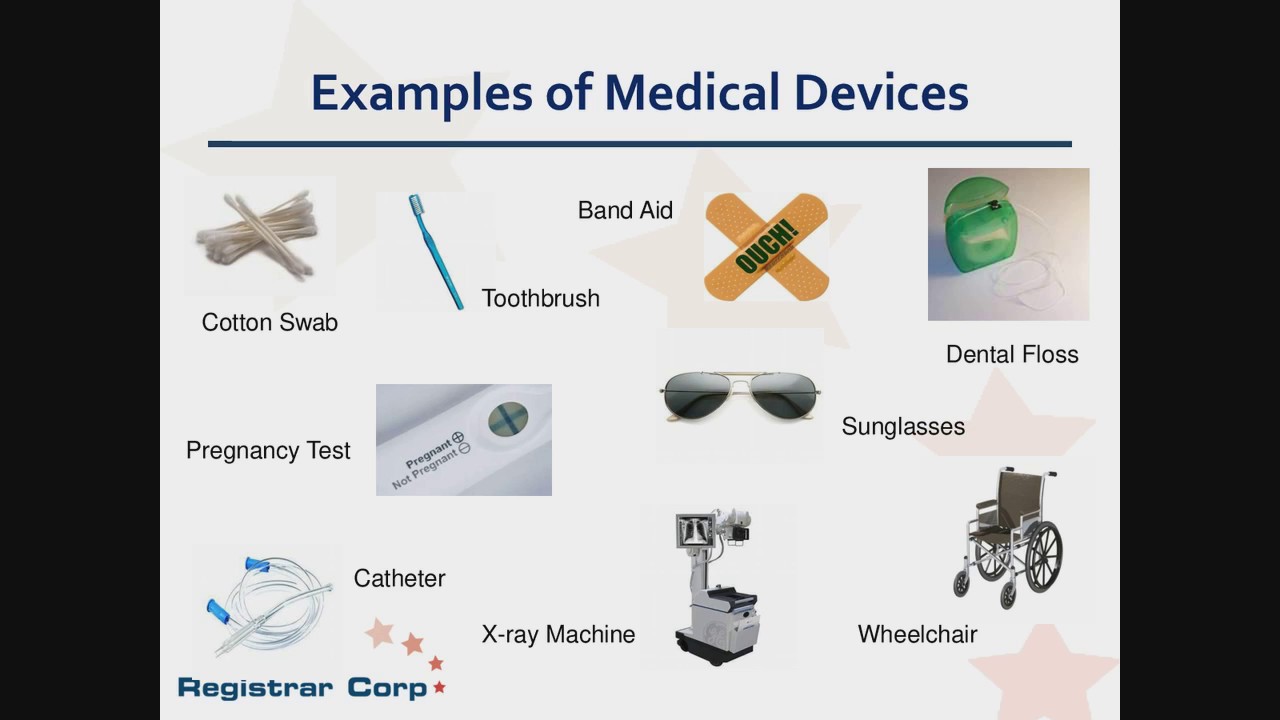
a disease or condition of human beings you can see that this document definition excuse me clearly reflects the heritage of biological products the antitoxin and a lot of these derivatives here were related to treating Public Health overseas as such a medical device can be defined as a instrument apparatus Implement machine contrivance implant and vitro reagent or other similar related article including component part of an accessory which is a substance recognized by the national formal area or yes Pharma intended for the use and the diagnosis of disease or other conditioner and the Cure mitigation treatment or
prevention of disease and man or other animals were intended to affect the structure or function of the body of man or other animals and does not achieve its primarily primary intended purpose through chemical action within or on the body of men or other animals and which is not dependent upon being metabolized for the achievement of its primary intended purpose the term does not include software functions excluded pursuant to another regulatory excuse me so this course is going to focus on drugs and biologics there'll be a few comments of devices at the end because just about
everything we're seeing now would be defined as a combination product which is a combination of biologic and drug or a device in a biologic or a device in a drug or a biological drug so it gets it can get very confusing so we're just going to basically touch a little bit on devices at the end so you can understand that in their role so the last part I would like to discuss is the product life cycle so here is a hypothetical if you will or traditional or ideal life cycle in the development and regulation of
a drug or a biologic often there is a preview there's typically a free clinical phase and then a clinical development sense there is a pre-clinical phase in which there is Discovery a certain particular type of compound or biologic has been synthesized or developed or tested in various models and determined that they would have an effect to affect a particular type of the disease at some point in time they're most likely but not always maybe some type of pharmacological and toxicological testing sometimes involving animals uh often lots of laboratory work to better characterize and understand the
product and be able to control its quality and impurity and and safety to a point so all this work happens is what we call the pre-i indeed phase or prior to filing an investigational new drug application and IND is required and must be approved by the FDA and that's approved in quotes prior to studying this in in patients and so a lot of this work that you see here including and this will be covered in in subsequence sessions will be submitted along with information on the clinical trials from other areas and placed into investigational new
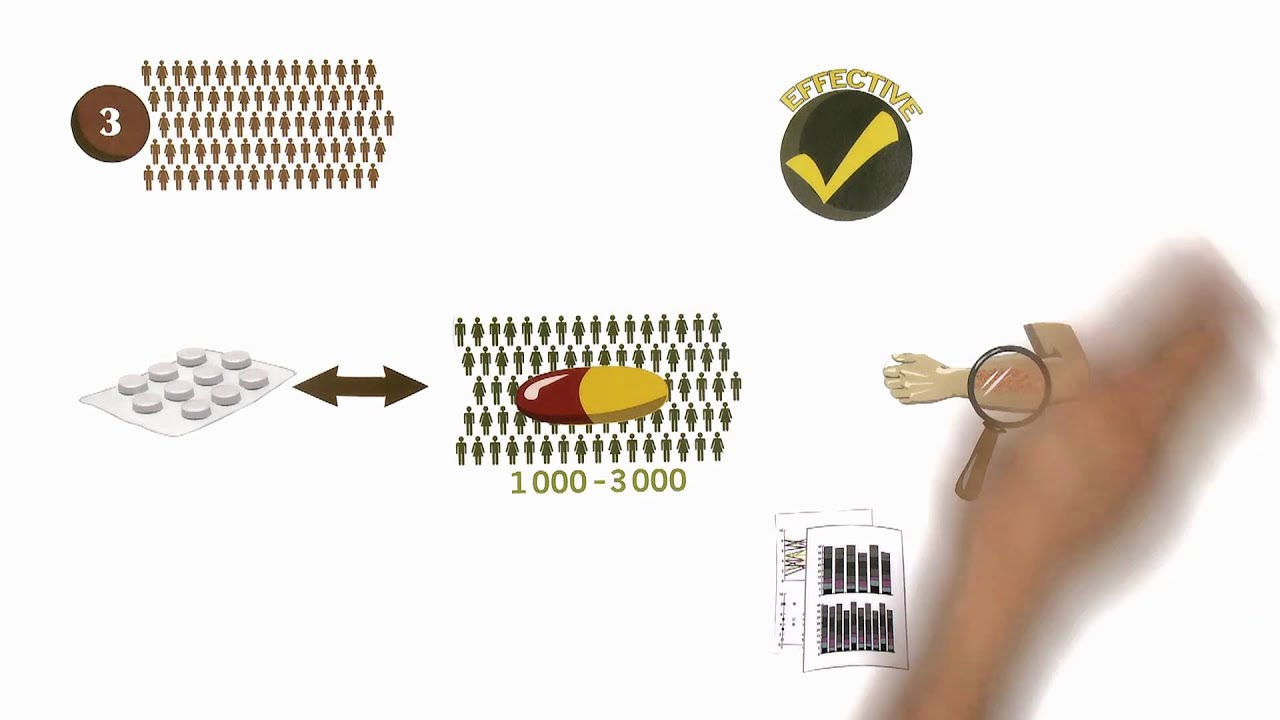
drug development we typically in a traditional investigational new drug development program you'll have various phases the first phase is really assessing the safety of the product in humans second phase is sort of dose finding safety as well perhaps understanding a little bit more about the efficacy of that and phase three would be typically looking at the safety and again but really the advocacy does this product this is applications and what would be the indication that this product were to be marketed how would it be used how to be treated and so on and of course
there's manufacturing that goes on during this as well so that one can consistently make a product that's going to deliver the intended therapeutic effect but again this is really an ideal or traditional area with a lot of products now um depending upon orphan disease for example where it's very limited numbers of patients who may not have these three distinct phases and three distinct trials there could actually in some cases be only one trial that's set up in such a way that it's an Adaptive trial that depending upon the results that happen they determine the next
course of the study and so on so sometimes again with very rare patients will also to compress this into one or maybe two trials to try to um again determine an appropriate safety and efficacy and what's the appropriate dose and so on assuming that a product is then submitted for marketing which is when it can be commercialized there will be a submission of a biologic license application a new drug application or for devices or pre-market application they'll go through a review so we have to assure that the manufacturing facilities are in compliance with what's in
this current good manufacturing principles and so on and if it's marketing that could be then a post marketing phase if you will the post marketing phase may be making changes to the manufacturing process maybe adding a new indication for a new or for a new patient population or new dosage form to make it easier to administer and so on so you think about it this can be overall at a high level the life cycle of a drug and biological requirements thank you