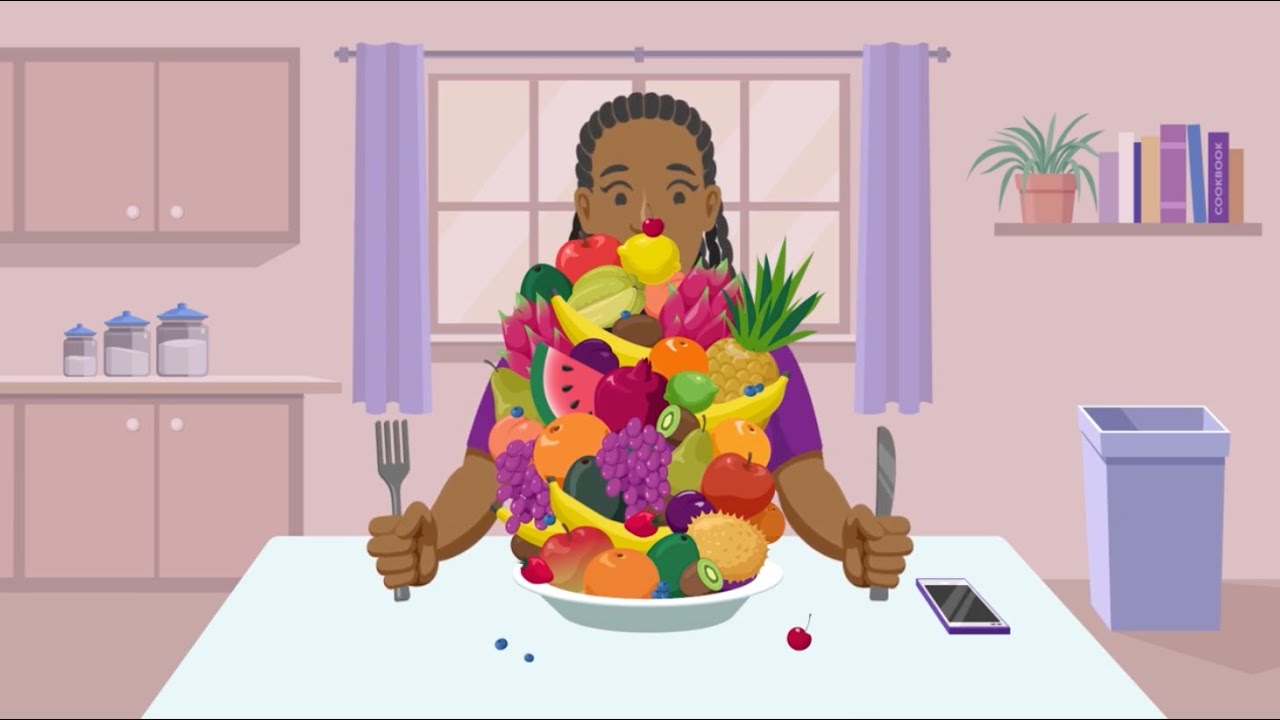
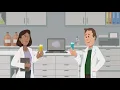
You’re hosting a dinner party for your research team, so you and a colleague head to the local wine shop to select a few bottles of wine. Your colleague is convinced that any $50 bottle he chooses would taste better than your favorite $15 standby. You don’t agree, so you challenge him to a blind taste test and of course, you were right.
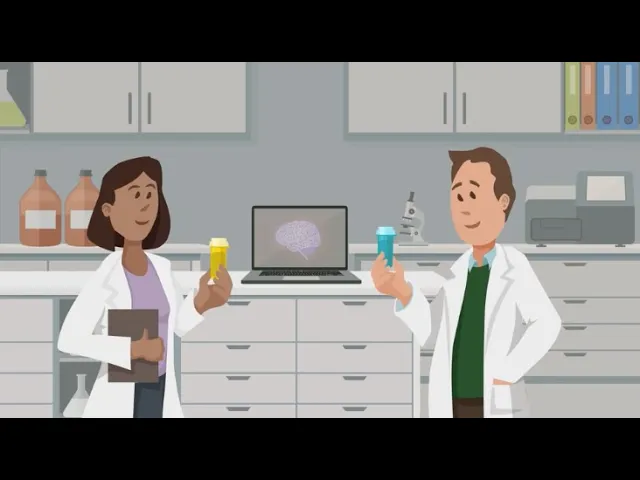
By removing knowledge of which wine was which, you eliminated a source of bias that influenced the outcome. This same source of potential bias comes up in research. Let’s say you’re about to launch a placebo-controlled, randomized trial to investigate the efficacy of a new medication to treat headaches.
You plan to see participants every week to check their vital signs, survey them about their headache frequency, and assess for any side effects. But just as in your wine taste test, there is a danger of bias if the treatment allocation isn't concealed. For example, a trial participant who knew that they were getting the active treatment might give the medication a little longer to see if it works, making it seem more effective, whereas a frustrated participant still suffering from headaches who knew that they were getting the placebo pills might drop out of the study entirely, again affecting the results.
Similarly, if the investigator knew a participant was receiving the active medications, they might be more inclined to encourage adherence or follow symptoms more or less closely – all of which could risk introducing bias and further confound the trial results. So how can you mitigate the danger of this kind of bias? One critical method is essentially the same one you used in your wine taste test: blinding, the process by which people involved in research – the participants, the investigators, or both – are kept unaware of treatment group assignments.
A single-blind trial is one where the knowledge of treatment assignment is withheld from only one group. In a double-blind trial, treatment assignment is concealed from both the participants and the investigators. While of course, blinding is the ideal in a study, it is easier said than done.
For example, what if the secret ingredient of your new headache medicine tastes horrible, while the placebo is a sweet sugar pill? People trying to scarf down this medication might just get the sense that they’re taking the active treatment, and act accordingly – and if they go on to mention the medication’s horrible taste to the investigator, then the investigator would know which treatment arm they were in too. Without realizing it, participants and researchers might end up acting on the knowledge of who got which medication.
The solution in this particular case might be to simply make the placebo taste just as horrible as the active treatment. But other study challenges might not be so easy. What if the trial medication detectably lowers heart rates, or consistently results in bumps in some routinely monitored labs?
Or what if your trial is a comparison of a surgery versus a medication? In these cases, treatment assignment might be difficult to conceal from both investigators and participants, so it’s important to think through the possible implications of loss of blinding in any trial, and be ready to apply creative solutions in order to maintain the blind. So once you’ve considered all the threats to blinding in your trial and implemented your solutions, how can you know if your efforts were successful?
Well, just ask. At the trial’s end, ask your participants which arm of the trial they think they were in. If the majority of participants correctly guess which intervention they received, then you may have missed or miscalculated the threats, and your blind didn’t hold up.
That’s a real headache! But if they respond that they don’t know, or if their guesses are no better than a coin flip, good work! Your blind held up, and you can feel more confident in your trial results.
And that’s worth celebrating. Cheers!