Hello! It's good to see you here. In this video I will explain what the Enlightenment is, its historical origin, its characteristics, and its representatives.
Give a like with desire to send you strength to learn and subscribe to the channel. The Enlightenment or Age of Reason is a period in the history of Europe where important changes arose, both intellectually and culturally. It covers from the middle of the 18th century to the beginning of the 19th century.
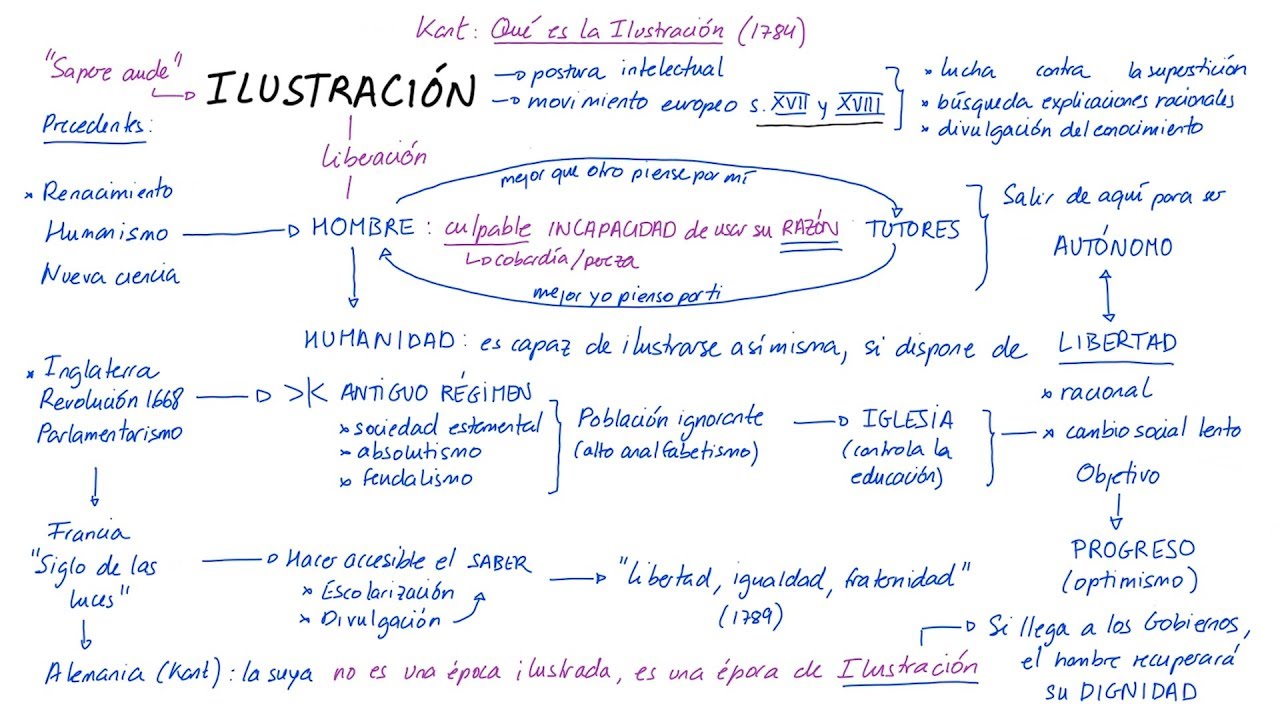
The world view changed after the Enlightenment, new ideas about God, nature and humanity arose and spread widely throughout the Western world. The main element of the Enlightenment movement is the use of reason to be able to better understand the universe, as well as the entire environment that surrounds us. New objectives were set to be achieved, including obtaining greater knowledge, the search for freedom and happiness.
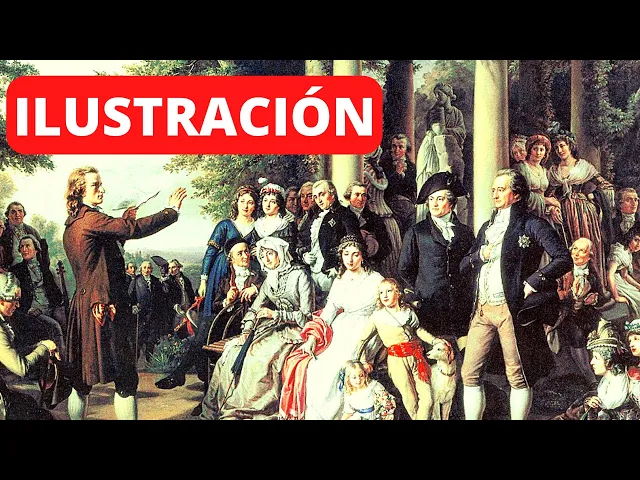
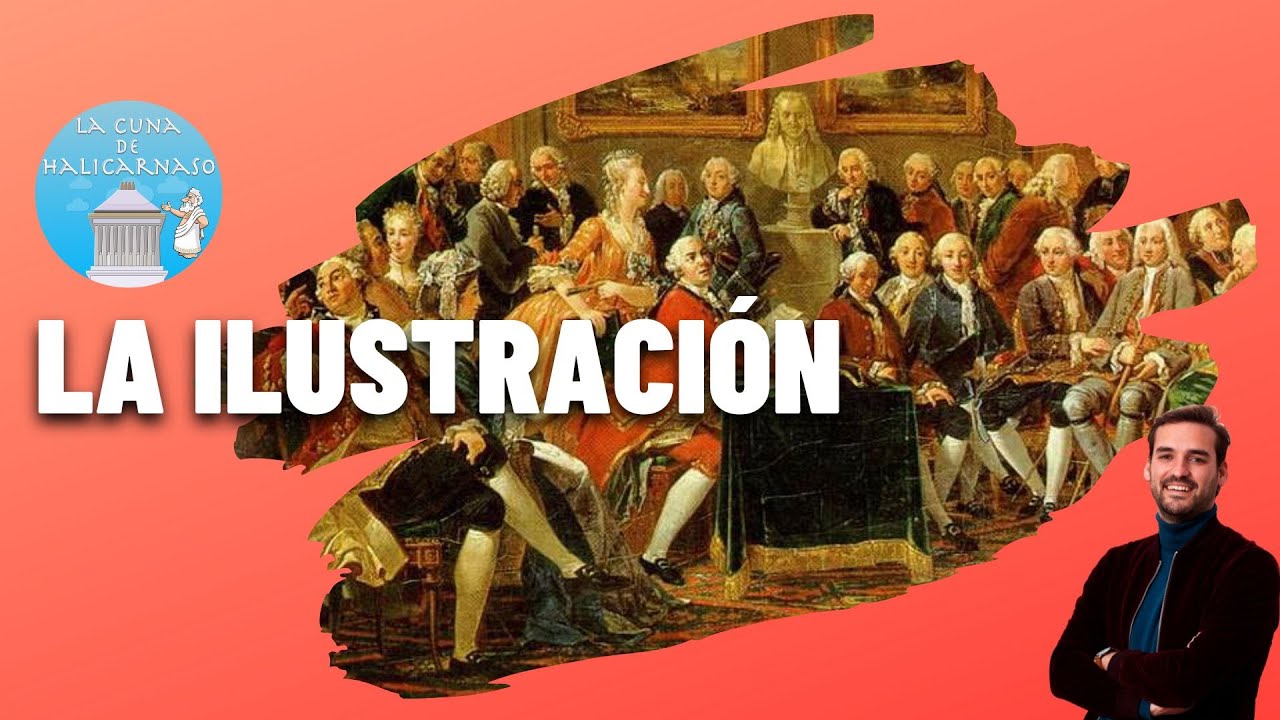
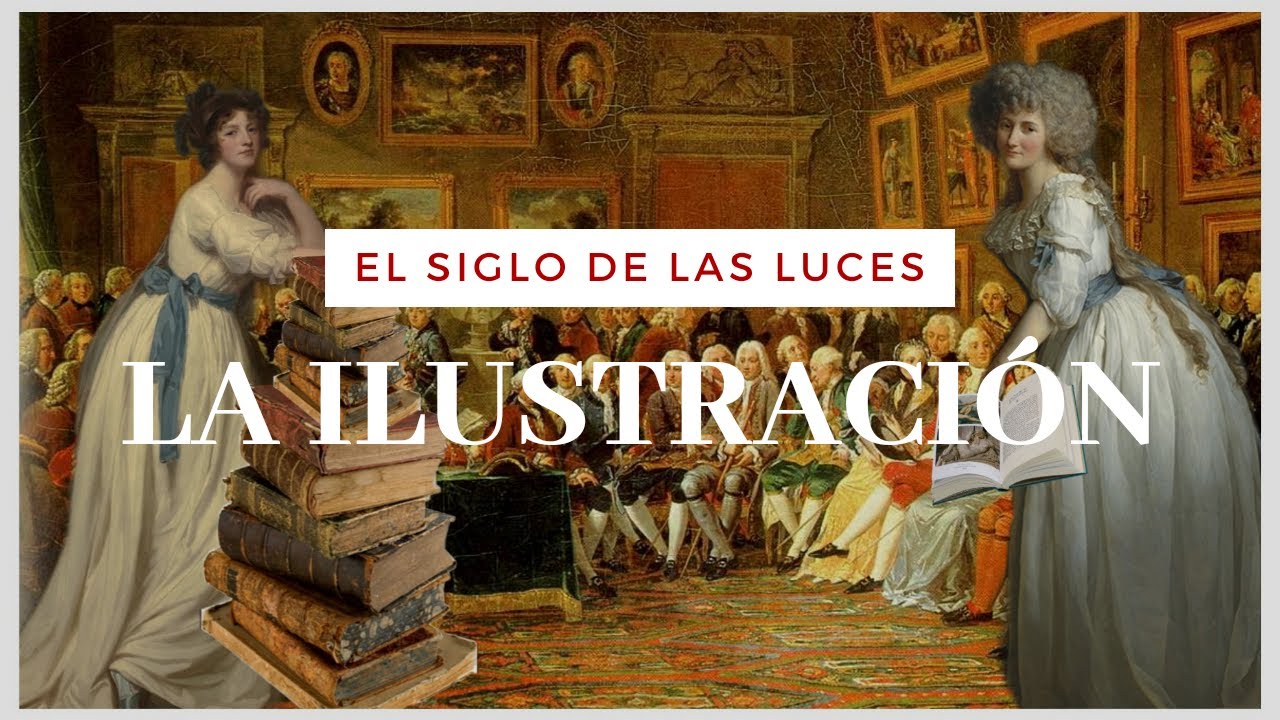
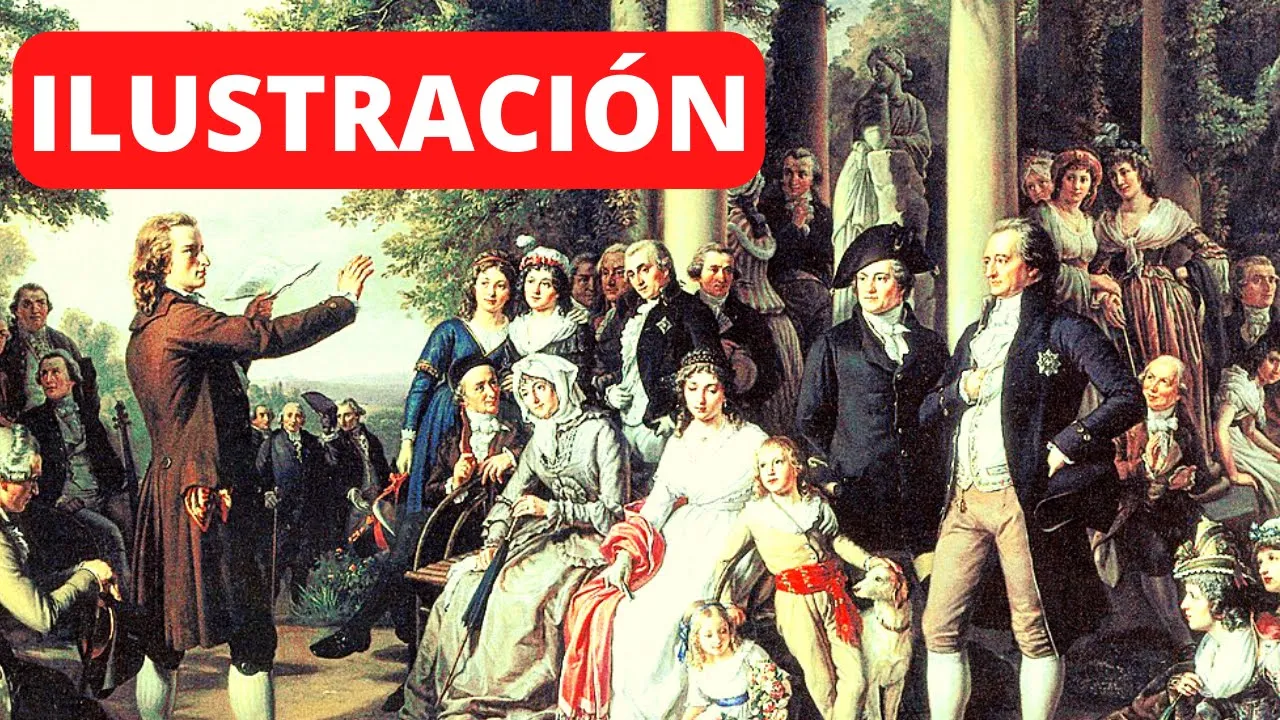
Gatherings were organized during this period, meetings that were very important for conversations between intellectuals and artists, where new authors were read, opinions were exchanged, and political alliances were formed. Historical origin of the Enlightenment The origins of the Enlightenment go back to the 17th century, since in 1686 Principia Mathematica, by Isaac Newton, was published, and three years later the text titled Essay on Human Understanding, by John Locke, was published in 1689 . These two works were fundamental for the development of new scientific knowledge, and for the development of the philosophical tools that were key in the development of the Enlightenment movement .
The Enlightenment did not consist of a completely unified movement, since there were several stages and it had its own characteristics according to the place in which it occurred. So there are differences between the French, the Scottish or the German Enlightenment, to name a few examples of places where this movement developed. Characteristics of the Enlightenment - The main idea on which the Enlightenment was based is that reason should be considered the main source of authority.
- The movement defended the ideals of freedom, progress, tolerance and, especially, sought to separate the Church from the State. - It was intended that society stop being guided by faith and the doctrine that the Catholic religion had imposed, and that it begin to be guided by an order based on science, the laws of nature and observation. - One of the currents of the Enlightenment that was considered radical defended democracy, individual liberties and sought to put an end to the authority of religion.
- The moderate Enlightenment wanted rather a change of powers between traditional systems and faith. - Despite the differences between the enlightened currents and between the places where the movement took place, they all share the fact that science acquired a very relevant role in the thought that existed during this period. - Thanks to the Enlightenment, Western politics was modernized and modern democratic systems could be created, since the power of the Church was diminished and the separation of the State and religion was promoted, thus raising rights and freedoms that did not exist before.
Consequences of the Enlightenment - With the Enlightenment, the traditional forms of power were severely questioned and it was argued that the government could be more rational and constitutional, separated into three branches: executive, legislative and judicial. An example of this change of thought was presented with the victory of the American colonies , which gained their independence in 1776, since their government immediately established the separation of these three powers. By the middle of the 20th century, this way of governing had already spread to a large part of the world.
- In the Age of Enlightenment, the rights of human beings were also promoted as a fundamental goal for a more just society. The religious and political organizations of previous periods had defended a hierarchy on which the system of government was based. - When governments were questioned, and their supposed divine right, everything changed, so the State began to organize itself in a different way.
Various thinkers contributed to establish and clarify fundamental rights, such as the right to life, liberty and property. All this allowed the constitutions that today govern many countries to be reached. - New scientific theories and advances in all fields of knowledge have allowed life to be understood in a different way, as well as nature and the world.
- Religious explanations were passing into the background, to give rise to rational explanations about the functioning of the human body and everything that surrounds us. This gave rise to later currents of thought that no longer explained reality from divine figures or deities. Representatives of the Enlightenment Isaac Newton (1643-1727) - English scientist responsible for the discovery of the force of gravity, which explains how bodies are attracted to each other due to their mass.
René Descartes (1596-1650): he was one of the enlightened moderates and was the one who came up with the first approach to mind-body dualism. In addition, he promoted the scientific method based on observation and experimentation. It is common for this French thinker to be mentioned as the founder of modern philosophy.
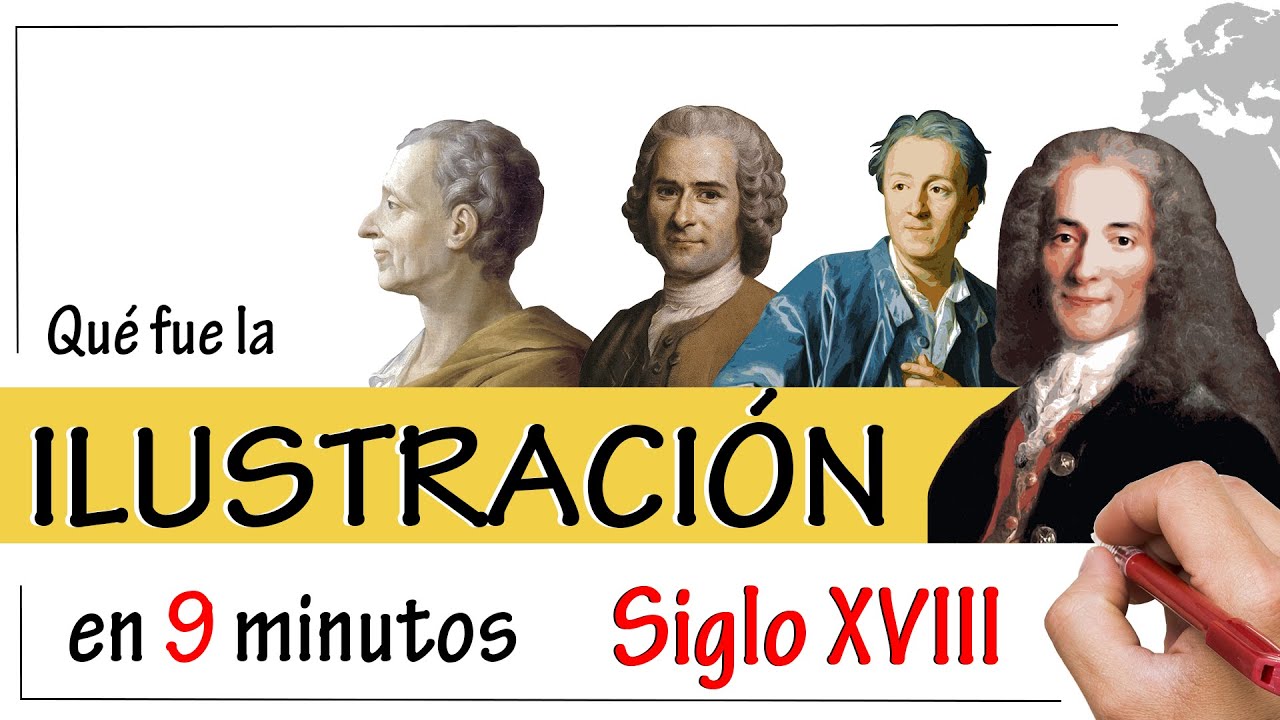
Montesquieu (1689-1755): the important consequences of the Enlightenment movement in the field of historical and political theories are due in large part to Montesquieu, the first French thinker of the Enlightenment. Voltaire (1694-1778): was a defender of freedom of religion, freedom of expression and the separation of the Church from the State. He was known for being a versatile writer, as he produced a set of literary works, plays, poems, novels and essays.
Adam Smith (1723-1790): known for being a pioneer of political economy and a key figure within the Scottish Enlightenment. Immanuel Kant (1724-1804): was a German philosopher who attempted to reconcile rationalism with religious belief, and individual liberties with political authority. His work influenced all of European philosophy, beyond the early 20th century.
Mary Wollstonecraft (1759-1797): This enlightened thinker advocated that society be based on reason and that women be treated as rational beings, on an equal footing with men. Thomas Hobbes (1588-1679): was an important English philosopher who wrote a work entitled Leviathan, which was a determining influence on European liberal thought. He was of the opinion that political power should always be based on the consent of the people.
Anne Conway (1631-1679): was an English philosopher who wrote a text called Principles of the oldest and most modern philosophy, a work in which she describes a unique metaphysics in which the body and mind are deeply united. Antoine Lavoisier (1743-1794): He was a French chemist who is now considered the father of modern chemistry and who had a great impact on both chemistry and biology. Emilie du Châtelet (1706-1749): was one of the few women who managed to acquire advanced knowledge of calculus at that time.
She was interested in various disciplines such as philosophy, physics and other scientific fields. Yekaterina Romanovna (1743-1810): was a very influential Russian noblewoman, who had great weight in the Enlightenment and who was a close friend of Empress Catherine the Great. She was the first woman in the world to head a national academy of sciences.
Olympe de Gouges (1748-1793): was a French playwright who managed to reach large audiences in different countries with her texts on women's rights. During his life he was committed to various political causes and opposed slavery. We have already reached the end.
As an exercise to see if you have understood the topic correctly, leave in the comments a representative of the Illustration and what is the main idea of the Illustration. Give a like if you liked the video, share with your friends and subscribe to receive other interesting videos like this one. Happy day, see you soon!