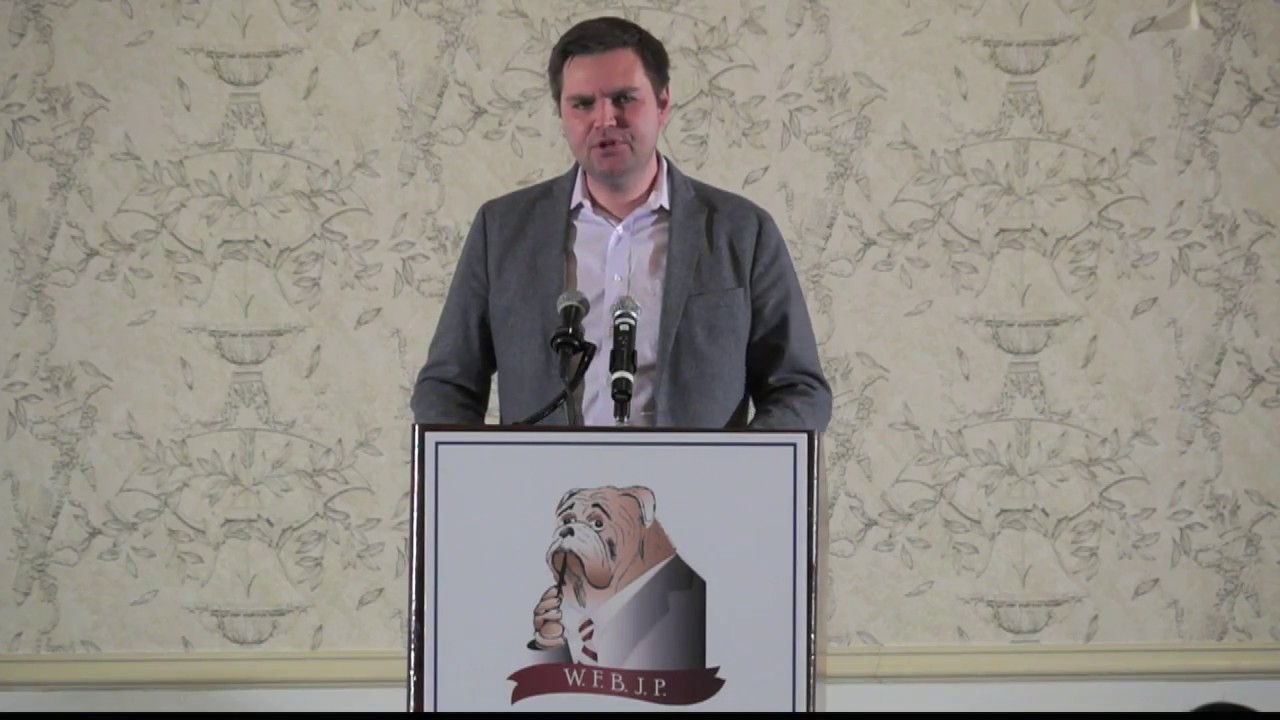
On behalf of the world affairs canada council i'm allyson arieff your moderator for this evening it's my pleasure to introduce tonight's distinguished guest dr anthony townsend anthony is a research director at the institute for the future and a senior research fellow at new york university's rudin center for transportation policy and management he is the author of smart cities big Data civic hackers in the quest for new utopia previously he directed research on urban technology and crisis communications at nyu's tobe urban research center and was a fulbright exchange scholar at the soul development institute in south
korea he was also one of the original founders of nyc wireless he holds a doctorate degree in urban and regional planning from mit a master's in urban planning from nyu And a bachelor's in urban studies from rutgers university please join me in welcoming dr townsend for a discussion of smart cities well thanks everybody for coming out tonight um just want to talk for about 10 minutes about the book just to give you a sense of you know how i see the city and the forces that are shaping it going forwards and smart cities is really
about what happens when cities take over The world and when computers take over the city um you know urbanization and ubiquity of technology if you will um which is actually the title of the intro which um i think lays out the big important ideas and when i finished the draft of the book about a year ago i went back to to write a few pages to kind of set Things up in the beginning and i realized that um you know we kind of already crossed over into this future we're about five years into it because
in 2008 there were three really important thresholds that we crossed globally the first one which has been very well publicized is that the world's population is now predominantly urban so around the end of 2008 for the first time more than 50 percent of people Worldwide are living in cities basically that all happened in the 20th century so you know 1900 world's population is about 10 urban 90 rural three or four generations later um it's it's predominantly urban so that's a big deal um because we're on our way to at the end of the 21st century
in 2100 being about 90 percent urban worldwide With a population that's probably going to be close to 10 billion people so what that means is in the next 100 years we have to build cities for as many people as we've built in all of human history to date so it's a pretty amazing construction project that we and our children and our grandchildren are going to see um the other two things that happened in 2008 relate to technology and for the first time there were more mobile broadband lines worldwide than than fixed wired lines and so
um you know as we're becoming an urban species the internet is becoming untethered um to use a fantastic word that the u.s military actually uses to talk about mobile communications and then the third thing that happened this third threshold was That for the first time in 2008 and we didn't know this until until a couple years ago cisco systems down in san jose published a study saying that in 2008 for the first time there were more things connected to the internet than people so you know grad students uh hooking up their coffee pot to facebook
um you know buses with gps trackers so that cities can can Uh can map the location of buses and tell us when they're going to arrive and that's a really um important development because it tells us that the future of the internet isn't about creating these virtual non-geographic places where we go and talk to each other it's about stuff in the physical world uh you know that's that's near each other talking to each other and really about instrumenting All the objects and buildings and infrastructure in a city to be smart and that's really you know
where the title for the book comes and so what's exciting about this i think there's a lot of people in different walks of life and institutions i'll talk about this a little bit what's exciting is that you know we know that urbanization is driving global economic growth it's Driving the rise in carbon emissions that's that's contributing to climate change so in a lot of ways urbanization is part of the problem but it's also part of the solution and uh i think that um you know there's a lot of hope that even as we um kind
of uh are going through this really uncontrolled period of economic Expansion that we can we can do it in a much more intelligent way and put systems into the city that will undo some of the some of the bad consequences of that and so when you hear people talk about smart urbanism or smart cities or smart growth they often talk about a lot of things you know good policies good urban designs walkability biking that kind of stuff when they say smart and i took a much Narrower definition of it for this book that smart smart
cities are cities that are using information technology to address timeless urban problems and the reason for that is i don't think technology is the silver bullet or band-aid that's going to address all the problems that we face in this century of cities but i think it is a big part of the solution And it needed to be treated separately so basically you know the way i like to think of the book is that it's kind of a political economy of this smart city movement looking at all the different stakeholders um big technology companies uh startups
uh what i call civic hackers where people that are basically um you know crafting their own technologies to address the problems That they see local governments are very active city of san francisco is one of the i think leading lights globally in terms of trying to to use technology and then i actually have a whole chapter that is about the urban poor both here as well as in the developing world and that's actually where the book started in 2010 the rockefeller foundation Approached uh the institute for the future and asked us to do a 10-year
look at the future of what they framed a city's information and inclusion because they were really worried about um you know they were excited about the opportunity to use technology for economic development to create opportunities you know if you look at what's going on with mobile phones around the world they Really are the world's computer and poor people all around the world are using these technologies to create a livelihood to get access to health information but they were also worried that um you know real estate developers land speculators corrupt officials would be using these technologies
as well to exploit the poor and and create new exclusions And so um you know that that whole notion of um do people have access to technology and the digital divide you know we really saw this just a way too simplistic way of looking at the problem that it's actually a lot more complicated than that so you know a lot of it sounds like it's kind of a really futuristic book there's a lot of technology i really went to great lengths to Explain it in in terms that the layperson can understand but this stuff is
is complicated most of it's invisible you don't see it it's not like the urban transformation in the 1950s and 60s when we were plowing expressways through vibrant urban neighborhoods and displacing hundreds of thousands of people you know the the the displacement in the Smart city happens when someone fires up a computer program or turns on a sensor um or you know changes a number somewhere in a piece of software and all of a sudden uh resources are flowing in a different direction um but since so this stuff is futuristic but i think the most fun
that i had was actually digging into the history of smart city and realizing that cities and information Have always been part and parcel of the same phenomenon of our civilization you go back to the earliest cities in mesopotamia in the middle east and you know it wasn't until nomads settled down and became farmers and started forming villages and towns that they invented writing because they had to start keeping track of all the laws and the religious beliefs and who Owned how much grain that was stored in the granary and as cities have grown throughout history
they've challenged us to create more and more sophisticated technologies to count and track and analyze what's going on and my favorite example of this is um uh in the united states in 1880 um us is i mean at the peak of the industrial revolution chicago new york philadelphia i mean These cities are growing faster than anyone has ever seen cities grow before and congress is basically a bunch of uh rural landowners and they're seeing immigrants show up speaking strange languages living in tenements and and they're completely freaked out by it and so and the economy
is changing very quickly as well so in 1880 they issue this massive expansion of the u.s census That generates so much data that it takes seven years to tabulate the results so they're coming up on 1890 and they haven't even finished counting counting the last one and they know that 1890 is going to be even worse and basically the results will be out of date and so they call upon an enterprising former census clerk a guy named hermann hollerath who had developed he saw this problem Coming and he had developed a electromechanical machine that's about
the size of this podium had a bunch of dials here and it was a punch card reader and it allowed the census bureau to do the work that had taken seven years in about a year and a half and it was a really just a revolution in information processing and he started leasing these machines to the census to Governments all around the world to do their own censuses railroad companies were using it to manage their far-flung empires and it really starts to revolutionize business and government and he starts a company which through a series of
mergers and acquisitions ends up becoming ibm and really transforming the world as we know it um and what's interesting is that ibm Since 2008 when the recession hit and you know their corporate customers stopped spending and started hoarding cash and government started spending stimulus money ibm has been the most vocal voice promoting this idea of smart cities and using information technology and big data as a way of getting handle on cities and so it just kind of blew my mind that you know the company that wants to use Technology to rebuild cities now is is
one that um uh was formed at the birth of our own kind of urban culture here in the united states um the last thing i'll say about the book is that um you know it's really global uh in perspective and um you know people always ask me what's the smartest city on the planet right And um yeah if i was really cornered i would probably say singapore i mean no places use technology uh to change uh to change the city more than singapore um but in all seriousness usually what i say to them is it's
the one you live in because most people in the world are kind of stuck where they are i mean there's a lot of migration but for the most part people people are stuck where they're born Particularly in the developing world where i think a lot of the problems are really going to be most acute and you kind of have to deal with the situation that you're given and um you know take the technology that's available and address you know the problems that are that are um that are really pressing for you and so i mean
the book is kind of a whirlwind tour Around the world of places um where people are coming up with different ideas about how to use technology to fix problems and then sharing them between each other and there's a really rich international trade in these innovations right now but places like rio london barcelona bangalore and india seoul and south korea i mean these these are really the places where um you can see Bits and pieces of this future uh urbanism uh showing up so um that's sort of my overview of of what i thought was important
and why i wanted to write this book and share it with everybody so um i think we'll move to some some discussion now thanks so i was telling you uh in the green room that i was at the smart cities conference in Barcelona last fall and huge huge event uh that is mostly there to showcase really innovative trash bins and bike share stuff like that but the electricity went off during someone's panel begging the question what happens to a smart city when the electricity goes up nothing yeah i think so i look one place where
you can see that Really starkly is in the photographs that came out of tokyo after the tsunami and you know japan had basically lost a significant chunk of its electrical power probably one of the most um i mean even 20 20 years in in a deep recession you go to japan and it still feels like the richest country in the world i mean it is such a technologically sophisticated Society um and to lose your electrical power in that situation and see the bright lights of shiboya crossing which is tokyo's version of times square completely blacked
out due to power rationing i think really hammers home this notion of can you can you build a technologically enabled city that can fail gracefully rather than blacking out maybe it can brown out a little bit so Um you know maybe that the traffic prediction uh algorithms don't completely shut down they just they just get a little slower or a little less precise or the smart water system doesn't completely stop pumping water maybe just the pressure goes down a little bit and there's a lot of people in industry that are trying to understand um how
they can do that but it is it's something that they have to be asked to Do because it adds cost to this and you know i worry in a world where you see yahoo not securing our communications and letting the government kind of have free rein on it because they don't want to spend the two or three or four percent extra that it would cost to use encryption it's it's a tough world um i have a whole chapter on this stuff i love the bugs in smart cities Um you know like when you see like
a public display that's showing the windows blue screen of death um you know the crash screen from windows and it's just like wow i mean that's the piece that they're showing us and that doesn't work what about the stuff that's controlling you know the air conditioning or the elevators and so i have a whole chapter that looks at sort of the risks and unintended Consequences of smart cities that this is like my tom friedman chapter it's called buggy brittle and bugged and bugging in the sense that we're doing this very quickly and there's going to
be mistakes made we're going to have you know things like y2k that are going to cost a lot to undo they may they may hurt people um certainly cause economic damage right so You know we've just been through this two or three days strike on bart um you know which which got resolved thank god but 2007 um there was a software upgrade on bart that shut the system down for a couple days and cost hundreds of millions of dollars and lost productivity so um these are the kind of things that like we really need to
anticipate if we're going to do this well i wonder If it's feeling like there's enough people focusing on that end of it though it's i went to another fascinating conference that they didn't call it this it was another smart cities conference and it was actually on procurement and i realized the reason they didn't call it anything to do with procurement is that no one would have attended but so many of the issues that smart Cities as a huge umbrella needs to solve are really unsexy issues like government procurement i'm going to i'm going to try
to make the procurement sexy because it is so important um because it really speaks to how cities uh source innovations right um and my perspective on this is informed by a very brilliant guy Who's based in barcelona named sasha hasselmeier okay he um he started a group called city mart and where sasha comes from is basically having worked with tons of startups all around the world that have fantastic technologies urban technologies parking payment apps for mobile phones or navigation systems for blind people that you know have incredibly precise Maps that you know will guide them
like down to the center meter and it knows whether the sidewalk has a has a you know an accessible ramp or not um and these companies go bankrupt trying to sell the solution they developed for their home city to other cities around the world because the way cities don't buy technology like a company does they don't look for the best-in-class Solution and and then you know cut a deal they don't look around the world they look for the guy that they went to high school with or um you know the company the local company that
that might be able to do this even if they're not the best in the world of doing it and basically every city ends up getting a really poor version of The technology that's developed by a local company that may or may not really have the the chops to do it well um and they they replicate each other's efforts they reinvent the wheel they get um mediocre uh technology that citizens kind of shun because it's not very good and my favorite example that he uses is in germany uh like the 24 28 largest cities in germany
All have their own mobile parking payment app and so not only do they all stink but when you drive from one city to another you have to download a new app to pay for parking and it's just a really kind of ridiculous situation and what he's trying to do is get cities to um basically evaluate and endorse the companies that they work with and let other cities see you know like okay um san jose bought an App from this guy and it was the best in the world so i'm just going to work with them
instead of so it's basically it's like a peer referral network for cities around smart solutions it's it's really interesting dilemma though because on the one hand you could move towards that and get the referral from someone who's done it right but then on the other hand As you mentioned you have the ibm or the cisco who wants to sell this massive software package and is there sort of a middle way between you know a city committing to something that may sort of be obsolete as it's being implemented on such a grand scale or yeah no
i mean i think the way to think about it is um you know should cities have to go to um an ibm Or cisco or siemens every time they want to do something smart because those are the only people that can sort of tap this global pool of innovations and and bring it to a city or should they be able to do something like go to an app store like we all do when we decide you know we want we want a piece of software um and i think citymart's model is is to be the
app store for smart cities and i think um you know i think it's the Right model because the innovation is all coming from the grassroots right now i mean if you look at one of the companies i write about in the book is called c-click-fix and this is two guys in new haven connecticut who wrote the app that hundreds of cities are using now um as their interface for their their 311 system um and allows you to complain you know About potholes and if i complain you can give it a thumbs up and you can
sort of vote the issues to the top and you can see what government's doing about it there's an accountability piece there and it was two people who were fixing their own problem and i don't think anyone at ibm would have ever set out and said hey we should build a 311 app Because they weren't asked to do it so what have you seen in terms of positive developments i think that see click fixes is one great example uh there's i think increasingly ways for citizens to express their whether it's a complaint or suggestion etc what's
helping the governments to respond to those complaints have you seen any sort of smart city innovation that's Helping it from the other end i think um it's a really interesting tension because um citizens are starting to expect out of government the same level of customer service and same level of repeated constant innovation and product improvement that they get from the private sector so i mean you know right like the new ipad came out today like that's we're starting to expect that From government right um and they have absolutely no capacity to do it um in
fact their capacity is shrinking because budgets um you know every city in the world right now is operating in sort of a fiscal emergency and that is true in the u.s it's true in europe it's true in china and so what it's doing is it's forcing cities to get incredibly creative About how they spend their own resources and how they leverage external resources and san francisco jane nath here in san francisco is doing an amazing job trying to figure out how to leverage the tech community to do things for the city and to you know
have a strategy and a road map that shapes that boston is a city that i write about a lot in the book that has created so tom menino has been mayor in boston For i think almost a quarter century he's leaving office at the end of the year and boston magazine in the 90s called him the urban mechanic because he loves to like really get in and tinker with systems and change things and sort of roll his sleeves up and about three years ago he set up a task force that was really his smart city
task force it's called the office Of new urban mechanics and it's a handful of people with pretty minimal budget but their job is to basically run around and find you know groups in government whether it's in schools or uh you know health services they're having pro that have problems that they can't make any progress against and then to just pour resources on to leverage Grants from foundations to leverage pro bono services from the private sector and to like really solve problems quickly not always using technology but but often using technology and what i say in
the book is that it's the first smart city framework that i had seen that looked like it was designed by a political scientist and not not an electrical engineer it was really Designed to be problem focused and citizen focused um and so just one example of something that they did actually working with code for america which is based here in san francisco boston was having a very difficult time with their school choice program and the process for figuring out what schools your child was eligible to go to were really complicated it was like the 17-page
Brochure that had all these diagrams and yeah probably um yeah i think a lot of cities are grappling with this and um you know it's a very complicated system the boston globe was giving menino a lot of a lot of hell about it and you know the new urban mechanics is basically to come in uh able to come in within a matter of months deploy an app that would basically let people just Type in their address where the siblings were going to school and it was it would spit out the list of eligible schools um
it wasn't the website or the app that was so exciting it was how fast they did it because again back to procurement they didn't have to issue an rfp they didn't have to evaluate 10 different companies they had their own task force that could just go build the thing And get it running so it wasn't obsolete and out of date by the time it actually reached citizens and i think that way of thinking is is a really new thing for a lot of local governments and um it's it's it's what's it's responding to um you
know our experience in the marketplace companies you know this is how companies work this is how they deliver services to us and Um you know again i think we're starting to expect that out of government uh the boston example is heartening uh because it sort of brings to mind what's going on here for example there's a plethora of fantastic apps that will tell you what time the menu bus is coming but that no amount of great apps are going to fix the fact that your bus is probably really late And it's really dirty and it's
really slow so do you feel that the rush to create these albeit helpful apps is a good thing but then is maybe neglecting sort of a larger systemic problem that that all the enthusiasm for the technology sometimes can't really get at or they sort of choose not to or do you see that changing at all well so i think there's a whole bunch of things To dig into here but one of the really interesting things about real-time government data and transit systems i think are the ones that have really made the most progress because you
know the real-time data is so valuable um is is that they um all that real-time data makes you start thinking about long-term issues and Um again back in boston there's a uh one of the first sites that was that was built using the the real-time arrival data from from the t was called how screwed is the orange line and it was just a site you would go to and would tell you oh it's pretty screwed it's it's not really screwed it's really screwed it's actually there's another version that's more profane than that um but um
I started looking at that i was like no one's going to use this to find out when the next train is coming like this is this is to draw attention to you know are they investing in maintaining the rolling stock are they are they investing in track are there labor issues that are causing these delays and it starts to make you think about the system and not about you know just me as an individual who's trying to get something Done and i talk about this in the book i call it thinking long term in real
time and i think um fundamentally these real-time streams of data about about what's happening in cities are going to change the planning process and i think they're going to empower citizens and activist groups and and community groups to start um uh you know commencing the Planning process rather than just responding to uh government plans and if you look at like um some of the dashboards a lot of cities around the country have been putting up these performance dashboards i think los angeles is the most recent one you know it's all the different operations of the
city it shows you sort of the recent past and and current Performance and it boils it down you know to like an icon it's a green icon for getting better a red one for getting worse and you know these things are on the web now but people are going to start pushing that information out into the places where people have conversations about politics and about community fairs in the corner stores in the barber shops and the churches and people going to Have that in the background and they're going to get angry and they're going to
get mobilized and they're going to they're going to they're going to want stuff and i think it's really fascinating and i'm doing a lot of thinking right now particularly around transportation planning how we're going to prepare our government institutions to respond to That because you know these are organizations that think in in terms of decades and to be able to respond to you know very fast emerging very well informed citizen demands is going to be a real challenge for them there's a lot of questions about transportation i want to ask a little bit about privatization
there's a great sensitivity Right now about all the private corporate shuttles that happen right now there's several new smartphone-enabled car sharing services there's a new company starting that's going to sort of replicate certain muni routes but it's a jitney i think it's going to be six dollars to go the same route that muni would cost you two dollars instead and so the concern is with all This private transit that maybe that transit advocacy for the the greater good is is going to decrease is that yeah i mean san francisco is ground zero for this stuff
right now um and and i think it's fascinating the capacity for innovation that you have paired with the total incapacity to deliver performance on the government side There's really nowhere you know where you have like such extremes um but and i've been following this debate about the the marina shuttle downtown shuttle and i think those are all really valid issues but what i haven't heard which is what a lot of people are talking about on the east coast is that that kind of innovation in transit is is not the exclusive domain of wealthy People with
smartphones i mean we have hundreds of thousands of people a day in the new york area um riding on dollar vans that they summon with sms and they pay for you know with pocket change and they get better service than i do taking taking mass transit there's a lot of issues around safety and you know labor practices and and Passenger safety there have been some you know sexual assaults and things like that but um you know i think it really speaks to um you know innovation is not the exclusive domain of well-off people i think
there's a lot of um a lot of very creative entrepreneurs who can patch those gaps for poor people as well As rich people okay for sure it's funny i don't you can't really call the university of the future a smart university in the way you would call a smart city smart city but you get my meaning i feel that there's a lot of parallels right now between debates happening in education and in cities and that technology seems to be the solution give Every kid an ipad everyone takes a an online course instead of going to
college do you see those parallels happening and is this just sort of the time we're in that there's so much technological innovation that that's kind of the de facto solution for whatever challenge people are facing yeah no i mean i think a lot of people are saying and this is also a very um i think silicon valley View of the world um you know higher education is ripe for disruption i don't know you know higher education is more or less unchanged since medieval times it's a pretty resilient institution um you know it's outlasted governments and
several world wars so i think um i think higher ed still has some some fight left in it but um you know it's at the end of the Day higher education is um it's like the ballet there's no way to make it more productive one year to the next and so relative to the rest of the economy it keeps getting more expensive i mean it is a performing art and i think i'm more inclined to see to see sort of innovation at the edges of particularly higher education You know um making making um you know
the the time that you spend outside the classroom more productive um i'm involved a lot with new york university which is um probably the most intensively used university campus on the face of the earth and the way that they've improved productivity is by scheduling 7 a.m to 7 p.m 365 days a year continuing education Um i mean there's so much there's so many ways to make a university more financially viable than by putting it on the internet and sending everyone home and you know the the initial set of results from these massively uh online open
courses is that nobody's learning anything they're really not performing well and so um yeah i think it's a bit of a hype bubble that's Sort of in the process of popping and that's why i think it's sort of a similar thing just as the ciscos and ibm's like buy our big things this is you know the same kind of large entities that are oh if you do this then in this mass scale a great question i think relates to a lot of stuff you're talking about is where do state and federal government systems fit into
smart cities it seems to me very much that Smart cities have kind of enabled the the mayors to shine in a way they haven't before and maybe you could speak to that well i mean the united states is a country that doesn't really have an urban policy at the national level although we're sort of flirting with the idea of having one right now under this administration um and so You know a lot of what happens with states is is states are very parasitic of their their big cities um you know they in the same way
that um you know there's a handful of states that somebody showed a slide the other day which blew my mind it was um you know states that uh get more money from the federal government than they give back And it was basically like a blue state red state map and the slide was called red state socialism it was really funny um but you know i think states sort of you know feed off of their most productive cities so a lot a lot of times what you see is states kind of interfering with innovation at the
local level and and the number one area where that has happened talk about quite a bit in the book is Around public publicly owned internet services whether it's wi-fi or fiber and probably half the country right now it is illegal under state law for a city to get involved in almost any way in building telecommunications infrastructure and this was a fallout from what philadelphia tried to do in 2004 and 2005 Under john street um and build a city citywide wi-fi network to break this duopoly of of cable and and telco that was you know artificially
inflating prices and slowing slowing speed of deployment and you know the telecom industry went out and lobbied every state in the country and got these laws passed that you know basically blocked Cities from from doing this and it's i remember at the time one of the ftc commissioners said you know this is this is like as if a bunch of book publishers went to the state legislature and said public libraries are a terrible thing we have to ban public libraries um and uh and he he literally said this is an insane policy um but it
was enacted um the federal government Um i think with the exception of the the btop program which was a the broadband piece of the stimulus bill which funded a bunch of very successful projects that have become models including chattanooga tennessee's project where they the electric power authority there which is owned by the city as as many are throughout the country used the stimulus money to run fiber optic Line to every building in the city every home every commercial building and now this kind of third tier backwater city um is is probably got the fastest internet
service of any any place in the world and there's actually some growing evidence that it's now resulting in relocation of firms and startups and things um google's fiber project in kansas city is another example of that Um you know there's a lot of evidence that people are moving to kansas city to start companies so they can have access to this next generation technology and understand what it's useful for um uh both actually it was originally just kansas but then google decided to expand to both cities and yeah so other than the broadband funding the federal
government really hasn't Gotten very involved and there's one particular area that i really have a bug about because i live just across the river from new york city along the waterfront new jersey and uh after super storm sandy last year we lost all power and telecommunications for like eight days because the cell networks all went down there were four thousand cell towers just in new york state that went down a couple thousand more in New jersey um and this is this is how we communicate this is like the nervous system of our society um and
we had our fire department was sending um foot messengers across across town to get information around um and it's totally unacceptable state of affairs you know when we need these networks most they fail us and chuck schumer the senator from new york You know very angry a month after the attack bang you know demanding that the federal communications commission do something about this and make the wireless carriers put bigger batteries and generators on their cell sites and you know these guys are sitting there with their tens of millions of dollars that they spend on campaign
contributions and Lobbyists knowing that they were never going to be required to do anything differently and i think that's that is just a total failure of the federal government to ensure that we have the communications that we need in the event of a large disaster and i mean god forbid you know when when the big one comes out here because you're not going to have communications Um i mean you know the government will have some emergency networks but that the millions of people that respond to a big disaster are going to be totally cut off
um they're going to be more anxious and freaked out because they're cut off and we see this time and time again every big urban disaster now that the wireless networks are the first thing that go um even though they're the most critical So so uh to speak of other technological failures does the affordable healthcare act fit into this whole yeah i was thinking about this today um i'm not an expert on on that stuff but i think what you can see um in this this website um you know yeah debacle i guess that's been happening
is a couple different things but i think the complexity of big Information infrastructure that sort of interacts with the physical world and large numbers of people is something we haven't quite figured out how to do yet and i see you know real canary in the mine shaft there for smart cities that um you know even even you know consultants that uh should be able to do this well aren't able to do it well and governments aren't able to evaluate That they're not doing it well and so they launch the service even though no one's really
quite sure if it's going to work or not so you know that to me that to me was was kind of the um and this notion that you would have single points of failure is one that i get into a lot in the book there are a huge number of services that we all use online every single day um that are housed in a handful of buildings in northern Virginia and the pacific northwest because northern virginia just because of history that's where the internet the crossroads are pacific northwest because there's lots of cheap electrical power
from from the dams and uh this you know came to light um in 2011 waze this company that google bought this summer for a billion dollars it's a crowd source traffic and Wayfinding app ways actually started in israel and it was incredibly popular in israel um the point in the summer of 2011 like half the country was using ways as their gps or half the drivers and there was a big thunderstorm in northern virginia a couple trees got knocked down fell on some power lines and they knocked amazon's data center offline Meanwhile in israel several
million people all of a sudden lose their directions and their navigation system and their traffic information because waze was using amazon as their their cloud infrastructure provider and so a tree falls in northern virginia and israel suddenly is locked in gridlock for six hours um these are the kind of things that we're going to be facing i Think on more or less constant basis there are a lot of people outside the u.s that are really wary of how dependent the world economy is on a satellite system that's run by the us air force the gps
system and not being run very well by the us air force i mean these satellites are old they're not being maintained and replaced on the basis that they should Be and that the event of a um the risk of a global gps meltdown is like almost a certainty at this point it's just a matter of when and so a lot of people are thinking about um there are competing systems the russians have a system chinese are in the process of launching one the eu has one about you know designing devices and services that you know
are at least ready to to go over to Those other networks if not using them all the time it does feel even with these things that happen that we all sort of have this assumption of safety and and and security and one it seems to me that you know the affordable health care website will get itself worked out but then well sort of the the like hack into the public record the the medical records of people who signed up For it sort of be the next thing and i wonder if you can speak to the
role of privacy in in the i mean which is obviously vast in this subject but something that you must have come across in a million contexts it's it's so pervasive that um you almost can't talk about it um because it um and that buggy brittle and bug chapter i finished writing that before edward snowden started making his Announcements and i kind of wish i could go back and rewrite it because the world i described actually looks pretty privacy conscious compared to the world he's describing um and i think you know if you look at um
you know chinese hackers were inside google for a year before they figured it out i think you can pretty much just assume that There really aren't any walls anymore and all of that information that's being recorded is available to unauthorized person unknown unauthorized persons and that's scary so the question is what do you do about it probably the most interesting thing that i've seen at the city level is a project it's being run by a foundation in dc called new america Foundation it's very active on telecom issues and spectrum policy and it's called tide pools
and basically what it is is it's it's think of like google maps but running off your wi-fi router at home so it's it's a local community mapping app that stores all the data that people put into it on your local network it doesn't Send it up to the cloud it doesn't send it to google to apple and it's a parallel to this whole movement around there's at least a dozen projects startups that are trying to create personal data lockers so rather than just giving all my data that i create to facebook or to twitter i
would selectively release that when i want some service that they can give me Based on that data and this is sort of think like the neighborhood or community level equivalent of that and it's really interesting because it builds off a really rich literature going back a couple decades in community economic development around what they call asset-based development and there's a group of scholars mostly out of chicago who are saying You know if we're really going to think about economic development in poor communities we have to stop talking about all the things that they're lacking and
start talking about the things that they have and totally change the conversation around the assets that they do have a lot of this is long before social networks online but a lot of it was about social networks and Relationships and focus on the healthy families that are working well and try to you know build off of that and um you know this is basically this is like the google maps that builds on that tradition and that approach to development and you know i think the aspiration is that one day some business may come knocking and
say hey i'll pay you To use some of that data because i need i need data to run my business i need data about your community to offer my service there that may not happen here but if you look in the developing world i think it's very possible that you could have um you know slums of a couple hundred thousand people deploying this kind of system and then saying hey you know vodafone or orange or Google if you want to offer your services here you got to buy our data you can't just have it for
free i think it's a really interesting vision um that would address so many of these concerns around privacy and security so we've been talking a lot about the cloud let's talk a little bit about sort of being on the sidewalk a lot of this data is being incorporated into apps and some Little messaging to your start smartphone that you could be walking down the street and you get this little message that says anthony you would really like to have you know pizza at this restaurant on valentine 22nd you should just stop in sort of telling
us what we want before we know that we need it um how is that kind of experience beginning to affect our Experiences kind of urban citizens walking it's both making cities i think more serendipitous and less serendipitous um more serendipitous in the case in the sense that those kinds of apps and foursquare is actually an app that does something like that um they've just recently it's if you don't know it's sort of a facebook for places and you Kind of check in and say i'm at this place and they can tell you what your friends
thought about that place or um you know if there's specials that you can get there what's what's good to eat and drink um and they've deployed the service now that we'll do that like at 11 45 it'll say i bet you're getting hungry um you know there's some place down the street that you might like because your friends liked it because other users Were similar tastes like it and um in that sense it's gonna put you in situations that you probably wouldn't have gotten into voluntarily because you would have just gone to your regular spot
you've gone to whatever was closest to your office and something that i'm working on right now is trying to understand how services like that are interacting With new modes of transportation like our new bike share program in new york city bike um you know are you willing to try something that's a little further away than you would have walked to because you can hop on a bike share and get there faster and i think that kind of stuff is fascinating because you can start to think all right we can start to redesign neighborhoods around This
combination um you know maybe maybe we can put the libraries a little further out from the subway station because people will know that they're there and they'll be willing to travel a little bit extra because they can go faster and so that lets you spread the value of that train station over a much larger area this is stuff like you can start to attach numbers to it and the numbers are pretty big Financially but in in the other sense um you know the idea that there's an algorithm somewhere that's churning away these instructions to me
about what to do um and you know clearly um it's a marketing technology right um that i think is is somewhat sinister um and uh it's just it's so difficult to detect what like the larger impacts of those kinds of things might might be Added up over millions of times that it happens every day in a city and you know who has access to those i mean literally these people are programming us um through these technologies and um you know there's been a lot of hype uh uh rightly so about open government data over the
last five years um you know san francisco new york these Cities have been putting tremendous amounts of public data online in a single place that app developers can use uh and i think that's great it should continue it should spread but what i'm more worried about than the data that's behind closed doors is the software that's behind closed doors in government and um not only is it so you know the tool that Uh you know uh whatever a school manager uses to draw the district lines or um you know run the lottery that assigns people
to schools or um you know how how social services get distributed or um you know where the police go to enforce noise code software is helping people in government make those decisions but we know nothing about that software or the assumptions That are programmed into it and they probably don't either because they're just buying it i mean it could be some guy in a in a call center somewhere in india that's programming these things based on his life experience um you know engineers make assumptions throughout the design process that get written into code and basically
act like as law now the the scariest part about it is That not only do we not know what those assumptions are is that we have no way of getting to it so most of the open data laws in cities in the u.s actually specifically exclude software code from disclosure it's to protect the vendors that sell it to them we don't know whether freedom of information act or sunshine laws can be used to get access to this stuff and I've actually been thinking about like a test case in new york um if we could you
know identify like a piece of software that we want to find out how it makes decisions you know that we could basically do a foia request and try and get access to it but to me you know we really need to see this stuff so it's almost like if we had like an urban design code that Was being enforced but nobody knew what the code was i mean that's how that's how opaque this stuff is yeah um google glasses good or evil uh evil no really i mean i think i actually tried it for the
first time a couple weeks ago and i i have pretty bad vision in my right eye so it wasn't a very pleasant experience to start with But i just started i was very disappointed i thought it wasn't very intuitive particularly you know in a place like manhattan where i spent a lot of my time i am working so hard and spending so much money to experience that city and now i've got this thing in between me and it and um it's not very useful it's i think it's actually interfering so i think it's it's going
to be a sort of Longer takeoff for that that kind of stuff and just the whole the whole idea of everyone having a different reality that's really what google glass is about at the end of the day and i find that really deeply disturbing as an urbanist because you know it means you can start to people are going to start ignoring place and you know i think you're going to get the same The same impact that you had when people could start driving out of the city at the end of the day and going home
to the suburbs they're just going to stop caring about the public realm and i think that's a really bad thing yeah and it becomes so mediated i walked into a butcher shop the other day and there was a little crew of people in google glasses watching a butchery Demonstration through the glasses but they were right there there was no reason to watch it through another layer i just think that people increasingly have even lost the awareness that they're mediating all their experiences that way yeah i mean the one thing i could say in defense of
glass and and you know google people will say this is it's better to look through the glass than to be Looking at a screen all the time which is what people are doing now and i think i think there's some merit to that i mean you know that technology comes from a fighter cockpit technology called heads-up display the idea is they didn't want fighter pilots staring at the instrument panel they wanted them you know looking up um aside from the fact that you know we would all be Wearing a technology design for fighter pilots which
is crazy but um you know i think that from a user experience information design point of view that's what they're trying to do is they're trying to get your head up and looking at the world rather than looking at a screen in your hand i think there's something to be said for that approach right but also that do you think that there are and maybe This is too difficult to question but do you think there are a diverse enough group of people working on these issues and really kind of defining all the problems we need
correctly and i'll give you an example i went to go visit uh cisco's home of the future about 10 years ago and the engineer was taking me on the tour and he said and there's this great feature you can turn the oven off from The backyard and i said i would no one would ever want to do that you know so are you really thinking about what people actually need is there sort of an enough ethnographic research and there's tons but bloomberg had a quote in one of his exit interviews with new york magazine in
in which he said you would be shocked to see how few people are making decisions about This sort of thing and i wonder if you agree with that yeah smart homes are just like something that has been misunderstood by companies over and over and over again i spent some time in korea in 2004 and you know a lot of these big integrated conglomerates that had both technology arms and construction arms we're trying to build smart homes because korea was the most wired country In the world at that time like 80 percent of people had broadband
internet versus like 15 here and they would build these smart homes with all these technologies and the only application that people actually wanted was a natural gas leak detector they wanted something that would ping them that there was natural because there had been a series of highly publicized gas leak apartment fires because of Shoddy construction practices and so that was what was on people's minds that's what a smart home meant to koreans was an alert tell you if you have a gas leak um and it wasn't even like you could remotely shut it off it
was like so you could run home and shut it off which i thought was fascinating um but um i think in terms of who's doing the innovating i think this is a big big big problem Um uh you know i write a lot in the book about um the interactive telecommunications program at new york university which to me sort of embodies this a smart city where the technology is designed by the people that are using it sort of people fixing their own problems crafting their own solutions using very cheap open source stuff not waiting for
ibm to come in and fix it At the end of that piece you know i interviewed red burns who is this she was actually doing smart cities in the days of interactive cable in the 1970s building basically like skype-like chat systems for for senior centers in reading pennsylvania it's really fascinating stuff um and she recently passed away um but um what she said to me at the end of that interview Was you know i don't understand why more of these kids aren't working on social issues essentially and it was why she had founded that program
and and why she had spent her whole life building it up um she was interested in using technology to address social problems and i think i think that's just an endemic issue i mean you could you could probably categorize all the Apps for android and the iphone and 98 of them were written by white guys under 30 with incomes of six figures or more and um you know i think city governments are finally starting to understand that when they they do these apps contests a lot of cities have done apps contests that they need to
really engage uh ngos in a systematic way Nonprofits community groups around the city to define what the problems are for the geeks to go work on because the geeks will just build bike you know bike route apps and and coffee finders um and it's what happens um and uh you know i think that's a great exploration of what the possibilities are um for building a smart city you know that's designed by citizens but It just needs to be a more inclusive group of citizens and this this non-representation exclusion thing is is endemic to smart city
endeavors and it's really because you know a smart city service or smart city technology it's not like a park you can't just walk in and do it or use it you have to connect you have to Log on usually you have to be literate enough to request what you want from the system in in the right way and those are huge barriers and if you look at 311 systems non-emergency telephone hotlines this is the most democratic accessible smart city service you could possibly design 24 hours a day uses the terminal that is everyone has a
telephone you don't even need to be literate to be Able to use it and most big cities it's available in every major language group yet every city that i've spoken to in new york vancouver chicago 311 is disproportionately used by native english speakers and there's a whole bunch of reasons for this but when you pair that with the fact that a lot of cities are now using the 3-1-1 calls as a as a triage system For where they're allocating these scarce resources think about it you're designing a system that the most privileged people are using
to complain more and get more and if that's baked into the simplest most accessible system everything else is is more exclusionary than that and so i think um one of the things i propose in the book is that we need to basically have something that's like Like the environmental impact review process for every smart city project where you sit and think about you know who's benefiting and who's getting screwed and what are the unintended consequences and how do we develop a plan to mitigate that because otherwise you're just you're basically going to be deploying things
that make inequality Worse and you know that's not good in general but from a political point of view i don't think um you know mayors and and civic leaders are going to want to get caught with that at the end of the day so okay i think i have time for one last question um you spoke at the beginning about cities and increasing populations and how cities are our future That said suburbs are very alive and well and many in need of fixing uh what can all the smart city stuff do for the suburbs yes
i think the most interesting trend right now is around automated vehicles going back to google because one of the the big issues that we're facing with the suburbs is boomers aging in place or boomers not being able to age in place You know and the day will come when your vision goes your legs go maybe your mind goes and you can't drive yourself to the doctor you can't feed yourself and there's some people that are saying this is going to be such a big problem that it's going to it's going to hold the housing market
back for decades because no one will be able to buy these houses in the suburbs that are that are being left empty You think about self-driving car i mean if if you can press a button and the car comes and it takes you to the doctor and it takes you shopping and does everything else you need i think that extends the viability of suburbs for for retirees for for a long time um and uh that's really interesting possibility um in terms of the health system and Quality of life but it also puts off this reckoning
a day of reckoning that we have to have with the suburbs that they're very it's a very energy intensive form of settlement um and we're going to need to re-engineer it to make it sustainable so it'll be interesting to see to see how it plays out the other thing about the self-driving car that a lot of people are talking about Is that if you can get in the car and kick back and you know fire up a video conferencing session with your friends or your colleagues you could have a three-hour commute each way i mean
you could have people living in the sierras commuting into san francisco and there actually are those people already but they're they're outliers and if if that kind of living becomes the norm again that's a huge sustainability Question because i mean you could be talking about um you know having a metropolitan area that's 500 miles in diameter um people you know leap frogging the exurbs and building in in you know the last bits of wilderness that we have left and uh i think you know it's it's um something that needs to be dealt with um the
good thing about that is i think we're gonna have plenty of time to Anticipate that because um you know even though this car has been driving around the bay area um for a year now i think um you know it still costs like a hundred thousand dollars to build or something so it's not imminent despite yeah despite what they might say yeah so okay well um i want to thank you so much for joining us tonight i want to encourage everyone to buy A copy of smart cities it's a terrific book and thank you so
much for the conversation thank you you