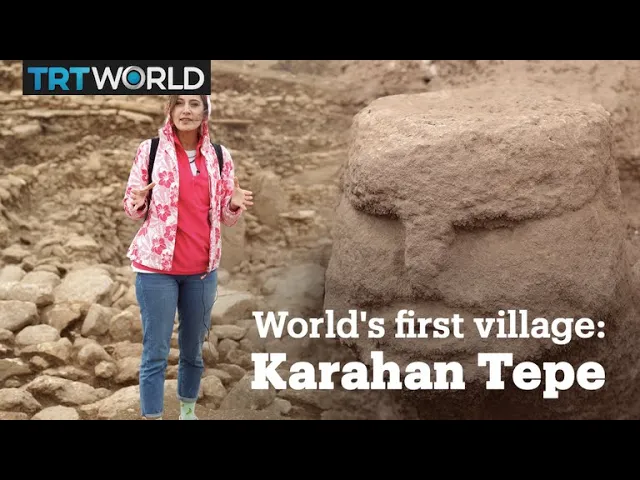
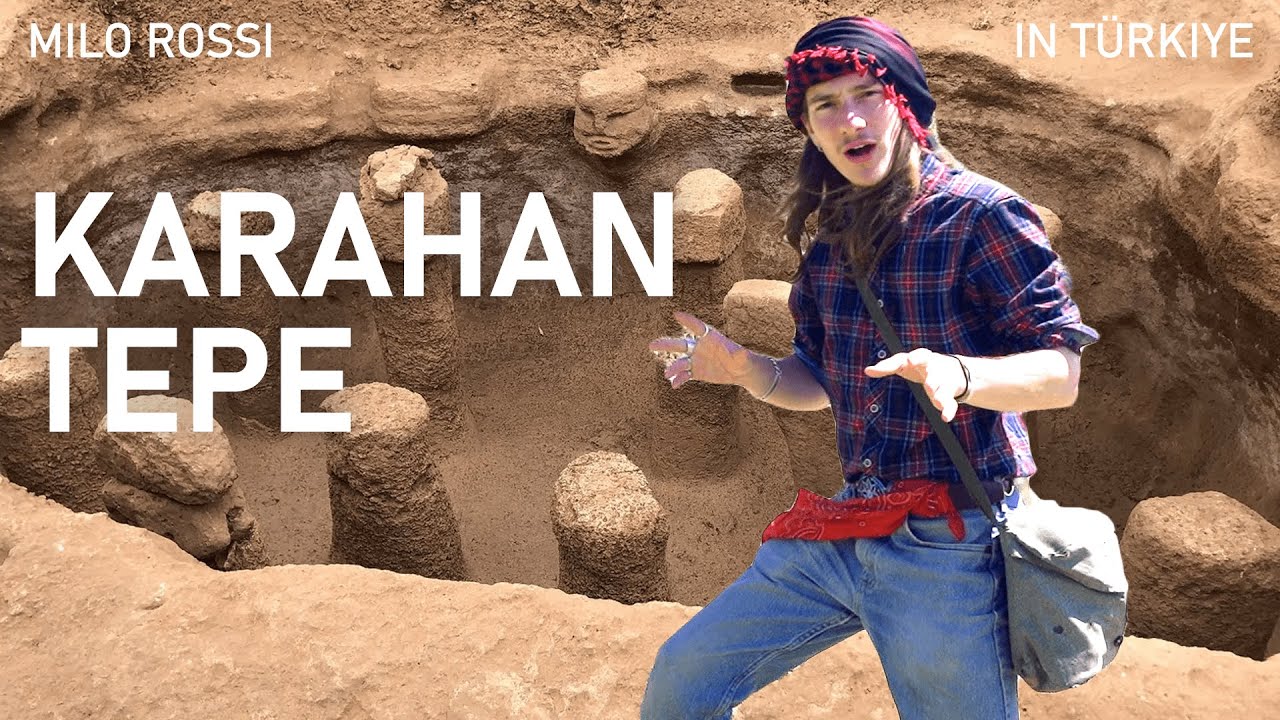
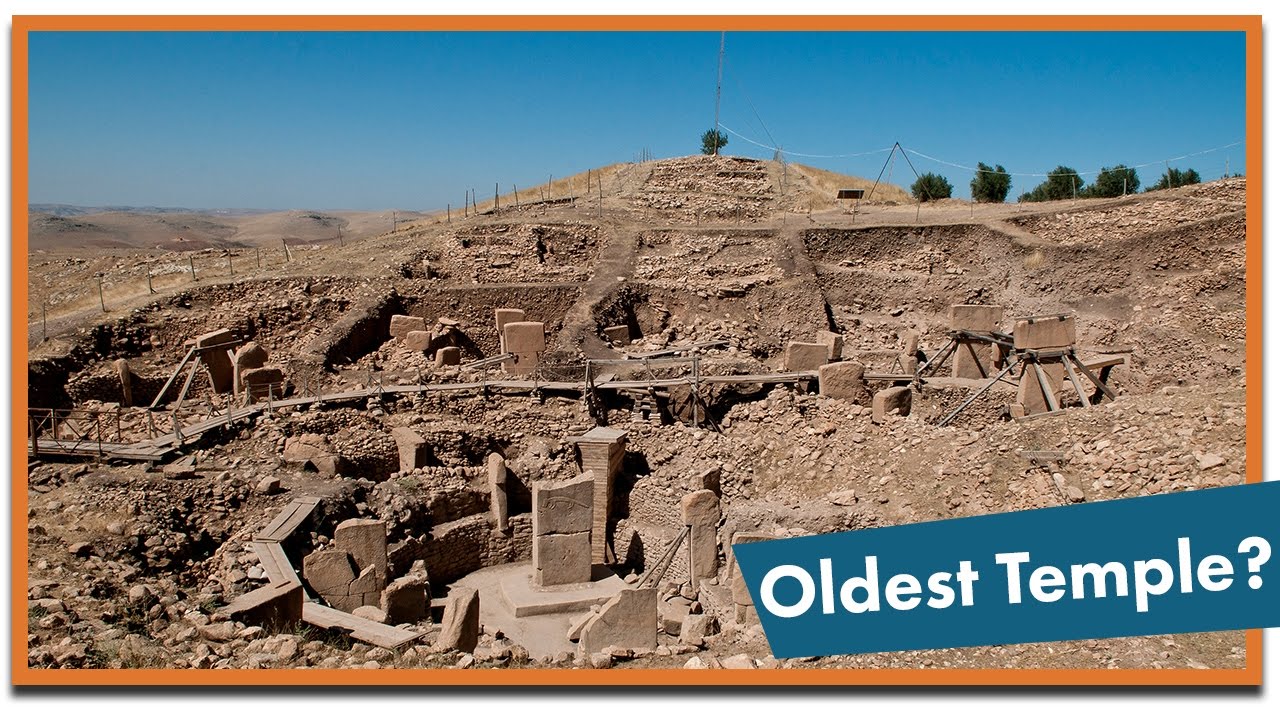
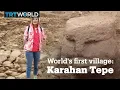
[Music] welcome to carajantepe this place is where many scientists believe humans created the first villages ever throughout the paleotic age humans were hunter-gatherers they lived in temporary open-air shelters made from trees or in caves and filled their stomach with plants they gathered here and there and animals they hunted and then one day they decided to settle down have kids and family i'm joking of course but they literally decided to settle down so they built proper houses and it all happened here [Music] archaeologists here have made one of the most important discoveries about prehistoric life history
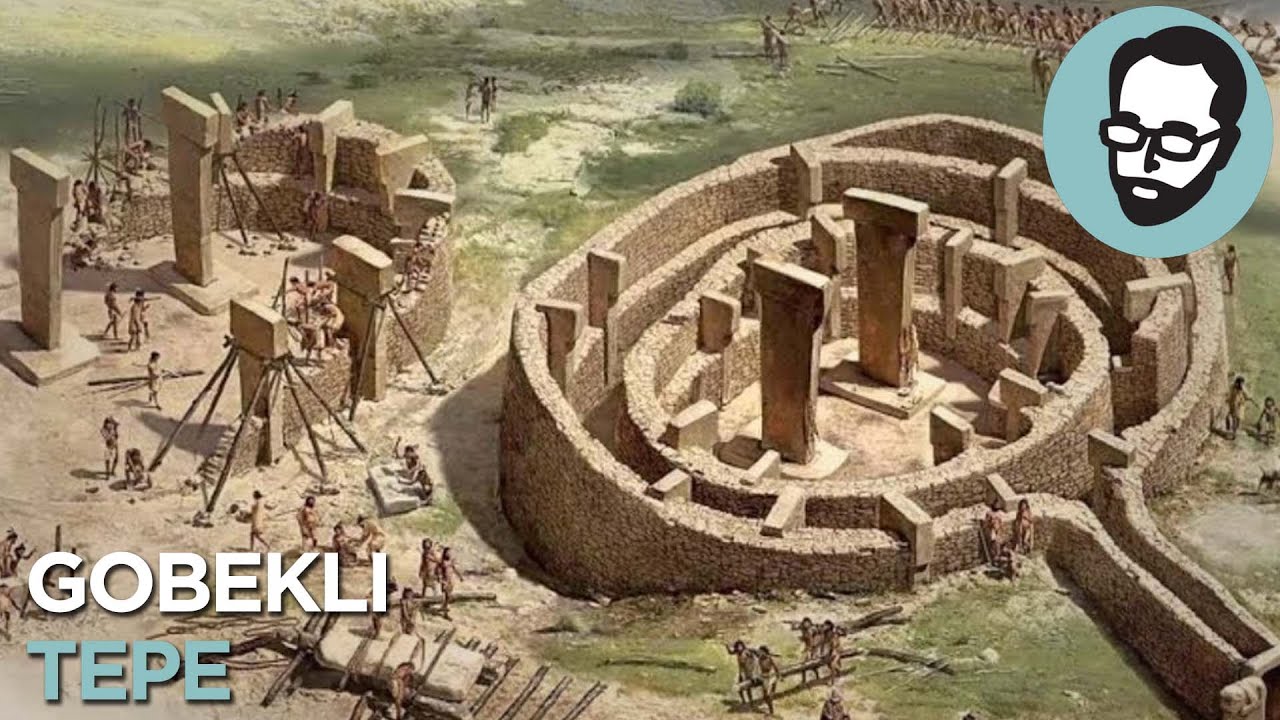
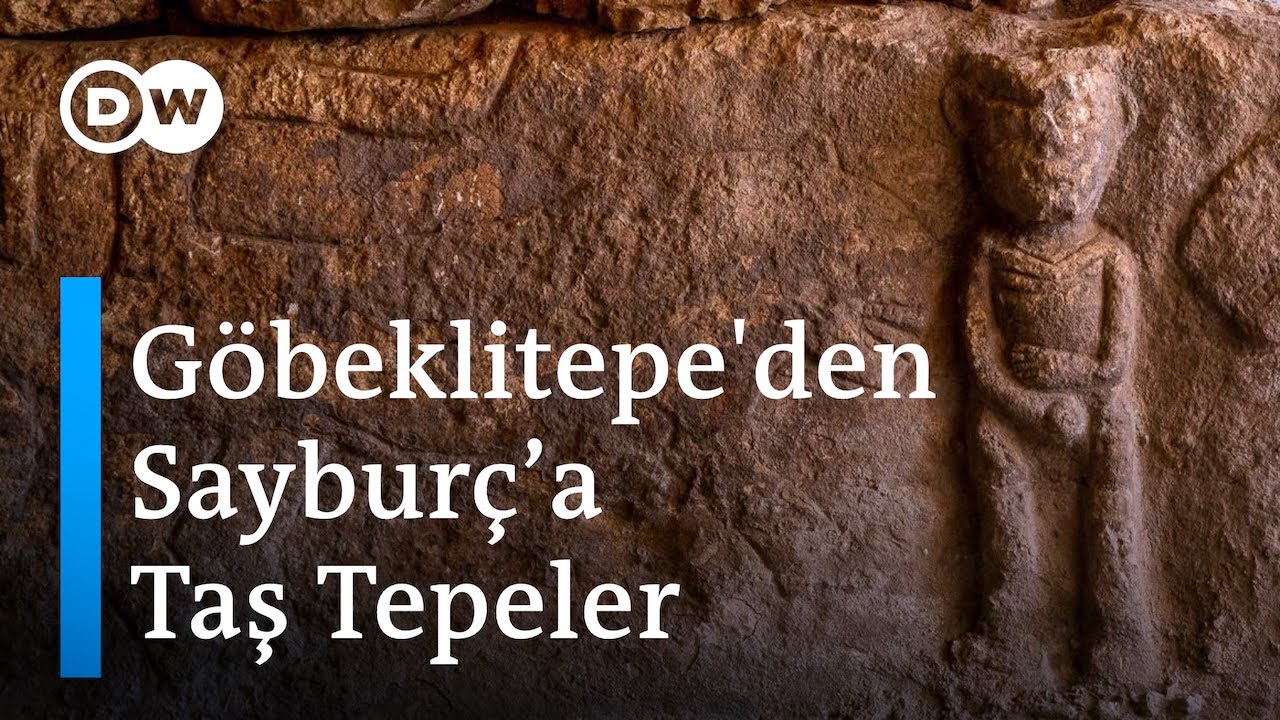
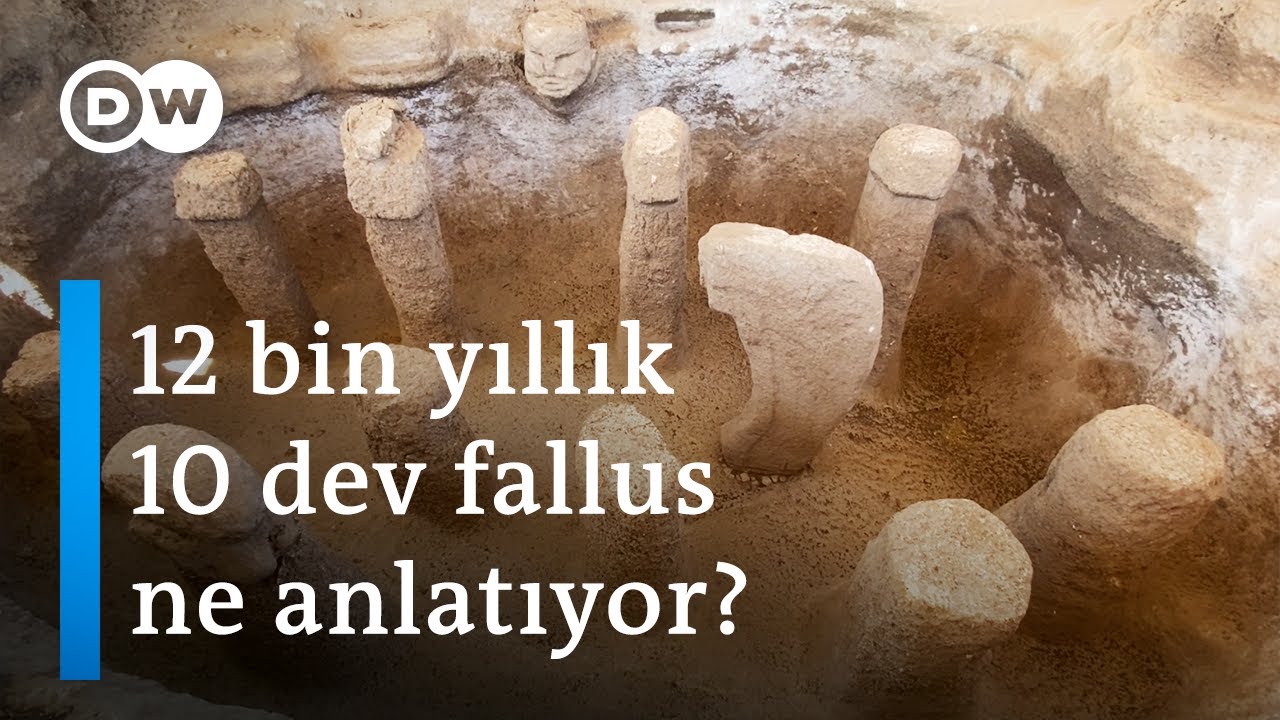
books will tell you that mankind shifted from hunter-gatherer to farmers societies about 10 000 years ago but these massive carved stones were built about 12 000 years ago and they stand upright just as the first day they were built complex structures alerted in turkey's southeast are believed to be the first permanent settlements in history they date back to 9400 before christ these structures are older than any other human structures that we know of it's before the pyramids it's before the stone age in britain by a few thousand years it's even before the pottery it's before
agriculture uh it's even before the wheel was invented considering the technology they had at that time it took generations to build this place with tools made of stone but interestingly after being inhabited for certain time all the structures were intentionally buried i asked the head archaeologists of karahantepe nijmi karul why they did that the buildings are so important for the people at the time like a woman it's also in the same in this these days everybody wants to have one building on a home therefore if these buildings were sacred and after they ended their life
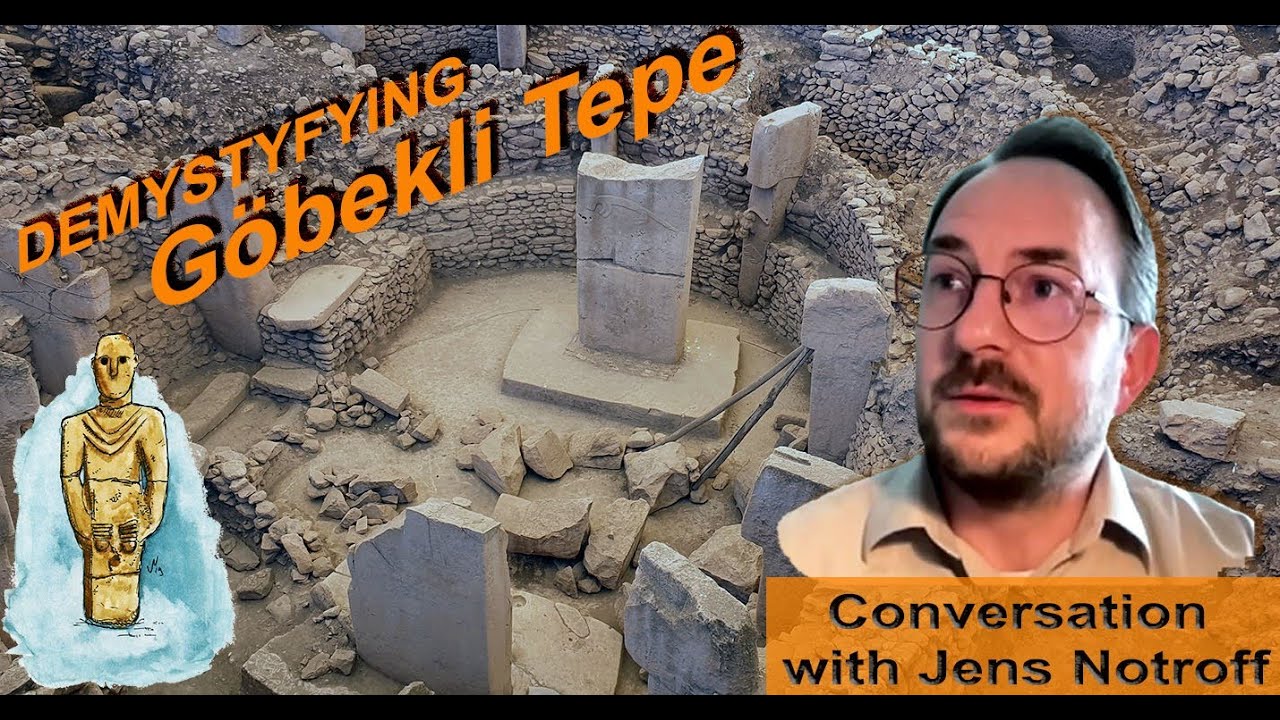
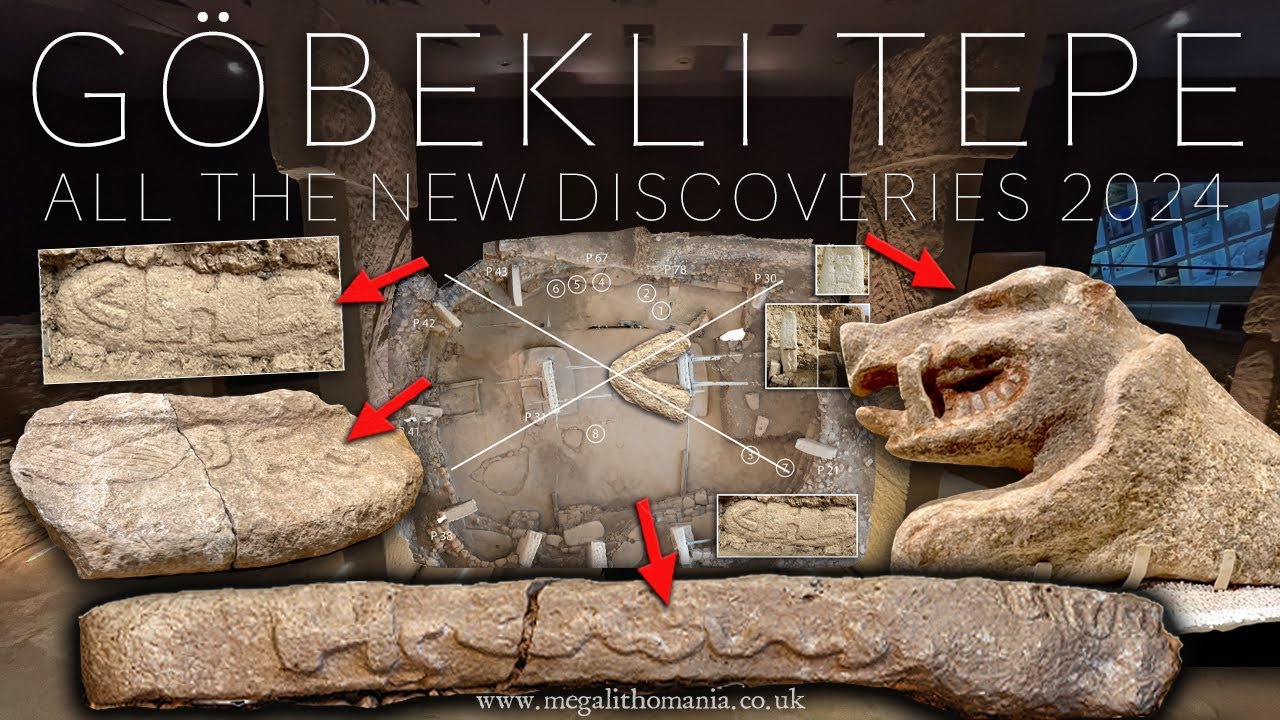
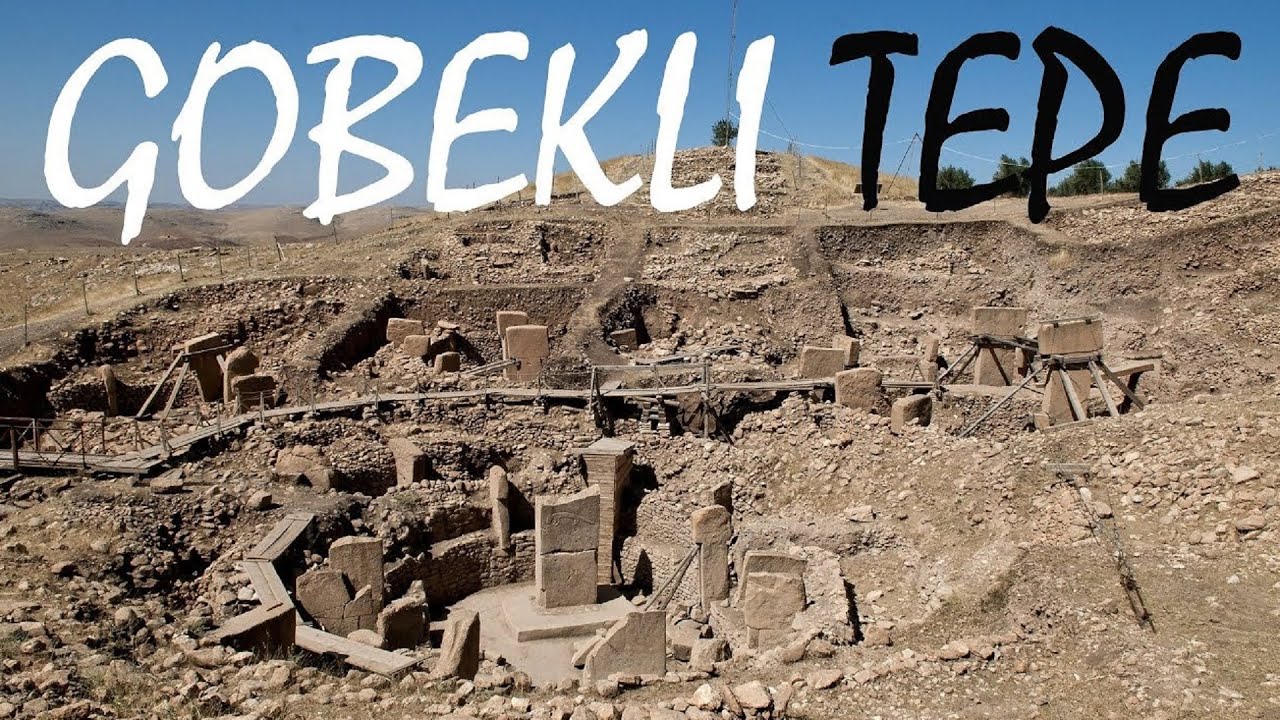
they buried them like a woman is one of the twelve sites here in chandler it's part of a hundred kilometer wide archaeological area called tashte pelage meaning stone hills and stands just 46 kilometers away from gobekli tepe which is known as the world's first temple unesco world heritage site gabe li tepe and carajantepe were built around the same time and they were buried in a similar manner we know that gobekli tepe and carajan tepe are related because of the t-shaped pillars that you can see on both sides located right in the middle of the fertile
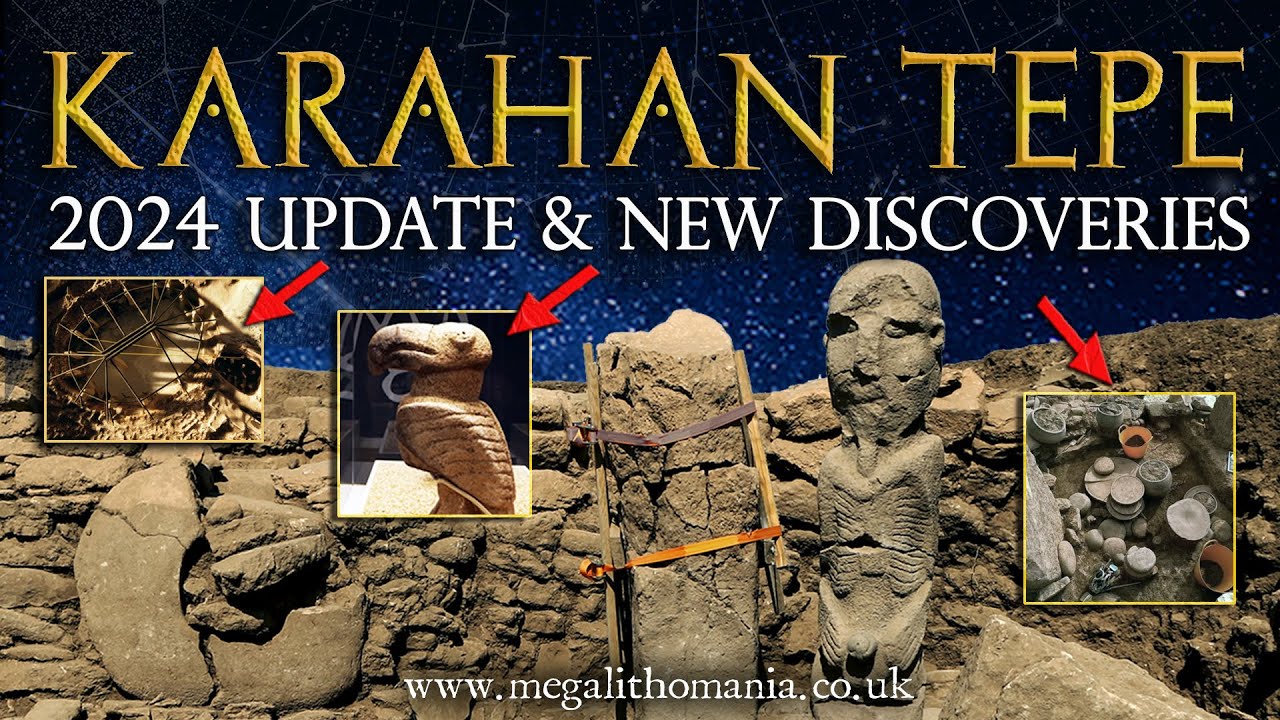
crescent of mesopotamia carahan tepe is located where the first settled agricultural communities of the middle east and mediterranean originate but archaeologists have found no evidence of animal husbandry or agriculture in this village so it's believed that this settlement was built even before the agricultural revolution so far only one percent of the area has been excavated and it is believed that it will take around 200 years to dig the whole area the initial findings have already updated all we knew about the life of neolithic humans everything that was found during excavations in karahantepe are exhibited in
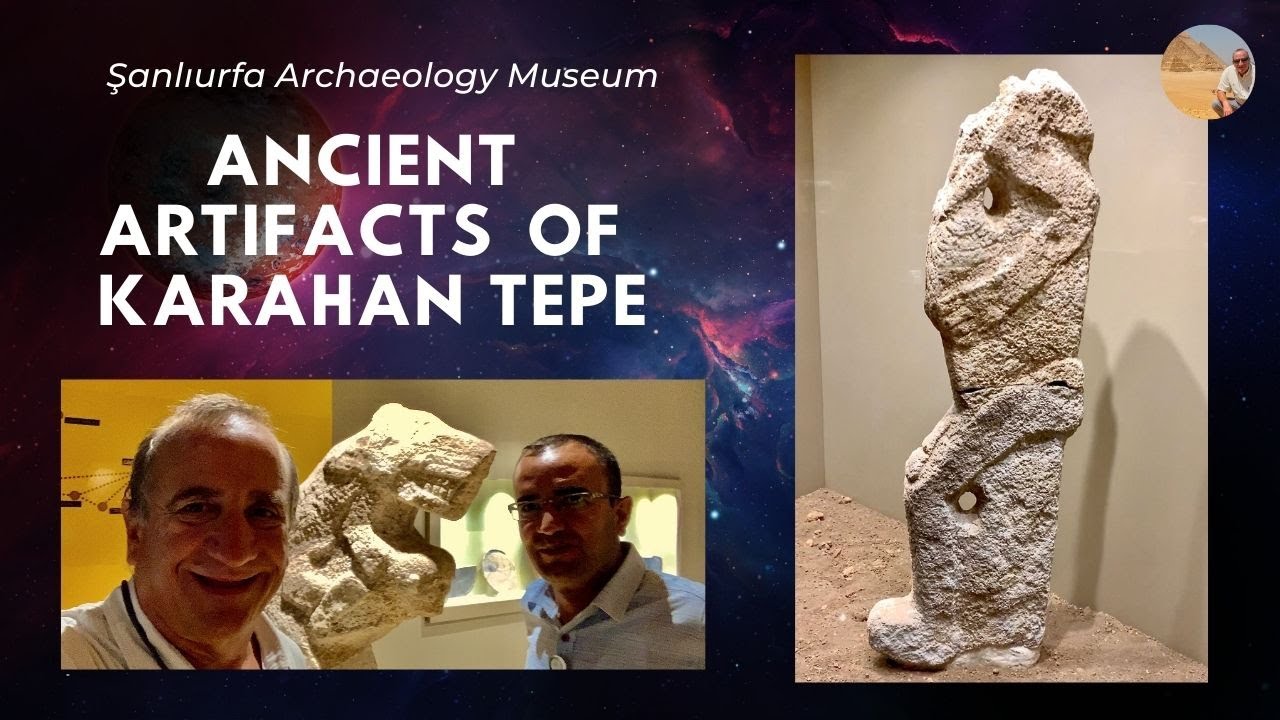
chandler for archaeology museum now let's check out the museum and see what's in there life-size wax sculptures welcome us as we enter the museum these realistic visualizations take us on a journey to the life of paleotic humans and this is the prehistoric melda camping you all know i love camping yes the museum exhibits a wide range of examples of neolithic sculptures the early sculptures portrayed more animal figures snakes low parts foxes bulls and lions in hostile positions but as mankind shifted to farming they started to draw more human figures and less animal figures anthropologists say
that is because humans felt closer to nature and animals during early times before they started to farm there are also sculptures of dds used in religious ceremonies the director of the museum jalal ulludah shows me the most prominent artifact excavated from [Music] [Music] [Music] archaeological excavations are currently underway in seven different areas in chandler but the turkish ministry of culture plans to expand research to bring us new discoveries researchers from 12 countries will carry out excavations in 12 points in the region as scientists dig up and unearth the mystery of our roots findings about the
legacy of human civilization will benefit us all