(gentle music) - [Narrator] Over the past few years, you've probably seen severe weather events in the news. Maybe you've even experienced natural disasters like hurricanes, wildfires, or snowstorms. Because our planet's climate or weather is changing, severe weather is happening more often, and temperatures are rising in many places around the world.
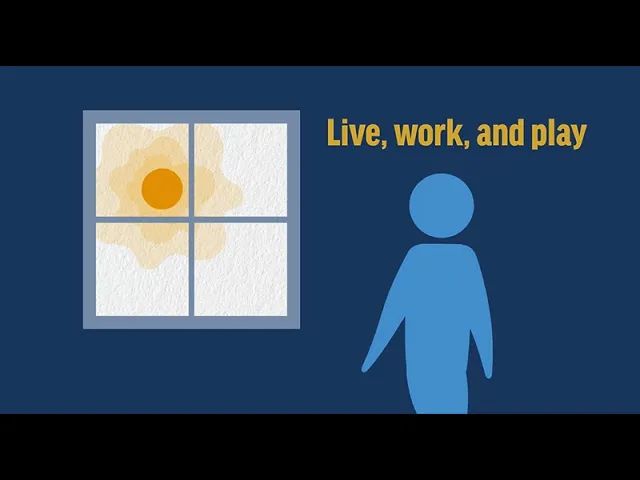
Climate change is just one way that our environment affects our health. The air we breathe, the food we eat, the water we drink, and the places where we live, work, and play all have an impact on our health. For example, some people live, work, or go to school in older buildings that have lead paint.
Lead is a substance that can cause serious health problems, especially for young children. Poor air quality is another way the environment can affect our health. When there's pollution in the air, it's especially dangerous for people with asthma.
The environment affects our health in many other ways like unsafe food and water, mold, radon, and carbon monoxide poisoning. The good news is, there are simple steps you can take. You can learn more about the environmental health of your community by visiting CDC's Environmental Public Health Tracking Network.
View local timely data and information on topics like air quality, drinking water, extreme heat, radon, and more. Use tools designed to help communities prepare for and respond to environmental health threats like extreme heat events. For the latest CDC environmental health news, see CDC's Environmental Health Nexus.
CDC's National Center for Environmental Health offers tools and information to help you protect yourself from everyday environmental health risks. You can find resources like asthma action plans, tips on preventing lead poisoning, emergency plans to prepare for natural disasters, and more. Learn more about how the environment affects our health and how you can stay safe and healthy at www.
cdc. gov/nceh/ehsp.








![Snapshot of CDC Cameroon’s Impact [Audio Description Video]](https://img.youtube.com/vi/QQs26jAh-_k/maxresdefault.jpg)