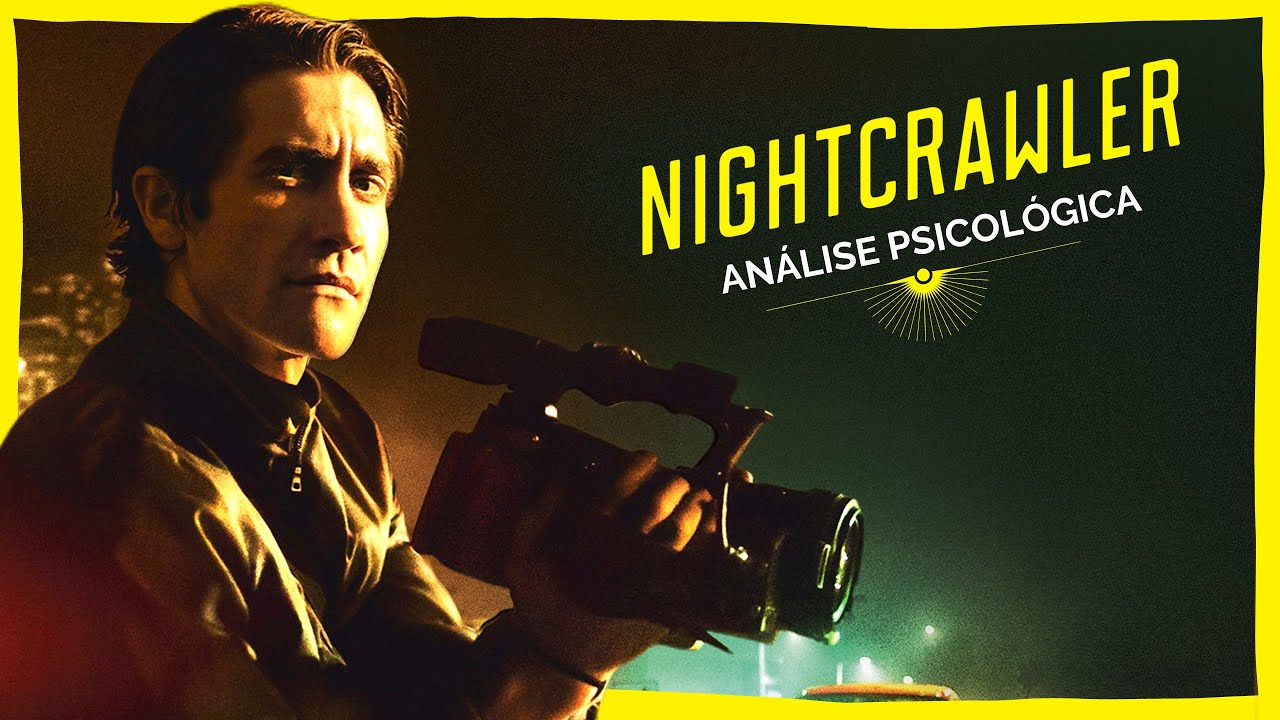
Otávio: Four years ago, Nightcrawler premiered in theaters. It was nominated for Best Original Screenplay but lost it to Birdman or (The Unexpected Virtue of Ignorance). I'm not questioning this decision but among that year's nominees, not only Original Screenplay but also all the other movies, the ones that most resonated with me, to the point where I always remember them while watching other things, were "Whiplash" and "Nightcrawler".
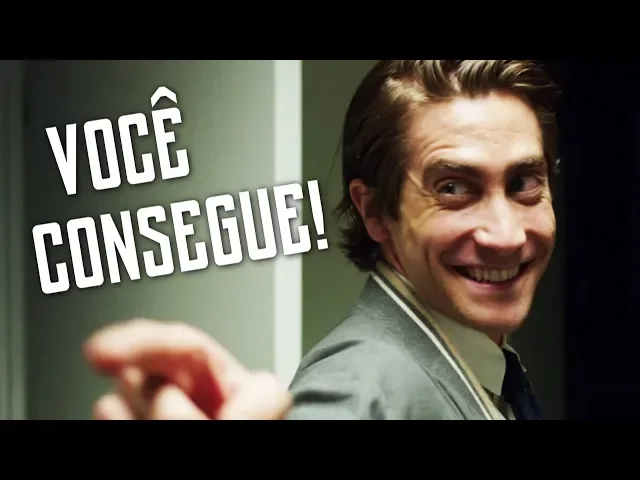
Dan Gilroy, Nightcrawler's director, recently did another movie with Jake Gyllenhaal as its main character. Both of them have a lot to say about the Entrepreneurial Culture. We'll get there in a bit.
Nightcrawler's plot is about the nightcrawlers themselves, people in the United States who work listening to the police frequency and showing up at the crime scene to try getting strong images for the morning newspapers. They're all freelancers, selling the images to the highest bidder. This creates a propitious environment for a specific market: violent scenes in rich neighborhoods of white people being attacked by minorities.
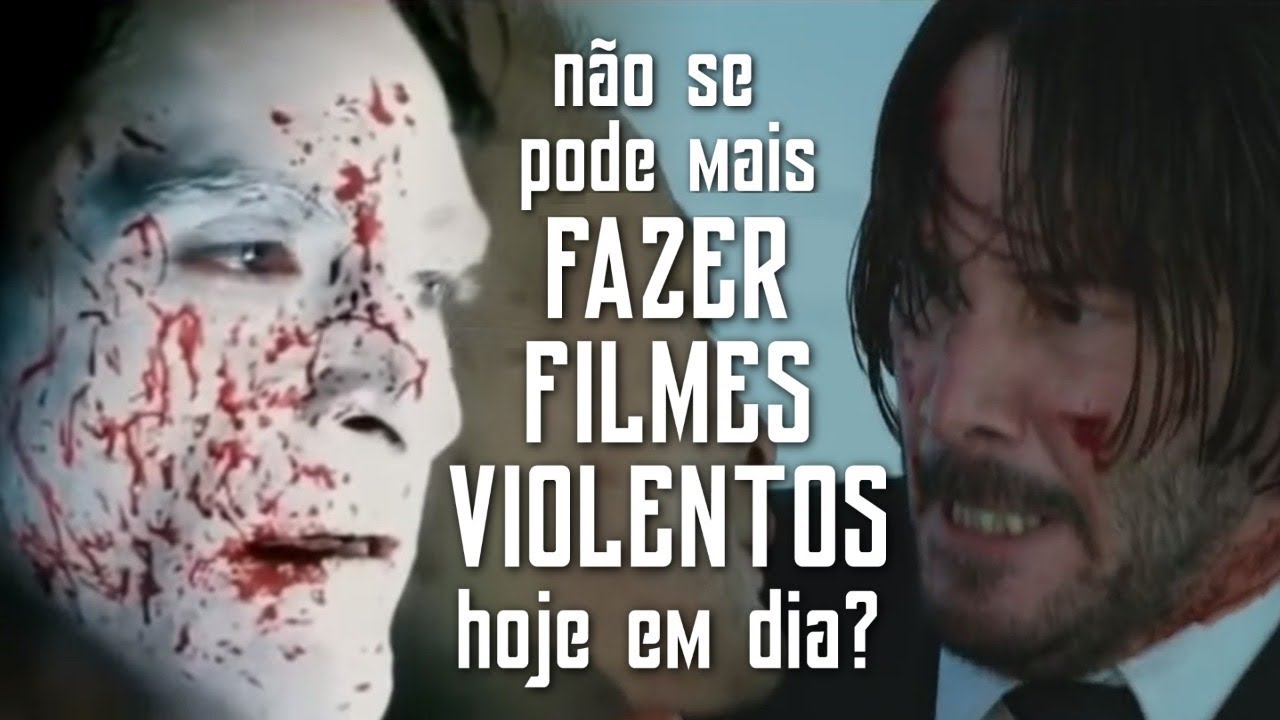
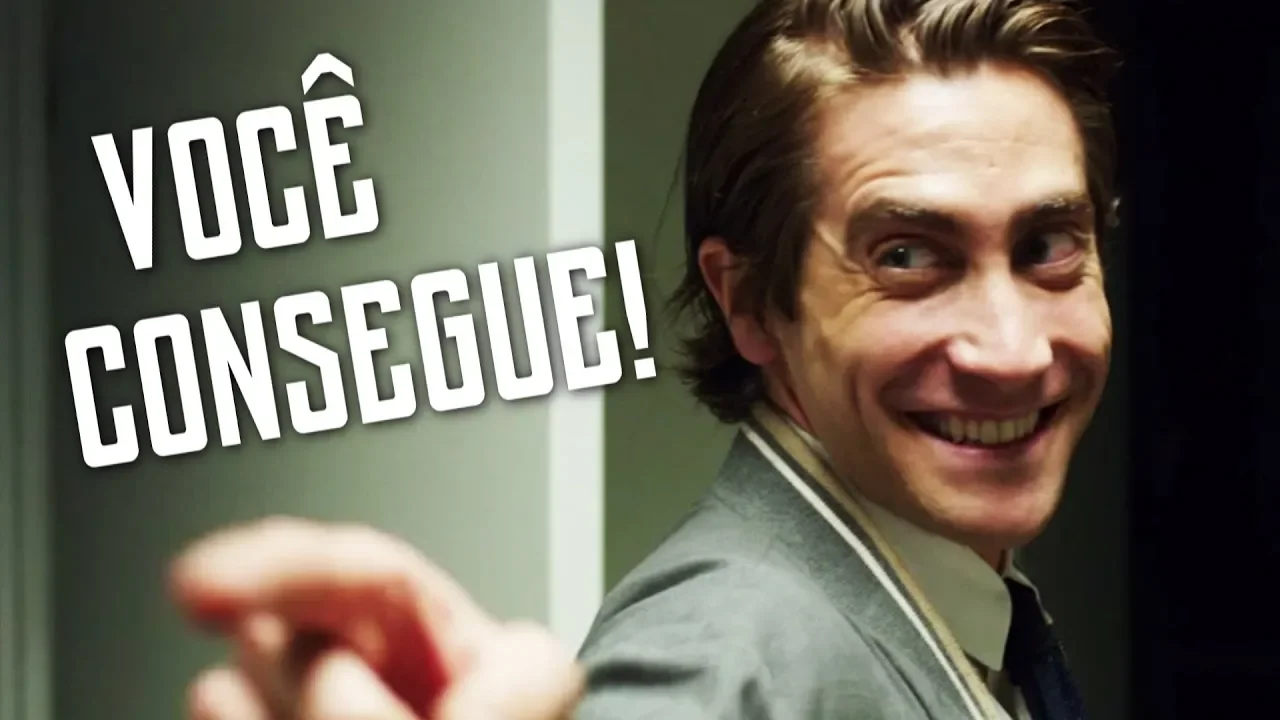
The movie captures this American television alarmist feeling and has a lot to say about the different forms of violence or, more specifically, how we consume them. But the movie has other more relevant points than just the direct critic about American television. The fact is that Louis Bloom, the main character, often seems like a bizarre caricature of an internet entrepreneurship coach.
You know, those people who make videos or give paid classes about how to reach your goals and make money but never struggled in life and has no consciousness about all the open doors that helped them be where they are? It's common to see that archetype in the greedy villain businessman who doesn't care about people but that's not Louis' case. He's unemployed, has no money, and can barely pay the bills.
The movie is about social mobility. Which, in theory, makes it easier for the narrative to be empathetic. The director clearly has this in mind and uses all possible tools to make the movie extremely uncomfortable.
The positions Louis Bloom assume, the things he does, it's like he finds backup and acknowledgment in successful entrepreneurship figures. He always sees things and people in a calculated and utilitarian way. The sociopathic aura surrounding the character seems to be present because he's a perfect entrepreneur.
Even though it looks silly, I even searched on the internet mentions about the movie by coaches or bloggers and, surprisingly - or not -, there are a lot of headlines like "What Can You Learn About Entrepreneurship In Nightcrawler" or "The Movie Every Entrepreneur Should Watch" or this one that I found spectacular from the AskMen (Become a Better Man) website featuring a list of inspirational movies that every entrepreneur should watch. It states that the movie is "a true tale of a man with an entrepreneurial spirit who wouldn't take a "no" for an answer". (Scoffs) Wow!
The fact is, despite watching the movie with no critical thinking, those people are right in some levels. Jake Gyllenhaal is the perfect entrepreneur here, delivering one of the most impressive performances I've seen It has an uncanny aspect, an estrangement caused by something that seems very human but it isn't. It has a strange familiarity and, at the same time, an inhumane and scary urgency, always at the brink of an explosion that never comes.
In 2019, the director and Jake Gyllenhaal would end up together talking about entrepreneurs again. It's a Netflix movie called "Velvet Buzzsaw" where Jake Gyllenhaal work as an art critic. One of the characters finds a dead man in the apartment next to hers and, when she enters it, finds a lot of paintings that should be burned.
She and the other characters take on a mission of stealing those artworks and sell them at expensive prices which curses them. All characters are loathsome and pretentious and pretension is a keyword for this movie. It tries to reach for everything, full of subtext and references about the art world that sound very elitist at first.
It seems to be part of the movie's language. Any sense or depth that anything seems to have it's present but with no purpose, as to be purposefully ignored since the artistic value doesn't matter to any of the characters. All of them are extremely superficial.
Morf Vandewalt: primal consciousness, a connexion to the world in its purest form. Josephina: Rick is still denying it. Otávio: The movie is kind of a satire of itself, trying to portray the futility of the artistic world.
It's not any more contudent than Nightcrawler, but it makes an interesting point. The self-awareness about the entrepreneur stereotype is also present here but on a different level from Nightcrawler. One of the most radical critics against capitalism essence is about its alienation power and that the tendency of always thinking in an effective and productive way would erase human's sensibility and values.
But it's interesting to note that this antagonism between humans and capital, between art and product, is an outdated idea. Financial capitalism has domesticated the revolutionary part of this thought, transforming the counterculture critics into stimulus to produce. The idea of creativity becomes rapid solutions for company problems.
The famous think-outside-the-box type of entrepreneur. Sensibility becomes the ability to manage people. Suddenly, it's possible to talk about art and sensibility without any social critic involving inequality and structural problems that can affect companies.
This creates a bizarre caricature of people with a high understanding of art who defend sexual liberty and environmental causes, such as veganism, but are totally desensitized an detached from reality. The movie, in the end, has some interesting nuances, showing the domestication of counterculture and art from the entrepreneur and meritocratic point of view. Hoboman: Have you ever felt invisible?
The works of art become alive and take revenge on the people responsible for their emptiness. It's kind of a horror twist, killing everyone to generate a catharsis involving the massacre of entrepreneurs. But it's much harmless than it seems.
In Nightcrawler, this catharsis never happens. But the build-up tension is never ending to the point where it's hard to watch sometimes. But Jake Gyllenhaal presence is magnetic.
It's impossible to stop looking at him. The director proves his point when people start to admire and mirror the character. (Laughs) My name is Otavio and there are some recommendations down in the description, go check it out.
Please, support us through our apoia. se campaign. Quadro Em Branco only exists because of it.
Thanks for watching! Take care.