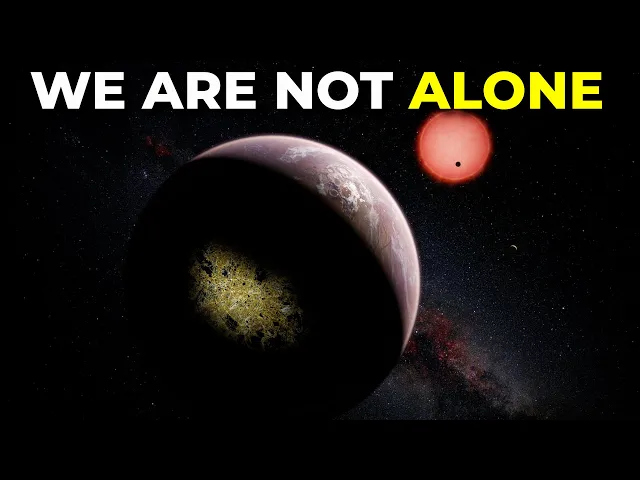
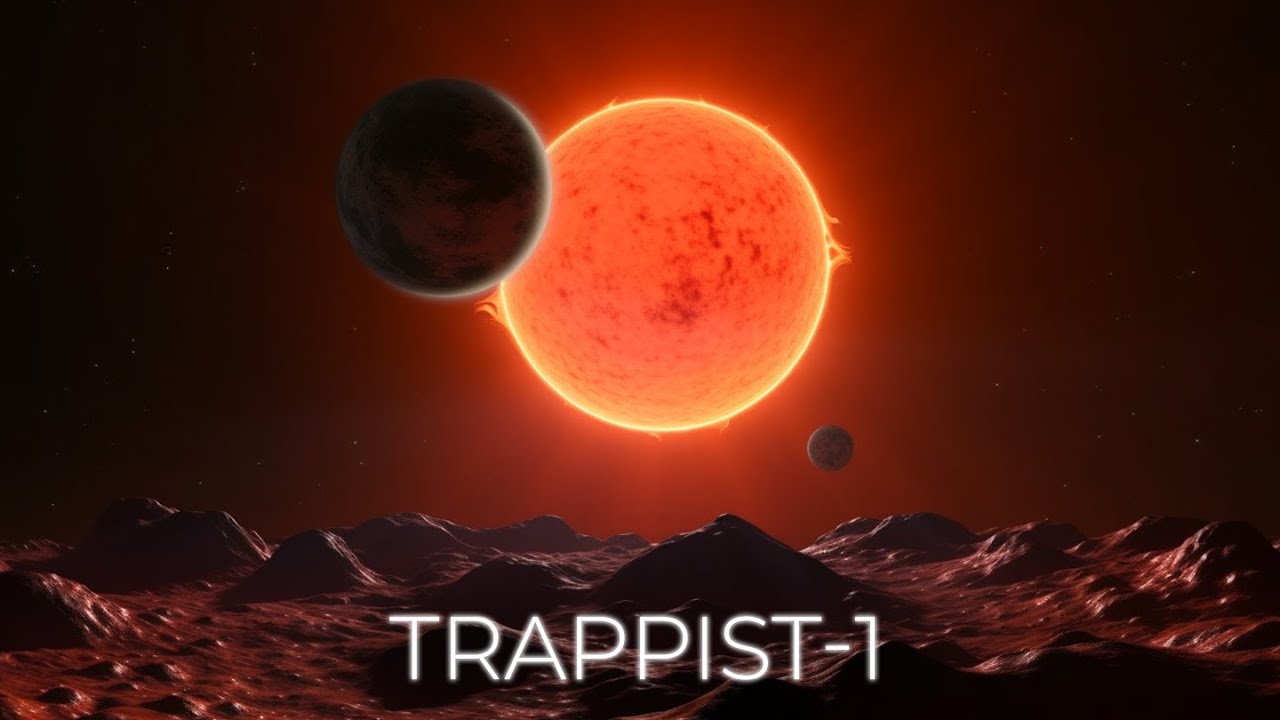
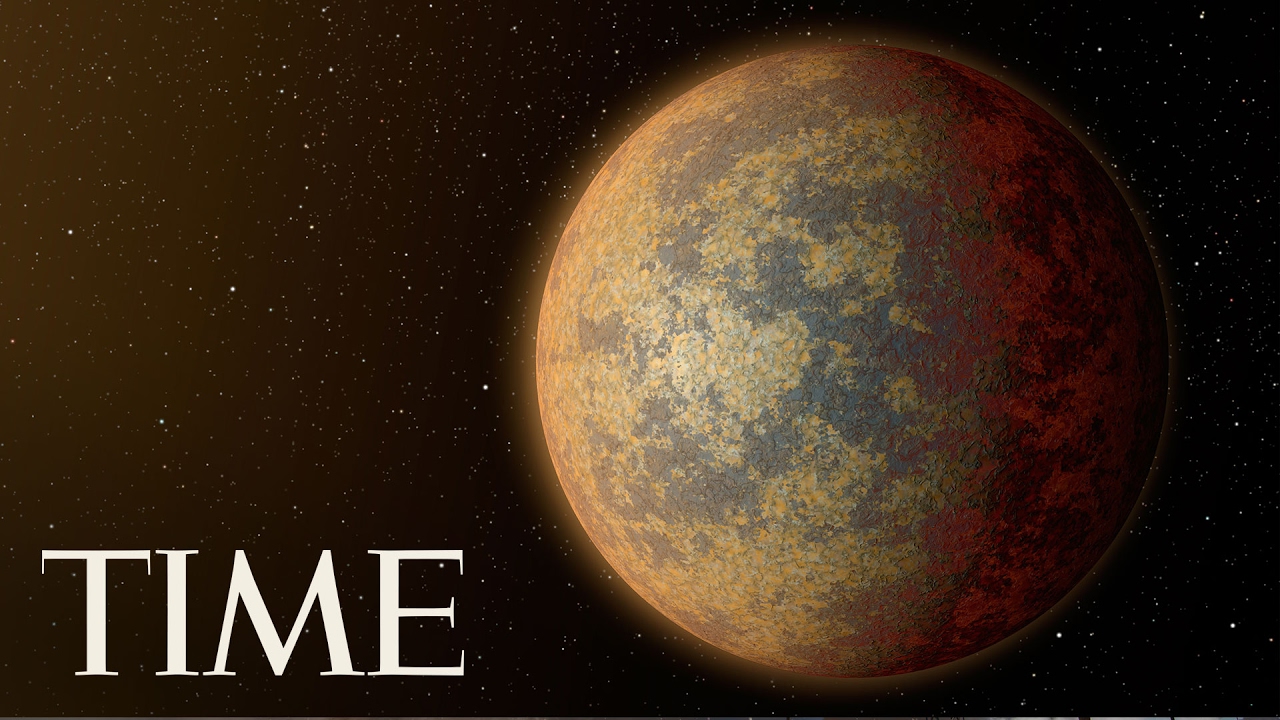
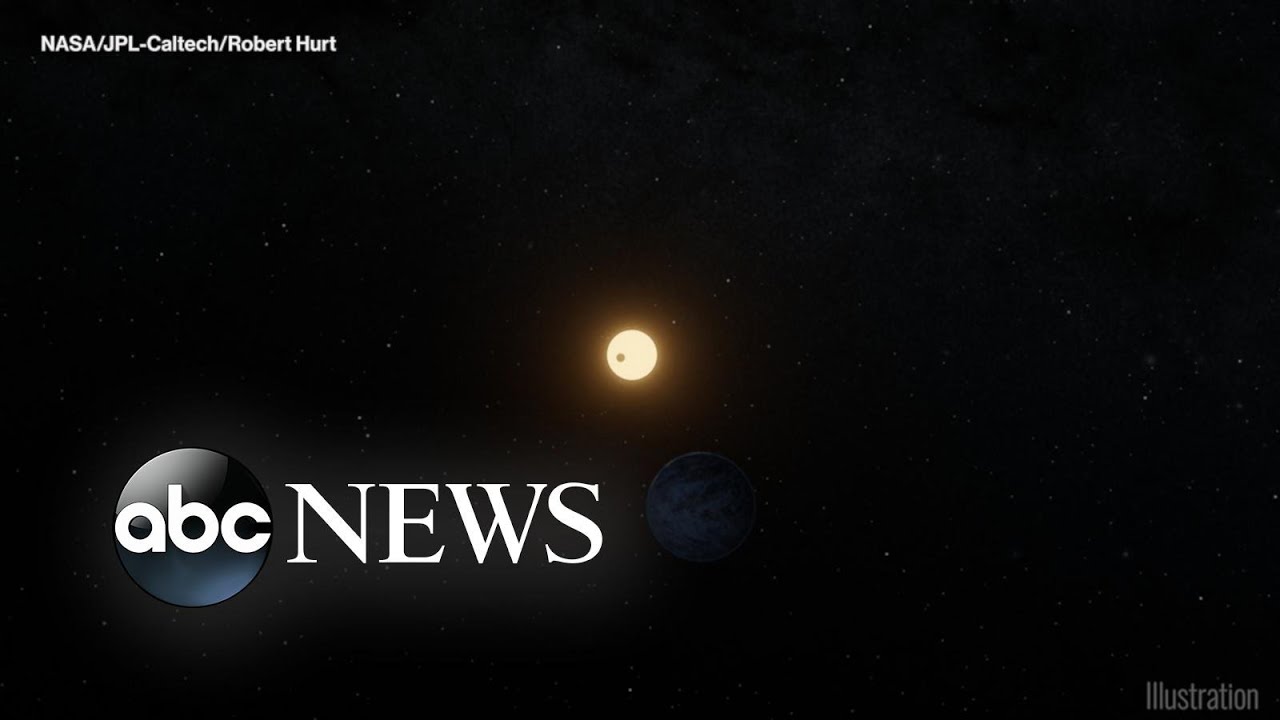
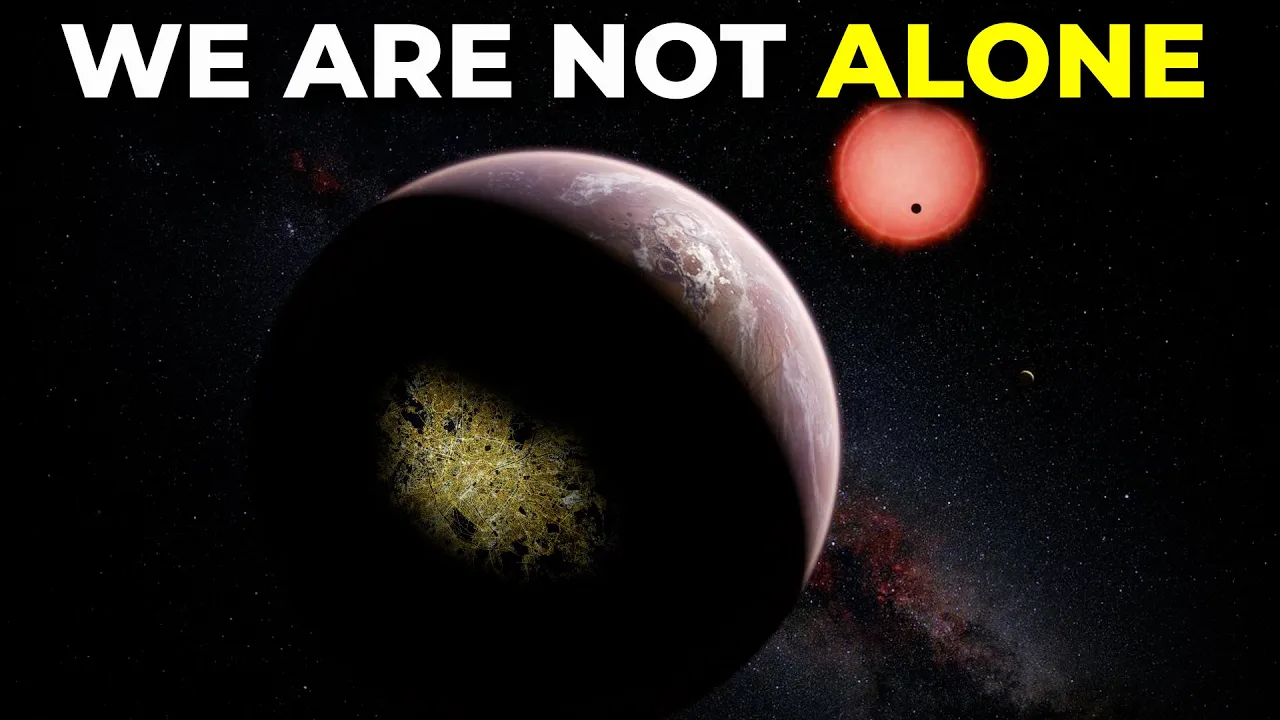
close your eyes and imagine a system of seven planets all roughly the size of Earth orbiting a small dim star this is the Trappist one system located just 39 light years away from our own solar system it was discovered in 2017 and has since been regarded as one of the most remarkable discoveries in astronomy what makes it so intriguing is that three of its seven planets are situated within the star's habitable zone which means that they are at just the right distance to potentially support liquid water and possibly even life and each of these worlds is far older than Earth giving potential life forms here a 3 billion year Head Start over such an extended period life on these planets may have had ample time to evolve and diversify potentially giving rise to Advanced civilizations beyond our imagination this Ultra Cool dwarf star around which these planets orbit is much dimmer and cooler than our sun which means that the planets receive less energy from their star as a result any life forms that exist here may be fundamentally different from those we know on Earth as you walk along the alien terrain you notice something odd the Sun never moves that's because all of the planets in this system are tidally locked to their star starting with trappist-1g the coldest of the habitable Trappist planets analysis has shown that it has a density of 76 percent that of Earth indicating a large amount of water on the planet most of this water is likely in the form of colossal ice sheet covering the majority of the planet however despite its icy exterior the possibility of Life existing in this planet's frigid depths cannot be ruled out trappist-1f the next planet in the Trappist lineup here you find an eyeball Planet situated closer to the parent star than its icy neighbor the ice sheets on this planet have been pushed further back creating a larger focused crater that can potentially hold significant water bodies this planet has a radius almost identical to Earth but with only 68 percent of its mass it is expected to be another water-rich world with up to 20 percent of the planet's composition consisting of water this world is an ocean planet with ice sheets tens even hundreds of miles deep creating the perfect environment for large lakes and a single vast ocean to occupy the focus in fact this planet is essentially one giant Fishbowl with an ESI score of 0. 70 it's apparent that this planet is more suitable for aquatic life than terrestrial [Music] trappist-1d with a lower density than Earth is expected to Harbor large amounts of water possibly mostly in gaseous form creating a thick swampy water vapor atmosphere similar to Venus however the excessive heat of the planet's Focus May create a more temperate climate across the night side potentially allowing for the existence of lakes or even oceans of water in absolute Darkness this planet has an ESI score of 0. 91 and while simulations of its conditions are split between an Earth-like and a more venus-like world the possibility of Life existing in some form cannot be dismissed trappist-1e is situated slightly on the warm side of the habitability Zone just like Earth this planet has a size and density nearly identical to our home planet unlike its neighbors the planet's greater density suggests that it contains less water creating the possibility of a mixed surface between terrestrial and Marine environments the similarities between this planet and Earth are astounding making it hard to imagine that life could not exist in some form in this environment trappist-1e has an ESI score of 0.
95 making it the most Earth-like exoplanet discovered to date it's possibly the closest we've ever come to finding an earth 2. 0 the universe might be teeming with life on Amazing planets and it's not just limited to the Stars we can see twinkling in the night sky in the words of the great astronomer Carl Sagan the universe is a pretty big place if it's just us seems like an awful waste of space indeed when we consider the sheer size and complexity of the cosmos it seems almost inconceivable that Earth could be the only planet to Harbor intelligent life perhaps there are intelligent beings out there pondering the same questions we do curious about their place in the universe even now its inhabitants may be examining images of a yellow g-type main sequence star somewhere in the Milky Way galaxy they see a tiny pale blue dot tucked into a remarkably circular orbit will they wonder if they found that other Earth perhaps with intelligent life able to communicate across the voids of space or will they Wonder after pouring over their data and running planetary formation models is it big enough or special enough to support life German philosopher leibniz once famously claimed that Earth is the best of all possible universes it's a claim that has stood the test of time for over 300 years but in recent times Studies have shown that the Earth is not the ideal place that could exist the planet's climate has fluctuated over time from boiling oceans to a planet-wide deep freeze due to tectonic activity and variations in the brightness of the Sun for most of the Earth's 4.