hello and welcome to today's lesson on a polyatomic ions the question of the day is what does the prefix poly mean and After figuring out that what do you think a polyatomic ion might be the way I like to describe polyatomic ions is a bundle of atoms that carries a charge they act as a single unit kind of like this bouquet of flowers um you wouldn't alter this bundle you the bundle kind of works together all of the flowers together create a bouquet they have an added beautifulness to them when they're all together and you
wouldn't necessarily go and break that apart polyatomic ions kind of are acting in the same way in a polyatomic ion again we're talking about a bundle of atoms that work together so polyatomic ions can bond in ways that are going to put more than just two elements into a compound a lot of the time we'll call it a ternary compound so this is how you get molecules like sodium hydroxide which is a sodium and oxygen and a hydrogen in this case the oxygen and the hydrogen are kind of working together as a polyatomic ion they
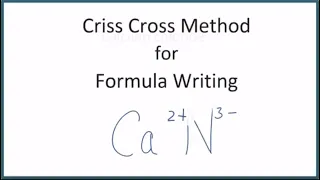
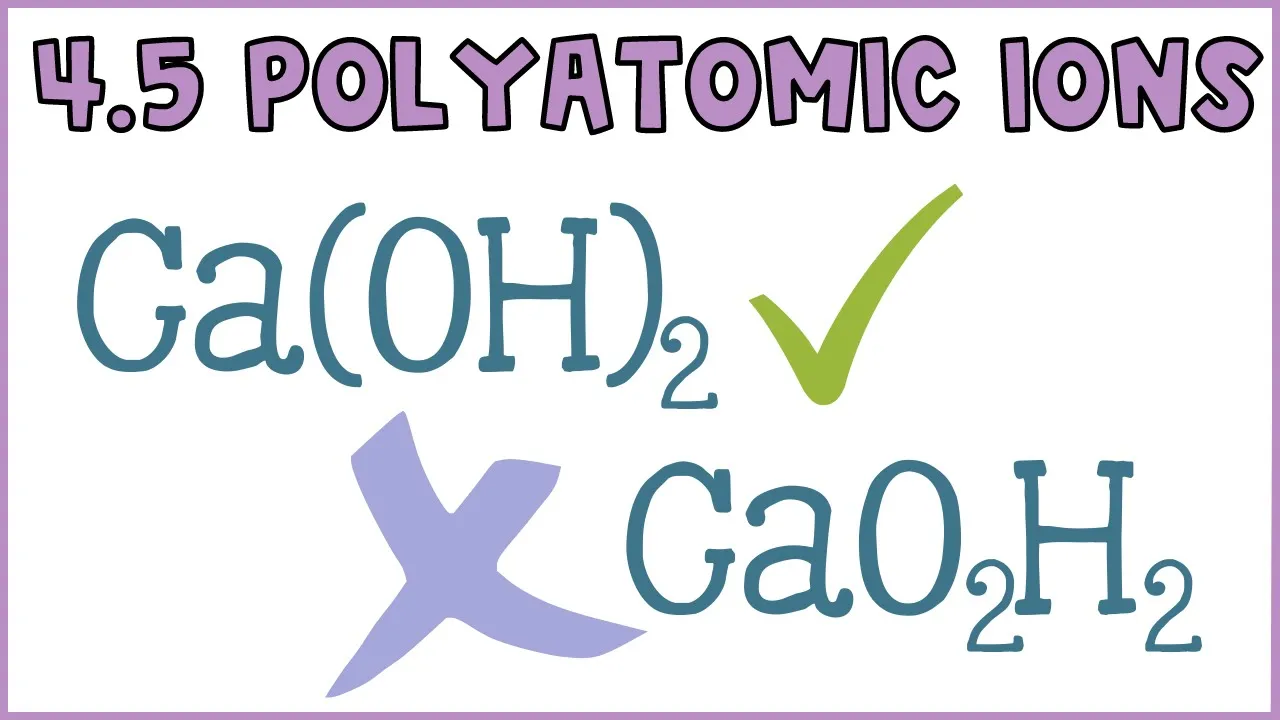
they walk through life together of course we can undergo a chemical reaction and break the them apart but oftentimes they're going to stick together we can crisscross with polyatomic ions the same way we had been doing with binary compounds the reason I like to call the polyatomic ion a bundle though and that you want to protect the bundle is because when you crisscross the charge needs to go all the way across the bundle of atoms and that's in both cases so the charge on the polyatomic ion must go all the way across and then the
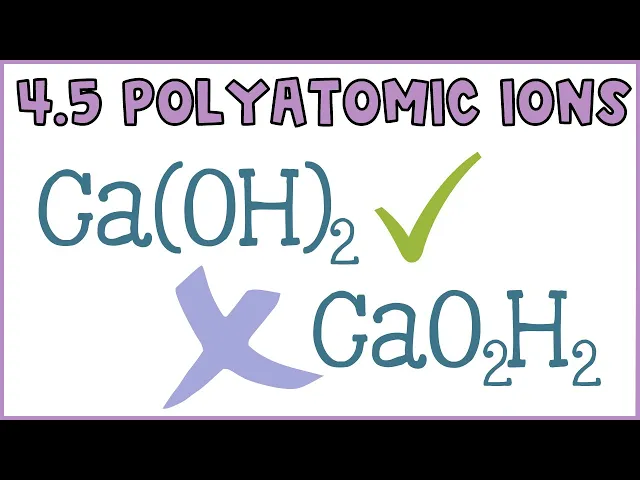
charge from typically the metal has to come all the way across the bundle and I'll show you an example occasionally we're gonna have to wrap our polyatomic ions in parentheses in order to indicate that we have multiples of the bundle as opposed to multiples of just a single atom in the bundle and then a lot of the times our polys are going to have a subscript of their own so getting a subscript and then crisscrossing you'll sometimes it looks like there's a double digit so the point of crisscrossing all the way across and then wrapping
in parentheses helps to prevent from our subscripts looking like double digits so you can see right here we have calcium and manganese I'm sorry Permanente manganese is the metal in permanganate and we are going to crisscross these ion charges so calcium is going to give away two electrons it will be a plus two that plus two is going to get crisscrossed all the way across the bundle over here it doesn't go in between the the manganese and the oxygen it goes all the way across manganese is the polyatomic ion of I'm sorry permanganate is the
polyatomic ion of Manganese bonded to four oxygens and that collectively gets a new name per manganate and those five atoms together are going to carry a minus one charge which is going to go all the way across the bundle and hit over here with calcium now um the reason we have to wrap this in parentheses when the 2 comes all the way across is because if we didn't number one it would look like we had one calcium one manganese and 42 oxygens which would be crazy um but it also helps us to indicate that we
don't just have um two oxygens we have two of the uh permanganate ions that polyatomic ion so we have um two permanganates in total we're going to wrap it in parentheses kind of the same way you would in math parentheses are used to kind of hold things together it's the same thing that's happening here so I like to um when my students start crisscrossing with polyatomic ions we will always put the polyatomic ion in parentheses and sometimes if this let's say we're lithium we'd have a charge of plus one and you'd crisscross a one and
there'd be an imaginary one a big boy big girl chemist wouldn't necessarily put parentheses around every polyatomic ion but as you're learning and figuring it out it's not an incorrect way to do it it's just kind of improper um so if that is a set of training wheels that you think you would benefit from I very much encourage you to do it until polyatomic ions feel like they're second nature to you if you're not in need of the training wheels the parentheses of course will have to be used sometimes it's typically any time that this
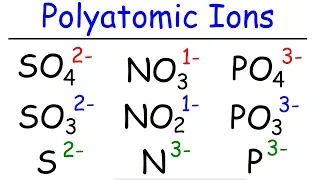
charge is not one to indicate that you have multiples of the whole poly and not an individual atom within the poly I choose to not have my students memorize polyatomic ions because honestly even doing chemistry for a lot of my life I still find myself looking up some charges of polyatomic ions I usually have a pretty good hold on it but in my opinion it's not worth spending the time on um so what we are going to do right now is practice some crisscrossing with polyatomic ions to figure out kind of when we need parentheses
and when we don't there are so many polyatomic ions but I will say that a lot of them have it in common that their names end in eight ate a lot of them also end in IT i t e but there are also some that include neither eight nor height so it's important to keep an eye out on your polyatomic ions but that is a pretty good indicator that you're working with a poly so right now in this case we're looking to bond nickel plus two and nitrate so the symbol for nickel is Ni and
in this case it's going to have a plus two charge and I have to indicate it because remember nickel is a transition metal nickel can take on a plus two or a plus three so I'd have to tell you which nickel we're working with then we have the nitrate ion and the nitrate ion is NO3 with a minus one charge sometimes you'll just see it as minus other times you'll see it as minus one and you'll also see it as one minus I Can't Tell You Why chemists do the things that they do um it's
so very silly remember we're only taking the number not the sign the sign is really just telling us um whether electrons were lost or gained so in this case we're going to take this one cross all the way over the bundle and the nickel is going to get the one and then over here the Nickels 2 is going to crisscross all the way across the bundle and apply back here so this telling us we have two nitrates not 32 oxygens not two nickels and six oxygens in I mean yes but not in our subscripts specifically
this is saying that we have two nitrate ions nitrate so when we write the final formula it's nickel and I with an imaginary one behind it which I'm choosing not to write because it's improper um then I'm going to put my nitrate in parentheses because they're a poly and I don't want to break that bundle I want to hold them all together and then I have two of those nitrate ions so my formula would be nin032 um we don't I don't know that we say parentheses sometimes we do I guess um I do when I
communicate with my students but we would just say nickel nitrate okay next up is cesium whose symbol is CS and cesium is a member of group one on the periodic table it's atomic number 55 and cesium because it's a member of group one has one valence electron it will always try to get rid of that one valence electron leaving it with a overall plus one charge and then the oxalate ion I never remember what it is so I look it up um oxalate is C2 o4 and it carries a minus 2 charge so if we
were to go and crisscross this this 2 on the oxalate is going to go all the way across the bundle leaving us with CS2 and then this one is going to go all the way across the bundle and wind up back here so if you are um a baby chemist and you're just getting started you may write CS2 so two cesiums and then because it's a poly you would put it in parentheses C2 this does not look like a two oh four and then you'd plop that imaginary one back there now because this is an
imaginary one it means that we're not really required to write these parentheses because if we wrote One oxalate ion it means that there's at least one oxalate ion that's the way that chemists see it so they're pretty lazy they would simplify this writing so it'll be CS2 c2o4 you do not have to hold your polyatomic ion together when you write a full formula so this is what I would call the training wheels version for when you're just getting started and then this this would be the proper version so technically both of them are correct but
some answers are just more proper than others so this would be the final professional chemist proper answer because we don't need parentheses in this case okay final example is potassium bonding with sulfur so potassium is also a member of group one just like cesium so it'll have a plus one charge and then the sulfate ion is so4 with a minus two charge some of the polys you will find yourself memorizing on purpose and others you'll find yourself memorizing accidentally just because you use them so often so after the charges are listed we can crisscross them
we would bring a one all the way across the bundle behind the four and then we would take this two and crisscross it all the way across the bundle to the potassium and we would be left with K two again training rules version s o goodness gracious so4 um with that one that got crisscrossed over so that's our training wheels version and then our full proper chemist answer our full proper chemist's answer would be k2so4 and this is because we don't need the parentheses to indicate that there is one sulfate ion because writing so4 is
enough to indicate that we have one sulfate ion so that is what I have for you on polyatomic ions please make sure to leave any questions you have in the comment section below the video subscribe so you don't miss the next lesson and I will see you there bye