[Music] in an earlier video we asked how we could be held accountable to a moral law unless we know what that law is if we're expected to know the moral law how are we expected to know it i'll reflect for a moment on the following question if two people have sex and it leads to the birth of a child do they have any moral obligations toward that child would either of them be morally wrong to abandon or neglect the child if you answered that they do have moral obligations and that it would be wrong of
them to avoid those obligations consider the next set of questions where do these obligations come from why do these specific individuals have those obligations toward that particular child and how do you know that it is these particular individuals who bear responsibility for the well-being of that child one response that might come to mind is this it's only natural to take care of your children this is in a sense the moral impulse behind natural law theories of ethics as with divine command ethics natural law focuses on the rightness or wrongness of actions apart from the outcomes
of those actions only here you learn what is right by observing how the natural order proceeds the idea of a natural law arises from pre-christian classical sources especially stoicism which believed that right actions are those that are in line with the inherent rationality of the universe the logos of the cosmos they would say for example all things die including human beings for stoics the height of silliness would be to act towards someone or something in a way that presumes that it's going to be there forever stoics therefore constantly reminded themselves about the facts of mortality
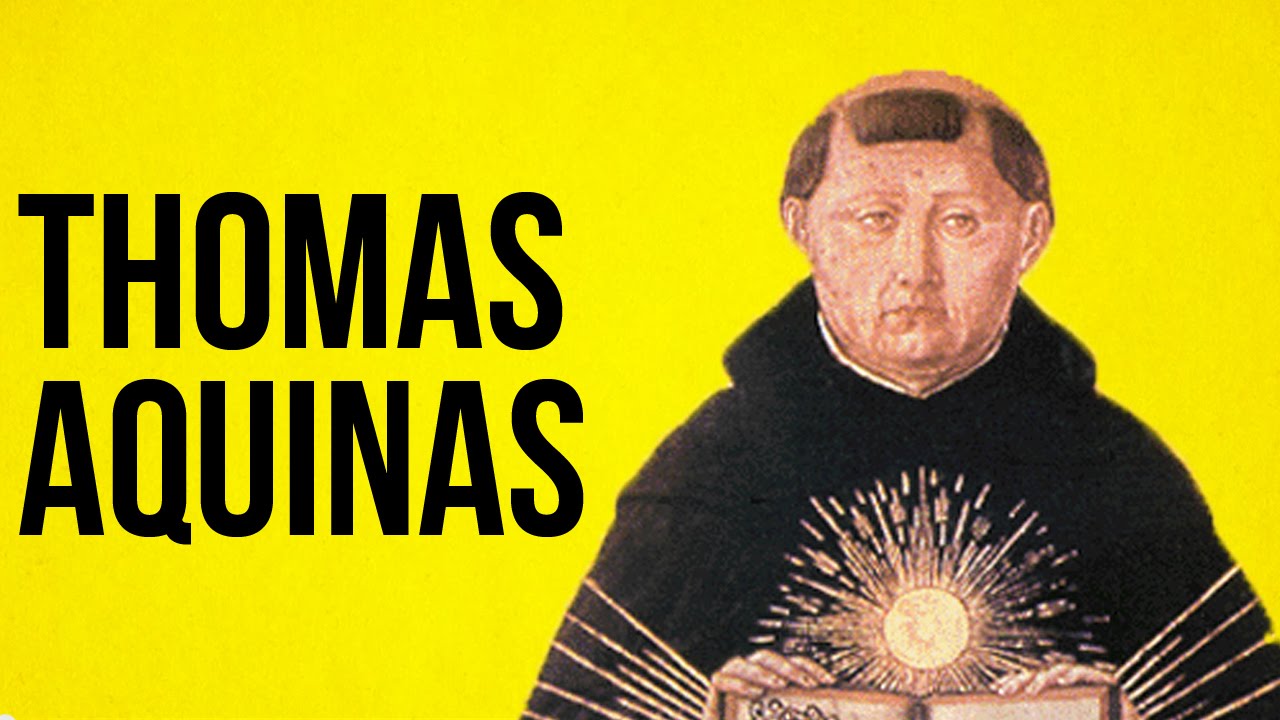
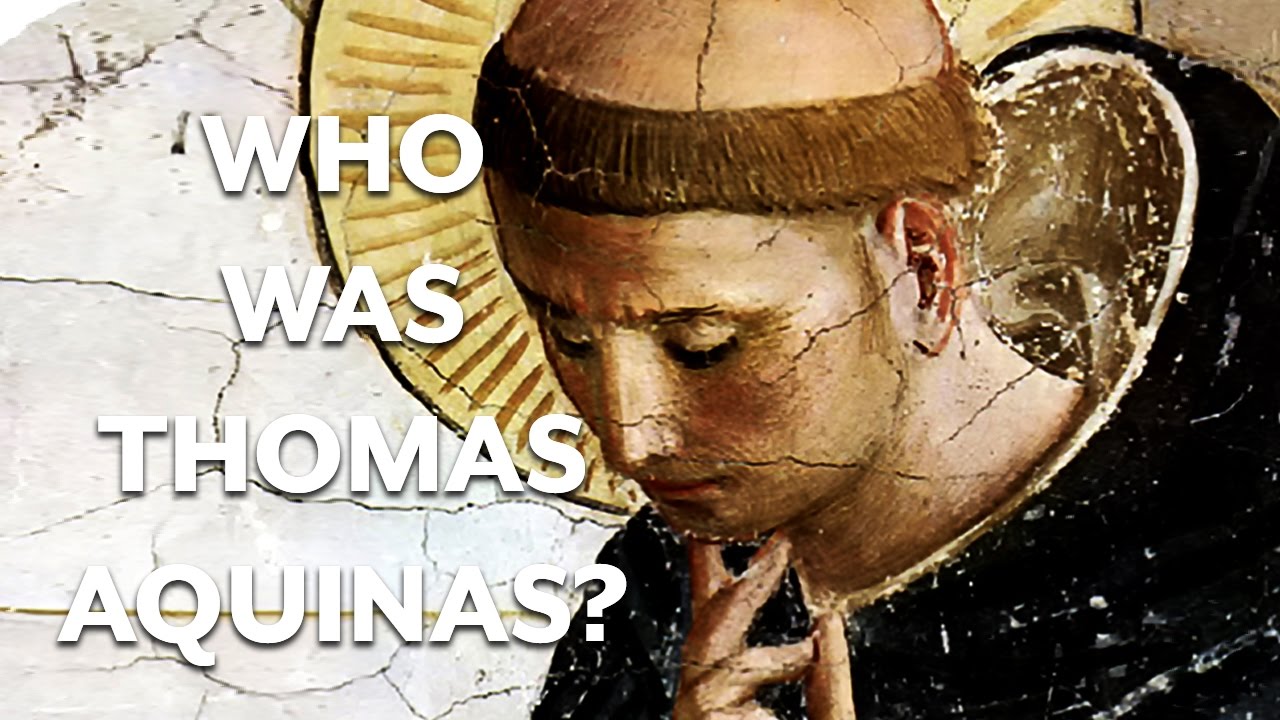
and sought to hold their friends and family loosely so that when they do eventually die it will not come as a surprise thomas aquinas treats natural law in his summa theologica a handbook of theology for emerging dominican priests in the 13th century now thomas is well known for bringing together the thought of aristotle with the catholic christian tradition primarily augustine of hippo aristotle believed that reflecting on and observing the world was a reasonable way to gain knowledge about it and about humanity's place within it thomas agrees in part thomas would say that because the world
was created by god with a rational order to it there is a form of natural knowledge that can come through observation and reflection and that every person has access to this natural knowledge but for thomas the gap between god and the world is too great especially because of sin for creatures to attain to the divine goal without divine assistance therefore we also need revelation and grace to achieve salvation and blessedness in heaven but the need for supernatural help does not negate the reality of natural knowledge of god and the good thomas says that natural law
is to practical reason what the first principles of rational demonstrations are to the speculative reason because they are self-evident principles now what does that mean well we use practical reason to live well we use speculative reason to make logical claims in logic there are some foundational self-evident principles for these to be self-evident means that we cannot offer any further reasons as to why they must be true the most basic one is what we would call the principle of non-contradiction that the same thing cannot be both affirmed and denied at the same time so if my
shirt is gray it cannot not be gray at the same time or if i'm wearing a shirt i'm not not wearing a shirt natural law provides a similar sort of principle for practical reason and here it is good should be done and it's opposite evil should be avoided this is because it's self-evident to thomas that in nature things seek their own good that means that every action so far as it's an intelligible human action is done for the sake of some particular good if you were to ask me hey why'd you do that the only
answer that you would accept as reasonable is the one that refers to some good goal okay so this is all a little bit vague it's like google's famous code of conduct which merely states don't be evil but for thomas the natural law can be developed into more specific precepts the goods we seek are dependent on the kind of thing we are at the most general level humans are living beings therefore they seek self-preservation as biological animals humans also seek to propagate their species through sexual intercourse and education of offspring and so forth as rational beings
however we also seek various intellectual social and spiritual goods in all these ways we're naturally led to those things that constitute our flourishing without which we would say our lives are somehow unfulfilled in light of this we might say that it's unnatural to be unconcerned about one's continued existence and that is part of what would make it wrong to act in such a way or that to abandon one's children goes against the natural order of the family and that is part of how we account for being wrong now there are some who insist that the
natural law gives a great deal of guidance on how human beings should relate to one another and there are others who affirm natural law but believe that it really primarily offers very general principles thomas himself noted that you can reason from these general principles towards specific rules for action but that the more specific you get the more the rules require interpretation and the more they admit of exceptions he writes as regards the general principles of practical reason truth or rectitude is the same for all and is known by all but as to the proper conclusions
of the practical reason neither is truth or rectitude the same for all nor where it is the same is it equally known to all he gives us an example to illustrate we can reason from the natural law that humans are social creatures and that we ought to live in a way that allows us to maintain sociability it's therefore reasonable that borrowed goods should be returned to their owners because such actions are required to foster an environment of trust in almost all cases this is the right thing to do but what if the owner comes to
you and passionately demands back the gun he lent you so that he can go kill someone else who's made him angry in this case it may be reasonable to withhold the borrowed object at least for a time and this does not nullify the natural law but specifies what it requires in particular situations and the point is that natural law truly provides reasonable universal first principles but that does not mean that its application will look the same in all times and places nature gives us universal guidance but the moral life is also complex










![[PSYC200] 1. What is Psychology?](https://img.youtube.com/vi/f69yXoKvntY/maxresdefault.jpg)