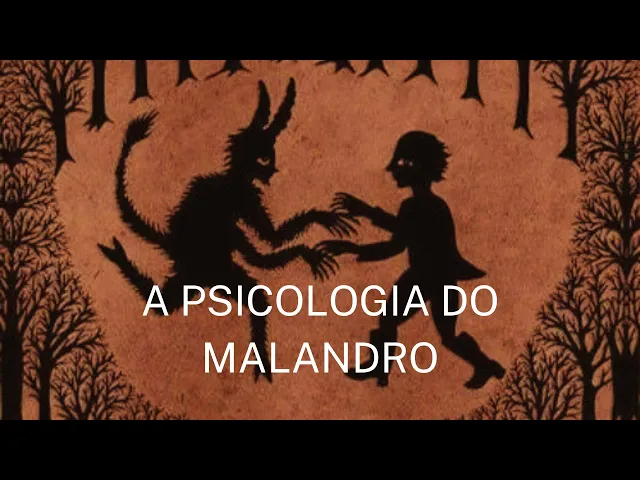
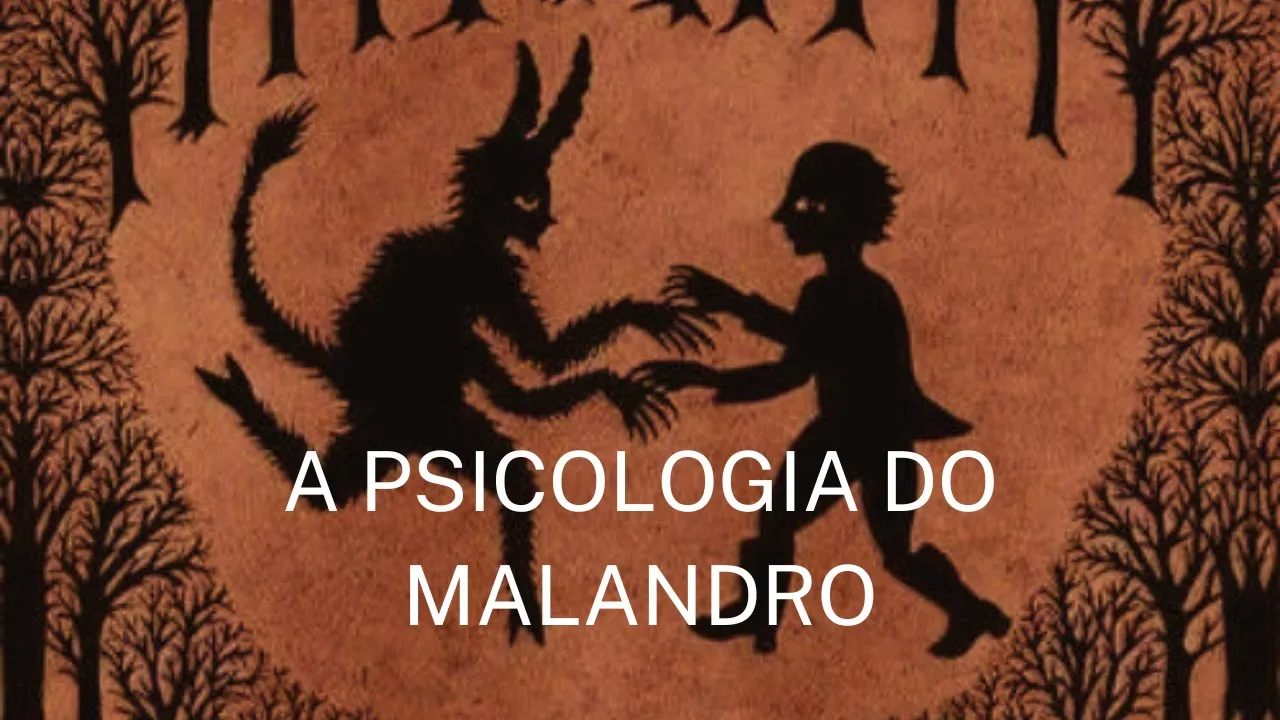
The concept of the trickster is a constant presence throughout human history, found in tales, myths and legends. This archetype portrays a complex individual, with a mixture of positive and negative qualities. It symbolizes the innate ability of the human mind to deal with the unknown, the insecure and the unpredictable.
The trickster is commonly portrayed as someone cunning and intelligent, capable of outwitting his opponents and adapting the rules in his favor. Their intriguing and enigmatic nature comes from their ability to shapeshift, deceive, and play tricks. However, its importance transcends simple mischief and trickery, as stated by Carl Jung.
Jung describes the trickster archetype as a fundamental idea that encapsulates cunning and often cruel playfulness that can both negatively influence and be a loyal ally. Often represented as an animal, a god or a spirit, the trickster is someone who manipulates and deceives. Your sharp intelligence and use of cunning are powerful characteristics that allow you to overcome challenges.
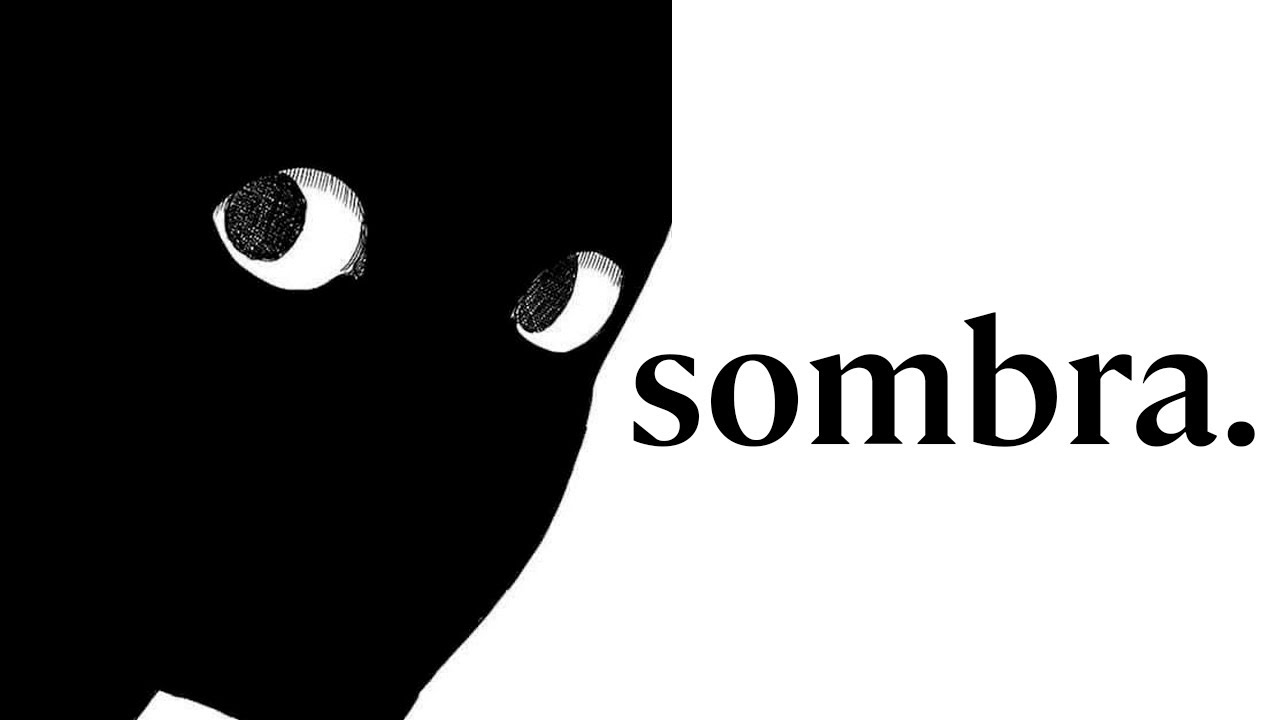
This archetype is present in diverse forms of cultural expression, from myths and folklore to literature and films, challenging our perceptions and confronting conventional wisdom . For Jung, the trickster is central to human psychology, representing the "shadow", that is, the repressed aspect of the ego. It symbolizes the psyche's ability to explore the unknown and the unconscious.
The ability to adapt and change is another fundamental aspect of the trickster, reflecting human evolution and adaptability. It represents the ability to overcome obstacles and find new ways to interact with the world. Ultimately, the trickster archetype highlights the human ability to face the unknown and unpredictable with resilience and grace, providing a deeper understanding of the human mind and its complexities, as elucidated by Carl Jung, renowned Swiss psychiatrist and psychoanalyst.
The trickster archetype can manifest itself in different ways, such as the willingness to take risks or the tendency to deceive others. Jung suggested that this archetype can have a positive influence on people's lives, encouraging them to challenge preconceived ideas and think creatively. It is deeply related to Carl Jung's theories, representing a fundamental component of the human psyche that allows navigation through the unknown and adaptation to changes.
The character of the trickster is common in many cultures, disrupting the status quo and offering new perspectives on the world, encouraging critical reflection and consideration of diverse views. Throughout human history, trickster figures have appeared in myths, tales, and stories from various cultures, each with their own distinct characteristics. Examples include Loki, from Norse mythology, known for his mischief and ability to help and harm the gods; Anansi, a cunning spider in West African mythology; the Coyote, a symbol of mischief and versatility for Native Americans; and Hermes, the messenger of the gods in Greek mythology, known for his intelligence and ability to deceive.
These examples illustrate how the trickster archetype is a universal presence across different cultures and historical periods, known for its humor, cunning, and capacity for change, but also carrying deeper meanings of a psychological and mythological nature. Through their deceitful actions, these characters provide us with valuable lessons and make us reflect on our own failings. Understanding the trickster archetype across various cultures and historical periods can help us unlock the mysteries of the human mind and better understand our dynamics in society.
One of Carl Jung's landmark contributions to psychology is the theory of the collective unconscious, which consists of shared patterns of behavior and experience called archetypes. These patterns are passed down from generation to generation, reflecting the cultural heritage of our ancestors. Jung also highlighted that the trickster archetype has a positive aspect, in addition to of your dark side.
It can inspire critical and imaginative thinking, aiding the process of individuation, which aims to integrate the diverse aspects of the mind into a cohesive whole. This archetype is present in both ancient myths and contemporary culture, manifesting itself in various forms and being portrayed in different media, such as literature, cinema and popular culture. In modern society, it can be observed in risky activities, political manipulation and even in artists who use tricks for their own benefit.
Characters like Huckleberry Finn, Han Solo and the Joker represent different facets of the trickster archetype, showing how versatile and omnipresent it is in culture and society. In short, the trickster archetype is a timeless element that permeates myths, legends and narratives throughout human history. Its presence remains relevant in contemporary society and culture, providing valuable insights into the human psyche and our functioning in the modern world.
I hope you enjoyed today's video. Don't forget to subscribe to our channel!