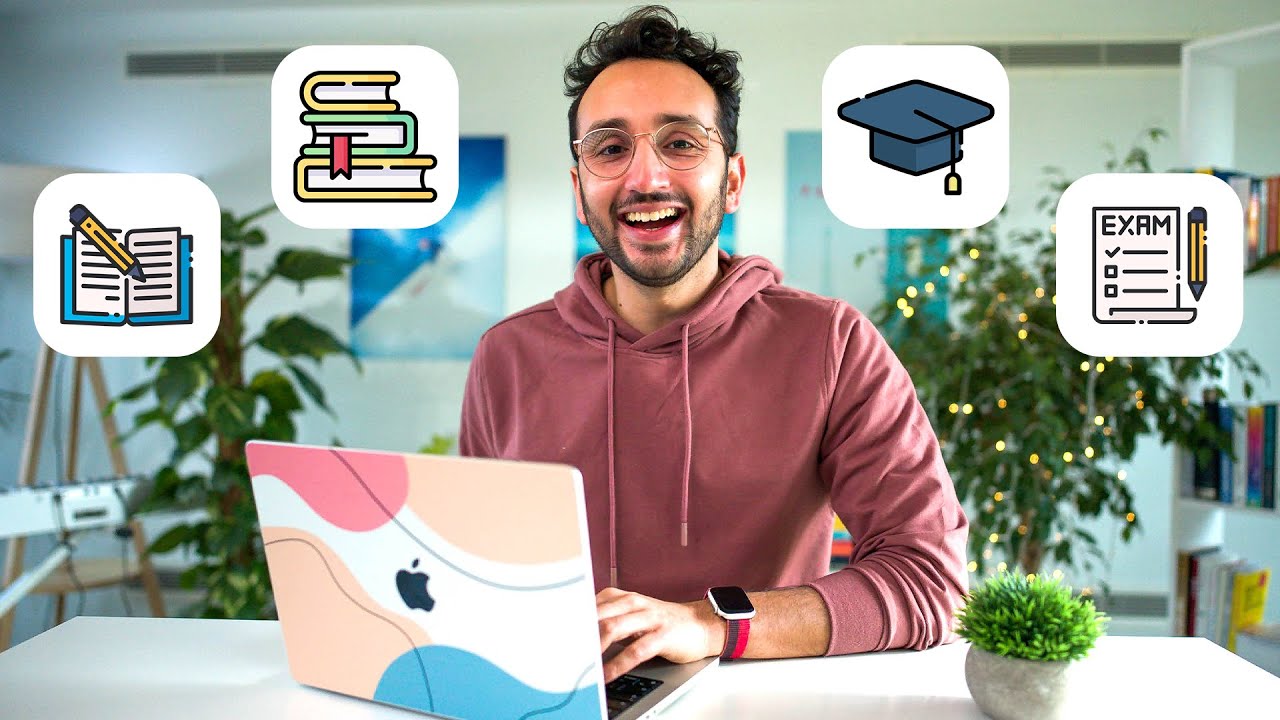
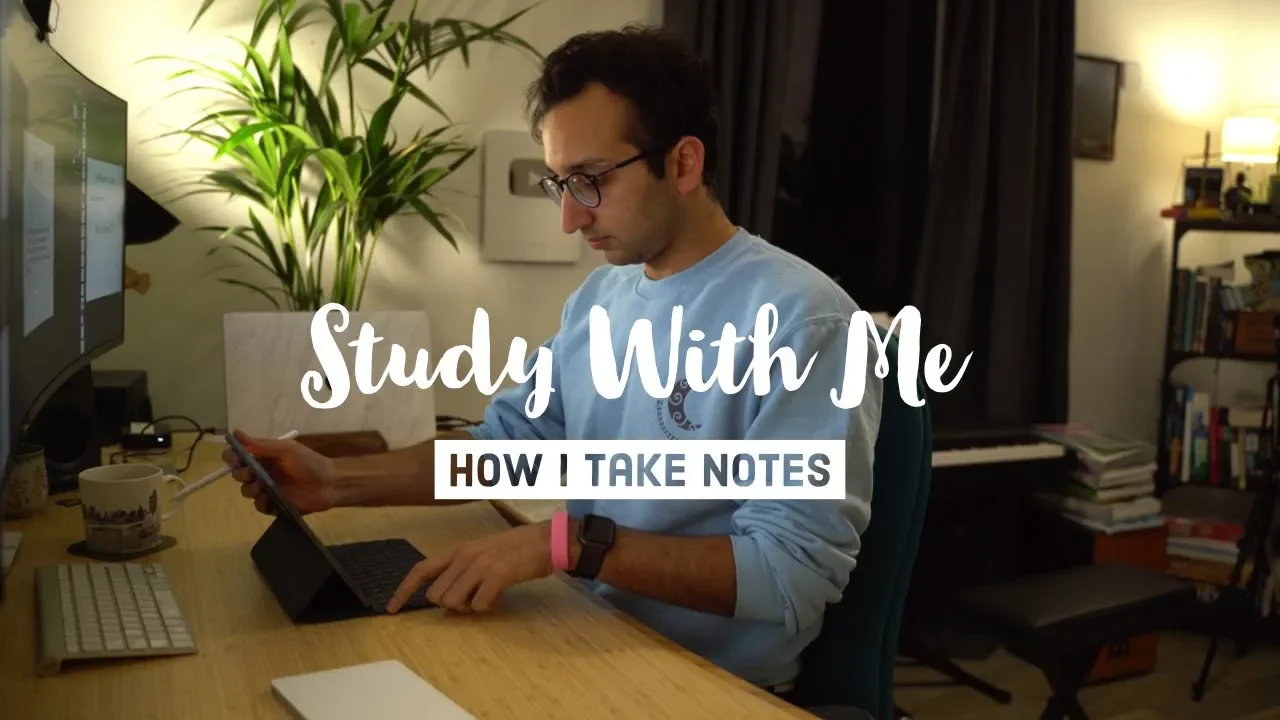
hey friends welcome back to the channel be new here my name is Ollie I'm a doctor working in Cambridge this is a study with me video where I talk through my study routines and methods today I try and have a productive evening after work I get home at around 6 p. m. after a hard day of saving lives and that's our turn on concentrate at the living room hey Siri play country music everywhere now playing pew country radio everywhere and after spending 20 minutes on the toilet I spend some time for fascinating from studying by cleaning the house washing the dishes making the kitchen Sparkle and changing into my study where after everything's tidy I sit down at my desk from 7:00 p.
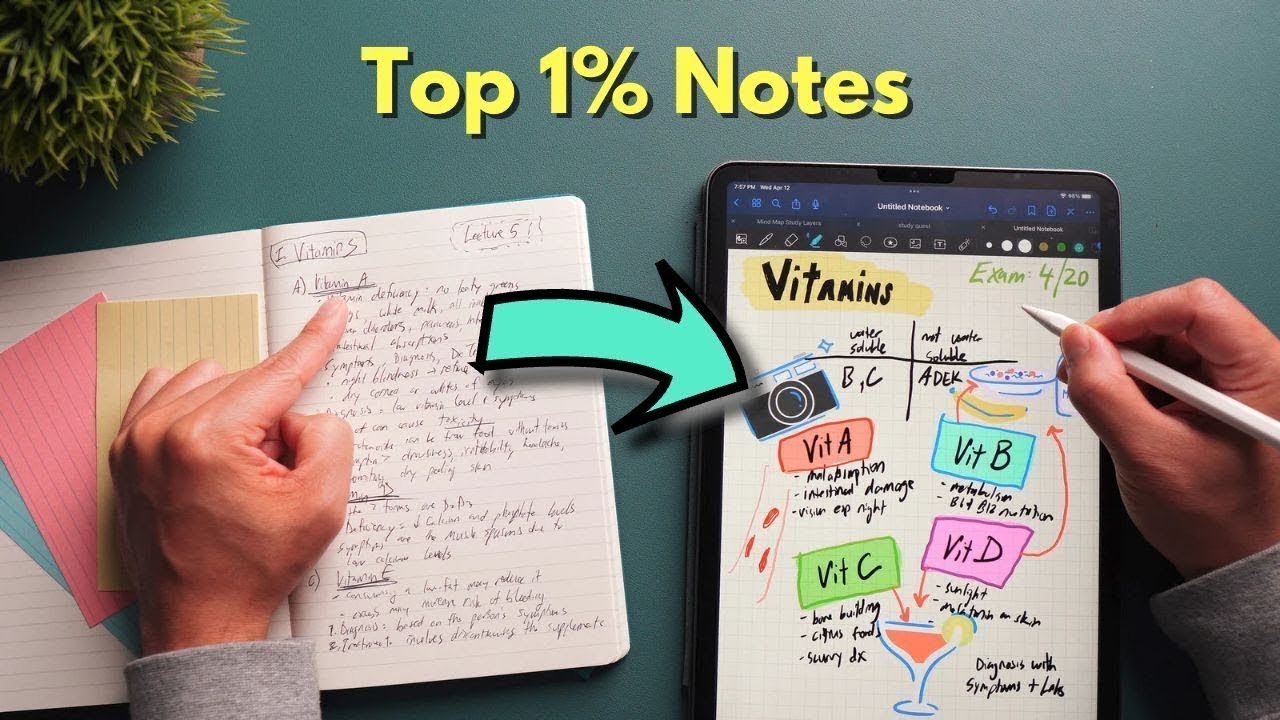
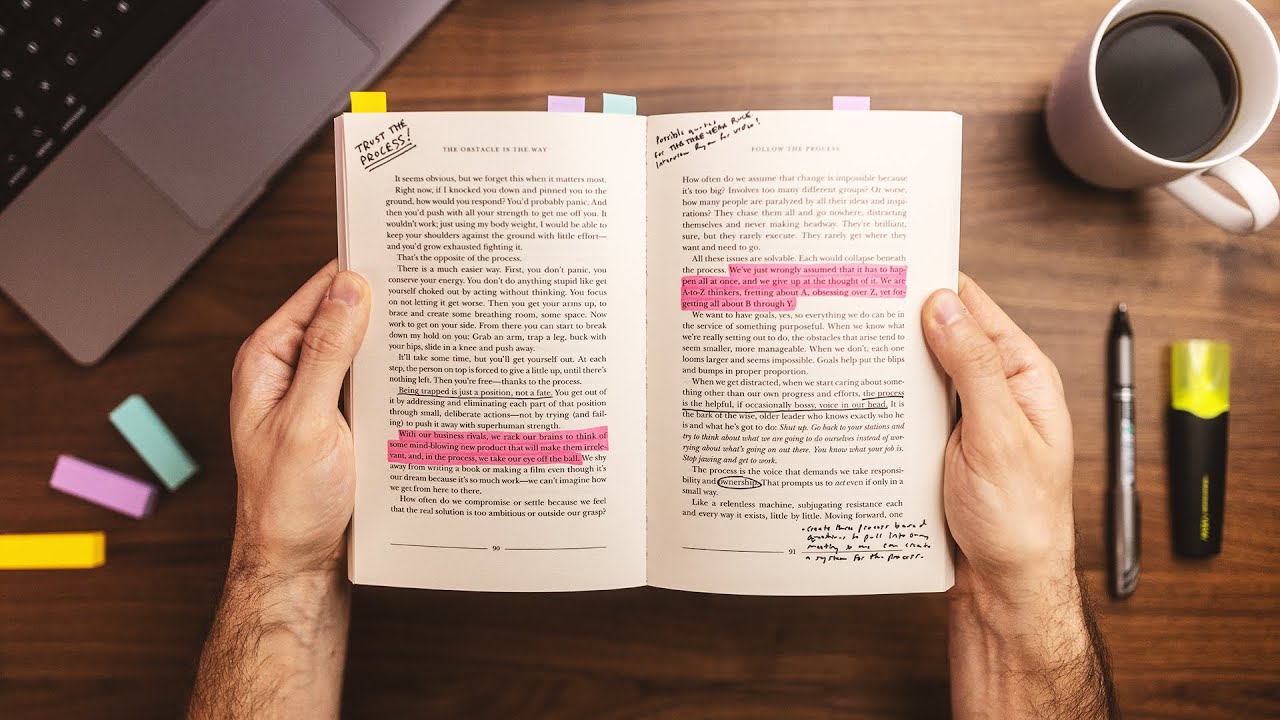
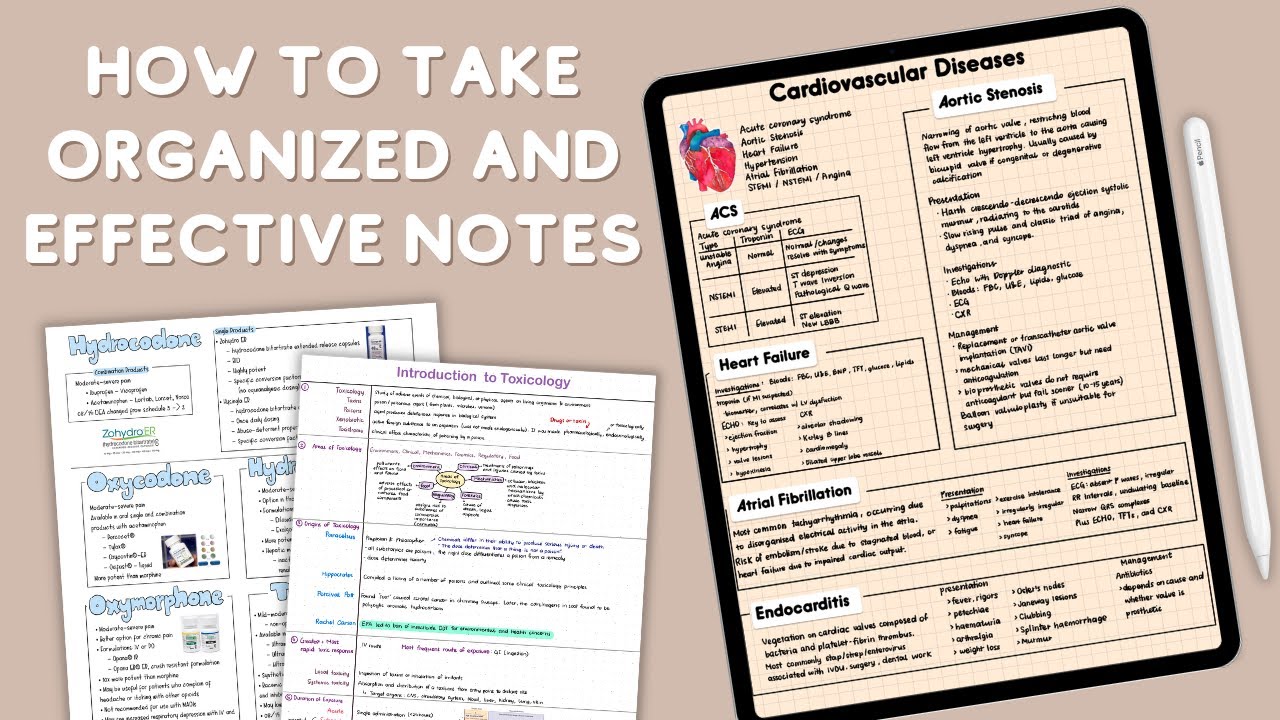
m. and then the real fun begins this evening I'm preparing for a physiology supervision that I'll be running for medical students quite excitingly I'm now a physiology supervisor at Girton College at the University of Cambridge and so every week I'll be teaching physiology to 10 incredibly lucky first-year medical students and so each week I'm gonna be spending lots of time refreshing my own knowledge of human physiology and trying to build teaching sessions around the various concepts at Cambridge the first topic we tackle is nerves into membranes so to refresh my knowledge about that I'd dig out the lecture slides that we got way back in 2012 and tries to get my head around the basics of cell membrane structure and membrane potentials using my enormous monitor I've got a triple window setup with the lecture slides on the right hand side my own keynote in the middle and an ocean window on the left-hand side to take brief notes as I'm going through the lecture slides I'm asking myself at every point does this make sense and thinking back to the stuff that I found difficult seven years ago and working that into my own slides for topics where the lecture slide isn't fully detailed or if I'm thinking this story doesn't make sense in my head then I'm using Google to try and find out more information this is the key when we're trying to understand anything new or old we should always be telling ourselves the story in our heads and if we ever get to a point where we're not happy with anything we do a bit of research and figure out why we're not happy with it while I'm grappling with these various concepts in my head I'm also taking note of the various VIPs that are mentioned in the lecture slides the Cambridge Medicine course is a bit weird in that there's a big emphasis on experimental evidence so instead of just knowing about membrane potentials we get extra marks for understanding the historical context and the various experiments that led us to the conclusions that we now take as fact and so in notion I'm writing down the important names and dates and if I need to add more information I can expand that into a page over time I'll therefore build up a database of experimental evidence and that'll be really helpful when writing essays or making flashcards for active recall further down the line by the way I often get questions from students asking how I take notes you might have seen my evidence-based study tips videos where I say that summarizing content with the book open isn't an effective strategy for retaining information compared to other things like active recall spaced repetition and interleaved practice and there is a mountain of evidence supporting this I'm working on a video where I discussed this whole note-taking thing in depth but as a general rule of thumb taking notes with the book open ie what I'm doing here is absolutely fine one way in the understanding phase of studying especially if we're synthesizing information from different sources and putting it all in one place so here for example I'm trying to understand the story of how the structure of cell membranes was discovered using some Google searches some review papers and the lecture slides and therefore I'm writing down the points to build up the story once I've understood the content however taking notes on it again and again would be a very ineffective revision strategy at that point I should write questions for myself or make flashcards and test myself on this information with active recall and spaced repetition so to summarize note-taking is fine when we're trying to understand the content for the first time but once we've done that and we are in the process of memorizing the content then testing ourselves is the way forward I do all this for about an hour until 8 p. m.
when I find my mind wandering and so I get up and warm a tupperware of food that I cooked a few days ago while eating I do my usual thing of watching a documentary on curiosity streamed the world's leading documentary streaming platform this one's part of an original series about nutrition and it tells me about the importance of having whole grains in our diet and the various positive health implications of that while watching this documentary I lament at the lack of whole grains in my own diet and resolve to eat more oatmeal and quinoa if you fancy joining me on this journey of being super productive and watching educational documentaries at double speed while doing menial things like eating food then head over to curiosity stream comm /le and if you use the coupon code early a checkout you can get a 30-day free trial to sample any of the documentaries that you like after food I make myself a cup of spicy chai tea before realizing that the milk is nine days today and there I was thinking that I've got my life together from 8:30 onwards I continue my quest to understand human physiology at this point I come across the maths behind the Nernst equation and spend some time really making sure I understand exactly what's going on and working through some maths problems I also try and weave together a story about how these equations were discovered so that if I were to write or mark an essay about it I could bring in experimental evidence to support my points after getting my head around this 80 year period of scientific research and understanding the equations I decided to take a break around 9:30 p. m.