You know I had a lot of teachers that were giving me labels lazy Lost Cause Troublemaker once I was helping another child and the teacher came over and said oh isn't that like the blind leading the blind they asked me one day what do you want to be and I said I want to be a doctor the teacher said well you better set your sights lower because you really just don't have have that in you I felt like I always had to work twice as hard As everyone else I was the kid who was going
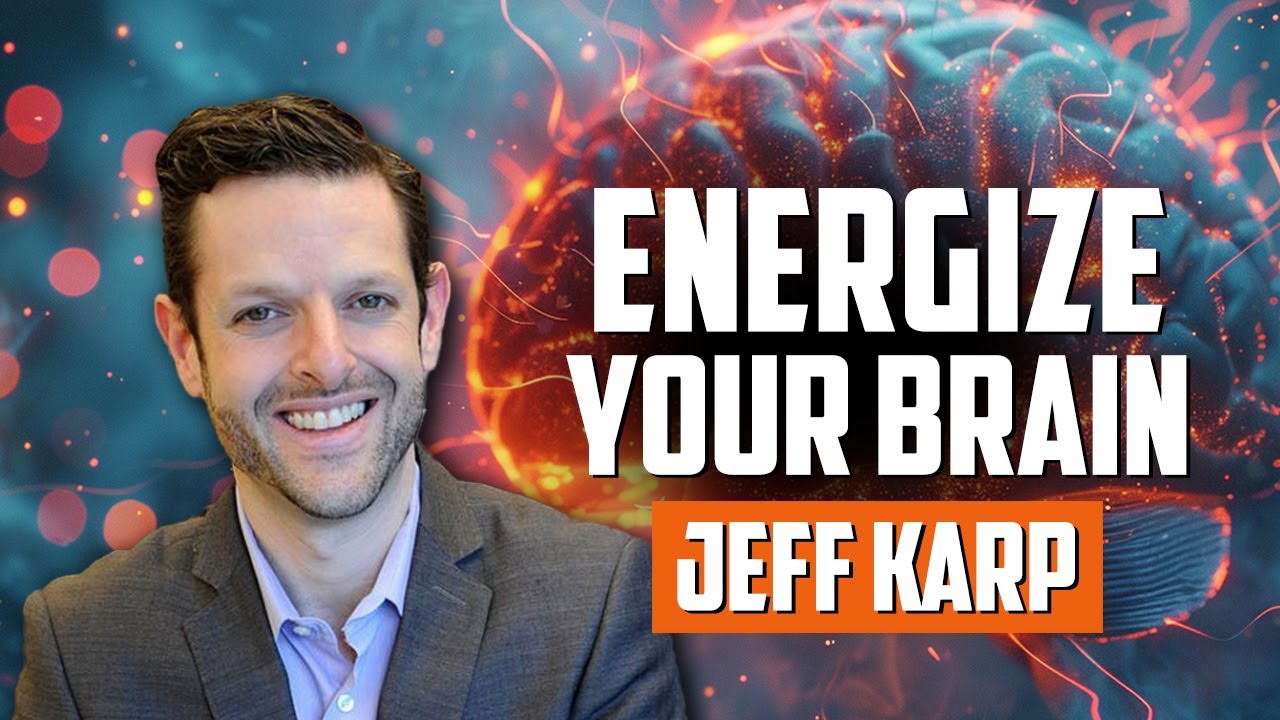
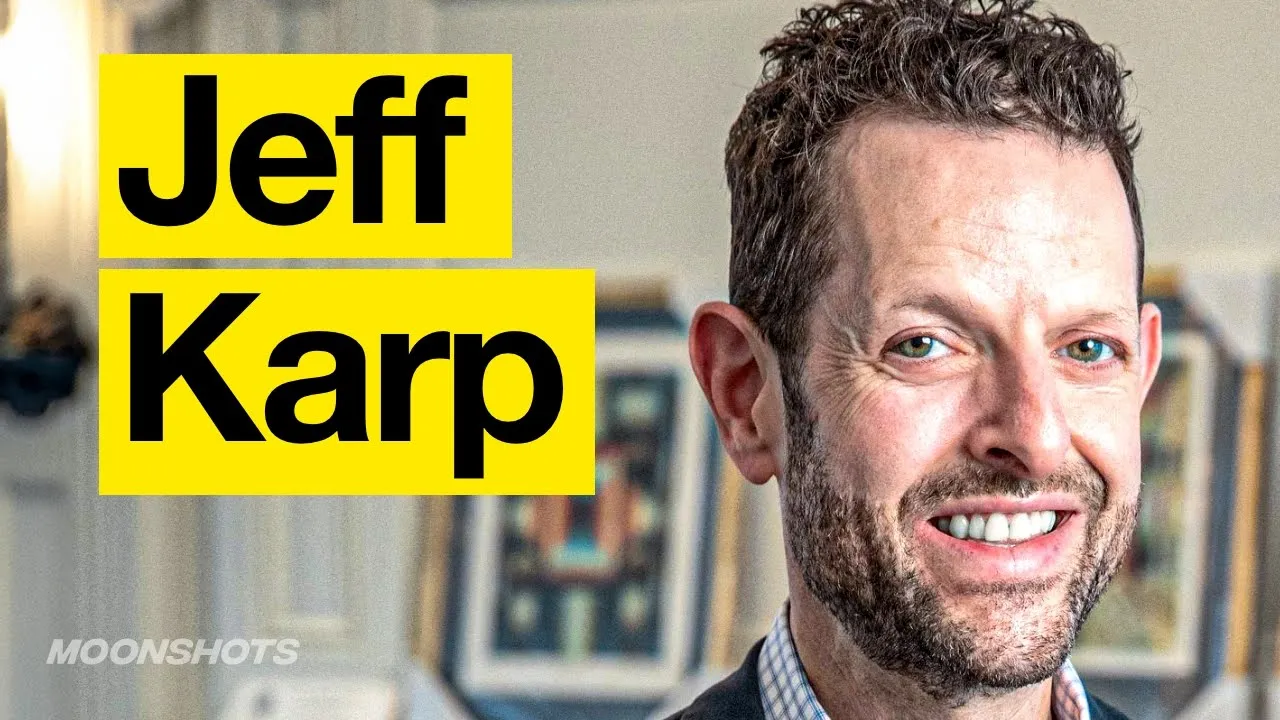
in on weekends like trying to meet with teachers to go over things and after school like I almost felt like kind of looking back like I had this Hardware in my mind but I didn't have software what's your advice to a mom or a dad in this situation with their young child what I've learned is um welcome to moonshots today I'm going to be speaking to Dr Jeff karp professor at MIT in Harvard the founder of 13 different Companies a gentleman who is using a whole slew of exponential Technologies to reinvent products that impact Our
Lives we'll talk about this product I love proy spray 99.99% prevention of influenza and covid-19 couple sprays in the nose it's like a HEPA filter for your nose but beyond that we'll talk about his book lit which is extraordinary talk about learning how to think about how you think uh interviewing 40 extraordinary Individuals on the processes that make them successful in life join me for a fascinating conversation if you love conversations like we're about to have have Please Subscribe allows me to bring incredible people to you we'll talk about his MTP his moonshots and hopefully
Inspire to go bigger and Bolder in the world Dr Jeff karp welcome to moonshots uh so great to be here thank you a pleasure you know this first time we're physically meeting we know it Have a lot in common because we both have these beautiful purple pilot pens which are which which I love uh you're at Harvard MIT now as a professor um my Alam Mater which I love deeply what's it like that right now are you is is it are you a kid in the candy store at this moment absolutely yeah yeah it's um
it everybody's coming up with ideas um our access to tools is just exceptional new tools coming online constantly science is moving at a faster Pace than than Ever and um we're really faced with tough decisions to make about what to focus on yeah I I think yeah it's interesting because there's so much going on in the whole biotech AI robotics 3D printing World new Material Sciences that it's like an abundance of massive entrepreneurial opportunities and uh yeah it's interesting do you know Martin rothblat yes yeah so Martin's been a friend for 40 years I mean
um during her Extraordinary journey and she once told me something that I've never forget she says successful people say no to most things the most successful people say no to everything and that's always been a problem for me just actually saying no and focusing how about you yeah it's definitely been a challenge especially um with my ADHD yeah I think um it's uh cuz I'm I find like I just have boundless curiosity about everything and um and but at the same time like I I Feel it's important to say no a lot of the time
but I think it's also important to say yes for things that you're unsure about because there's always opportunities to learn in every encounter and I feel that when I start saying no to everything it kind of becomes this algorithm that then limits me from it sort of Narrows what I potentially can learn about right because it it almost it it it reduces The diversity of opportun unities that I'm engaging in yeah and you never know where some right angle where you break out of a local Maxima and break into a brand new space of Discovery
and joy right I mean that's and and I think given where you are in the I mean as a professor I mean you run the carp Labs at at Harvard Medical School I want to dive dive into what does that mean that sort of we we mind mapped your world and I have like 40 50% on your Labs we'll Talk about that you know 40% on your 7-year effort on building this book called lit and then 10% on some other areas and then there's probably another 50% we haven't talked about yet right because it always
adds up to 150% uh but um in as a professor as a scientist as a researcher um going down rabbit holes has got to be part of the job description yeah no absolutely and and I think um for us uh it's almost one of Those things where whenever we come up with ideas for projects uh we get excited about it but I know now from sort of engaging in this process many times that our best ideas come from the challenges the roadblocks the hurdles that we encounter along the way that's when we actually become the
most creative the most insightful and so often we need to go down these kind of rabbit holes in order to discover what's truly most important yeah but you have Another uh element to you which is the entrepreneur um which is building companies and um that becomes interesting because while while you you've got to focus on the product the market and make something that people want and need and is sufficiently differentiated and and if you keep on chasing it um you never get something out the door yeah I had this kind of holy crap moment um
when I was transitioning out Of my post stock into my faculty position because I discovered that I was during my postto and my PhD I had very entrepreneurial mentors I trained in Bob linger lab um for my my postc and uh it was a holy crap moment for me because I really wanted to focus my laboratory on um not just publishing papers but taking that sign and turning it into products that could help patients but I realized that I didn't have a process for doing it I had observed other people doing it But I I
didn't do it for myself and anytime in my life where um I encounter something I can't do or I don't feel I'm good at I recognize that it's not because it's I'm inherently bad at something it's just because I haven't found a process that works for me and so I began to explore how my I engage and experimenting with various processes to find what would work for me so that I could develop a uh a translational program for my research w i that is Fascinating and and being in Bob Langer's lab right who's prolific uh
he George Church they're these prolific professors who are just driving science and building companies and and it's like again kid in the candy store type of you know when I was in MIT I was there from 80 through 90 at MIT and and and Harvard Med School um it wasn't the entrepreneurial era yet I think MIT cared a lot more about Nobel prizes than it did anything else uh how Do you feel it is now I was just on the phone literally before coming up here with two my fraternity Brothers Dave blundon and Mike sailor
both miters and both incredibly successful uh entrepr we was talking about um how do we how do we Stoke that entrepreneurial fire is is the ethos at MIT more about starting companies Now versus fundamental science I think so I think there's been a huge transition over the past um maybe 15 20 years or so and I think what's really Fueled that is um just a few notable academics who have spun off companies that have had massive impact on society like um Phil sharp with Biogen Bob Langer witha and many other companies and I think when
uh you know other sort of um colleagues academics see what's possible um there's this huge gravity to to sort of this realization that there's that there's opportunity to impact the world and such amazingly positive ways um through using company formation as a Vehicle and seeing examples of it around you I think just you know you kind of get inspired and it sort of creates this energy that you know maybe you could do it as well and I think now there's it's it's it's almost every Professor every doctor that I speak to in Boston um is
interested in starting companies yeah I mean because it's it used to be like discovering some fundamental truth of science or physics uh was was fascinating but now it's like Discovering it and actually using it to go and change the world operationalizing it yeah yeah absolutely I think one of the um one of the people actually I interviewed for uh for the book David Suzuki who's uh an environmentalist and he had um the longest running um show on Canadian television I think it call the nature of things and one of the things that you know he
focused on um in my conversation with him was um you know what what is enough and how we need to Spend more of our time on exploration because that's one of the things that I struggle with in my life is that you know I've focused a lot on translation um but at the same time the products that are being translated it also creates environmental challenges there's sustainability issues that come from the products that we're making and um you know it's it's sort of like trying to strike that balance between um exploration and basic science and
the Impacts of what we're developing but then also pushing The Fringe the the Leading Edge on um maximizing positive impact for humans and for for the Earth yeah and so the question becomes when you're trying to get what what are you optimizing around what's your optimization function right yeah um and and we'll come back to that um on this on moonshots we talk a lot about you know to entrepreneurs about your massive transformative purpose and Your moonshot like you know I Define an MTP is something that wakes you up in the morning keeps you going
at night it's your North Star it is what um uh what drives you what drives you I think what drives me has changed over time sure and and I one of the things by the way for me too right I'm in my third or fourth MTP I was like started at space then going out to you know uh solving Global Grand challenges and then supporting entrepreneurs and Now in longevity but so take me back what what have been your sort of like your decadal mtps if you would wow I love that question um such a
great framing um so I would say okay so I go way back um the the the initial initial one was really around you know I was struggling with undiagnosed ADHD and learning differences when I was younger this is at what age uh in the second grade when I was 7 years old um I'd sit at the back Of the class completely frustrated um feeling demoralized nothing was working um my mom tried flash cards Q cards um nothing worked I couldn't I wasn't able to keep up with anything wasn't connected socially with anybody uh and what
happened was the teacher at the end of the year pulled my parents aside and said that he would like to have me repeat the second grade um and my parents negotiated for me to spend time with tutors during the summer to Then be able to catch up and go on to the third grade and what happened that summer is um I went in one day and uh the tutor asked uh you know read a passage asked me some questions um I gave some answers um but then she asked me a question that no one had
ever asked me before that transformed my life and led to the first um you called it m MTP MTP yeah uh my first yeah massive transformative um purpose purpose okay okay um and uh and that was uh so I gave I gave the answers and then she looked me in the eye and she said how did you think about that and and that question actually created this new found awareness for me that um that was so transformative because it then became my mission to figure out like I almost felt like kind of looking back like
I had this Hardware in my mind but I didn't have software and I had to figure out how do I test various algorithms patterns that I was observing in other People to create my own software for functioning and surviving in the education system so that was my first sort of mission um that uh that that I was focused on what what's your advice to a mom or a dad in this situation with their young child well one one of the things that and I know you've got an entire book on this so we'll get into
it but well I think for me I've realized um and I I I feel like you know parenting is is Perhaps one of the most challenging jobs roles that anyone could ever have and the most most important for society and for important yeah um and what I've learned is um first and foremost is is just to find ways to support children in whatever they're experiencing and going through I feel like there's been this tendency for me with my children to kind of try to push them to extract potential cuz I see this incredible potential in
my children and I find myself almost Sort of treating them as if I was it was I was treating myself you know like I was sort of trying to extract I'm always trying to extract my potential and I feel that that doesn't work really well and what works well I think is the support just finding ways to support and one of the ways that my mom supported me was you know here I was like a CND student really struggling feeling like I didn't fit in like an alien um I think a lot of kids you
kind of slip through the Cracks and who have who are neurodiverse and become addicts um and my mom wrote speeches for me because there was public speaking contests and she would coach me in memorizing and then and and saying these speeches and I got better and better and better and I started to win competitions and so that was the one thing that I had going for me where I was able to build my confidence so I think that kind of the parallel or or potential there for you know um advice Maybe for for parents is
to find that one thing where whatever it does it could be anything where the child can build a little bit of confidence every day maybe it's like finding a mentor who can help um you know that that the child's really excited to to be with and learn from and to explore and build skills and really tap into that um the energy that we get from learning and gaining insights and and building a skill because I think that can really Carry the day and that always stays with you yeah I I think about my parents wanted
me to become a doctor I wanted to become an astronaut right and and that that struggle and I went through medical school and make my parents happy Shi my dad a copy of my diploma when I graduated and then went on to follow my my space passions I've come back full cycle to to Medicine a few decades later uh did your parents have a mission or purpose for you or I um I felt like you know there was a lot of dentists in my family there's some doctors in my family and and I I did
feel that that was sort of the path that people would um sort of there was appreciation for anyone in the family who you know the way people talked spoke about other family members and going into careers if it was like a doctor or a lawyer you know something like that a dentist um people would get excited about it so um but I Also I I think um you know I had a lot of teachers that were giving me labels um and so like like lazy um Lost Cause Troublemaker um once I was helping another child
and the teacher came over and said oh isn't that like the blind leading the blind um and then I they asked me one day what do you want to be and I said I want to be a doctor um and the teacher said well you better set your sights lower because you really Just don't have have that in you American education system at work ladies and gentlemen yeah so my parents were more focused on you know trying to um not let that become my label and to for for me to you know my mom constantly
was telling me she was like you know you have superpowers and it was kind of hard for me to believe but she said it so often that you know I started to believe it and um and I started to imagine it and kind of fantasize it about that um And I remember distinctly in elementary school like being in class like trying to almost like think like I could see things that others couldn't and I couldn't really but like I felt like maybe I could you know it's a confidence building game to believe in yourself and
not let yourself be put down by the world around you yeah so that was your sort of first MTP early on where'd you go next uh on on your purpose what was it that drove you so what happened was Um my uh okay so my Mom nobody wanted to uh to do anything about these challenges I was encountering no one was talking about ADHD at the time my mom went up against the school board on her own with a massive file she had recorded everything that teachers had ever said written about me all my grades
and everything and she went to the school board and actually got me identified as having learning differences which then got got me special accommodations a Little bit extra space extra time on my assignments and tests and exams and um I had been developing all these tools steuding patterns um in well how old are you at this point at this point uh I would have been um let's see uh maybe 12 um and uh what happened was my grades went from C's and D's to Straight A's and the struggles remained uh I felt like I always
had to work twice as hard as everyone else I was always I was the kid who was going in on weekends like Trying to meet with teachers to go over things and after school and just constantly working and and trying to focus because my I was pretty extreme uh ADHD and so the next sort of you know MTP phase for me um was focusing on how I could maintain Straight A's because my grades went to as as soon as I got into the seventh grade my grades went to straight A's and so I I just
kept focusing on I guess the MTP was on how could I improve my efficiencies because Everything took me a long time it was almost like um you know in the movie Terminator the original one there's this scene where um he goes to say something and the screen pops up and there's like five or six different options what he can say and he's trying to figure out which one um and then you know select something that's how I feel even today like it's like I I see many possibilities when I'm asked a question in let's say
in school um I don't I I See many possible answers and I don't know which one the teacher wants the most and so need time to figure out the probabilities around which answer to to give back and that actually makes it really challenging for me to help my children with their homework they don't like me they they say they don't want me to help them at all because I don't I don't really I I don't see the linear way that this education system kind of works and so so my focus then at that Time was
really on how do I how do I get more efficient how do I observe people around me and what are their tools and strategies for being efficient with their time and how do they approach problems and doing their homework and doing these things and what can I experiment with and I almost see everything is algorithms around me so I'm constantly trying different algorithms that I see in in environments how people behave what they say in Certain scenarios and then I try those algorithms on and see how they feel and I'm constantly iterating and adapting them
and so that's where a huge part of my life was focused after the seventh grade you you sound like a a a perfect analog for an AI Learning System yeah um that's everybody I want to take a short break from our episode to talk about a company that's very important to me and could actually save your life or the life of someone that you love company is Called Fountain life and it's a company I started years ago with Tony Robbins and a group of very talented Physicians you know most of us don't actually know what's
going on inside our body we're all optimists until that day when you have a pain in your side you go to the physician or the emergency room and they say listen I'm sorry to tell you this but you have this stage three or four going on and you know it didn't start that morning it probably was a problem That's been going on for some time but because we never look we don't find out so what we built at Fountain life was the world's most advanced diagnostic Centers we have four across the us today and we're
building 20 around the world these centers give you a full full body MRI a brain a brain vasculature an AI enabled coronary CT looking for soft plaque dexa scan a gril blood cancer test a full executive blood workup it's the most advanced workup you'll ever Receive 150 gigabytes of data that then go to our AIS and our physicians to find any disease at the very beginning when it's solvable you're going to find out eventually might as well find out when you can take action Fountain life also o has an entire side of Therapeutics we look
around the world for the most Advanced Therapeutics that can add 10 20 healthy years to your life and we provide them to you at our centers so if this is of interest to you please go and Check it out go to Fountain life.com Peter when Tony and I wrote Our New York Times bestseller life force we had 30,000 people reached out to us for Fountain life memberships if you go to Fountain life.com back/ Peter will put you to the top of the list really it's something that is um for me one of the most important
things I offer my entire family the CEOs of my companies my friends it's a chance to really add decades onto our healthy lifespans go to Fountainlife decomp it's one of the most important things I can offer to you as one of my listeners all right let's go back to our episode fast forward into your professional career what was your first MTP there there what was your first purpose so um my uh PhD advisers and my postto um advisor Mentor um were highly entrepreneurial and I saw by being in their Laboratories the potential of science to
have a massive impact on Humanity and um and so and then I realized kind of going back to this holy crap moment that I didn't have a process for doing it so I was I was on the hunt for how could I devel a process to maximize the translation of everything that I worked on how could every project I worked on turn into a potential company that could then bring products into clinical trials and eventually to patients and so what I did is I um by the way that decision to make sure that Whatever you
worked on actually wasn't just for a publication endpoint or wasn't just for some prize endpoint was actually going to be meaningful for society um probably was a critically important filter for you it was huge it was um and it was also I feel because I was open to the cues I feel all of us have this like core wisdom and in the environments that we're in if we sort of let ourselves sort of you know get into a state where we can um we can feel as We're observing what's happening around us and when I
was in for example Bob Langer's lab and I could just see H the positivity of the how science could be translated into products and really change people's lives and that that just to me seemed right it just seemed like that's what what I really needed to focus on and so it was um it just I just felt deeply connected to that and that became my mission um but I didn't have a process and so what I did was I said Okay um you know I started thinking about problem definition right so I started to realize
that what separates a academic project from a translational project that can really lead to you know impact is is the problem definition most of the time when we're doing academic Pro projects we focused on just the biology problem you know like what's the target what's the you know this this kind of thinking or the medical problem but I realized that It was almost like a ven diagram an overlapping overlapping Circ where there was also the manufacturing problem there was the patent problem there was the regulatory problem there was the biology problem there was the medical
problem there was the Practical implementation problem there was the sales problem there financing problem problem right there's all these things and so the overlap of all these things is where the problem definition lies if we don't Think about all of these circles we can't we we we we we we can't maximize our chance of solving that problem and so I asked this question and my whole life has really been about questions trying to figure out how to get better at asking high value questions and so I said okay well I don't have expertise in these
areas but who does and I realized in the Boston area that there's like the world leaders in all of these circles and so what I did is I committed to Start meeting with people and not just meeting but actually is not just networking forming relationships and so every 2 to 3 weeks for 10 years I would meet with patent lawyers corporate lawyers reimbursement regulatory experts manufacturing experts people in Medtech Pharma biotech consumer health and I would look I would I would meet with them I would go to all these mixers and networking events and seminars
and I would go and I would ask questions and I Would try to develop the skill of interacting with people and finding ways to develop relationships and what started to emerge from this was I an informal Advisory board for my lab and so as we're advancing projects I can reach out to people and say do you think this could be manufactured or investors interested in this what would the clinical trial look like if this was to succeed what would be the comparator because we want to include that early in Our experiments to Define what we're
doing if it's important or not to make that the North Star and so that ended up serving um this Mission this this MTP because it it it it created this Northstar that then enabled um my laboratory to spin out almost every major project from my lab has spun out into a company I I love this I this is a master class um you know moment for entrepreneurs here because a lot of entrepreneurs figure I need to do this Myself right I need to know how to do this I need to read the right book watch
the right YouTube video but in building this ecosystem around you um did you just go was it a haphazard or were you like I need to find a a great patent lawyer and you ask around and knock on their door and then what were you offering them was it like hi I'm Professor karp I do this thing I just would love to have a conversation with you how would someone replicate that Because it's a brilliant idea so um what I would do is it was very experimental um it was not at all I just felt
this gravity that I needed to do this and that this is and I didn't I didn't exactly know it would lead to this informal Advisory Board as it did that just kind of unfolded as as I was advancing in this process but I just knew that I needed to I wasn't able to learn the expertise on my own and I had to develop relationships with people who Had that expertise and so what I offered was I um would talk to the people I was meeting about the projects that were ongoing in my laboratory and I
sort of kept it open that their input could direct help direct the trajectory of the product of the technologies that we were developing and so I think that generally humans want to work on things that are important and that can have impact and so by tapping into that common energy um Know I was able to develop the the connections around that and so people kind of felt as I was meeting with them that there that I was taking their advice seriously and that I was going to incorporate that into the projects in my lab which
then created a connection so they wanted to follow up they wanted to see how their advice led to the next sort of pH it was a Purpose Driven investment on their part you know and and like I like I teach and and speak You know from the mountaintops where I can do something that's meaningful do something that can change the world we don't need another photo sharing app and I mean the reason people follow Elon with SpaceX or with Tesla is because he's got this massive transformative purpose and people want to be part of that
people want meaning in their lives yeah and so this was not a financial transaction with these folks no it wasn't at all um in fact I mean that When I was meeting with them it was really at the highest possible risk stage of the projects we were just beginning um but I think that the people in the community also felt like um not only that they were sort of felt invested in the process because I was taking their advice seriously but there was also this potential for the future that if things started to work out
that they might be able to be involved in the translation process and that's what Started to happen is that as we Advanced things in the lab I kept in touch with people I I saw their advice kind of over and over again and then at when something got kind of ready to be translated there was a whole bunch of people who already knew about those projects and that I felt is also one of the key things is that one of the hardest things in spinning out companies is finding a CEO who has the capabilities and
the network and the Adaptability and the relationship component um and what I realized is that when I started looking around what sort of the standard process for spinning a company out from Academia was was to push the project as far as possible and then to go find a CEO but what I discovered was if I could meet with C meet with potential entrepreneurs potential CEOs of future companies early on involve them then um there was almost like a number of potential CEOs that I Already was interacting with I already had relationship circling and felt ownership
yes yeah and feeling ownership and by the way um you know you're a Serial entrepreneur as I am and until you find that CEO you're the CEO and you in it you'll get just pulled into the details you need that amazing person yeah um I I love this uh uh you mentioned the idea of your life has been about asking questions one of the things I speak About to my kids and to the CEO I Mentor is the single most important thing to do is ask great questions mhm that is everything everything yeah well um
there's actually uh like maybe just three points that I can I can um sort of shed on on the questions um the first is is actually um between the second and third grade when I had this transformational experience with with the tutor who who said how did you think about that that sort of LED sort of Created this new found awareness for me and um I realized that when I asked questions that you know I couldn't really pay attention in class but anytime I asked a question I could hyper Focus for a few moments afterwards
and whatever was said to me imprinted in my mind I could connect it to other things I knew and I could recall it later and so I discovered very quickly after that moment that questions were key to my learning interesting and that's why as I Navigated my undergrad my grad school um I I stopped going to a lot of my lectures and I would just um focus on figuring out questions that I could ask other students or go and ask the professor um you know so so so you know questions became the key to my
learning if I was in a class where I couldn't lot of a lot of lectures were so big that they didn't allow questions so I I stopped going to those lectures because it just you know I needed to ask questions so that's like one sort so so discover the discovery of questions being important was sort of like happened in elementary school but then what happened is I got into grad school and um I it was like I was about to learn this this whole new Avenue of asking questions this whole new level and what happened
was is that you know academics typically go to into seminars and um you go to these invited speakers and you sit there and you know I started Going when when I entered grad school at University of Toronto and then at the end there's the question and answer period yeah and people start asking questions and I was blown away by the level of questions that people are asking and those questions weren't coming to me and these questions were going right to the heart of what the seminar speaker was talking about and I almost started shaming myself
like why aren't these questions coming to me Because IID focused my whole life on asking questions and so I started to think um you know what could I do to develop my skill because again it's like I know that if I'm not good at something it's because I haven't engaged the process that works for me yet and I started to think about it and I realized that there was potentially an opportunity for pattern recognition so the next seminar I went to everyone was focused on what the speaker was saying But I was focused on something
different I was focused on the questions that were being asked and I wrote them all down I went to seminar after seminar and I wrote the questions that people in the audience were asking pages and Pages for like two or three months and then one day I just stopped and I looked at it and next day I'm looking next day I'm just sort of thinking about it and then boom light bulb moment I realized that all the questions that were being asked Fit under four or five different categories one of them was was the experiment
working did the person act did the scientists have the right controls um you know some experiments are really complicated another was are the results important so if they were developing a diagnostic for blood and they did all their work in saltwater saline and the results looked amazing um you know was relevant it's not relevant exactly and then so the another one was Um did the did the speaker overstate their conclusions did the data support what they were concluding a lot of the time it actually doesn't then there were questions around statistics and there were some
other questions so once I had that awareness of the motivation behind asking the questions the next seminar I went to it was like I had my detective hat on I was taking notes all the questions that others were asking before are now coming to me and not only that I'm like tapped into my curiosity like I'm because I'm thinking of questions I'm I'm also thinking of the next potential experiment that that person could perform or other applications of their work so I'm able to tap into my creativity and so what I realized is that questioning
is a skill regardless of where you're at you can always you know move that skill forward and I've brought that to social settings as well where there's always like you know early In my life I really struggled socially to connect with people and so what I started to do was Observe what are the the people who are really good at at connecting with people and you know the schoers and social settings what questions are they asking and I start listening to those questions and then I start asking those questions experimenting TR you're training up your
neuronet yes yes it's it's uh it's a beautiful thing you know questions are Such a powerful part of our Lives I mean I learn so I use questions for example when I'm I'm going to give a presentation um I will write out the questions that I want to ask myself and then present answering the questions I've asked myself in that structure right yeah and then for me when I'm on stage uh the most fun I ever have is in is the Q&A that follows a keynote right and a lot of times I'll just foro slides
And forgo everything and just have a conversation with the audience my favorite time is like I'm going to say a few provocative things up front and then I jump into the audience and I challenge them call [ __ ] tell me what you disagree with yeah what are you concerned about and just get into a conversation because it's so more unfortunately we go into a lecture mode otherwise it just you know glosses over people numb out yeah I totally relate to That in fact one of the things that I'd like to to um to do
in my laboratory is um when people are presenting data I like them to put a title with a very bold conclusion that may even overstate the what the the results but that will provoke a reaction in the room so we get the best thinking to happen at that moment versus just like watching somebody you know speak and no what does this what does this mean right what is the what does the data mean in its best Possible case yeah uh I want to take you to um what your massive transformative purpose is now and on
the on the lab side we'll talk about the book side a little bit sure and what is do you have a moonshot or a set of moonshots where you know I Define a moonshot as going 10 times bigger in the world where everyone else is moving at 10% right where you want to just make you know to use jobs and words make a d in the universe what what is it that drives you there right At this moment yeah yeah um so uh well you know really it's about uh it's about the book and uh
and we'll come back to that but focus on your science a little bit first science yeah um well for for me I feel like um the the the moonshot is really in in training and in trying to I feel like I I've spent so much time in deconstructing problem definitions and creating an Ever evolving process for solving problems and I would love to bring that to the World in the most massive way possible um so so the learnings that you've had in doing in the successes you've had you know I was talking to Elon and
once he said you know the design of something rounds down to zero in the Opera in in the process of manufacturing or making it um live on and so it's like it's all of the processes that you've been developing that you think of as the most valuable assets you've been creating is That true yeah I I I think that's I think that's it and and and and and I think a big part of that is is problem definition like for example when I look at the xprize rfas um I'm very inspired by the problem definitions
because to me the way to make the big the biggest impact in the world is to focus on problem definition and that can then mobilize the problem solvers to come in many who which are not able to to Really Define the Problems but once they see a defined problem they can contribute their skills and their creativity to solving it and what I see in the world is that a lot of the problems are not well defined and they're ambiguous and so what ends up happening is that um they're great sort of maybe discoveries or science
that is done but that is not translated the goal of a lot of these initiatives is is outwardly stated as translation but yet the problem definition is not defined in A way that the problem can be solved or that you maximize potential for the solution so I think that needs to be moved forward yeah I think in the entrepreneu world that's also defining a a product Market fit becoming really clearly defined about what the market needs and what you're delivering and and um yeah like one example just just just to throw it out there is
is um it's like in in an academic lab um you know for we're trying to think of a a solution For something we might say okay we're going to have a drug delivery system and we're going to put like you know three or four different molecules to deliver in there and each one has a purpose and this sounds really great but then if you look at it from a translational angle that becomes EXT extraordinarily complex it becomes so risky to to do and even like you know the clinical trial of of having individual arms for
each of the agents and and there the complexity of Quality control and you know all of these things and it just to me there's all these amazing problem solvers who are thinking that like that that that are are missing this concept of radical Simplicity for being the guard rail the guard rails for bringing their science to you know to people in the most impactful most efficient way possible and to me that there's almost like this process we're not formally trained in science in terms of how we Could impact the world and I think that because
I've focused uh for many years on trying to figure that out and I'm still trying to figure it out trying to make it more efficient and there's always things we encounter that are big unknowns I just feel how do we bring that process to to the scientific community in the most you know most impactful way so that people can start thinking about like you know there's a like if if we're going to Focus for example on on an academic um sort of exploratory project it's okay to have a 10-step synthesis to create something to test
to question to you know that's fine but if it's a translational project and it's a 10-step synthesis you know most of the time that's not okay that's going to that's far too complex now it might be okay if you can demand you can you know create you know get like massive investment and H you know like it just it's still Possible but it's so risky to advance something like that it's sort of like okay how do we take that St 10 step process and turn it into one step that's how I think you switch from
exploratory to a translational project yeah for sure I want to dive down and explore one of your companies one of your products in fact we've got one right here called profy um which I love and thank you for this I what what's the story behind profy where where did it begin where did This where did the seed for this originate so when when Co hit and what is it yeah um when when Co hit we were uh developing a nasal spray to treat multiple sclerosis there's a lot of immune cells in the nasal lining um
and we had developed a a platform um spray that could um attach to the lining of the the nose stay there for long periods of time and deliver drugs um to those immune cells and we started to get some pretty interesting results um Co hit um And we asked this question every single project in the lab how can we help and we started to discover um based on previous reports and some new science that was being developed that um Co spread via droplets um they stayed in the air for long periods of time even after
someone infected left the room that these um droplets so so the six-foot rule was not actually going to be a valid option right right exactly yeah I mean some arbitrariness to that To the to the six feet um but you know we got to start somewhere right we got to put something in the ground and then and then sort of use that as a way to to discover you know what how we might change it so um we also started to learn that covid combined to goblet cells that are in the nasal lining and that's
a major Anchor Point and in fact we started to understand that many respiratory pathogens actually anchor and get you know kind of take hold in The nasal lining that's the major entry point into the body and so we started to think okay how can we help and we thought okay could we develop a three-prong approach um for creating a nasal spray that could effectively capture respiratory droplets that could prevent a barrier for the virus to cross the epithelium of the nasal lining and could we also neutralize the virus and potentially bacteria um uh when it
binds to this um this spray and so what we did Is we also in the concept we we we sort of Applied this concept of radical Simplicity because we didn't want to include drugs in it because we knew if we put drugs in it that it was going to take six 8 10 years to bring this to to Market and so we said we're only the guard rails were we're only going to use agents that are on the generally recognized as safe list or have pre previously been used as excipients pharmaceutical excipients in nasal Sprays
and so we looked at that entire landscape and we started um um sort of looking at the individual components there's preservatives in nasal sprays that can prevent bacterial growth there's surfactants uh in nasal sprays surfactants can you know soap is highly effective for most viruses and bacteria if you um um you know kind of wash your hands long enough you you kill most things and so we started to experiment um uh you know looking at hundreds of Different combinations of agents that we thought might sort of achieve the these properties and we discovered a formulation
where we got in laboratory conditions 99.99% kill of covid-19 H1N1 influenza A&B adino virus RSV um e and a form of pneumonia um and this was with an infectious disease researcher that we teamed up with at the bringham and then what we also did is we administered 10 times the lethal dose of H1N1 um via um nasal drops to a mouse and they all the mice they don't do well they all die but if we pre- administer the proy formulation they all survive and we saw minimal viral load in the lungs that's extraordinary so what
we did is we teamed up with two regulatory advisers one Peter Hut um who was previously The General Counsel at the FDA another regulatory adviser um and then an international toxicology consulting firm they all agreed that the Agents that we had in proy um were safe and that we could regulate this as a cosmetic we can't make strong claims about this product but we can talk about the science that we've conducted in the lab and the article that the science that we've been doing we've put out into the public access so anyone can see our
data and we've submitted it for peer review so it's out for peer review right now so so when did this become available so um so I launched the product at um The near future Summit in October amazing conference yes yeah yeah so I so October of of last year of last year what that was 23 yeah yeah exactly I mean this sounds like what everyone should have on their shelves and I now have this um can I try it for sure yeah so um what is happening um as so what's in here a surfact so
we have uh yeah there's there's a few ingredients that are in there proy everyday nasal spray so this is actually something that you Would recommend s it was a prophylactic Everyday Use yeah I before you got on an airplane when your kids are sick at home exactly yeah before a meeting before you go to an event a concert um so I take it twice a day when I get up in the morning uh and then midday um and uh and actually we we have some data that's emerging from the lab um that this may be
effective for allergies as well to prevent um allergens from getting so kind of creating a barrier to allergens Um so the data actually is quite compelling and we're still doing some experiments to I think of this is sort of a a HEPA filter for your nasal cavity I love that yeah yeah yeah yeah exactly there go yeah um yeah yeah super easy Pleasant nothing negative yeah yeah it's like a a gel composition um most of it's actually water um so there's you know it's like 2% gel and and other components so so I'm I'm just
thinking About this because it seems like this is extraordinarily simple effective but you can't make medical claims but you can't what what can you say about this well what's on the box is kind of what we could say and we're sort of experimenting with that um as well uh and we do have plans to uh to investigate this more rigorously in people um and um you know we're just sort of in the process so is this is this available online or yeah yeah you Can purchase it online what's it cost by the way uh it
cost uh $20 for a month supply uh so so that would be two uh sprays uh a day you know one in each each nostril so for 30 days or so yeah I have my longevity Platinum trips that I I give out uh products and I need to put this in everybody's uh everybody's bags yeah no this is uh so I remember um University of Washington has a protein design labs and they had been talking about a nasal spray for something that Would bind find the uh the spike protein M and disable it in that
regard but this doesn't work in that way no this works I think like you know it's similar to how soap Works essentially so we're we're um disrupting the membranes of the the um viruses and bacteria and that can neutralize them and so it basically reduces the load that your immune system has to to fight exactly yeah I I kind of think of like protection layers so um you know masks will provide a certain Level of protection dependent on The Masks um actually I did a lot of work with masks when when um Co hit um
I co-led this initiative to create a backup plan for n95 masks so just in case the hospital system ran out of masks yeah and um we made a lot of interesting sort of observations which is um when people wear generally a surgical masks that the mass material is quite good at filtering out covid and other pathogens the problem is is that It only filters about 40 or 50% of the air because there's gaps that occur in the mass so a lot of the air that you're breathing in and out is actually not being filtered and
that's where n95 comes in um and we actually one of the um technologies that we also developed during covid was we developed a surgical we took a surgical mask which is you know readily available and you know has a wire on the top we added wires to the sides and the bottom of the Mask so that You can face fit it like an n95 then we created this flap on the inside so if you cough the flap opens up and captures the cough more efficiently and then we put these little um kind of uh additions
here so that you could cinch the um you could cinch the strap to make it tight like to have a a really good fit you know we we ran a mask competition at xprize uh we asked the wrong question right we were asking we over we over specified because we asked For competition to design a new mask that would be more effective manufacturable and so forth what we didn't ask was create a mechanism that was cheap and affordable and easy to filter out because this would have been an even better solution so um uh your
process you found a you you FL you floated this as you spun this out as a company found a CEO yeah how long was that process of going From the idea to the product and then getting it launched as a company so we started working on this in uh 2020 so I think it was about three years for us to um to for the discovery phase um the iteration all the experiments we did you know the formulation um then to find a CEO to find an angel investor in New York so we raised a million
dollars for it um through sing Single investor um and then to find manufacturers to um you know and and uh you know build the right Model systems for testing and then to eventually launch the the product amazing um how's it doing so far yeah it's doing great it's doing really great um we haven't really put much into marketing it's more just sort of Word of Mouth right now yeah um and uh and where do people go what website where can they order it from it's uh just proy spray.com is the is the website um and
can you get it on Amazon as well yeah you can also Get it on Amazon amazing yeah yeah um amazing did you see the movie Oppenheimer if you did did you know that besides building the atomic bomb at Los Alamos National Labs that they spent billions on biod defense weapons the ability to accurately detect viruses and microbes by reading their RNA well a company called viome exclusively liced the technology from Los Alamos labs to build a platform that can measure your microbiome and the RNA in your blood now Viome has a product that I've personally
used for years called full body intelligence which collects a few drops of your blood spit and stool and can tell you so much about your health they've tested over 700,000 individuals and used their AI models to deliver members critical Health guidance like what foods you should eat what foods you shouldn't eat as well as your supplements and probiotics your biological age and other deep Health Insights and the results of the recommendations are nothing short of Stellar you know as reported in the American Journal of Lifestyle medicine after just 6 months of following biomes recommendations members
reported the following a 36% reduction in depression a 40% reduction in anxiety a 30% reduction in diabetes and a 48% reduction in IBS listen I've been using viome for 3 years I know that my and gut health is one of my highest priorities Best of all viome is Affordable which is part of my mission to democratize health if you want to join me on this journey go to vom.com Peter I've asked naven Jane a friend of mine who's the founder and CEO of viome to give my listeners a special discount you'll find it at vom.com
Peter you've been playing in the AI World um and I have to imagine that every biologist every you know biomedic engineer every medical technologist is Seeing AI as a whole new set of tools how do you think about AI when did you start playing how are you incorporating it into your into your research and your company formation yeah um so I mean AI is is uh the I use it more I would say personally than in the lab so far um we do have a project in the lab where there's a platform that we've started
using that kind of takes all the OM data and allows us to mine it in a very efficient way so We can identify new targets or new molecules to Tar to Target Old targets um and so we've been using that right now in the hearing law space um to develop new therapies that can uh functionally restore hearing um so that's a kind of an ongoing project that's early but you know we're gaining momentum on that so what there's a moment in time where you say we're going to go and invest time in that what led
you to focusing on hearing Loss so what happened was um we um I've always been interested in regenerative medicine and um a lot of you and I have that in common yes yes um a lot a lot of my um training um was in the area of meenal stem cells or meenal stromal cells um would you define what that means for folks sure uh so these are cells that exist um pretty much in all areas of the body um there's debate over the nomenclature and you know how to define them but Essentially um they derive
from parasites which exist on blood vessels within all tissues um they also you know they're in the bone marrow they're in fat um people might be familiar with um stromal vascular fraction they're one of the the core cells um that that have function in in that type of a therapy um and um so these are adult stem cells um that are with us for life um they're very easy to isolate to culture expand to freeze to Administer uh and um they there's they've actually been quite challenging to bring to Market as a therapy because you
can apply them both as an autolus approach as well as well as an allergenic approach so yeah we're right now one of the things we're doing at my company fountain in partnership with another of my company's cellularity is we're we're beginning to bank adult mesenchimal stem cells and um just having that uh on you know sort of an Available asset for people over time yeah um so so go on please yeah yeah yeah yeah for sure so um so so meenal stem cells are really interesting because um they're almost like living um anti-inflammatories um and
so they have this immunomodulatory secretome um that can downregulate inflammation inflammation is a component of pretty much every disease yeah um and uh and so there's been a lot of um work that's been done to demonstrate meenal Stem cells have potential to treat many possible diseases although there have been few cases where they have actually been able to be brought over the Finish Line in controlled randomized Placebo controlled trials which are in regenerative medicine very difficult trials to run because there's a massive placebo effect in fact um I was just talking to with to somebody
about this yesterday one of the major trials that was done several years ago um uh was in Graph versus host disease extremely debilitating from bone marrow transplantation and if you administer meenal stem cells um you tend to see a very significant response not just in the exper mental group but Al also in the placebo group which is amazing some of these trials showed over 50% response rate mind over body amazing amazing and so I've actually been looking into that and I think that um you know we don't fully understand the placebo effect but Um one
thing that really intrigued me um was something I read about how you know when we were all hunters and gatherers 10 to 15 thousand years ago and way before that as well um how there would be this sort of evolution Ary pressure or um sort of aspect of life where where if there was a treatment developed or a ritual performed and when people believed collectively that there was going to be benefit that that that actually would have benefit that we Could so so it's almost like if we believed in an outcome if we believed in
the positive potential of of what was being performed even if the science wasn't there and if there wasn't a particular mechanism of action you know in the way that we describe it now in Pharma just the belief that something could help there's some reason from an evolutionary perspective that that can actually work in causing us um you know benefit and um and I think it's it's Just it's just to me it's like tapping into the life force that we don't fully understand it right now um but it's there I mean if you just look at
these so many incredible trials where the response rate is just massive especially in regenerative medicine um with stem cells and other types of related therapies where um placebo effect is just ginormous and it makes getting experimental um approaches difficult to get through medicine and before we Started speaking you you were asking about you know kind of FDA and how you'd run it differently I really think there's something there like I really think in some ways that you know and it's challenging but in some ways I feel it's unfair all of these massive Placebo effects that
have helped people people trying to weed it out instead of to amplify it yeah yeah like there's there's got to be a better way and I think if we just set that as a goal Perhaps that's even an ex prise to try to understand how could we actually commercialize you know the the placebo effect one of my favorite stats that I wrote about in my longevity book was uh a study done with 69,000 women and 1500 guys one of the few studies with mostly women uh that showed optimists were living 15% longer than pessimists which
again is the impact of mindset yeah amazing yeah CU you know I was thinking about this this morning I was walking Along the boardwalk and I was thinking that um you know like I I think living with a very positive mindset for some people almost seems like a fantasy you know sometimes when you talk to when I've talk to other people and they kind of say oh well you're living in a fantasy world but you know what struck me this morning as I was thinking about it is that it's it's almost the the same if
you're thinking negatively right because it often things Aren't inherently negative they're just negative in your mind we perceive it we we we give it meaning we are meaning making machines constantly you know it's interesting the we are our mindsets determine what we do with a datm we either it's an attack or an opportunity you know it's a scarcity or a uh a TR opportunity to create and transform into abundance actually just one more thing to add I feel like we're we're at this snapshot in time right snapshot in Evolution where we have this um this
survival wiring that really served us well 10 15,000 years ago right, years ago really served us well we have and then with that there's like this impulsiveness there's this kind of reactiveness I'm very much focused on Survival but we also have this significant Consciousness this ability to leverage our prefrontal cortex our neuroplasticity to be able to plan emotionally regulate to um to um you Know we can actually decrease the size of our amydala through practicing rituals that allow us to be more Mindful and you know in a relaxed State and I feel like over time
what doesn't serve us well this impulsivity this survival wiring will get will evolve out but we're not at that point yet and so it's kind of up to us individually to have strategies in our life where we can really tap into our prefrontal cortex and you know neuroplasticity our brains Are constantly rewiring regardless of what we're doing but we can actually be intentional about that rewiring by using the conscious part of our brains and I think it's through rituals and practices is that we can actually you know tap into that I love that right our
default wiring is fear and scarcity because that would save us 100,000 years ago and they fear and scarcity doesn't work for us today it puts you in a very bad situation a bad place and I think Actively choosing your mindset and shaping and the way we do this is our you know our brains are are neuron Nets and you shape a neural net by showing it example after example after example and if you're willing to take the time like you've been doing to say I'm going to and this is some of the work I do
in a program I've been developing called mindset Mastery which is I want people to develop a purpose-- driven mindset a abundance mindset a longevity mindset a Moonshot mindset because these are the mindsets are going to serve us a curiosity mindset right and and I think um we can actively shape our mindsets and it's the differentiator between success and failure and happiness and sadness and all of the things that we care about uh and interestingly enough right uh genetically we're very similar to hominid 20 30 40,000 years ago you could probably grab A population put them
through our educational system and have some some percentage go to MIT in Harvard um but Society is what's been uh sort of Shifting and I think we need to be very careful about how uh this societal overlay um is being shaped going forward what do you think about that well I think that it's an Indulgence to live in negativity interesting I think that um because the negativity often is the Default mode for most people if you listen to conversations in coffee shops or restaurants or yes right yeah for sure and I feel like it's an
Indulgence the media who just abuses your amydala for their own their own Financial benefit absolutely and I mean to that point I I think that um you know and kind of going back to AI I mean one of one of the thoughts that I've been having is that um you know technology can impact our brains not just Functionally but but also um the structure of our brains and so like the hippocampus can you know the gray matter can densify or be can we can reduce the density dependent on how we what media we engage what
we consume what technologies we Embrace and I think that we need to study more how technology not only impacts the function of our brains and the rewiring of our brains but also how it impacts the structure um you know of parts of our brains like the amygdala Like our our hippocampus and use that as potentially Biometrics for how we you know move technology forward and I think that you know what really strikes me is that I like to think about what am I up against in society and to me there's two things that really stand
out one is $900 billion dollar every year with a B is spent on marketing and advertising to hijack our attention and to serice what's important and um you know the algorithms that were served and you know Who's ever behind the algorithms is essentially controlling us and one of the major reasons is is because the second thing that we spoke a little bit about that we're up against is this this wiring that we have this primitive wiring for survival that where our brains also another component of that is our brains gravitate to a low energy brain
State and our bodies gravitate to a low energy body State you know it's not it would not have made sense to Exercise 15,000 years ago because we were outside working hard to survive and even our brains it wouldn't have made sense to you know engage in in things that would diminish our cognitive capacity we need to keep that open for survival scenarios you know deplete resources to problem solve and figure out a way to survive to survive it was all about survival and so these two things when you bring them together what happens is is
that if you don't have Rituals and practices in your life to really activate your conscious part of your brain then you essentially just become robots and so as your serve technology you know people are served techn techology um I think that's one of the biggest challenges is that the people developing Technologies we really need to deeply understand and every day remind ourselves that when we serve this technology to humanity the majority of people who are not engaged in rituals And practices to activate their conscious brain are just going to be robots and do whatever they're
told um whatever the algorithms are sered to them they're just going to live those algorithms toquen yeah I think that is potentially one of the benefits that AI could serve um as a warning system for you right so one of the things along this lines is we we develop these cognitive biases right because our brain cannot Process the amount of information coming our way so we are reactive we have a we have you know there's a hundred cognitive biases familiarity bius bias you know uh uh recency bias negativity bias and and these biases basically uh
allow us to make very quick snap judgments and not use um the precious resources of our 100 neural 100 100 million uh nerves in our in our cognitive capacity um but I want an AI that I can turn on to say um Peter You're being manipulated you're being used you're you're being lied to um you're overweighting information from this person because you like the way they look or um or because they've gone to the same school as you but the reality is let's look at this information over here so I mean there's the counterveiling force
that could be offered by AI I think of Jarvis is my AI uh wraparound that is my interface with the world um If you want to if you want to I want to dive as we as we close out into your book lit um and we we we got a little bit of its origin in in your childhood but uh what's the the let's jump into the why do you write it what's its message please uh so I I wrote lit because um my life has really been a living laboratory and I um have developed
a lot of tools and strategies to navigate all sorts of Scenarios and I really wanted to share those tools with the world um that's really the the kind of the the origin motivation for writing lit um my wife reminded me that even when we met um you over 20 years ago I carried around a little book and would just write thoughts that that came to me kind kind of like journaling but um but but more like around like processing is really focused on tools and things that that were coming to me on a daily basis
and Um and so that that's kind of the origin of lit but it evolved and I interviewed um 40 people including Nobel Prize winners and Olympic medalists and social justice leaders an indigenous leader um and a astronaut and people from my laboratory and really just started to ask questions around um how how do you be intentional how do you make decision how do you make deliberate decisions in your lives how do you intercept patterns um and were these questions the same for Every person you interviewed they were different yeah different um and just sort of
looking for stories to tell and lit um that might uh connect with different audiences and and um resonate with people in different ways so share a few of your favorite stories uh sure so um well one of the this one of the people that I interviewed Nelson delis as five times us memory champion and um I could use that yeah I think we all could use that he um so he he spoke About how when he was younger he he didn't have a good memory at all he didn't wasn't able to memorize things and it
didn't come easy to him someone in his family developed Alzheimer's and that really created a pain point for him to uh find ways to improve his memory and so he was he was motivated and he sort of practiced a number of different techniques one that he landed on called The Memory Palace where essentially um you envision uh let's say a house that a Your childhood home and you have a deck a lot of the stuff he does is with a deck of cards and so he someone will give him a deck that's completely you know
randomly shuffled and he will go through and look at the cards and I I forget the exact time but it's like in a minute and whatever he can memorize a complete deck of cards and um and so maybe it's like 40 seconds or I forget forget what the exact number is but um and so what you do is you assign a card For each um person in your life so like his mom might be like the queen of hearts and his dad the king of diamonds and so he based on what he sees with the
cards he'll walk through his house and sort of you know put the card in different rooms and different picture frames and stuff so anyhow he he talked about how um he got better and better and better at it and and and and I asked him about the monotony of that process and and how did he you know practicing Can get very boring at times and hard to bring yourself to practicing and he said that he you know he talked about a variety of techniques that he used to bring in fresh energy into the like you
know by adding um like mixing things up or adding cards in or taking cards out or like he just had ways of kind of changing it up so it would always create um you know be interesting and intriguing is that a beginner's mind as you speak about I think it's The Beginner's mind yeah yeah I uh I've been actually reading a lot about The Beginner's mind recently and um so anyhow what happened was he he tells this story about how he had gone tried to climb Everest twice and failed to reach the summit both times
and he trained again for a third time and he was on his way up he went into the death zone where you know oxygen levels are so low you can't survive for very long he was able to memorize a deck of cards in Under a minute in the death zone and because he was practicing the cards um he realized as he continued to kind of make his way up that he didn't he wasn't going to be able to make it the third time even though he had had failed two previous attempts even though he had
trained for it and he really would wanted to make it the his ability to you know that the process of engaging in this this memory work as he went up made like he was cognitively sharp at that Moment was able to convince himself to turn back and survive and there's a ridiculously high you know uh mortality rate in going after Everest yeah so that's one one you know story that um I just found really f fascinating another um Joyce Rocher um was an executive at at Avon and she had worked her way up the corporate
ladder and she described how she had really um debilitating impostor syndrome um she just couldn't figure out how she made it that far she Never felt like she was you know she she just she she she wasn't really tapped into what she had brought to the company and somebody in her um someone was up for a promotion and it sort of created a pain point because she was like wait I should have that promotion for some reason she was like just used to progressing yeah she was just used to progressing but then someone was up
for promotion she thought well I I'm you know that felt like I she felt like she Should have that and so what she did is she went home and she did some deep thinking and she um basically like journaled on um what her what what what um what the value that she had brought to Avon and um what was holding her back and she started to realize through writing out all the valuable things that she had brought that she was indeed qualified for this position and that she really was deserving of it and that prompted
her to really be able to break Free from this impostor syndrome advocate for herself and get that promotion and um and she told a number of stories around how that was just really empowering for her and I think to me that was just so fascinating because a lot of people suffer from impostor syndrome and I think that in many ways I think it's connected to The Beginner's mind I think it's connected there because we engage in a lot of things in our life like I feel like I feel most of The things I do I'm
not qualified to do but that actually maximizes my chance of bringing value to it because I'm focused on what's most important yeah yeah it's interesting right I remember always thinking um there's got to be somebody who's much more of an adult leading the stuff than we are right but you find out that's not the case mhm um uh how many total stories do you tell in the book so there's uh 40 40 stories um of people that I interviewed and then There's a bunch of my own stories um as well and and uh to me
you know lit lit is really about resensitizing our aliveness uh it's about intercepting patterns and algorithms and habits thinking about your thinking thinking about thinking that is the core of it you know it's interesting I I talk about this a lot that um that people don't stop to think about their thinking enough and the other side of the equation is we don't know how to think Other than the way we know how to think yeah which is an interesting question so one of the things I love using large language models about is this is what
I'm doing this is the challenge I'm having how would Steve Jobs solve this or how would someone else you know so it's interesting that you can use even within a company within your board or your leadership team uh you're limited by the cognitive experiences and react you know thinking that that's within That Corpus of individuals but if you can bring in external this is where you bring in consultants and disruptors and so forth but large language models can play that role for you too neurodiversity and just diversity in general Powers Evolution yeah right right if
if everything was the same everything would have become extinct and I think that that's the case for for everything that the diversity of thought the ability to switch between different Frames of reference the ability to look at things through different lenses um and uh you know one of the CEOs that I've worked with I think made him such an incredible CEO is that on the scientific Advisory board he populated it with the most critical IAL scientist he possibly could in all the potential areas where there were holes in the story and so it's about trying
to look at things from different angles to to be able to kind of put the ego aside And be able to consider the different perspectives the different views and to me that's also what makes life so incredible is that there's so many different ways of being so many different ways of experiencing the world different ways of questioning and doing things and when you're with somebody who does something different or thinks differently it's an opportunity to contrast that with your process and to discover whether is what is your process Really working optimally for you or is
it time to try on another but there there in lie some challenges because you have to be willing you know it's uh I know a lot of people including myself sometimes I'm so sure of how I'm doing what I just don't want someone to tell me right a different approach right it's like time is marching along I have a limited amount of resources money whatever it might be and I'm just like no we're going down this road I look at Everything on a pendulum so I kind of think that like everything's a pendulum swing right
and so I feel like there's times where you know for me like I'm really certain about the approach and then there's times where I'm considering all kinds of different frames of reference and I feel like that pendulum it's like almost like a pendulum for everything is constantly kind of moving back and forth and so in life I just you know I've heard a lot you know you want To strike balance but to me it's more you want to have awareness of where you are in the pendulum swing and you want to sort of be intentional
of like okay that's where I want it to be or do I want it to be more Center do I want it to be over here I mean this it could be for an entrepreneur for a leader for anyone trying to make a difference in the world for a mom and a dad true I mean just being uh taking the time to understand that understand your Processes and your thinking and be conscious right and not reacting that that's that is huge oh my God everything that's everything yeah and I I recognize that with my family
my interactions with my family and and you know there was times where I became a workaholic I became addicted to the dopamine hits that I was getting from my work and I really needed to change my way of being and I got into experimenting with meditation and Various mindfulness um strategies and I started to realize that when I was interacting with family members that there was an energy of the conversation like let's say if I'm having a conversation with my son for example it's like if he's speaking about something I have an urge to intercept
to show hey take a look at this on my phone or or I try to say something and I realize that I take the energy from him and I put it on me that he stops Speaking and that that's not what I want like what my intention is to support him in what he's saying and for him to find his voice and to continue speaking um and so to me that's one of the the things that I've been working on is to really in a conversation you know I used to inter interject all the time
because I I was you know with ADHD I I lose my train of thought I want to say it I want to get it out there but I realized that you know other thoughts will come and And that's fine and you know things go things come things go but I I I I want to my intention is to support the people that I'm interacting with and and to create the right um you know environment for deep connections I love it so um lit uh un audible as well yeah do do you read the book or
did you have someone else read it actually Fred Saunders or Sanders reads the book who read um Walter ison's book on Elon Musk so amazing voice I Can't wait to download that it sounds like in a beautiful use of time I mean a an amazing investment uh so thank you for that um jeffc carp.com yes and can find you there to learn about your work hire you as a speaker for their events uh proy spray.com I'm I'm going to probably buy this as a subscription gift for all my friends I mean this is like thank
you for this gift hey yeah no I I I I love it I love the science behind it I love the Simplicity uh I'm excited to build our friendship me too yeah Jeff thank you for spending our time together on moon shots thank you for this opportunity thank thank you pleasure [Music]