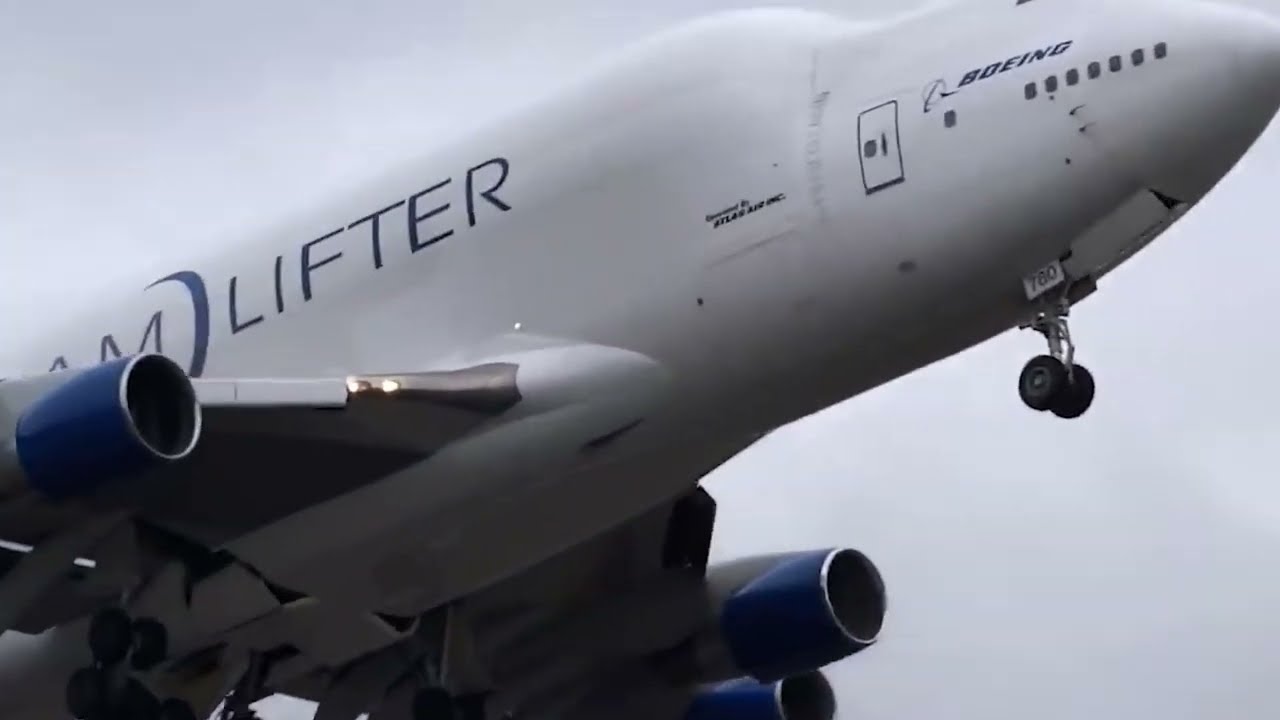
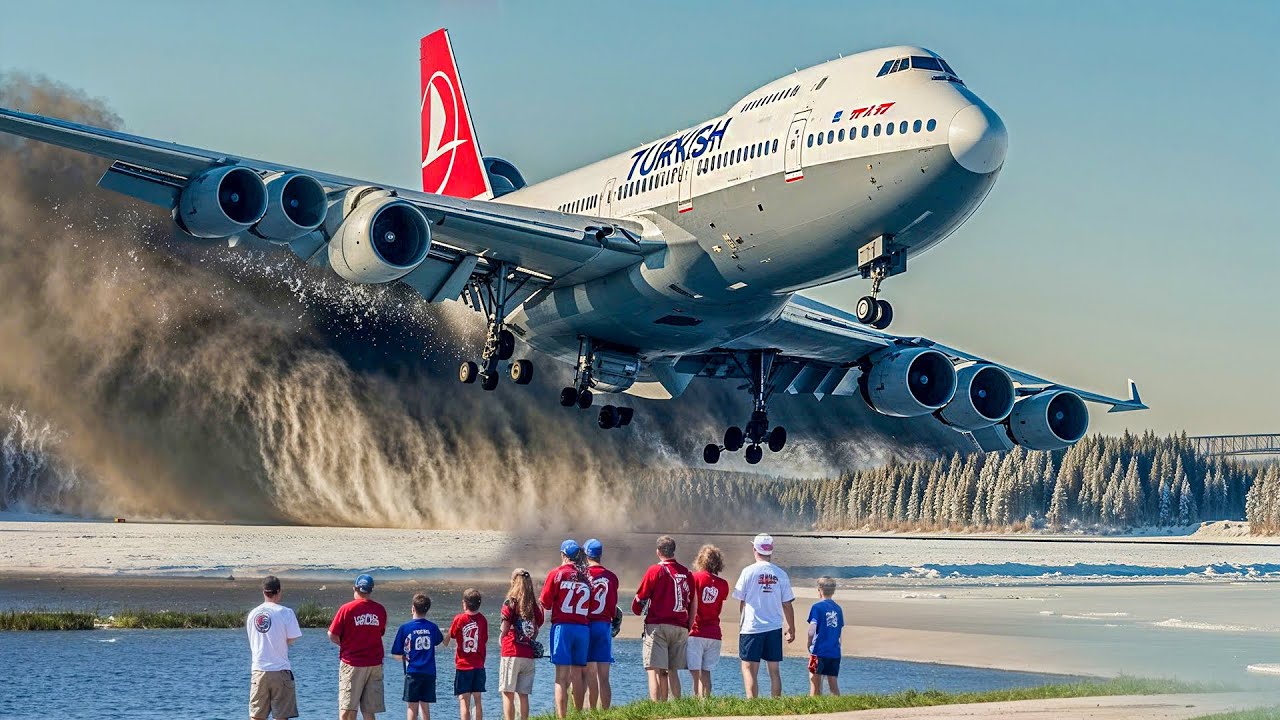
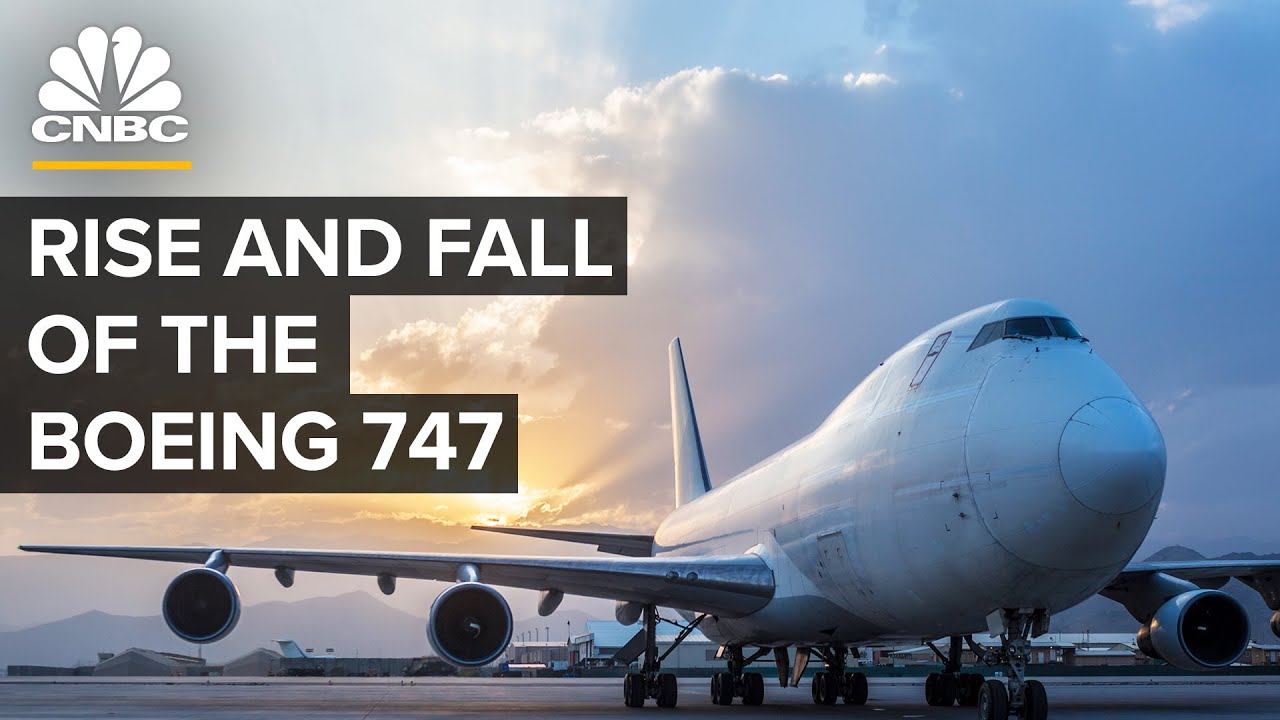
after 50 incredible years of dominating the skies the Boeing 747 famously known as the queen of the Skies rain came to an end this was in December the 20th 22 when the company rolled off the last 747 from their production line This left fans passengers and Industry experts alike in a state of Bittersweet Nostalgia the final 747 was delivered to Atlas Air this marked the definitive end of the 747 era which had ruled Supreme in the skies for more than 50 years however in all honesty the 747 was more than simply a plane it represented
Innovation luxury and worldwide connectivity for decades it linked the entire world together transporting Millions across countries and bridging previously unbridged distances the Boeing 747 not only completely redefined the concept of air travel but its impact extended Beyond its pioneering design to affect economies Industries and even save lives in ways that few aircraft have ever achieved but as newer more fuele efficient aircraft took over the 4 engine Behemoth was gradually edged out of commercial service some have even come to see the Boeing 747 as only an object from the past and so the once stunning and
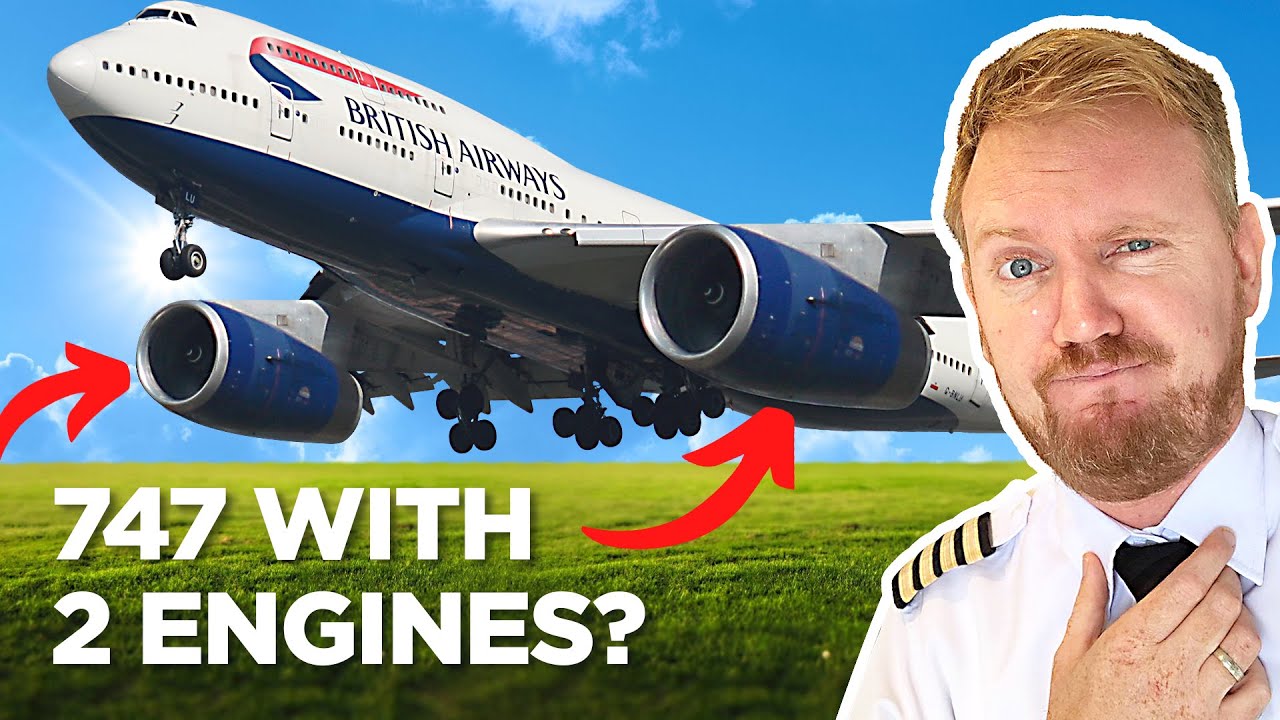
Majestic aircraft continued to droop low in popularity and it has been deemed to have come to an end but what if there was a chance that it might not be completely gone just yet what if instead of Fading Into history the 747 returned with a shocking twist that the entire Aviation world is probably not ready for a Boeing 747 with two engines could this new 2 engine be the remarkable comeback of the 747 and just how would this revolutionize the industry let's find out the 747s introduction came at a time when the aviation industry was
transitioning from a luxury experience to something more accessible to the public at the time many people couldn't afford to fly and Long Haul flights were only available to the wealthy Airlines were also struggling to to accommodate the increasing demand for international air travel at the same time and so because manufacturers were sluggish to respond to the aviation industry's needs aircraft design had not changed this all changed in the late 1960s when Pan-American World Airways led by CEO Juan trip took a bold step to modernize air travel trip quickly saw the growing need for an aircraft
capable of meeting the huge demand for international flights he was looking for an aircraft that could transport a big number of passengers over vast distances while keeping operational expenses low Boeing responded with the 747 The longrange Airliner was an engineering Marvel that Blended extraordinary size with exceptional efficiency the 747 was not just the largest passenger jet ever built at the time but also the fastest PanAm saw the 747s potential to completely change Air transport and purchase 25 aircraft for a stunning $25 million in 1970 $25 million had the pur purchasing power of approximately 23,28 1,572
this was the greatest commercial airplane order placed at the time and then fast forward to January 1970 the world witnessed the 747s first commercial flight and this marked the official start of the jumbo jet era the aircraft's first flight from New York to London was however initially scheduled for January 21st 1970 but then it got delayed due to technical issues that came up when it finally took off on January 22nd it changed everything the 747 was much more than a commercial airliner it became a cultural icon its distinctive humpback design with a unique Upper Deck
lounge and double-deck fuselage made the 747 a symbol of the sky itself it wasn't just a means of transportation but an experience in itself the 747s capacity to carry over 500 passengers and its impressive range allowed it to connect distant continents in ways never before imagined it made International tourism and business travel more affordable and accessible to the general public thereby transforming Global Travel when most people saw the 747 taking off or flying over the skies it served as a sign of Hope and World Peace its ability to cover such large distances made the world
seem a little bit smaller and people could feel much closer to each other so the 74 47 was not just a stunning aircraft but also a lasting example of how people from different backgrounds and cultures could come be United but even while the 747 ruled the sky it wasn't without competition from a number of other manufacturers lockheed's l111 and McDonald Douglas dc10 entered the market during the 1970s their aircraft had wide body versions intended for medium and Long Haul flights however in terms of size and worldwide reach neither could match the 747 when it came
to large Long Haul commercial aircraft the 747s 4 engine design was still the gold standard Boeing's 747 airplanes were widely used by Freight businesses like FedEx and UPS as well as Airlines like British Airways luftansa and Emirates the 747 was initially powered by Pratt and Whitney JT 9d turbofin engines then General Electric CF6 and Rolls-Royce RB 211 engines for the original variants with a 10 abust economy seating it typically accommodates 366 passengers in three travel classes its heavy weight is supported by four main landing gear legs each with a four-wheel bogey the partial double deck
aircraft was designed with a raised cockpit so it could be converted to a freighter airplane by installing a front cargo door as it was initially thought that it would eventually be superseded by supersonic transports Boeing also set a new standard for large capacity air aircraft by adding a second deck which allowed it to carry up to 500 passengers and even more on later models then the very unique structure of the 747 contributed to its impressive fuel economy particularly on Long Haul flights it also reduced drag and allowed the aircraft to fly smoothly amazing engineering choices
such as the aircraft's large wingspan which increased lift and stability and the use of cuttingedge engine technology which enabled quieter more efficient flights enable this amazing balance between size and efficiency the design of the 747 also led to a number of significant advancements that would influence aviation in the future it was also among the first commercial airplanes to use Advanced Computer Systems that could track and control the operation of their engines fuel systems and other critical Parts in real time another impressive and helpful features was the adjustable nose this was used to load and unload
cargo and allowed planes to carry more goods for larger groups or families the higher nose made the embarcation procedure easier and more efficient furthermore the elevated nose proved extremely useful for transporting big cargo this simple feature gave the 747 an advantage over other aircraft in the Freight Market the 747 was also one of the first commercial aircraft to include autopilot and flyby wire technology not only did this make flying safer it also helped streamline the flight experience lowering pilot workload and enhancing overall aircraft efficiency then we also consider the Boeing 747s impact on the global
economy its ability to transport large amounts of cargo at quick speeds and over great distances revolutionized businesses ranging from manufacturing to e-commerce in some ways the 747 became the very backbone of global trade guaranteeing that Commodities ranging from Electronics to Industrial Equipment could be transported quickly across borders its design became the template for future aircraft and its capabilities were so vast that no competitor could easily match them but the Boeing 7 47 also had its problems because of its massive size most airports faced a lot of difficulty in being able to accommodate and maintain them
first airports had to extend runways and redesign Gates even Boeing also had to expand this was what led to the construction of the Everett facility the facility became the largest building in the world by volume at first Boeing only planned to produce four of these aircraft uncertain about its future but as demand for Long Haul travel seemed to grow in popularity and demand production soared to nearly 1,600 units across six versions then the aviation industry underwent a significant transformation with the rise of twin engine aircraft fundamentally changing Long Haul flight operations and affecting the fate
of the Boeing 747 the story of twin engine aircraft began in 1972 with the introduction of the Airbus a300 the world's first twin engine wide body aircraft before this four engine planes like the Boeing 747 were the standard for Long Haul flights the prevailing assumption was that more engines meant greater safety over long distances especially over oceans or remote areas where emergency Landings were difficult and with this bias acceptance of twin engine jets in Long Haul travel was slow early twin engine models were often viewed as unfit for long Oceanic Journeys due to concerns about
engine failure and emergency landing options but the a300 defied these assumptions by proving that two engines could reliably power large aircraft on Long Haul routes it shattered the reign of four engine designs Airlines were quick to notice the a300s ability to reduce fuel consumption by as much as 25% compared to its four engine counterparts made it an instant favorite for Airlines Boeing also keyed into the movement in 1995 it launched the Boeing trip 7 a twin engine aircraft designed to handle Long Hall routes safely and efficiently the Triple 7 advanced technology including highly reliable engines
in avionics allowed it to maintain flight even if one engine failed notably the trip 7 could fly up to 8,555 nautical miles on a single tank nearly 1,000 M farther than the 747400 a 4 engine aircraft while consuming significantly less fuel then in 2011 Boeing unveiled the 787 Dreamliner another aircraft with twin engines the 787 was designed not not only to be more fuel efficient but also environmentally friendly it featured a composite structure and advanced aerodynamics that minimized fuel consumption and Emissions responding to the growing demand for sustainable Aviation options the rise of these Advanced
twin engine planes spelled trouble for the 747 once hailed as a Marvel of engineering the 747 now seemed like a relic it consumed roughly 5 to 6% more fuel per seat compared to the 787 meaning that over a 10-hour flight Airlines would save tens of thousands of dollars in fuel costs by flying a 787 instead of a 747 and so the 747 lost its relevance in aviation as Airlines no longer favored its old and cranky 4 engines but at the heart of all this while it seems that the end of the 747 has come there
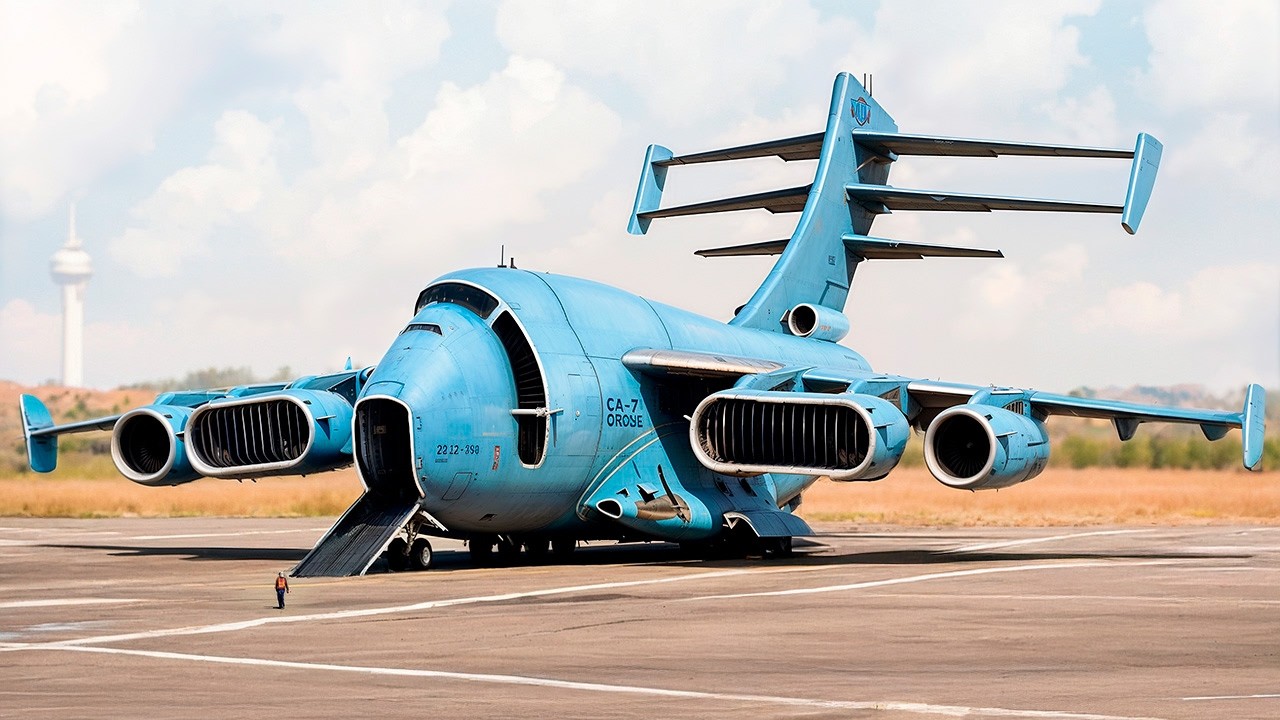
seems to be a chance for the once Monumental aircraft to make a striking comeback and to do this the 747 would have to adapt to the new demands of the Aviation Space and become a two-engine aircraft the idea of a 2 engine 747 has sparked interest curiosity and some skepticism but it's a question that must be considered as the aviation industry looks to balance performance with Green Technology could the 747s size and range still be achievable with two engines or is this legendary aircraft simply too big for such transformation it's a challenge that would require
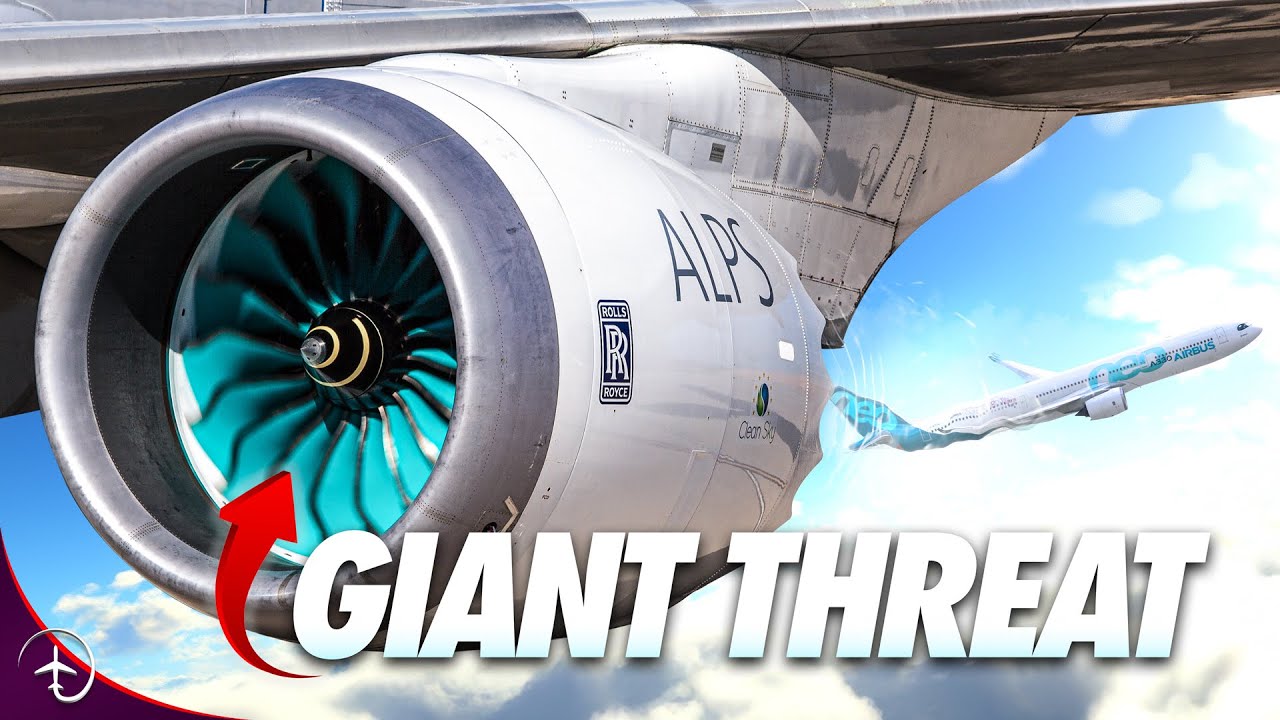
groundbreaking engineering a leap in technology and perhaps even a redefinition of what the 747 represents however converting the 747 to a two engine configuration would not be an overnight process such a daring idea presents serious engineering challenges the 747 aircraft was built to run with four engines and so changing to two engines would require huge adjustments to almost the entire aircraft including changes to the wings tail structure and even weight distribution firstly the 7 47s engines would need to be upgraded to the more powerful ultrafan models the ultrafan is one of the most advanced and
efficient jet engines under development today it is a sophisticated piece of engineering that may hold the key to making the two engine 747 concept a reality however to accomplish this the 747s wings would need a full redesign in order for it to accommodate the larger Ultra fan engines the present wings of the 747 would most certainly need to be made extra large and more aerodynamically efficient this would make it able to withstand the additional thrust from just two engines while maintaining flying stability at the same time the engine's location would also need to be carefully
considered as it must balance the aircraft's weight and aerodynamic performance the tail of the 747 another crucial component would likely need modifications as well the current design of the 747s tail was created to provide stability for a 4 engine aircraft and accommodating only two engines may require adjustments to the tail plane or Rudder to maintain proper control and balance these modifications could be a delicate balancing act as any change to the aircraft structure could impact its performance another challenge would be weight adjustments the 747s 4 engine design allows for a certain weight distribution that is
optimized for Long Hall flights with two engines Boeing would need to rework the aircraft's internal structure to ensure that the new configuration doesn't affect the 747s performance this could include changes to the fuselage or internal components as well as the possibility of using lightweight materials to offset the added weight of the new engines in short redesigning the 747 to accommodate only two engines would be no easy feat it would require the combined expertise of Boeing's engineers and rolls-royce's engine Specialists as well as an investment in Cutting Edge Technologies and materials however with the stakes so
high Boeing may find that the effort is worth the reward the very idea of a 2 engin 747 represents the next Frontier of Aviation Innovation Boeing has an opportunity to reimagine the iconic 747 in a way that aligns with the future of air travel while the engineering challenges are formidable the potential rewards both in terms of fuel efficiency and environmental impact make this ambitious project worth pursuing in the coming years the success of this concept May pave the way for a new generation of of twin engine aircraft capable of flying long distances offering greater fuel
efficiency and meeting the aviation industry's growing demand for sustainability but there are conflicts in the aviation world to this idea another argument is that as Airlines continue to choose smaller point-to-point aircraft over Hub and spoke operations the aviation sector may just no longer have space for Jumbo Jets a 747 if reworked however may still turn out to be useful to Airlines like Emirates which continue to run bases that require larger aircraft with this advancement larger and less efficient aircraft like the Airbus A380 may eventually be replaced by the 747 Max which has Next Generation twin
engines and improved efficiency combining this new technology with the previous benefits of the original 747 boing hopes to create a plane that is both highly competitive and operationally adaptive in the aviation sector however despite its promise the 747 Max is still a concept with no clear plans for production Boeing's Financial troubles and changing industry Trends make such a project unlikely in the foreseeable future and so discussions about it are purely speculative and theoretical but what are your opinions do you think Boeing should bother embarking on this approach to preserve the legacy of the 747 or
should The Fleets be left to retire share your thoughts in the comments thanks for watching please don't forget to like And subscribe