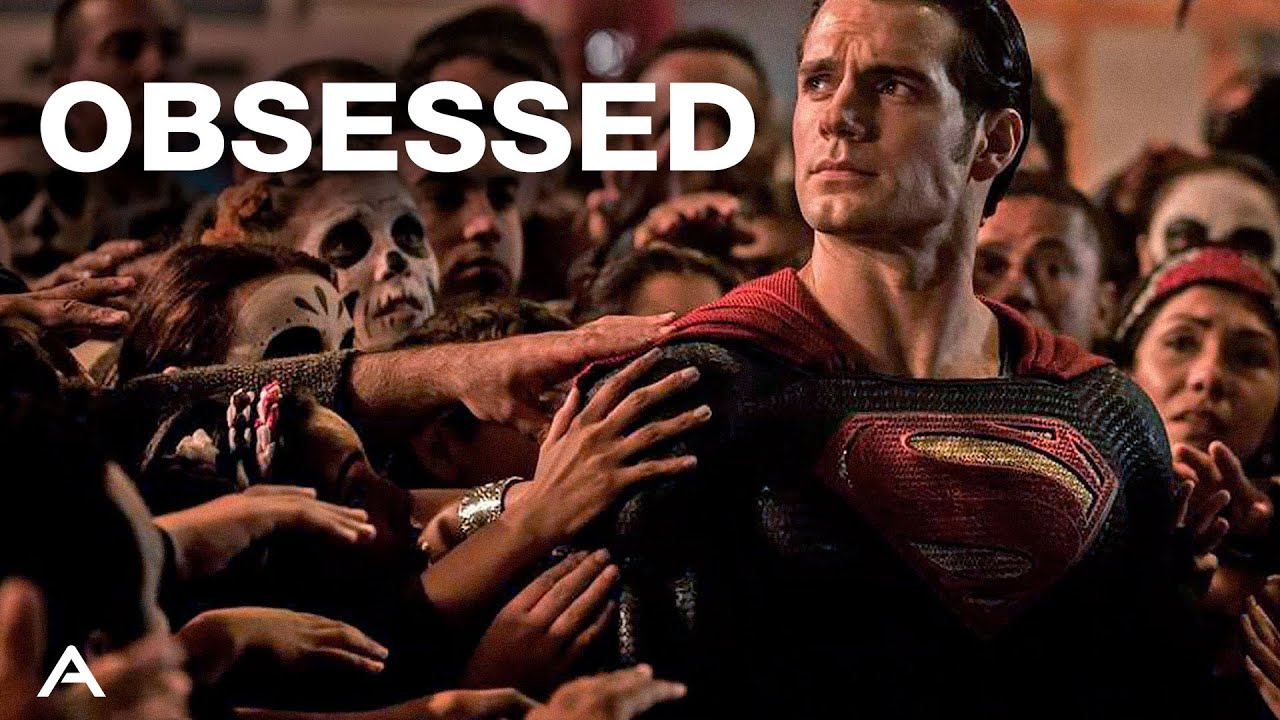
I have a pretty serious confession to make I don't like Superman before you destroy me in the comments I know it's an unpopular opinion but the Man of Steel has just never resonated with me the problem for me has always been that he's too strong I mean one of his primary Powers is invulnerability talk about a tension killer the conflict is never if Superman will save the day only how this apparent infaliability extends to his personality as well he's a character utterly without flaws the biggest strike against him is that he's too compassionate and this
can sometimes land him in trouble that's the answer you give when you're asked in a job interview what your biggest weakness is it's not really a weakness this relentlessly upright Persona and general do good remake Superman feel distant his character is pardon the pun completely alien to my own experience and if I'm being honest it's not all that interesting to me Superman is boring I prefer My Heroes to be Messier characters like Batman Wolverine and Deadpool feel so much more human they're flawed they can make mistakes and sometimes they do bad things for the wrong
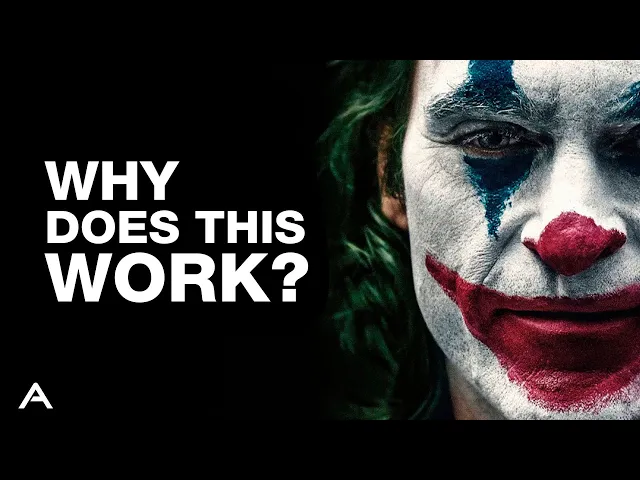
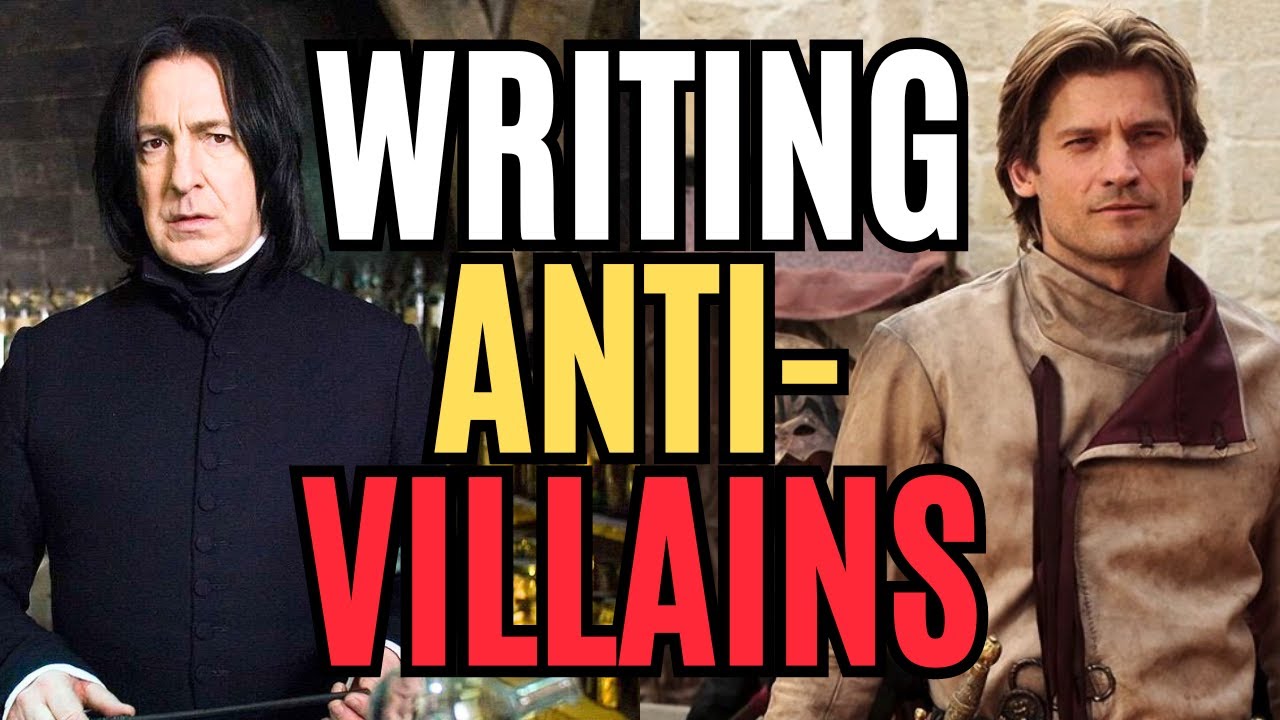
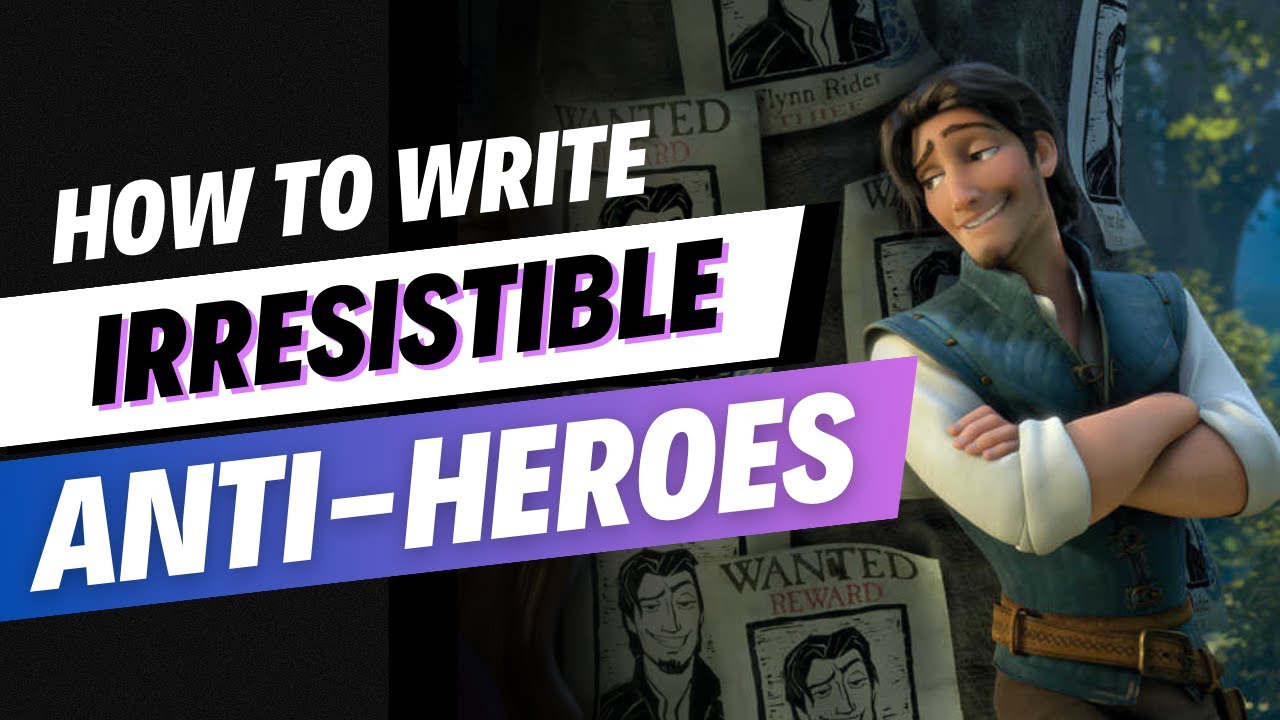
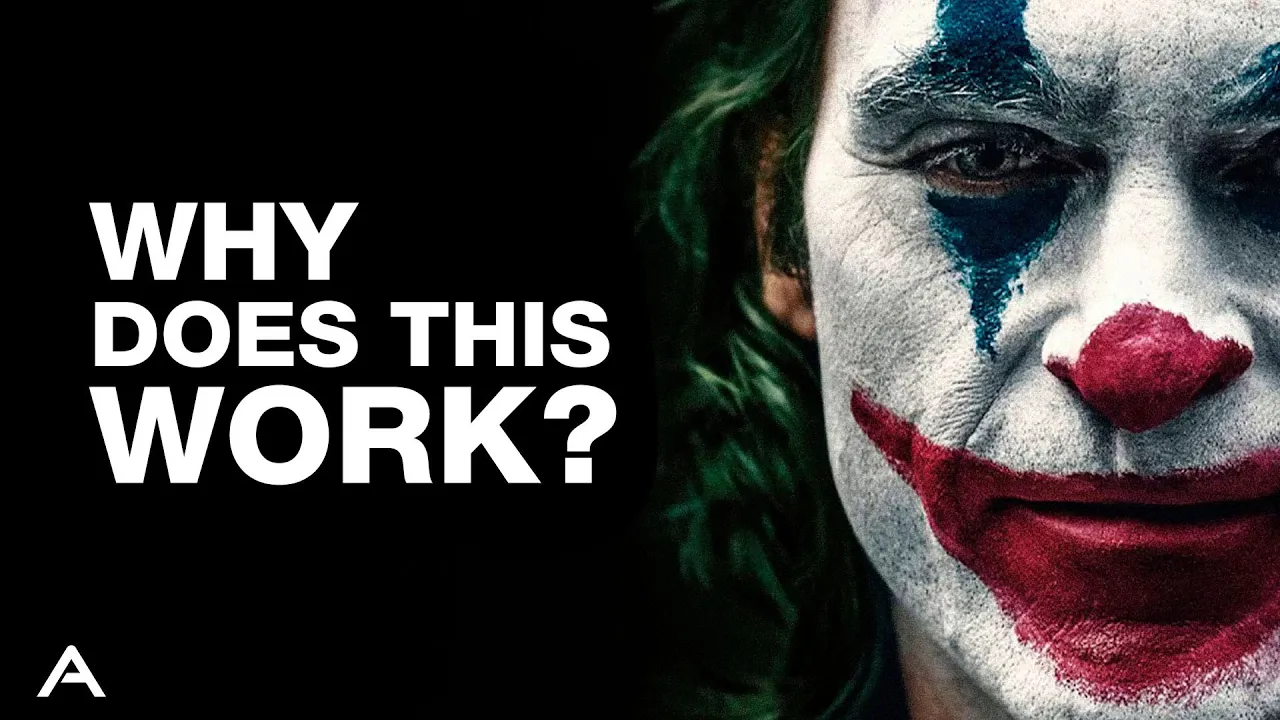
reasons and I'm sure I'm not the only one that feels this way over the last two decades anti-heroes have become increasingly popular in fact the top three highest grossing R-rated films of all time are 2019's Joker followed by both Deadpool movies but why is this why have so many of us turned our backs on characters like Superman and Captain America to understand that we first need to figure out what exactly an anti-hero is unfortunately as it turns out this is easier said than done we all know an anti-hero when we see one they're dark gritty
usually a bit Reckless and make questionable life decisions however the term itself is difficult to Define anti-heroes as we know them today are a relatively new concept and the parameters are fuzzy at best at its most basic level the anti-hero is a subversion of the hero Trope they are whatever a hero is not in a technical sense this means giving them characteristics normally reserved for an antagonist they might drink and curse have an abrasive personality or rail against Authority the problem with this description though is that it's negatively defined meaning is rooted solely in its
opposition to something else this doesn't tell us what an anti-hero is merely what it is not this is further Complicated by the fact that what characteristics constitute a hero vary over time and between cultures heroes in the truest sense are meant to represent the ideals of a society they stand as living personifications of the values that citizens should strive to emulate however these ideals and values naturally evolve alongside the beliefs and needs of the population this applies to anti-heroes as well traits seen as un or anti-heroic change based on the cultural context in 1962 Canadian
missionary Don Richardson traveled to Western New Guinea and Indonesia to try and convert members of the indigenousawi tribe to Christianity he encountered some trouble though when his potential congregation identified Judas not Jesus Christ as the hero of the story it turned out that the Solly people placed a higher value on trickery and deception than sacrifice they saw Jesus as little more than an unwitting sucker who had been duped by the true hero of the narrative a better way than of defining Heroes and anti-heroes might be by judging them based on their moral consistency Heroes by
their nature are morally consistent they have a strict set of dedicated principles they follow that guide their actions anti-heroes on the other hand are morally ambiguous they operate in Gray areas and are more fluid in their decision making this ambiguity can manifest either in the anti-hero's own personal ethics or in the way that they are perceived by Society not every anti-hero needs to be an edgy homicidal maniac cracking one-liners as they shish kebabs bad guys with katanas in fact the classic anti-hero archetype looks a lot less like Deadpool and more like your friendly neighborhood Spider-Man
I know what you're thinking Spider-Man's not an anti-hero but even by the traditional definition he kind of is when Peter Parker is first bitten by a radioactive spider and gifted with superhuman abilities he doesn't want to become the savior of New York he's insecure anxious and Weavers in his convictions even allowing a criminal to escape as an act of revenge against a boxing organizer who cheated him out of his winnings over the course of his career Peter quits multiple times always questioning whether or not he's capable of overcoming the challenges given to him and living
up to his responsibilities none of these are qualities that we normally associate with Heroes Peter isn't consistent and our perception of him doesn't align with the image that we've built up in our heads on the other end of the spectrum there are anti-heroes like Wade woodston Wilson's Alter Ego Deadpool who we normally associate more with the term these are heroes who do the right thing for the wrong reason or the wrong thing for the right reason Deadpool is firmly in this Camp particularly in the comics he's a mercenary first concerned solely with how any given
situation benefits him even in the films His Story begins as a Revenge trip Jess's objective is to take down a cartel of human traffickers manufacturing and selling mutants into slavery but he's only doing this as retribution for his own disfigurement his motivation isn't to break up the smuggling ring or free the captives he just wants to fix his face to see that Deadpool's Mortals are loose is generous he is entirely self-interested recklessly individualistic and more than a little murder happy if he ends up saving a day it's typically just an unintended byproduct of his actual
goals the key takeaway from this is that anti-heroes are hard to pin down when it comes to assigning moral judgments either because their own ethical code is so nebulous or because we as a society have difficulty reconciling their personal traits with their own expectations of what a hero should be so why do we like these characters so much why are we attracted to moral ambiguity perhaps it's because we find it reflective of our own experiences very few of us live in a world of simple black and white morality we recognize that life is more complex
than good versus evil or right versus wrong Hero vs villain people are complicated our decisions are nuanced and subject to interpretation no one is purely a villain or even a hero for that matter and yet our culture is dominated by institutions built on the foundation of moral absolutism this philosophy maintains that Human Action is inherently right or wrong regardless of intention or consequence the justification for this is a belief in an all-encompassing and objective morality every individual's behavior is judged according to the standard and determined to be moral based on how closely they can form
political and religious institutions are the clearest example of this they create extensive sets of laws and regulations by appealing to the authority of a higher power whether that power is a Divine being or a constitution the benefit is that this creates consistent standards which can be broadly and reliably applied to any situation this helps maintain societal order while safeguarding institutional power however when these laws are violated it necessitates punishment regardless of individual circumstances take for example a man who steals medicine in order to care for his sick child although his motivation is pure in the
act itself Noble theft is still illegal if he's caught he faces imprisonment if not worse depending on who's in charge while creating a reliable and predictable framework by which behaviors can be evaluated the problem with moral absolutism is that it's inflexible and doesn't allow for subjective interpretation instead it promotes the idea that there's an objective morality by which Every Act can be judged in becoming symbols of societal ideals traditional Heroes serve as the physical embodiment of these absolutist systems more than that they act as enforcers ready to use violence in order to combat perceived evils
and protect the established moral order this is why I don't like Superman ironically enough the man of Tomorrow is a champion of the status quo he Captain America and others like them defend social and political structures as they already exist regardless of their flaws to his credit I don't think Superman would punish someone for stealing medicine for their sick child but he definitely will protect the systems that originally put that person in that position my intention moral absolutism creates a societal binary those who conform and those who do not anti-heroes are a part of the
second group their innate moral ambiguity naturally places them in opposition to mainstream culture Landing them in the realm of the outsider these individuals find themselves shunned or even Outcast due to character flaws or other traits seen as deviant it's not surprising then that most anti-heroes come from marginalized backgrounds Deadpool is widely considered to be pansexual Wolverine suffers from PTSD and alcoholism Spider-Man comes from a poor family and was a nerd before being a nerd was cool these characteristics place the anti-hero in direct conflict with no limited of culture forcing them to make a choice either
conform or face the consequences because of this anti-heroes often find themselves battling for the right to Simply exist as they are this in turn leads them to seek water societal change whereas regular heroes are inherently change resistant willing to violently uphold moral norms and standards anti-heroes by their very existence demand change they function as living rebuttals to the predominant philosophy created by institutional authorities this is a convention that actually began with superheroes but with Cowboys in the 1960s and 70s a new type of Western called the post-western began capturing the attention of global audiences these
Movies featured morally ambiguous protagonists who were largely distrustful of existing institutions and set out to Buck the system this stood in stark contrast to Classic westerns which featured simple moral narratives where a handsome white-headed stranger wandered into town to defeat the black-headed Outlaw and win the affection of the local school teacher host westerns turned conventions like these on their head challenging the Traditional Values put forth by earlier films this was reflective of a larger cultural shift happening in America and Europe the rise of the Counter Culture movement along with the chaos of the Vietnam War
and other Global crises were contributing to a mass feeling of uncertainty and many people began to question whether or not the ideals of previous generations were still valid post westerns captured these sentiments and served as a form of social criticism by featuring flawed conflicted characters struggling to find their place in the world they presented a more realistic depiction of the lives of Everyday People if all of this is sounding a bit familiar well it's because we're in a very similar place right now distrust in our political and social institutions is at an all-time high very
few of us have any confident that our leaders are capable of solving complex problems like economic instability food scarcity or climate change this has produced a collective sense of doubt in our knees that has increasingly been reflected in our heroes or should I say anti-heroes films like Deadpool Logan and Joker functionally serve the same role as the post-westerns changing the beliefs championed by earlier generations of Heroes the superhero stories of the 80s and 90s largely represented the return to the classic Western tropes including black and white systems of morality this came at a time when
the West was running on the high of economic prosperity and the end of the Cold War figures like Ronald Reagan and Margaret Thatcher advocated for a Revival of Traditional Values which in turn gave rise to a new form of absolutist morality it's no coincidence that Reagan himself a retired actor with a few westerns under his belt frequently wore a cowboy hat but it's easy to claim that your moral worldview is the right one when everything is going well Flash Forward a few decades and you have 9 11 the war on terror the 2008 Great Recession
and covet 19. crisis after crisis has challenged the fundamental ideas that shape our culture and revealed Monumental cracks in the structures meant to guide Our Lives the popularity of anti-heroes represents a shift in our Collective thinking we like them because they offer us an alternative to the ethical ideals advocated by the institutions that have failed us we identify with the struggles of anti-heroes because we too reject contemporary values and want to see them replaced with something better however this begs the question what comes next the age of the anti-hero will one day end probably sooner
than later and it's hard to know what will replace it will we once again return to an Era of strict absolutist morality or will we be able to invent something better something more nuanced and capable of dealing with life's ambiguities whatever it is let's just hope it comes with a few less Supermen [Music] we love anti-heroes because they tell us that we too can be heroes even with our flaws so we can achieve great things reach our goals and change our life and the lives of those we love one of the best ways to achieve
these great things is by leveling up your skills through the sponsor of today's video brilliant.org brilliant is one of the best places online to learn anything and everything STEM related interactively I've personally been using brilliant for years and I still love it so much because it helps me get better every single day whether I'm on a daily commute or just have 15 minutes of free time to spare I can take my phone out and do a quick lesson that would have tremendous more benefits than just scrolling through social media endlessly thanks to the thousands of
lessons they currently offer with new ones added every single month brilliant has allowed me to explore and learn a wide range of fascinating topics for mathematics to computer science and Beyond right now I'm taking a course on introduction to probability which has completely changed how I view odds and chance if you've ever wondered why things happen when they do and how the laws of probability work this course is perfect for you if you're interested in learning more I highly recommend you check them out it's free to start but the first 200 people to visit brilliant.org
aperture will get 20 off a premium subscription which unlocks every single course brilliant has to offer you'll not only be furthering yourself but you'll be supporting aperture at the same time