hello and welcome to the review of chapter 83 of guyton hall's medical physiology textbook in this chapter we're going to go over pregnancy and lactation the second to last chapter of this unit now if you're watching these videos and you haven't subscribed already please consider doing so it is free and it helps our channel grow so if you haven't subscribed yet go ahead and hit that subscribe button and then continue watching on so today we're going to talk about obviously pregnancy and lactation it's all going to start off with the fertilization of the ovum and
then that ovum is going to then develop into a fetus which will eventually be born and then we'll talk about lactation after the child or newborn is born so starting all the way at the beginning we have our primary oocytes sitting within their ovary which undergoes meiosis to then split up its 23 pairs of chromosomes into one set of 23 and then the other set of 23 now one of those secondary oocytes actually involutes and turns into a polar body and is expelled so then we are just left with one unpaired 23 set of chromosomes
in the secondary oocyte it gets ovulated out of the ovary technically into the abdominal cavity which is then captured by the fallopian tubes now that capturing occurs in 98 of women so it's not like that's a big risky period the estrogen actually stimulates the cilia to kind of capture it so then it's able to sit within the fallopian tube and then right at the ampulla of the fallopian tube right at the beginning portion that's where the sperm actually travels to so it has to travel all the way up through the uterus up the fallopian tube
then reach the ampulla and that's where it's going to combine and fertilize the ovum once that sperm cell has actually entered the ovum then the ovum undergoes division again so then a secondary polar body is expelled and then we have the mature ovum with your sperm cell each contributing a unpaired set of 23 chromosomes one from the male and the sperm one from the female and then they combine so the female set of chromosomes is always going to contain one of those x chromosomes whereas the male the sperm cell it may either have a y
or it may have a x chromosome if it has an x then the fertilization is going to be of two x chromosomes so then you're going to get a female if it's the y chromosome that's gone in there then you're going to get a male fetus because now you have the x and the y chromosome so once they've combined now this is zygote which is the combination of both the sperm and the ovum has to make its way all the way out to the fallopian tube normally this area here is constricted down right at the
end of the fallopian tube for them the progesterone that's getting progressively increasing in concentration from the corpus luteum actually relaxes the fallopian tube so then now this zygote which is now actually a blastocyte is able to continue its journey into the uterus and implant itself in the uterus within that endometrial lining which remember is like the nutrient source for the early blastocytes there is also these other cells called trophoblasts which develop on the surface of the blastocyte they release enzymes and start to actually digest into the endometrium and set itself up so it kind of
cements itself into the endometrium and then starts to rapidly proliferate into the placenta you actually get faster placental growth to begin with and then eventually you get faster growth of the fetus the placenta has to set up first because it needs to make sure it can provide all the nutrients and get rid of all the waste products that are getting produced by the fetus now this endometrial layer is still getting the influence of progesterone so it's still actually those cells are swelling continuing to store malnutrients and actually becoming decidual cells in that whole area is
called the deciduous so that's what the trophoblast cells are invading into sucking all the nutrients out of it for growth of the fetus that's going to happen for up to eight weeks and then the placenta is going to start to actually kick in after that point although the placenta is there since about the 16th day after fertilization so the placenta is there early but it doesn't take over the predominant role until after that kind of eight-week mark as the placenta grows what you're going to get is these trophoblast cords which grow from the fetus out
into the placenta so then they actually form some placental villi which is almost like pooling of blood right at the edge and then the mother is actually going to form its own blood sinuses which are going to form right next to each other so then you are able to have these two pools of blood which are able to undergo gaseous exchange and exchange of nutrients etc so then nutrients can be supplied to the fetus and all the waste products can be given back to the mother we get that blood going from the fetus to the
placenta via two umbilical arteries and then with one major umbilical vein going back to the fetus in the beginning the permeability of the placenta is actually quite low because it's relatively quite thick as the placenta grows it becomes thinner the surface area increases and diffusion actually increases because of that increased permeability now you can see what i was talking about by that pooling of blood from both the mother side and also the fetal side as well which is allowing that gaseous and nutrient exchange between them and then we have those two umbilical arteries and one
umbilical vein the umbilical arteries are colored in blue because they are deoxygenated they need to get the oxygen from the mother and then it comes back in the umbilical vein as red which is now oxygenated now there's a pretty low partial pressure of oxygen that actually reaches this placental layer from the mother it's about 50 millimeters of mercury coming from the mother and then by the time it goes into the umbilical vein it's about 30 millimeters of mercury now you may be thinking that's too low to be able to sustain the oxygen requirements of the
fetus but there's three different reasons why the fetus is actually able to handle that relatively low partial pressure of oxygen the first one is fetal hemoglobin which we actually talked about way back in one of the earlier chapters remember fetal hemoglobin is shifted to the left if we're thinking about our oxygen hemoglobin dissociation curve so at lower partial pressures of oxygen we have higher oxygen saturation so it's able to hold more oxygen in it at a lower partial pressure of oxygen the second effect is that the hemoglobin concentration is actually much greater in the fetus
than it is in the mother so we have a lot more hemoglobin able to carry a lot more oxygen and then the third effect is the bohr effect remember that's whenever we have an environment of a low partial pressure of carbon dioxide then we can carry more oxygen so the fetal blood that enters the placenta does have a large amount of carbon dioxide but that diffuses across into the mother so you get rid of all that carbon dioxide so then relatively we actually have a low partial pressure of carbon dioxide now because it's all gone
to the mother and then we can now suck and hold on to a lot more oxygen it also works the other way so all the carbon dioxide goes to the mother which displaces all of the oxygen out of her hemoglobin so then now the oxygen has to move over or is more likely to move over so that's called the double bore effect because it's happening both on the fetal and the mother side so more oxygen is able to get diffused over and it's gobbled up by the fetal hemoglobin which is going to hold on to
it nice and tightly now carbon dioxide has a very high diffusion and high solubility so it just easily gets diffused out into the mother foodstuffs is going to get diffused across and most importantly that's going to be glucose because glucose is the major nutrient for the fetus and then waste products lastly is going to be expelled out this way as well so you're going to have your non-protein nitrogens getting diffused across into the mother circulation which depends on the diffusion and the permeability of that placental membrane now next we're going to talk about the four
different hormones that are having an influence in pregnancy the first one is human chorionic gonadotropin now this hormone is going to basically tell the corpus luteum to not go anywhere stay where you are keep producing estrogen and progesterones better yet produce even more than you're currently producing and do that for at least 12 weeks and the reason behind that is by keeping all of those hormones there you're making sure the endometrial lining stays put and continues to grow if we lose the corpus luteum before those 12 weeks and especially before six weeks and there is
a higher chance of losing the pregnancy due to menstruation after those 12 weeks then the placenta actually starts to produce its own hormones its own estrogen and progesterone so then we don't need the corpus luteum anymore so human chorionic gonadotropin is really just saying to the corpus luteum stay put for 12 weeks but it also has this other influence on the testes of the fetus it will actually tell the interstitial cells within the testes of the fetus to produce testosterone and that testosterone is actually going to tell that fetus to now develop those male sexual
characteristics so human chorion like genetotropin stimulates testosterone release which stimulates the changes to give the male fetus the male characteristics the second major hormone produced by the placenta is estrogen now estrogen is going to be secreted by the sensation or trophoblast cells the trophoplast cells really are secreting most of these hormones including the human coriano concornadotropin but back the estrogens the placenta doesn't actually primarily form these compounds and send them out it actually gets the precursors from the adrenal glands and then converts those into estrogens so all those precursors come along to the placenta get
converted to estrogen which then gets secreted out and the role of those estrogens once again is the same as during puberty to increase the growth of the sexual organs so the uterus the breasts the external genitalia and then also relax the pelvic ligaments progesterone on the other hand also secreted by the placenta has the same effects as before of increasing the actual functional component of the sexual organs so it tells the decisional cells to develop in the uterine endometrium to increase the nutrition of the early embryo also reduces the contractility of the pregnant uterus so
then you don't try to get rid of the fetus it helps to develop the conceptus before implantation and prepare the mother's breast for lactation increasing that functional role but remember prolactin is actually needed for milk production so progesterone increases or prepares the breast for development to become functional it doesn't actually tell the milk to be released the fourth and final hormone that we're going to talk about is human chorionic somato mammotropin similar to somatotropin or growth hormone so that's the best way to think about it it's going to have similar actions to growth hormone increase
the formation of proteins in your tissues cause some reduced insulin sensitivity so then there's more glucose available in the bloodstream of the mother to go over to the fetus and also promote the release of free fatty acids from the fat stores of the mother as an alternative source of energy for the mother instead of glucose so the glucose can be used primarily for the fetus so those are our four major hormones now there are some other influences on our endocrine glands and the pregnant mother and it's mainly due to this increased metabolic load there's such
a high metabolism in the mother because they're having to provide so much nutrients for fetus and helping us essentially little parasites grow we have the release of all of our pituitary hormones except for follicle stimulating hormone and luteinizing hormone which remember if you can remember from the last chapter that's because of progesterone and estrogens being so high which are inhibiting those release we have increased corticosteroid secretion which is helping to mobilize amino acids making them available for the fetus and then also an increase in aldosterone so we get so much more water reabsorption and storage
of water within the body as well the thyroid gland also increases its secretion so once again increasing metabolism and also increased parathyroid gland secretion and that's helping to increase calcium absorption from the bones so then there's more calcium within the bloodstream since a lot of that calcium is being used in the fetus particularly in the last trimester it briefly mentions this other hormone called relaxin the best way to think about it is that it's going to tell things to relax and this main role in people is going to soften the cervix for the pregnant woman
for the time of delivery so then it's able to open up all of earth now because of all this increased metabolism and increased water retention there is going to be an increased desire for food and typically there's going to be a gain and weight mainly just because all the sexual organs are increasing in size producing and growing a human there's the placenta all of these extra components which is going to gain extra weight but without appropriate control of the diet and there can be very excessive weight gain as well just because of this increased desire
for food from this increased metabolism from all of the hormones running rampant in the body this is particularly true in the last trimester because this is going to be the fastest growth of the fetus and also fastest growth of the bones so you need enough vitamin d to prevent anemia you need enough calcium to ensure calcium in the bones gets integrated and then you need enough vitamin k as well to prevent hemorrhage during the birthing process when it comes to the circulatory system of the mother the best way to think about it is that everything's
increased because you've added a new circuit to the body to the circulatory system you've added the placental circuit essentially and then you've also increased blood volume the kidneys are retaining a lot more fluid because of those high aldosterone effects and all of this is going to mean that the heart has to work harder to push all the blood around the body and also add it to the extra circuit within the circulatory system now briefly talks about some issues with pregnancy we have preeclampsia which is when you have pregnancy-induced hypertension from the retention of all of
this fluid and then this can result in the loss of a large amount of protein within the urine and subsequently develop both edema and hypertension because fluids just starting to leak out everywhere with the low protein levels the high blood volume and this issue is called pre-collapsible or toximere pregnancy and then when that progresses even further we get eclampsia and that's when you get vascular spasm within the body itself and that can actually result in seizures and also commons so that is the pregnancy and the growth of the fetus next we're going to talk about
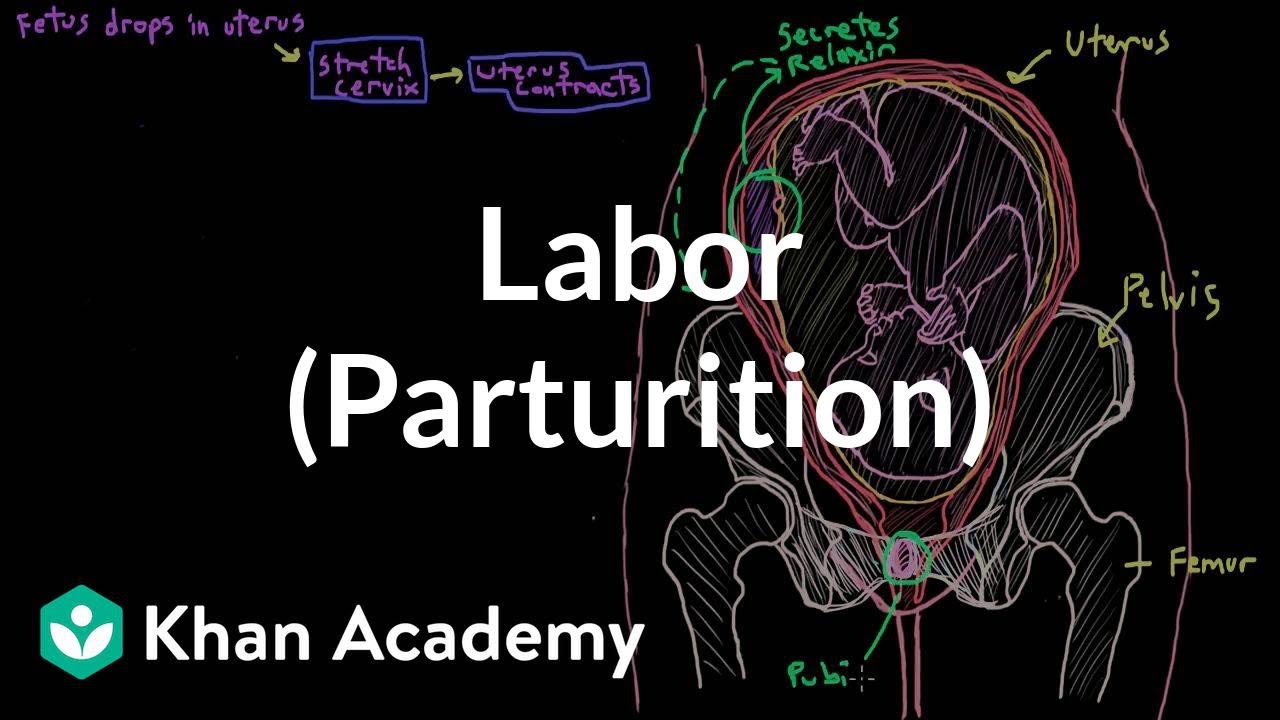
partition which means birth of the baby so as pregnancy goes on there is a progressive excitability of the uterus and these rhythmic contractions start to become quite strong and regular which is eventually going to push out the baby now the reason behind the development of those strong rhythmic contractions is kind of two-fold one is progressive hormonal changes and the other one is progressive mechanical changes the hormones is one is a switch in how much progesterone there is relative to estrogen remember we talked about progesterone inhibiting uterine contraction to prevent early loss of the fetus but
near the end of pregnancy estrogen actually starts to become higher in concentration than progesterone so that ratio changes which is then going to stimulate contractions because estrogen causes uterine contractions we also get the influence of oxytocin another hormone coming from your posterior pituitary gland that's going to cause you their own contraction the uridine muscle has been progressively getting more and more oxytocin receptors so it's going to become more and more responsive to oxytocin which starts to have an increased secretion at this beginning of labor and that occurs also because of stretch of the uterine cervix
which stimulates the release of oxytocin and also the fetal pituitary gland actually starts to secrete oxytocin as well so the fetus starts to say hey i'm ready to get out of here the fetal membranes themself also release prostaglandins that increase the intensity of uterine contractions the mechanical factors include just simple stretching of your smooth muscle organs that's automatically going to result in a reflex of contraction so simple stretching reflex of contraction and that's quite evident when you look at twins so twins are on average born 19 days earlier that's because as you can imagine there's
more space more stretch stimulating not contraction now that stretch of the uterine cervix is then going to result in release of oxytocin and then that's going to result in a positive feedback loop where the increased contraction is going to push the baby further down and stretch the cervix even further and then result in more contractions so that's going to increase the amount of labor contractions now it is important to know what braxton hicks contractions are these are those initial contractions right at the early months of pregnancy and the majority of pregnancy itself these are kind
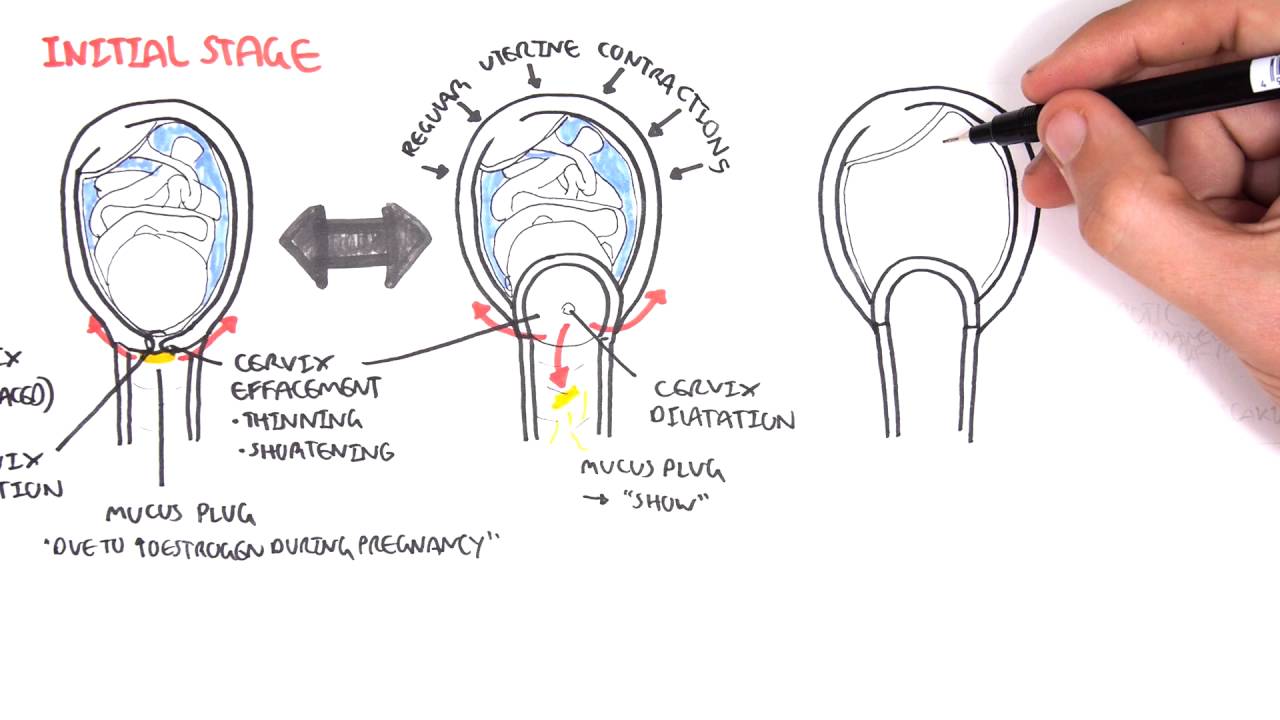
of weak slow rhythmical contractions not causing much of a fuss because you're not trying to actually expel the fetus so braxton hicks contractions are the early contractions they become progressively stronger then eventually we switch into labor contractions from the stretching of the uterus from oxytocin from an increase in estrogen relative to progesterone all of these factors are going to result in increased contractions and labor contractions pushing the baby into the earthing canal and that initial period of moving into the birthing canal is called the first stage of labor and that can take up to a
whole day and in the second stage what's in the birthing canal and the expulsion of the fetus or the newborn that can take one minute to 30 minutes so that's the second stage of labor now this is also helped by abdominal muscle contractions and that's stimulated by essentially pain signals neurogenic pain reflexes on the spinal cord that's getting those abdominal muscles and causing an actual conscious contraction trying to cause birth of the baby now once the baby has been birthed then the uterus continues to contract smaller and smaller in size shearing off the placenta from
the uterus lining which would cause some bleeding because we have those pulling of blood from the mother but the continued contraction of the uterus actually starts to close all of those bleeding holes and constricts all the vessels so then the uterus is able to get down to close to normal if not normal before pregnancy if lactation goes on for a certain period of time and that's because lactation is going to suppress pituitary gnodotropin and ovarian hormone secretion which would put a halt to the shrinking of the uterus and have the opposite effect so that is
pregnancy and birth and then next comes lactation which provides the nutrients to the newborn baby talked about already the estrogen causes the initial development of the breasts starts off in puberty and then far greater growth occurs during pregnancy during those high estrogen states and then the actual functional or secretory components of the alveolar cells within the ductal tissue the functional component occurs due to progesterone so progesterone is going to tell those cells of the alveoli to start to secrete milk and then prolactin this is the final hormone which is actually going to tell these alveoli
to secrete the milk prolactin's going to be stimulated to be secreted from the anterior pituitary groundland and it increases steadily from the fifth week of pregnancy until birth and then it's going to be stimulated to also be produced each time that the baby suckles as well so the last few days before and a few days after parturition we've got colostrum as our major component of milk and that has almost no fat then we suddenly get a loss of estrogen and progesterone that's gone with the placenta and all we have is prolactin so prolactin is going
to essentially tell the breasts to produce just milk instead of colostrum now without a prolactin surge so without that stimulus to be released from suckling then the breast actually will be able to lose the ability to produce milk within a week or so now the hypothalamus has a slightly different role when it comes to regulating prolactin because usually the hypothalamus releases releases hormones but for prolactin it's actually releasing an inhibitory hormone so it prevents prolactin release and that's just to stop prolactin from being produced during the non-sexual cycle at least the non-lactating cycle of a
mother's life since you only need that prolactin release during lactation now prolactin does have an inhibitory role on gernantotropin releasing hormones from the hypothalamus so during lactation prolactins stopping the restarting of the normal sexual cycle but after some time the pituitary gland can overcome that signal and start to release its gonadotropin hormone and then restart the cycle now for milk injection this also plays a role with oxytocin so that stimulation that hormonal reflex from the baby suckling or even after some time it can just be the baby crying you get the release of oxytocin that
causes contraction of the myoepithelial cells and then release of that milk that has been stimulated to be produced by prolactin and then that gets ejected or let down so then the baby can then suckle there are many psychological factors that can actually prevent oxytocin secretion so high sympathetic nervous system stimulation so fight or flight they can inhibit milk injection now if you compare human milk to cow's milk human milk just has higher lactose cow's milk has higher protein has higher ash which is calcium and other minerals etc and slightly higher levels of fat as well
now antibodies they are obviously going to be those little agents that help to fight infections they are present within the mother's milk and help to prevent some pretty fatal infections particularly e coli infections of the gastrointestinal tract so that's why it's important for mother's milk to be drunk versus just cow's milk because you're getting those antibodies from the mother's milk and you're also getting some neutrophils and macrophages so that really comes to the end of this chapter for today once again if you haven't subscribed please feel compelled to do so otherwise feel free to drop
a comment and we'll see you in the next video