Nordstrom is going through layoffs J crew is in debt meantime eCommerce startups like fab.com and one Kings Lane have been wiped off the map and while many retailers and detailers have been fighting to stay afloat there's one company that seems to defy all of this Doom and Gloom online retail startup Stitch fix revealed that it hit sales of $730 Million last year and has been profitable for the last few years Stitch fix relies on data algorithms and a network of stylists to send clothes to customers on demand for more on what's next for the company
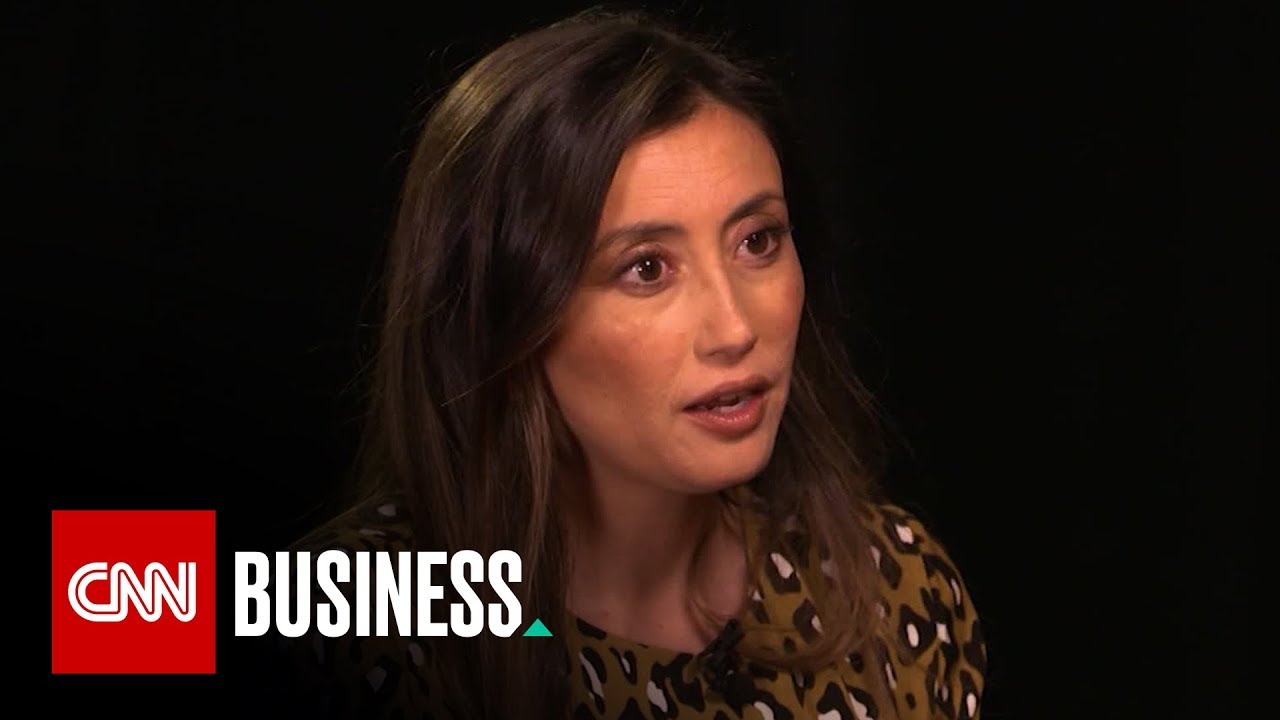
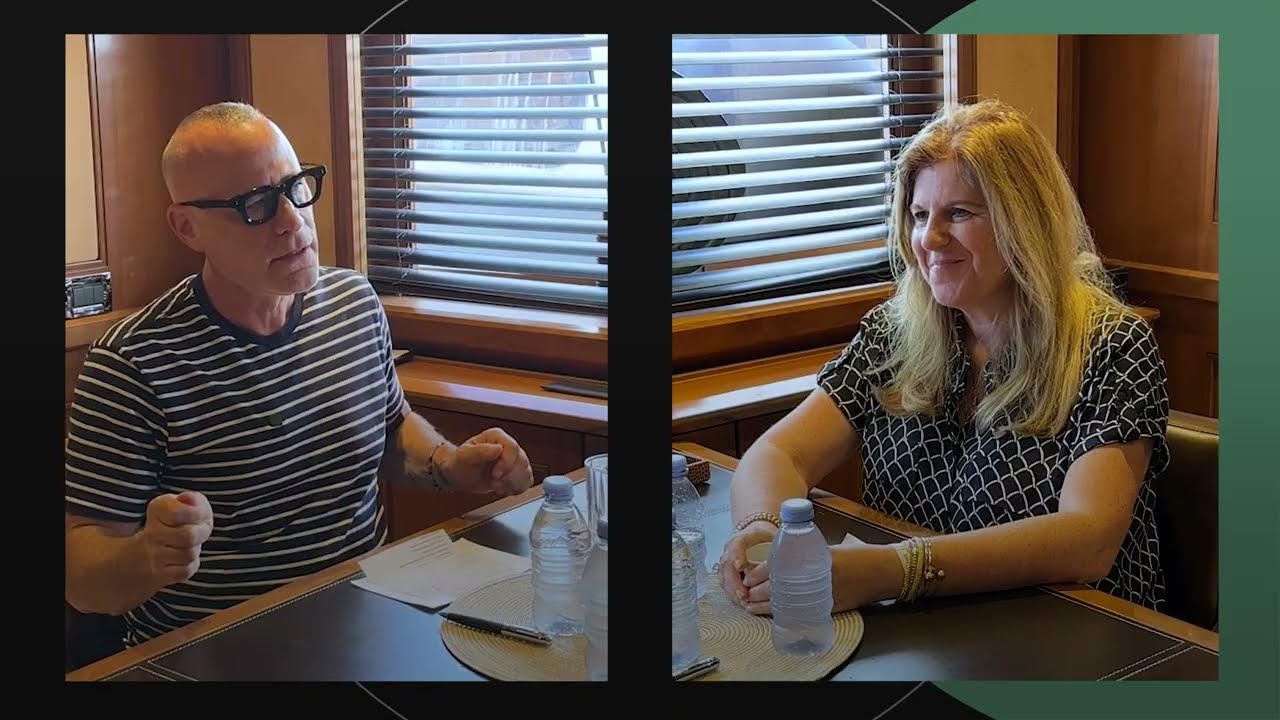
we're joined Now by Katrina Lake CEO of Stitch fix in an exclusive interview so there are a lot of clouds over the Retail Landscape but somehow you guys have been defining the odds how did you get there um it's really customer centricity to the core and so for us really being able to focus on what is the customer looking for how is she what is fundamentally what matters to her when she buys clothes and then to really be able to create a business model around that um was I think at the core of what we
do and so our clients they let us know their preferences they let us know what how they think about their body they let us know what they're looking for and then we're able to really specifically cater to what she's what she's looking for and not have to kind of weed through all the list all the listings and filter through all the results and all of the kind of difficulties that people see in e-commerce today as you grow though there are going to be new challenges how do you weather those in the midst of such rapid
growth yeah I mean I we've at this point we're really at a place where we can scale we have scaled we have five distribution centers we have over 6,000 employes employees um so we've really built this amazing base from which we can continue to grow and that we can also um continue to launch new businesses and so we just launched men's um about eight months ago and we launched plus siiz very recently and um in the men's business for example we built a business in six months to be as big as the Women's Business was
three years in and so um we've really created this platform I think that has all of these additional kind of vectors for growth um and we're at a place now where I think you know we can really focus on that how much of are these different businesses contributing individually to the bottom line I mean are you know women still your bread and butter um is it men's is it maternity is it women's is still by far our biggest business um we've been really excited to see plus- siiz plus- siiz has surpassed our expectations in terms
of how well the business has done how fast it's grown um and I think that's a really underserved market and one that we're especially suited well or well suited to serve um exceptionally well now you haven't raised any funding since this $25 million round uh led by Ben Mark in 2014 you've raised 42 million from outside investors meantime you've got airbn Uber raising Airbnb and Uber raising billions upon billions of dollars and they're not profitable you know do do you think there's some irresponsibility going on at some of these other companies I can't I can't
speak to what's going on at other companies but in our case I focused really early on unit economics and making sure that we were going to be in control of our own destiny um and so to be able to um serve the customer the way that we want to serve her and do it in a way that I felt like was um right for our financial situation um I think has served us well um but that being said you know there's a lot of Investments that we've made men's and plus siiz um and there are
probably other Investments that we'll choose to make in the future what are your Capital plans going forward do you think you'll raise more money um I can't comment on any future financials or any raises that we might do IPOs perhaps right now we're really just focused on building our business on serving our client well um and continue to grow the healthy business that we have so one of the questions about fix is you know how many clothes do people need will customers keep coming back over months and years um you know rather than just a
one or two off you know how do you think this is sustainable yeah I think we can actually best in the world at retention and so one of the amazing Parts about our business is that we have this partnership with our client so our client is sharing with us how she's feeling what she's looking for where she is in her life and there are absolutely times when our clients will pause and say I have enough clothes from now and then they'll come back and say I just came back for maternity or I'm starting a new
job and so um that open channel of communication that we have with our clients I think enables us to be really good at retention and really understand where she is in her life cycle Amazon is experimenting with brick and mortar is that something that you guys would do um we don't have any specific plans on brick and mortar right now so Rent the Runway has this idea that clothing can be rented out like Netflix and that people are more likely to rent their wardrobe in the future than they are to buy it what do you
think of that concept you know honestly we haven't experimented much with rental I think just seeing all the Innovation that we see in apparel has been just really exciting it's a really huge space um there's a lot of different ways that customer Behavior has changed and um so rental is not something that we've spent much time on but um but you know we're excited to see how excited the customer is to try apparel and try to buy Apparel in new new and novel ways we've just got a question actually from one of our Bloomberg listeners
what about the threat from Amazon Amazon is is also getting into brick and mortar they're getting into fashion as well yeah I mean you can't underestimate Amazon Amazon's an amazing company um we really think of ourselves as being focused on a on a different value proposition and um so for us I think there are a lot of product categories where there's a lot of nuance in the decision and so trying to find genes for example that are just the cheapest genes that are going to ship to you fastest like that's not what people are looking
for in genes they're looking for the genes that are going to fit their body that are going to make them feel great and um and I think that's something that's really hard to do in the world of kind of filter and search um and so you know we we defin don't underestimate them but at the same time I think we're focused on a very different value proposition